 3 images
Kameyama Butcher Shop Maesawa Beef Marbled Loin for Shabu-Shabu & Sukiyaki
亀山精肉店 前沢牛 A4~5等級 ロース しゃぶしゃぶ・すき焼き用 霜降り 500g(2-3人前) 岩手県 牛肉 和牛 ご自宅用 贈答品
500g (serves 2-3)旨いもんハンター
Japanese name前沢牛
In Oshu’s Maesawa area, the Kitakami River, mountain snowmelt, rice straw, and small-herd cattle care shape Japanese Black beef before it reaches sukiyaki, shabu-shabu, steak, or seared nigiri.
Information last updated yesterday
3 images亀山精肉店 前沢牛 A4~5等級 ロース しゃぶしゃぶ・すき焼き用 霜降り 500g(2-3人前) 岩手県 牛肉 和牛 ご自宅用 贈答品
500g (serves 2-3)旨いもんハンター
 3 images
A4 A5等級 前沢牛 丸皿花盛!選べる赤身 or 霜降り 割り下付き (段ボール発送商品です。) 贈答 お中元 国産 お祝い 特別な日 ギフト 記念日 ご褒美 高級 お取り寄せグルメ 焼肉 すき焼き 牛肉 BBQ 牛匠 オガタ
lean 500g or marbled 400g前沢牛オガタ 楽天市場店
4.3 / 3 reviews
 3 images
【送料無料】前沢牛 すき焼き・しゃぶしゃぶ用 切り落とし 560g 岩手ファーマーズミート 前沢牛オガタ 岩手 国産牛肉 牛肉 黒毛和牛 産地直送
560g (280g x 2 packs)セレクトショップ東北
4.7 / 19 reviews
 3 images
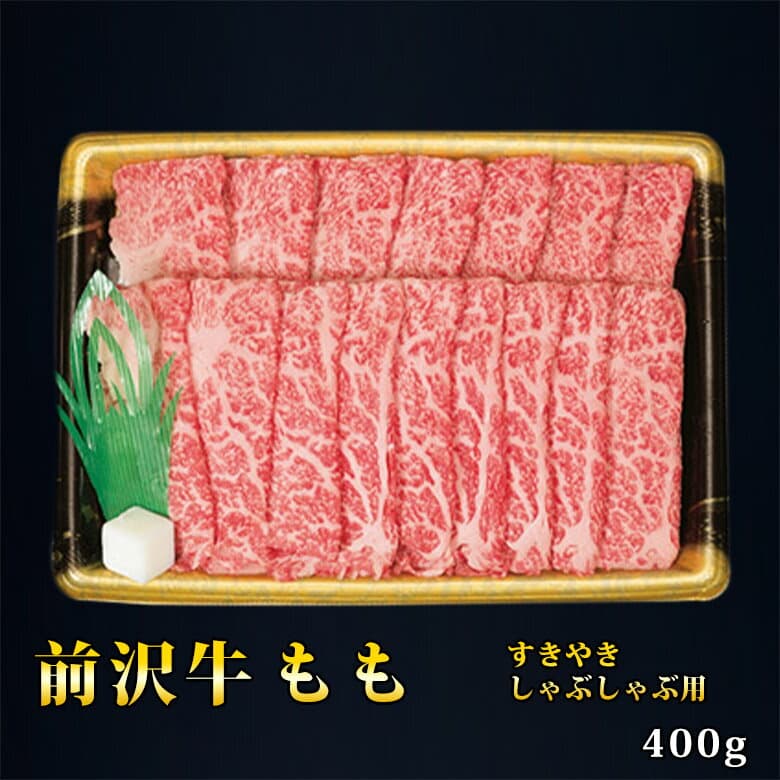
前沢牛ももすきやき・しゃぶしゃぶ用(400g) 【 岩手 誕生日 お祝い プレゼント ギフト 肉 贈り物 お土産 肉ギフト お取り寄せ おすすめ 入学祝い 母の日 父の日 お中元 お歳暮 コンペ 結婚式 二次会 景品 イベント 】
400g肉の横沢
5.0 / 1 reviews
 3 images
\今だけタレがついてくる!/前沢牛ロース大判 1kg A4 A5等級 選べる!贈答 お中元 黒毛和牛 国産 お祝い 特別な日 ギフト 記念日 ご褒美 高級 お取り寄せグルメ 焼肉 すき焼き しゃぶしゃぶ 牛肉 BBQ 大容量 おすすめセット 1キロ
1 kg前沢牛オガタ 楽天市場店
4.8 / 41 reviews
First time buying on Rakuten? How residents in Japan order →
All 5 listings of this product on Rakuten, lowest price first.
| Listing | Price | Shop | Reviews | Open listing |
|---|---|---|---|---|
Maesawa Beef Sukiyaki/Shabu-Shabu Trimmings 560g (280g x 2 packs)Lowest price | ¥5,330 | セレクトショップ東北 | 4.7 / 19 reviews | View on Rakuten → |
A4-A5 Maesawa Beef Hanamori Round Platter with Sukiyaki Sauce lean 500g or marbled 400gGift-ready | ¥10,000 | 前沢牛オガタ 楽天市場店 | 4.3 / 3 reviews | View on Rakuten → |
Maesawa Beef Round for Sukiyaki & Shabu-Shabu 400gGift-ready | ¥10,980 | 肉の横沢 | 5.0 / 1 reviews | View on Rakuten → |
Kameyama Butcher Shop Maesawa Beef Marbled Loin for Shabu-Shabu & Sukiyaki 500g (serves 2-3)Gift-readyValue pick | ¥12,814 | 旨いもんハンター | View on Rakuten → | |
Maesawa Beef A4-A5 Large-Sliced Loin 1 kgMost reviewedGift-readyValue pick | ¥25,000 | 前沢牛オガタ 楽天市場店 | 4.8 / 41 reviews | View on Rakuten → |
Japanese · new tab
Maesawa Beef begins in Maesawa, Oshu, in Iwate Prefecture, on the southern side of the Kitakami Basin. The Kitakami River runs through the area, while snowmelt from the Ou Mountains and the Kitakami Mountains supports rice fields. After harvest, clean local rice straw moves into cattle barns as feed and bedding. The beef’s place-bound character can be traced through concrete things: Japanese Black cattle, defined rearing conditions in Maesawa, manure returned to fields, individual cattle care, fine marbling, moist texture, and fat with a gentle aroma in the mouth.
Maesawa in Oshu sits in the southern Kitakami Basin, with the Kitakami River flowing through the area. The same landscape that supports rice growing also supports cattle rearing: snowmelt from the Ou Mountains and Kitakami Mountains feeds fertile fields, and those fields supply clean rice straw. For Maesawa Beef, place is a working relationship among river water, mountain snowmelt, rice paddies, straw, and cattle barns.
The Maesawa Beef name is tied to Japanese Black cattle and to defined rearing conditions in and around Oshu’s Maesawa area. The cattle must have their longest and final rearing period there, with traceable individual information and carcass grades that meet the set boundary: meat quality grade 4 or higher and yield grade A or B. The regional association also connects the name to cattle sold through Iwate Furusato Agricultural Cooperative. The geographical indication context supports the same practical idea for readers: the name points to a specific place, breed, rearing path, and quality line.
Rice straw gives Maesawa Beef a direct link to the local rice-growing base. It is used as roughage and bedding, while manure from the cattle is returned to rice paddies and other fields as compost. A producer interview from Oshu also describes rice byproducts as cattle feed and manure as part of rice farming. The cycle is best understood through tangible parts: straw, bedding, feed, compost, paddies, and fields moving between crop work and cattle work.
Maesawa Beef production centers on relatively small fattening operations, averaging about 25 head per farm. That scale matters because the work depends on watching cattle one by one. Oshu producer Tetsuro Oikawa describes a barn that grew from two cattle to 50 fattening cattle, along with daily attention to barn cleanliness, cattle health, and low-stress surroundings. The care becomes visible in ordinary tasks: cleaning, observing, adjusting the barn, and reading each animal’s condition.
The area’s livestock background once centered on horses. In the 1950s, breeding cows were brought from Okayama and Shimane, and production of Japanese Black calves began. After the Maesawa Town agricultural cooperative was formed in 1965, its fattening section began Japanese Black fattening. The name Maesawa Beef first appeared at the 1971 carcass competition, which was created to improve local skill and motivation. Training and shared learning in the late 1970s and around 1980 raised production technique, and the Maesawa Beef Festival, begun in 1985, became a local event drawing more than 30,000 visitors each time.
Maesawa Beef is described through fine marbling, a moist texture, fat that is not heavy, and an aroma that opens in the mouth. Those traits show differently by cut and dish. Shoulder loin is named for sukiyaki; belly can be cooked with vegetables; shank can be simmered in a pressure cooker. Yakiniku, shabu-shabu, and steak also fit the beef’s marbling and aroma. Lightly seared Maesawa Beef nigiri draws out the sweetness of matured beef and its soft texture, giving rise to the nickname “land toro.”
Maesawa Beef carries the shape of Oshu’s Maesawa area through river-fed rice fields, local straw, Japanese Black cattle, small-herd care, and a history that moved from horses to cattle fattening. Its name appeared in 1971, but its present form is read in repeated daily work: straw gathered and used, manure returned to fields, cattle watched one by one, and marbled beef cooked as sukiyaki, shabu-shabu, steak, or lightly seared nigiri.
Compiled from public records and official sources; see the recognition links below. Details may change over time.
Where this product is officially registered, designated, or recognized in Japan.
Geographical Indication (GI)
Registered under Japan's Geographical Indication Protection System, run by the Ministry of Agriculture, Forestry and Fisheries.
Sources1
It is written as 前沢牛 in Japanese. Search Rakuten and other Japanese sites with that spelling — the English name will not bring up the listings.
Maesawa beef is beef from Maesawa in Oshu, Iwate, in the southern Kitakami Basin, linked to the Kitakami River, snowmelt, rice fields, and clean rice straw. The name is limited to Japanese Black cattle that meet Maesawa rearing, traceability, cooperative distribution, and carcass-grade requirements. It is produced in small herds with individual care, and is described as finely marbled and moist, with fat that is not heavy.
The regional association definition includes meat quality grade 4 or higher, yield grade A or B, and confirmable cattle introduction and rearing-management information. The region introduced breeding cows from Okayama and Shimane in the 1950s, began Japanese Black fattening after the 1965 cooperative formation, and first used the Maesawa beef name at a 1971 carcass competition. The GI product page describes Maesawa beef fattening as centered on small operations averaging about 25 head per farm. Oshu producer Tetsuro Oikawa describes caring for 50 fattening cattle, with attention to barn cleanliness, cattle health, and low-stress surroundings.
An Oshu producer interview names shoulder loin sukiyaki as a way to eat it; belly cuts are cooked with vegetables, and shank is simmered in a pressure cooker. The GI listing describes yakiniku, shabu-shabu, and steak as suitable cooking contexts. Lightly seared nigiri is presented as a use that draws out matured beef sweetness and soft texture, and is nicknamed land toro.
Storage varies by product — shelf-stable, refrigerated, or frozen — and is stated on the packaging and the Rakuten listing. Shelf-stable processed foods usually need refrigerating once opened and eating within a few days; chilled and frozen items go straight into storage on arrival. Treat the best-before date on the physical packaging as authoritative.
Most options are shelf-stable, boxed, and travel well, so they suit gifting or bringing home. Confirm the final storage and delivery terms on the Rakuten listing.
On Rakuten: the shops listed here right now are 旨いもんハンター, 前沢牛オガタ 楽天市場店, セレクトショップ東北, 肉の横沢. We don't sell directly; purchase, payment, stock, and delivery are all handled on the Rakuten product page.