 3 images
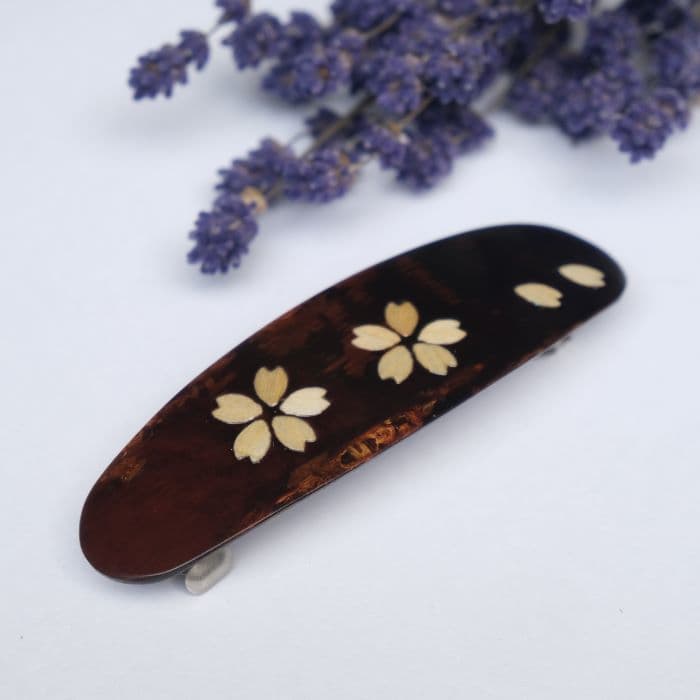
Yatsuyanagi Kaba-zaiku Cherry Bark Hair Clip
【 髪留め 】樺細工 八柳 桜皮 日本製 伝統工芸 和装 和柄 ギフト ラッピング
D2.5 x W9.9 x H1.5 cm樺細工 八柳
4.4 / 10 reviews
Japanese name樺細工
In Kakunodate, Semboku, Akita, kabazaiku turns wild cherry bark into tea caddies, document boxes, and small ornaments through glue, heated irons, and careful polishing.
Information last updated 120 days ago
3 images【 髪留め 】樺細工 八柳 桜皮 日本製 伝統工芸 和装 和柄 ギフト ラッピング
D2.5 x W9.9 x H1.5 cm樺細工 八柳
4.4 / 10 reviews
 2 images
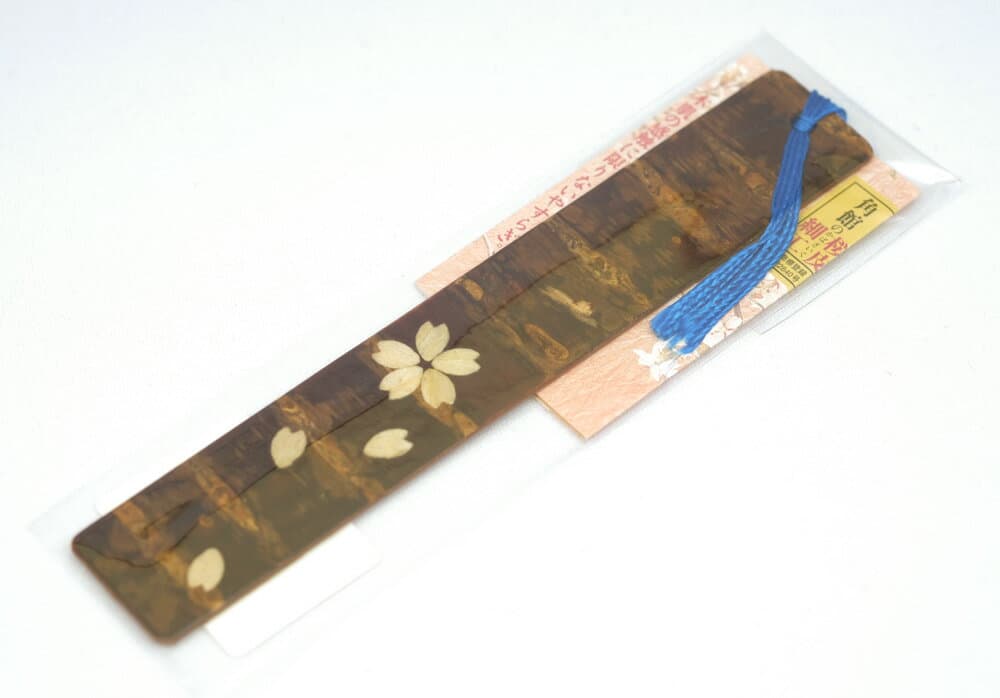
八柳 樺細工 短冊しおり1枚
1 bookmark秋田県物産振興会楽天市場店
5.0 / 1 reviews
 3 images
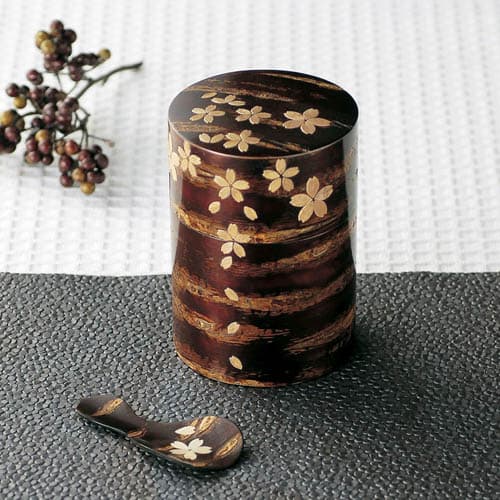
【当日発送 11時までの注文分】日本製 秋田県指定伝統工芸品 老舗 冨岡商店 匠の逸品 手造り 樺細工 桜皮細工 茶筒 & 茶箕セット 大 桜 たっぷり内容量200g [ 木箱入 ] 人気 ギフト 御祝 結婚祝 出産祝 結婚内祝 出産内祝 新築内祝 記念品 歳祝
Large 200g, wooden boxヒキタギフトセンター
4.8 / 8 reviews
First time buying on Rakuten? How residents in Japan order →
Kabazaiku from Kakunodate in Semboku, Akita, begins with bark from wild cherry trees. The word kaba may suggest birch to some readers, yet this craft uses bark from trees such as Oyamazakura and Kasumizakura, allowing the bark’s dark sheen to remain visible on tea caddies, tea chests, document boxes, tea cabinets, brooches, and tie pins. The technique is said to have reached Kakunodate from the Ani area around the late eighteenth century, first taking root as side work for lower-ranking samurai who made inro, eyeglass cases, netsuke, and small cord fasteners.
Kabazaiku is closely tied to Kakunodate in Semboku, Akita, where wild cherry bark gives the craft its surface, color, and name. Local explanations note that kaba can be mistaken for birch, but the bark used for this work comes from cherry species such as Oyamazakura and Kasumizakura; in Kakunodate, kaba came to point to cherry bark.
The bark is valued for its natural variations in color and grain. On a tea caddy or tea chest, that dark gloss sits where the hand reaches every day; on a document box or tea cabinet, the same bark becomes part of storage furniture and room furnishings.
The craft’s route is usually described through the Ani area of northern Akita and Kakunodate in the late eighteenth century, including the An'ei to Tenmei years. In the domain period, lower-ranking samurai made small objects such as inro, eyeglass cases, netsuke, and cord fasteners, joining thin bark, small tools, and close handwork.
After the Meiji period began, former samurai worked more fully in the craft, and wholesalers helped expand sales routes, improve tools, and train craftspeople. Kakunodate’s kabazaiku therefore rests on both household-scale handwork and the later workshop networks that supported production.
Before the bark becomes an object, craftspeople sort and prepare it. The process includes kabahadake, in which the bark is worked into types such as hibi-kawa, ame-kawa, and chirimen-kawa, then thinned and adjusted for the planned form. This turns bark from the mountain into sheets suitable for a cylinder, a wooden base, or a layered block.
Glue and heat are central. For katamono, bark is attached around a core with nikawa glue and a heated iron; for kijimono, bark is applied over a wooden base; for tatamimono, glossy bark is glued and pressed with a heated iron plate. Finishing uses horsetail, mukunoki leaves, and polishing powder to bring out the surface sheen.
Kabazaiku is commonly described through three methods: katamono, kijimono, and tatamimono. Katamono forms a cylinder with a mold and core before wrapping bark around it, a method associated with objects such as tea caddies and inro. Details such as joined bark edges, mouth pieces, top bark, and inner bark shape the way the vessel closes and feels in the hand.
Kijimono starts with a wooden base made from materials such as magnolia, cedar, cypress, hiba, or paulownia, then covers it with cherry bark; document boxes, inkstone boxes, and larger box-shaped works fit this approach. Tatamimono builds thickness by layering polished bark, then carving and shaping it, a method used for ornaments from older obi clasps to later brooches and pendants.
The familiar forms of kabazaiku include tea caddies, tea chests, document boxes, tea cabinets, brooches, tie pins, pendants, and loop ties. These objects keep the dark cherry-bark surface close to ordinary gestures: opening a caddy, putting away papers, or fastening a small ornament to clothing.
The method follows the object. Cylinders need wrapped bark and a finished mouth, boxes need a wooden structure beneath the surface, and ornaments can use the depth and pattern created by layered bark. The local character of the craft appears in this practical movement from one material to many daily forms.
The handling of wild cherry bark also connects the craft to the mountain. Descriptions of the harvesting practice say that the bark is not stripped completely from a tree, leaving room for regeneration; concerns about excessive harvesting after the war were followed by efforts by the town and association to plant yamazakura.
That material discipline links the finished sheen of a tea caddy to living trees around Kakunodate. The craft depends on bark that can be prepared in the workshop, but it also depends on how that bark is taken, renewed, and planted for future work.
Kakunodate also holds older kabazaiku pieces. Akita Prefecture lists twelve old kabazaiku objects as tangible folk cultural properties, with their location connected to Omotemachi-Shimocho in Kakunodate and management tied to the Kakunodate Kabazaiku Denshokan and related facilities.
Those twelve older objects help place today’s tea caddies, boxes, and ornaments beside earlier small works and the later development of the craft as an industry. In Kakunodate, the mountain material, the castle-town history, and the workshop process remain readable through actual objects.
The force of Kakunodate kabazaiku lies in the exact handling of wild cherry bark: thinning it, brushing on nikawa glue, pressing it with a heated iron, and polishing it with horsetail, mukunoki leaves, and polishing powder. A technique carried from Ani to Kakunodate around the late eighteenth century moved through samurai side work, Meiji-era tool improvement, craftsperson training, and workshop production. On a tea caddy, document box, inkstone box, brooch, or tie pin, the dark bark surface keeps Kakunodate’s mountains and handwork close to daily use.
Compiled from public records and official sources; see the recognition links below. Details may change over time.
Where this product is officially registered, designated, or recognized in Japan.
Traditional craft
Designated a Traditional Craft (dentō kōgeihin) by Japan's Ministry of Economy, Trade and Industry.
Sources1
It is written as 樺細工 in Japanese. Search Rakuten and other Japanese sites with that spelling — the English name will not bring up the listings.
Kabazaiku is a craft from Kakunodate in Semboku, Akita, made with bark from wild cherry trees rather than birch. Craftspeople thin and sort the bark, attach it with nikawa glue and heated irons, then polish it with horsetail, mukunoki leaves, and polishing powder. Its three methods, katamono, kijimono, and tatamimono, shape tea caddies, tea chests, document boxes, inkstone boxes, brooches, pendants, tie pins, and loop ties.
Semboku, Akita is identified as the main production area for kabazaiku. The bark used includes wild cherry species such as Oyamazakura, Kasumizakura, Beniyamazakura, and Yamazakura. The technique is said to have reached Kakunodate from the Ani area around the late eighteenth century, including the An'ei to Tenmei years. Twelve older kabazaiku pieces are preserved in Akita's tangible folk cultural property context, connected with Kakunodate Omotemachi-Shimocho and the Kakunodate Kabazaiku Denshokan.
The katamono method shapes items such as tea caddies by fitting bark to a wooden mold and attaching it with nikawa glue and a heated iron. The kijimono method is used for boxier pieces such as document boxes, inkstone boxes, and tea chests. The tatamimono method layers and polishes wild cherry bark before carving it, a technique used in recent years for accessories such as brooches and tie pins.
Keep craft pieces out of direct sunlight, damp, and sharp temperature swings, and store them where they won't knock against anything. Wood, bamboo, lacquer, and paper don't tolerate water — wipe any moisture off immediately. Specific care notes are on the listing.
Most options are shelf-stable, boxed, and travel well, so they suit gifting or bringing home. Confirm the final storage and delivery terms on the Rakuten listing.
On Rakuten: the shops listed here right now are 樺細工 八柳, 秋田県物産振興会楽天市場店, ヒキタギフトセンター. We don't sell directly; purchase, payment, stock, and delivery are all handled on the Rakuten product page.