 3 images
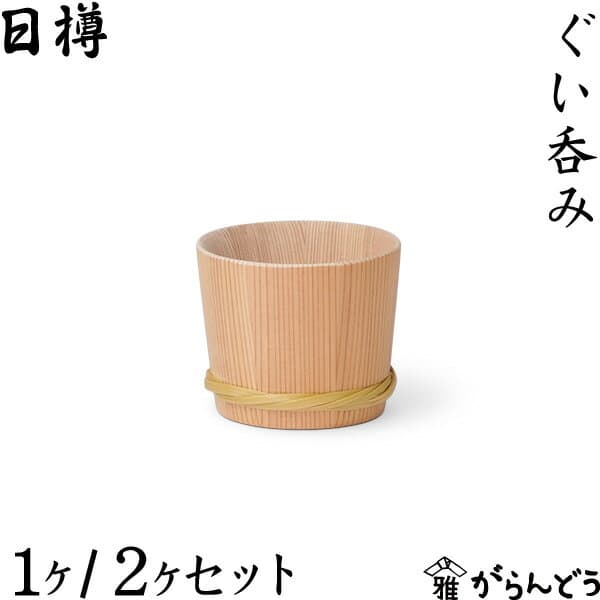
Nittaru Akita Sugi Oketaru Wooden Guinomi Sake Cup
日樽 ぐい呑み 単品/2ヶセット お猪口 国産 日本製 秋田杉桶樽 工芸品 木製 竹タガ 天然杉 樽酒 抗菌作用 冷酒 グラス
single / 2-piece setがらんどう
5.0 / 1 reviews
Japanese name秋田杉桶樽
Across Odate, Noshiro, Akita, and Yokote, Akita cedar is split, shaped, and tightened with bamboo, copper, or brass hoops into rice tubs, sushi tubs, sake barrels, bath pails, and new tableware.
Information last updated 120 days ago
3 images日樽 ぐい呑み 単品/2ヶセット お猪口 国産 日本製 秋田杉桶樽 工芸品 木製 竹タガ 天然杉 樽酒 抗菌作用 冷酒 グラス
single / 2-piece setがらんどう
5.0 / 1 reviews
 3 images
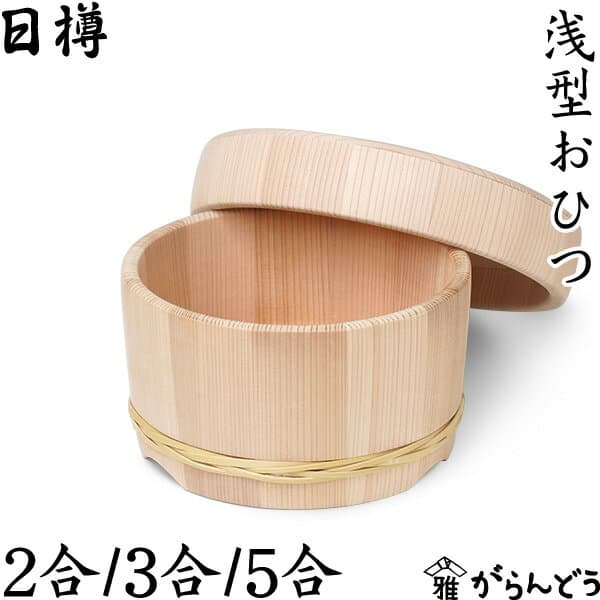
日樽 浅型おひつ 2合/3合/5合 お櫃 国産 日本製 秋田杉桶樽 工芸品 木製 竹タガ 天然杉 おひつ 江戸びつ 抗菌作用
2-go / 3-go / 5-goがらんどう
 3 images
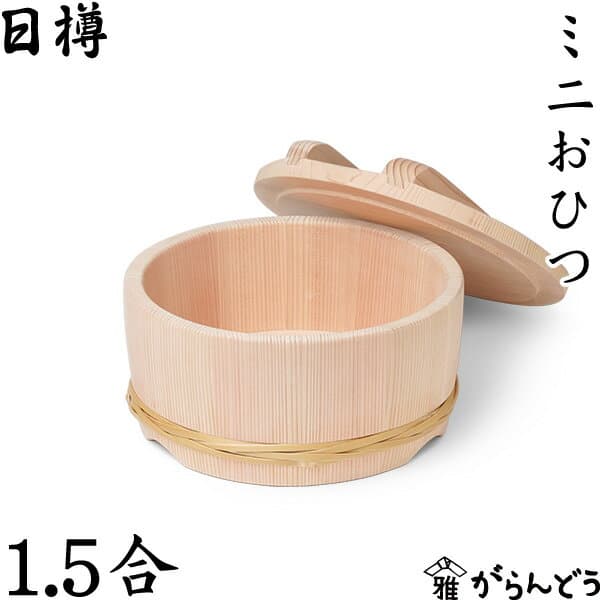
日樽 ミニおひつ 1.5合 お櫃 国産 日本製 秋田杉桶樽 工芸品 木製 竹タガ 天然杉 おひつ 地びつ のせ蓋 抗菌作用
1.5 goがらんどう
5.0 / 1 reviews
First time buying on Rakuten? How residents in Japan order →
Akita Sugi Oketaru begins with cedar and with maker communities in places such as Noshiro and Odate. In a prefecture rich in timber resources, woodworkers turn cedar into ohitsu rice tubs, sushi tubs, miso tubs, sake barrels, flower vessels, confectionery vessels, beer mugs, and bath pails. The vessels take shape through curved boards, aligned grain, and the pull of hoops, so rice, sake, soy sauce, pickles, and bathing all sit within one bucket-and-barrel craft.
The Akita Sugi Oketaru Cooperative is based in Suehirocho, Noshiro, while the production area also reaches Odate, Akita, Yokote, and other parts of the prefecture. Akita’s timber resources support many woodworkers, and Noshiro connects the Yoneshiro River basin, Akita cedar, the Kitamaebune port network, coopers, carpenters, and blacksmiths. The name Akita Sugi Oketaru is grounded in a practical landscape of cedar, river movement, port work, and workshops.
The material gives the vessel its feel. Akita cedar has fine, even annual rings, attractive grain, fragrance, and relatively little shrinkage or warping; hiba is also used for some bath items. In an ohitsu, a sushi tub, or a beer mug, the local character is concrete: thin cedar boards, curved surfaces, wood aroma, and the way the vessel handles moisture around rice or drinkware.
The making starts with the log. Cedar is split from the center into fan-shaped pieces called kure, rough-shaped, and dried; tools such as the sen, kegata, shojikidai, and planes refine the outside curve, inside curve, and joining faces. Makers stand the boards with attention to grain and color, use bamboo nails when needed, tighten the body with madake bamboo, copper, or brass hoops, and finish some surfaces with wax wiping, persimmon tannin, or tame-nuri lacquer.
An oke uses straight-grained material, narrow boards set upright in a ring, hoops, and a wooden bottom; rice tubs and rice-mixing tubs fall here because they do not have fixed lids. A taru uses flat-sawn material and has a fixed lid, as in a sake barrel; the middle of a sake barrel swells, while a water bucket remains straighter. Those forms carry rice, sushi, miso, pickles, sake, soy sauce, bath water, hand pails, and foot baths.
At the Akita Castle site, bucket and barrel history appears through an estimated late-Heian bucket and through bottoms and handles considered to date to the fifteenth or sixteenth century. In 1612, a sake shop in present-day Ogachi was using buckets; in 1682, sake sellers in Kubota castle town asked for sake-barrel measures to be standardized. The dates, places, and vessel names put Akita cedar bucket and barrel work close to brewing and trade.
Production increased in the Meiji era, and from before the war through the postwar 1950s, sake barrels, soy-sauce barrels, sushi tubs, and pickle tubs were widely used. Demand fell sharply from the late 1950s as plastic and aluminum goods spread, so makers developed new uses: flower vessels, confectionery vessels, ice pails, beer mugs, tableware, and interior goods. Older vessel forms remain visible in the boards, hoops, and rounded bodies of these newer objects.
The care routine is also part of the material’s rhythm. Before first use, a cedar bucket or barrel is filled with lukewarm water for six to seven hours, washed, and wiped with a soft cloth; after use, it is washed promptly with lukewarm water or water and wiped dry. Storage avoids direct sunlight, heaters, and strongly ventilated places because the wood needs a slower relationship with moisture and shape.
Akita Sugi Oketaru carries continuity through kure boards, hoops, wooden bottoms, and vessels that meet water, rice, and sake. From Noshiro workshops to everyday utensils around Odate and other Akita production areas, cedar is split, shaved, stood upright, and tightened into forms that have moved from rice tubs and sake barrels to beer mugs and interior goods. Its tradition is concrete: even cedar rings, the sen and plane in the maker’s hands, and a care habit built around water and cloth.
Compiled from public records and official sources; see the recognition links below. Details may change over time.
Where this product is officially registered, designated, or recognized in Japan.
Traditional craft
Designated a Traditional Craft (dentō kōgeihin) by Japan's Ministry of Economy, Trade and Industry.
Sources1
It is written as 秋田杉桶樽 in Japanese. Search Rakuten and other Japanese sites with that spelling — the English name will not bring up the listings.
Akita Sugi Oketaru are cedar buckets and barrels made in Akita production areas including Odate, Noshiro, Akita, and Yokote. Makers split cedar logs into fan-shaped kure boards, refine them with tools such as the sen, kegata, shojikidai, and planes, then tighten the body with madake bamboo, copper, or brass hoops. Vessels include ohitsu, sushi tubs, miso tubs, sake barrels, bath pails, beer mugs, and interior goods, and Akita Castle finds along with early sake-shop dates show long local use.
The Akita Sugi Oketaru Cooperative is based in Suehirocho, Noshiro, and the craft is connected with the Yoneshiro River basin and Akita timber resources. An oke uses straight-grained wood and has no fixed lid, while a taru uses flat-sawn wood and has a fixed lid; sake barrels swell at the middle and water buckets are straighter. Akita Castle finds, a 1612 sake-shop use in present-day Ogachi, and a 1682 Kubota sake-barrel measure request mark points in Akita's local timeline for buckets and barrels. Production increased after the Meiji era, demand fell once plastic goods spread in the late 1950s, and makers later expanded into tableware and interior goods.
Cooked rice can be transferred into an ohitsu, where the cedar helps manage temperature and humidity so it does not harden easily as it cools, while air still passes through the rice. Cedar beer mugs are used to reduce condensation, keep drinks cold, and help the foam last longer. Before first use the vessel is filled with lukewarm water for six to seven hours, washed, and wiped; after use it is washed promptly and kept away from direct sunlight, heaters, and overly ventilated spots.
Keep craft pieces out of direct sunlight, damp, and sharp temperature swings, and store them where they won't knock against anything. Wood, bamboo, lacquer, and paper don't tolerate water — wipe any moisture off immediately. Specific care notes are on the listing.
Most options are shelf-stable, boxed, and travel well, so they suit gifting or bringing home. Confirm the final storage and delivery terms on the Rakuten listing.
On Rakuten: the shops listed here right now are がらんどう. We don't sell directly; purchase, payment, stock, and delivery are all handled on the Rakuten product page.