 3 images
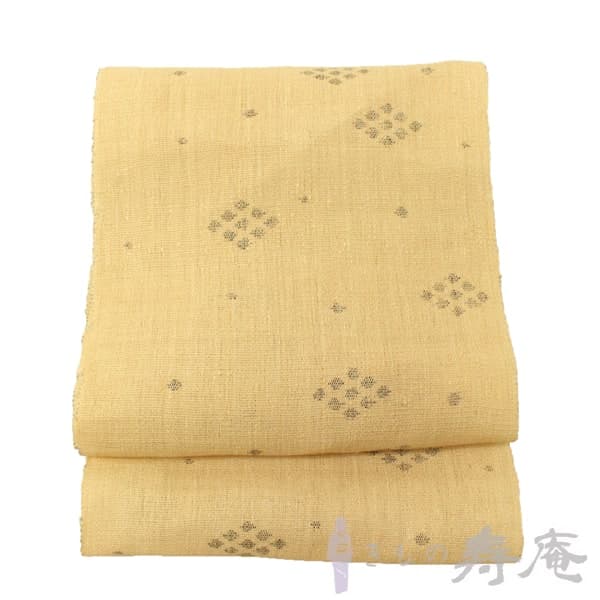
Echigo Jofu Handwoven Hemp Eight-Sun Nagoya Obi by Masayoshi Ogawa
新品 夏帯 夏着物 にあう 越後上布 重要無形文化財 仕立込 手織 八寸名古屋帯 上質素材 麻 青苧 夏八寸帯 小河正義 伝統工芸士 生成り 菱柄 通好み 夏のおしゃれ 一生物 涼しい 新品 未仕立
natural color, diamond pattern帯きもの寿庵 京都発 新品和装専門
Japanese name越後上布
Ramie fiber is split, joined, tied for kasuri, woven on an izaribata, and laid on snow to become a crisp summer cloth from Niigata.
Information last updated 120 days ago
3 images新品 夏帯 夏着物 にあう 越後上布 重要無形文化財 仕立込 手織 八寸名古屋帯 上質素材 麻 青苧 夏八寸帯 小河正義 伝統工芸士 生成り 菱柄 通好み 夏のおしゃれ 一生物 涼しい 新品 未仕立
natural color, diamond pattern帯きもの寿庵 京都発 新品和装専門
 3 images
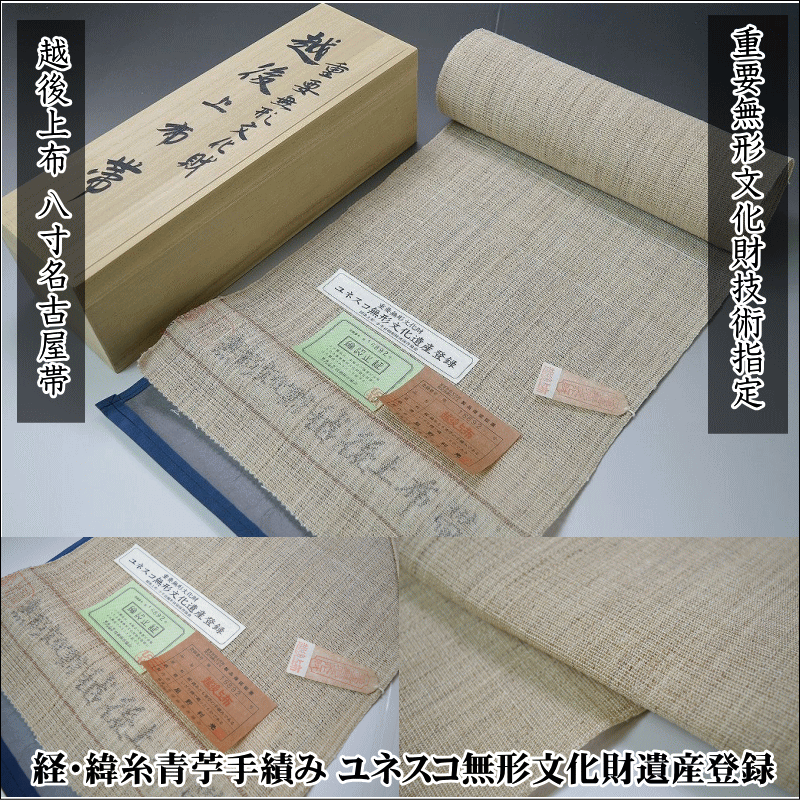
極上の逸品 重要無形文化財技術指定越後上布 八寸名古屋帯 星野利光作 経・緯糸青苧手績み ユネスコ無形文化財遺産登録 越後上布技術保存会確認証 重要無形文化財指定技術「いざり機織」 帯 未仕立て 自然布 【重要無形文化財による製品確認票 登録番号17062】
unsewn 8-sun Nagoya obiキモノ 仙臺屋 本店
 3 images
352 古代越後上布 本藍染 手績み 夏着物 上布 中島清志氏製作 ぶどう唐草模様 葡萄唐草模様 お食事 観劇 ショッピングやご旅行に!
approx. 12.36 m x 39 cmきもの工芸 雁金屋
First time buying on Rakuten? How residents in Japan order →
Echigo Jofu belongs to Minamiuonuma City in Niigata, especially the Shiozawa area. It is a fine ramie cloth for summer kimono fabric, known for breathability and a dry, crisp shari feel. Within the older technique family shared with Ojiya Chijimi, Echigo Jofu is now generally used for the flat-woven cloth of Minamiuonuma and Shiozawa, while Ojiya Chijimi names the Ojiya-area cloth made with strongly twisted weft threads and a crinkled shibo texture.
The thread begins with ramie, called choma or karamushi. Its bast fiber is prepared as aoso, a glossy material now closely linked with Showa Village in Fukushima before it reaches Uonuma for thread making. In oumi, the fiber is split with fingernails and joined strand by strand. The finer the thread, the harder the later work becomes: twisting, tying for kasuri, dyeing, sizing, warping, and weaving all have to answer to the thinness of the fiber.
Uonuma’s snow is part of the working conditions around Echigo Jofu. Ramie thread breaks easily when the air is dry, so weaving rooms are kept cool, with moisture managed carefully. In earlier snowbound months, weaving also gave farming households winter income. Edo-period cloth markets in Tokamachi, Ojiya, Horinouchi, and Shiozawa connected Uonuma textiles with kimono merchants.
The pattern is prepared before the cloth is woven. For kasuri, sections of warp and weft are tied by hand so dye cannot reach them; when the dyed threads are set on the loom, those reserved places must line up for the motif to appear. Complex patterns make the work slower because the weaver has to arrange weft colors, count threads, check alignment against the dyed warp, and mend threads that begin to break.
Echigo Jofu is woven on an izaribata, a loom in which the weaver uses the body to control warp tension. That closeness matters for fine ramie. The weaver watches the pre-dyed pattern, counts weft threads, reconnects weak strands, and sometimes moistens thread or cloth to preserve strength. The pace carries forward the work already done in fiber splitting, tying, dyeing, and warping.
After weaving and washing, the cloth is laid out on snow. Snow bleaching helps whiten the ground and make the kasuri pattern clearer, with timing shaped by weather and experience. Echigo Jofu was designated an Important Intangible Cultural Property in 1955 and was listed by UNESCO in 2009; behind those names are concrete boundaries in the work, including hand-made ramie thread, hand-tied kasuri, izaribata weaving, and snow bleaching.
Current training divides the work into three named areas: oumi, izaribata weaving, and kasuri making. Oumi courses teach participants to split aoso with fingernails and join it into thread. Weaving courses include loom preparation, sizing, twisting, warping, and the izaribata. Kasuri training concentrates on the pattern work that links tying, dyeing, and thread alignment. A ramie plot in Tochikubo also connects local children with the plant behind the fiber.
Process accounts describe Echigo Jofu as a cloth of about thirty steps. Thread making from aoso, kasuri tying and dyeing, izaribata weaving, washing, and snow bleaching all depend on fine fiber, humidity, pattern difficulty, and hand repair. A single tan can require about two months for thread making or about two months for weaving. Current production counts differ by account and date, so the safer point is the labor itself: the cloth moves at the speed of split ramie, aligned kasuri, and snow finishing.
The clearest way to understand Echigo Jofu is to follow the material through place: aoso from Showa Village, oumi in Uonuma, flat-woven cloth in Minamiuonuma and Shiozawa, an izaribata held close to the body, and washed fabric set on snow. Its cool summer feel comes from that chain of ramie fiber, winter air, careful alignment, and hand work.
Compiled from public records and official sources; see the recognition links below. Details may change over time.
Where this product is officially registered, designated, or recognized in Japan.
Regional collective trademark
Registered as a Regional Collective Trademark with the Japan Patent Office.
Sources1
It is written as 越後上布 in Japanese. Search Rakuten and other Japanese sites with that spelling — the English name will not bring up the listings.
Echigo Jofu is a fine ramie summer kimono cloth linked to Minamiuonuma City and the Shiozawa area of Niigata. Aoso fiber, connected to Showa Village in Fukushima, is split and joined into thread through oumi, tied and dyed for kasuri patterns, then woven on an izaribata loom, washed, and snow bleached. The finished cloth is known for its breathable, crisp shari feel. Today the flat-woven Minamiuonuma cloth is called Echigo Jofu, while the crinkled Ojiya cloth is called Ojiya Chijimi.
Kasuri patterns are created by hand tying sections of thread to resist dye, then aligning the pre-dyed warp and weft during weaving. Echigo Jofu is woven on an izaribata, a loom that lets the weaver control warp tension with the body while working close to fragile ramie thread. After washing, the cloth is bleached on snow, which whitens the ground and sharpens the contrast of the kasuri pattern. Training programs for the craft teach three areas: oumi thread making, izaribata weaving, and kasuri making.
Naturally dyed textiles shed some colour on first wash. Hand-wash separately with a neutral detergent, avoid long soaking and bleach, and dry in the shade to prevent fading. Silk, ramie, and traditionally dyed pieces often need professional cleaning — the care label on the listing takes precedence.
Most options are shelf-stable, boxed, and travel well, so they suit gifting or bringing home. Confirm the final storage and delivery terms on the Rakuten listing.
On Rakuten: the shops listed here right now are 帯きもの寿庵 京都発 新品和装専門, キモノ 仙臺屋 本店, きもの工芸 雁金屋. We don't sell directly; purchase, payment, stock, and delivery are all handled on the Rakuten product page.