 3 images
Takashima Chijimi Men's Kyo-Yuzen Cotton Suteteko Pants
ステテコ メンズ 高島ちぢみ 綿100% 日本製 京友禅 おしゃれ 前あき 夏 父の日 敬老の日 ギフト プレゼント パンツ 高島ちぢみステテコ 7分丈 和柄 速乾 吸汗速乾ドライ 節電 蒸れない リラックス ウエア 下着 暑さ対策グッズ 涼しい素材 室内 男性用
メンズインナーSHOPバンタン
4.7 / 137 reviews
Japanese name高島ちぢみ
In Takashima, Shiga, a cotton-weaving area long tied to suteteko light cloth, high-twist weft yarn and shibo finishing give chijimi its dry touch and its place in shirts, dresses, and jackets.
Information last updated 119 days ago
3 imagesステテコ メンズ 高島ちぢみ 綿100% 日本製 京友禅 おしゃれ 前あき 夏 父の日 敬老の日 ギフト プレゼント パンツ 高島ちぢみステテコ 7分丈 和柄 速乾 吸汗速乾ドライ 節電 蒸れない リラックス ウエア 下着 暑さ対策グッズ 涼しい素材 室内 男性用
メンズインナーSHOPバンタン
4.7 / 137 reviews
 3 images
2枚組 高島ちぢみ シャツ 肌着 日本製 綿100% クレープ肌着 シャツ 白 涼感 快適 グッズ メンズ 夏 半袖Uネックシャツ 14-1 涼しいシャツ 蒸れない 通気性バツグン クレープ生地 インナーシャツ 浴衣 下着 結婚式 父の日 ギフト プレゼント
2-piece setメンズインナーSHOPバンタン
4.7 / 76 reviews
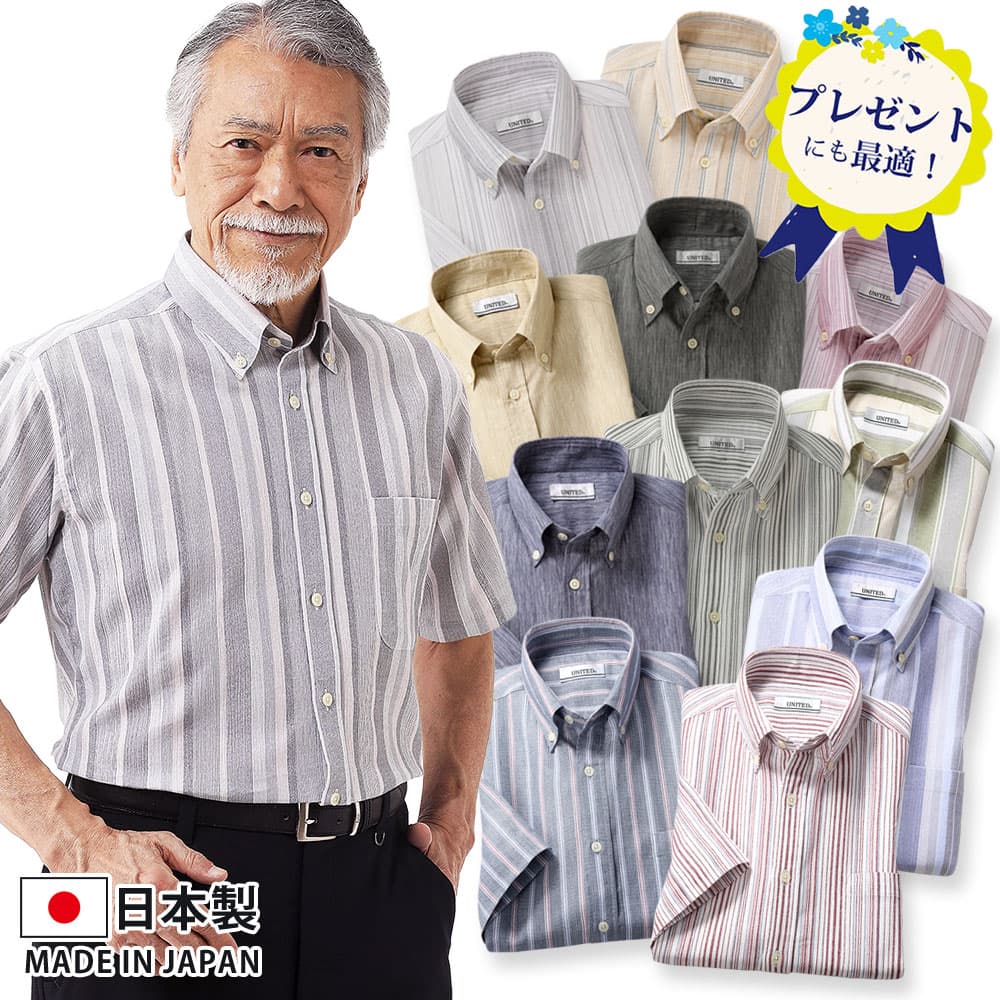 3 images
日本製 ボタンダウンシャツ 高島ちぢみ 半袖 父の日 ギフト メンズ 紳士 シニア 50代 60代 70代 80代 プレゼント メーカー直販
ユナイテッドジャパン楽天市場店
4.8 / 42 reviews
First time buying on Rakuten? How residents in Japan order →
Takashima chijimi begins with a place and a surface. In Takashima, Shiga, cotton weaving has continued since the Edo period, and the area has made light cloth associated with suteteko as well as thicker utility cloth. The fabric’s feel comes from high-twist weft yarn and shibo, the small uneven texture shaped onto the cloth. That texture links the cotton to absorbency, stretch, and a dry hand, then carries it from underwear into shirts, dresses, and jackets.
Takashima, in Shiga Prefecture, is presented as a cotton-weaving production area with roots reaching back to the Edo period. Its work has included light cloth, known through garments such as suteteko, and thicker woven cloth used as material. That local frame keeps Takashima chijimi concrete: it belongs to a working textile area, to named cloth types, and to cooperatives such as Takashima Sarashi Cooperative at Shin-asahi-cho Asahi 1411 in Takashima City.
The texture of Takashima chijimi starts before finishing, with high-twist yarn used in the weft. After weaving, a mold shapes the cloth surface into shibo, the fine unevenness that gives the fabric its broken, airy touch. The named forms include piqué and wave shibo. In practical terms, those ridges are tied to absorbency, stretch, and a smooth dry feel against the skin.
Suteteko and underwear give the fabric an everyday starting point: light cotton, skin contact, moisture, and movement. Takashima chijimi has since been developed into shirts, blouses, dresses, and jacket fabrics, using the same absorbency, stretch, and hand feel that made the cloth useful close to the body. The change is less about ceremony than about where the shibo surface can work in ordinary clothing.
The production area is organized through separate but connected roles. Takashima Textile Industrial Cooperative is described with 31 members and warp-preparation capacity, while Takashima Sarashi Cooperative has eight corporate members and handles bleaching, dyeing, printing, processing, and sales for cotton crepe and related fabrics. Its institutional path began in 1954 as a bleaching-processing section of the weaving cooperative’s business division, then continued through independent establishment in 1958, reorganization in 1970, and later additions such as dyeing and printing factories.
Changes in daily clothing and competition from overseas products pushed the Takashima area toward material development and clearer naming. In that context, Takashima chijimi was protected as a regional collective trademark in 2012, and its brand standards and logo were renewed in 2019. For readers, the visible result is a shift in use: the cloth moved beyond suteteko and underwear into shirts, dresses, and jackets while keeping the absorbent, stretchy, dry-touch qualities of chijimi.
A 2024 governor’s shirt shows one recent way the fabric has been adapted. Takashima Textile Industrial Cooperative, Takashima Sarashi Cooperative, and Shiga’s northeastern industrial technology center worked on a Takashima chijimi shirt whose colors were based on the surface of Lake Biwa seen from offshore. The shirt used fabric with fewer ridges than underwear chijimi, a firm yet supple feel, reduced shrinkage when wet, and antibacterial deodorizing treatment; when it was presented at the prefectural office on May 27, ease of movement and wearing comfort were emphasized.
Takashima chijimi is easiest to understand through tangible things: Takashima’s cotton-weaving area, high-twist weft yarn, molded shibo, bleaching and dyeing work, and the path from suteteko to shirts. The Lake Biwa shirt does not replace that older base; it gives the same cloth a recent color and use, showing how a regional textile can keep its dry surface while moving through changing daily dress.
Compiled from public records and official sources; see the recognition links below. Details may change over time.
Where this product is officially registered, designated, or recognized in Japan.
Regional collective trademark
Registered as a Regional Collective Trademark with the Japan Patent Office.
Sources1
It is written as 高島ちぢみ in Japanese. Search Rakuten and other Japanese sites with that spelling — the English name will not bring up the listings.
Takashima chijimi is a cotton textile from Takashima, Shiga. It uses high-twist weft yarn and finishing that creates shibo, a fine uneven surface linked to absorbency, stretch, and a dry touch. The fabric has moved from suteteko and underwear into shirts, blouses, dresses, and jackets. Takashima Sarashi Cooperative handles bleaching, dyeing, printing, and finishing, and a 2024 governor's shirt used colors inspired by Lake Biwa.
Takashima chijimi belongs to the cotton-weaving area of Takashima, Shiga, where cotton weaving has continued since the Edo period. Takashima chijimi uses high-twist weft yarn and a finishing process that shapes shibo on the cloth surface. Its shibo forms include piqué and wave shibo, and the fabric is described as absorbent, stretchy, and dry to the touch. Takashima Sarashi Cooperative has eight corporate members and handles bleaching, dyeing, printing, processing, and sales for cotton crepe and related fabrics.
The fabric is made into suteteko and underwear, drawing on its absorbency and stretch for close-fitting garments. It is also cut into shirts, blouses, dresses, and jackets, using its shibo texture and dry touch where skin comfort matters. A 2024 governor's shirt made from Takashima chijimi was presented at a Shiga Prefecture press conference to promote the textile.
Naturally dyed textiles shed some colour on first wash. Hand-wash separately with a neutral detergent, avoid long soaking and bleach, and dry in the shade to prevent fading. Silk, ramie, and traditionally dyed pieces often need professional cleaning — the care label on the listing takes precedence.
Most options are shelf-stable, boxed, and travel well, so they suit gifting or bringing home. Confirm the final storage and delivery terms on the Rakuten listing.
On Rakuten: the shops listed here right now are メンズインナーSHOPバンタン, ユナイテッドジャパン楽天市場店. We don't sell directly; purchase, payment, stock, and delivery are all handled on the Rakuten product page.