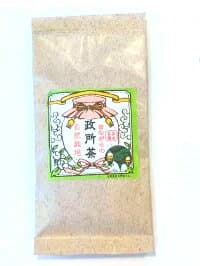
Higashiomi Mandokoro Tea by Nogami
東近江 政所茶 60g (生産者:野神さん)
60g創業文久三年 銘茶ますきち
5.0 / 1 reviews
Japanese name政所茶
In Oku-Eigenji, Higashiomi, native tea trees grow on steep Suzuka Mountain slopes, are picked by shigoki-zumi in May and June, and become sencha or wooden-tub hira-bancha with a clean aroma, bitterness, and gentle sweetness.
Information last updated 119 days ago
東近江 政所茶 60g (生産者:野神さん)
60g創業文久三年 銘茶ますきち
5.0 / 1 reviews
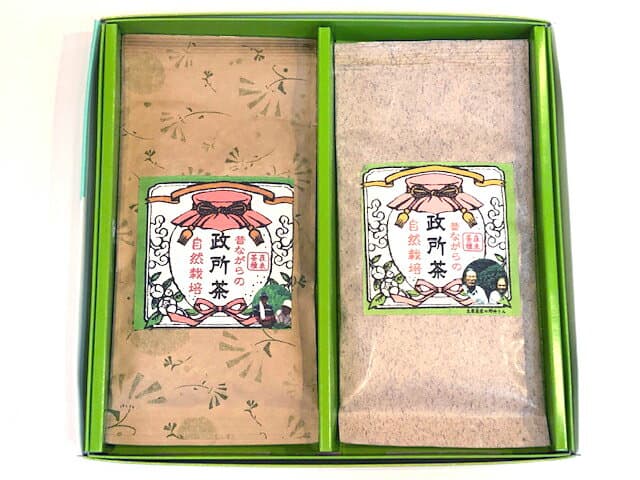 2 images
【送料無料】東近江政所茶 在来茶 箱入り二本組
boxed set of 2創業文久三年 銘茶ますきち
5.0 / 1 reviews
First time buying on Rakuten? How residents in Japan order →
Mandokoro-cha comes from Oku-Eigenji in Higashiomi, Shiga Prefecture, where seven settlements lie beyond Eigenji Dam around the Echi River headwaters in a Suzuka Mountain valley. Morning mist, clean water, sharp day-night temperature differences, and well-drained slopes frame the tea fields, and Mandokoro-cha is counted with Tsuchiyama-cha and Asamiya-cha among Omi's three teas.
The road into Oku-Eigenji passes Eigenji Dam and enters a cluster of seven mountain settlements near the Echi River headwaters. Tea fields sit by river water and on steep valley slopes, where drainage is quick and morning mist gathers in the Suzuka Mountains. Mandokoro-cha begins in these small hillside plots rather than in broad, level rows.
Many Mandokoro tea trees are seed-grown native trees, so the fields do not look like uniform ridges of cloned bushes. Leaves vary in thickness, roundness, size, and shape, and producers connect those differences to flavor; even fields facing each other across the Echi River can produce distinct cups.
Oku-Eigenji tea fields have continued cultivation without pesticides or chemical fertilizer. Farmers in the headwater area have treated downstream water as part of their work, feeding tea roots with plant-based inputs such as pampas grass, fallen leaves, and rapeseed oil cake gathered for the fields.
The new tea harvest comes in May and June, with much of the work still done by hand. Shigoki-zumi means drawing the fingers along a branch to remove the tender new growth; on steep slopes and among irregular native trees, pickers move through the hillside and judge the leaves branch by branch.
Leaves for bancha are carried to a local factory, where leaves and stems are separated before steaming. The leaves are slowly steamed in wooden tubs, dried, and finished as hira-bancha, turning the larger hillside leaves into a dark, everyday infusion with a process still tied to local tools.
Mandokoro-cha is described through a clean aroma, bitterness, and a faint sweetness in the aftertaste. Sencha left in bottled water for a day becomes an easy cold brew, bancha is used with ochazuke, and sencha appears alongside sweets; the same leaf family moves from a chilled bottle to a rice bowl and a small confection plate.
The production area has about 70 farming households, and recent decades have brought aging producers, declining volume, and pressure on field management. Yamagata Ren, Shiga Prefectural University students, local residents, migrants, and volunteers joined weekend tea-field work, and the 2017 Mandokoro-cha Producer Promotion Association gave the scattered fields a shared structure for cultivation and harvest work.
Mandokoro-cha has a roughly 600-year line from the Muromachi period, and it was known as quality tea in the Edo period. What remains in the Echi River headwaters is concrete work: native tea trees, hand-picked shoots, wooden-tub hira-bancha, plant-fed fields, and people keeping small mountain plots in use. The clean, bitter, gently sweet cup carries the slopes, water, and village labor of Oku-Eigenji.
Compiled from public records and official sources; see the recognition links below. Details may change over time.
Where this product is officially registered, designated, or recognized in Japan.
Regional collective trademark
Registered as a Regional Collective Trademark with the Japan Patent Office.
Sources1
It is written as 政所茶 in Japanese. Search Rakuten and other Japanese sites with that spelling — the English name will not bring up the listings.
Mandokoro tea is grown in Oku-Eigenji, Higashiomi, Shiga Prefecture, in seven settlements beyond Eigenji Dam near the Echi River headwaters. The fields hold seed-grown native tea trees raised without pesticides or chemical fertilizer, fed instead with pampas grass, fallen leaves, and rapeseed oil cake. New tea is hand picked in May and June, and bancha leaves are steamed in wooden tubs before drying into hira-bancha, yielding a clean aroma, bitterness, and faint sweetness.
Mandokoro-cha is counted with Tsuchiyama-cha and Asamiya-cha among Omi's three teas. The Oku-Eigenji tea fields are shaped by morning mist, clean headwater conditions, day-night temperature differences, and steep, well-drained slopes. Because many trees are seed-grown natives, leaf size, shape, and thickness vary across the fields. The Mandokoro-cha Producer Promotion Association launched in 2017 and connects about 70 farming households with field and harvest work.
A producer interview recommends putting about 5 g of sencha into bottled mineral water and chilling it for 24 hours, giving a tea that is easy to drink with good aroma. Bancha is described as pairing well with ochazuke. Tea-picking experiences let visitors pick leaves, hand-roll them, and make their own tea to drink.
Water temperature varies a lot by type of Japanese tea: roughly 50–60°C for gyokuro, 70–80°C for sencha, and near-boiling 90–100°C for hojicha (including roasted stem tea), bancha, and genmaicha, steeped for about 30 seconds to a minute. A common ratio is about 3g of leaf per 150ml of water. Follow the instructions on the packaging where they differ.
Tea leaves are damaged by light, humidity, and absorbed odours. Once opened, keep them sealed and away from light at room temperature and drink them within a few weeks. If you refrigerate them, let the container return to room temperature before opening so condensation doesn't get in.
Most options are shelf-stable, boxed, and travel well, so they suit gifting or bringing home. Confirm the final storage and delivery terms on the Rakuten listing.
On Rakuten: the shops listed here right now are 創業文久三年 銘茶ますきち. We don't sell directly; purchase, payment, stock, and delivery are all handled on the Rakuten product page.