 3 images
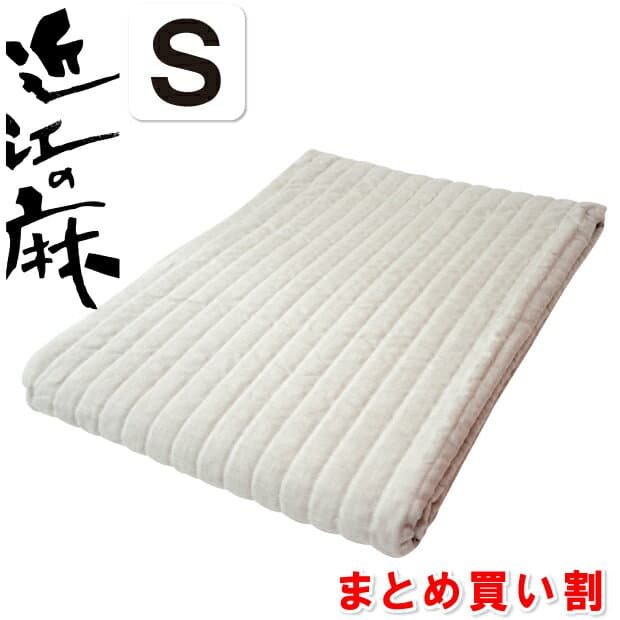
近江の麻 Linen Mattress Pad
【近江の麻】本麻敷パッド シングル 麻100%/麻わた100%/近江の麻/滋賀県/近江/涼感/ウォッシャブル/夏用/爽快/リネン/吸湿速乾/さらさら/さわやか/丸洗い/綿100%/天然素材/ナチュラル/日本製/ラミー
Single, 100 x 205 cmふとんのどれみ
4.8 / 98 reviews
Japanese name近江の麻
In Shiga’s Kotō area, Omi no Asa takes shape through moist air, clear water, konnyaku starching, warp and weft, and related names such as Omi Chijimi and Omi Jofu.
Information last updated 120 days ago
3 images【近江の麻】本麻敷パッド シングル 麻100%/麻わた100%/近江の麻/滋賀県/近江/涼感/ウォッシャブル/夏用/爽快/リネン/吸湿速乾/さらさら/さわやか/丸洗い/綿100%/天然素材/ナチュラル/日本製/ラミー
Single, 100 x 205 cmふとんのどれみ
4.8 / 98 reviews
 3 images
抗菌防臭加工無料 近江の麻 本麻敷きパッド シングル 100×205 麻100% 日本製 敷きパッド 夏用 国産 シーツ 綿100% 洗える ひんやり 接触冷感 敷 パッド 麻綿 リネン 汗取り 送料無料 S シングル
Single, 100 x 205 cmふとん本舗伊月 快眠天国
4.8 / 66 reviews
 3 images
中わた量が選べる♪【GENSOU-S】近江の麻 本麻敷パッド シングル 100×205 リネン100% 麻わた100% ラミー 400g 500g 600g 【日本製】 GENSOU ヒンヤリ ひんやり 敷きパッド ウォッシャブル ベッドパッド 吸湿速乾 さらさら さわやか 丸洗い 天然繊維 いつきのふとん
Single, 100 x 205 cmふとんのどれみ
4.8 / 47 reviews
First time buying on Rakuten? How residents in Japan order →
Omi no Asa names an asa textile family from Shiga Prefecture, centered on Kotō communities such as Higashiomi and Aisho. Around Lake Biwa, clear river water, Suzuka mountain spring water, the Aichi River, and humid air matter because asa yarn can break when it becomes too dry. The cloth is understood through touch as much as geography: coolness against the skin, clear color, crisp yarn from konnyaku starching, and forms that range from apparel fabric to hats, bags, bedding, and handkerchiefs.
The Kotō textile area sits in the eastern side of Shiga, where Higashiomi, Aisho, and nearby communities connect to Lake Biwa through rivers and humid air. The work uses a landscape of clear water flowing to the lake, spring water from the Suzuka mountains, and the Aichi River. Because asa yarn is easier to break when dry, moisture becomes a practical condition for dyeing, warping, and weaving.
That climate also helps explain the sensory language attached to Omi no Asa and its nearby textile names. Beautiful color and a cool hand are grounded in water, humidity, yarn handling, and loom work; the place reaches the cloth through color, temperature against the skin, and fewer broken threads during work.
Kotō has been known as an asa textile area since the Muromachi period, while Shiga Prefecture also points to Kamakura-period accounts of asa cloth weaving. In the Edo period, Takamiya cloth grew under the protection of the Hikone domain and is linked with present-day Omi Jofu.
Production reached a peak in the Meiji period and then declined from the Taisho period onward as lifestyles and economic conditions changed. Present work in the area keeps older techniques in use through bleaching, dyeing, finishing, design, and new textile goods under names that include Omi no Asa, Omi Chijimi, and Omi Jofu.
Making Omi no Asa begins with yarn preparation and dyeing, then moves through starching, warping, loom setup, weaving, bleaching, finishing, and inspection. Woven cloth itself is made by interlacing warp and weft, so the character of the fabric depends on how the yarn is prepared before it reaches the loom.
Konnyaku starching uses material from konnyaku tuber dissolved in water and applied as a coating to yarn. Mainly used on asa yarn, the treatment gives luster, a moderate crisp feel, and coolness; it has also been used for kimono-length cloth, summer chijimi cushions, and bedding.
Within related Kotō techniques, Omi Chijimi is tied to shibo, the fine surface texture made with strongly twisted weft and hand-rubbing after weaving. The texture gives the cloth a visible unevenness and a cool feel that can be read by the hand.
Omi Jofu-related kasuri work brings pattern into the yarn before the cloth is complete. Comb-resist printing and stencil dyeing are part of that process, and the loom work requires aligning the patterned threads as warp and weft meet.
Omi no Asa appears in apparel fabric for men and women, hats, bags, and bedding. The name also covers handkerchiefs, sheets, and placemats made in Shiga from Shiga-produced asa cloth.
These everyday forms keep the textile close to the body and table: summer cloth touches skin, bedding holds the cool hand at night, and small items such as handkerchiefs and placemats make the same Kotō material present in daily handling.
The Kotō Textile Industrial Cooperative Association is based in Kakimi-cho, Higashiomi, and the Shiga Hemp Textile Industrial Cooperative Association is based in Echigawa, Aisho. Together with local companies, they place Omi Jofu, Omi no Asa, and Omi Chijimi within the same Kotō textile area.
At the Omi Jofu Traditional Industry Hall, visitors can see and try techniques connected with Omi Jofu. For a reader trying to understand Omi no Asa, that kind of encounter makes continuity concrete through looms, yarn, kasuri, hand-rubbing, and the organizations that keep the work visible.
Omi no Asa is clearest when place, process, and use are kept together. In Kotō, Lake Biwa humidity, Suzuka spring water, the Aichi River, konnyaku starching, warp and weft, shibo texture, and kasuri all give the textile family its shape. The same cloth world reaches daily life as apparel fabric, hats, bags, bedding, handkerchiefs, sheets, and placemats, carrying Higashiomi and Aisho into touchable form.
Compiled from public records and official sources; see the recognition links below. Details may change over time.
Where this product is officially registered, designated, or recognized in Japan.
Regional collective trademark
Registered as a Regional Collective Trademark with the Japan Patent Office.
Sources1
It is written as 近江の麻 in Japanese. Search Rakuten and other Japanese sites with that spelling — the English name will not bring up the listings.
Omi linen is a Shiga asa textile family tied to the Kotō area, including Higashiomi and Aisho. Lake Biwa humidity, Suzuka mountain spring water, and the Aichi River help handle asa yarn that can break when dry. Production runs from yarn preparation and dyeing to weaving, bleaching, and finishing, with konnyaku starching adding luster, crispness, and a cool hand. Kotō techniques, Omi Chijimi's shibo texture and Omi Jofu's kasuri, appear in cloth used for apparel, hats, bags, and bedding.
Kotō asa textile production traces through Muromachi-period recognition, Kamakura-period weaving, Edo-period Takamiya cloth protected by the Hikone domain, a Meiji-period peak, and a later decline. "Omi no Asa" also names finished goods, such as handkerchiefs, sheets, and placemats, made in Shiga from Shiga-produced asa cloth. Konnyaku starching dissolves konnyaku tuber material in water and coats the yarn, adding luster, crispness, and coolness to asa yarn. Full production also includes loom setup and inspection alongside yarn preparation, warping, weaving, and bleaching.
Omi linen is used for summer clothing and cloth items, and konnyaku-starched yarn suits summer materials because of its luster, crispness, and cooling feel. It also appears in home textiles such as sheets, placemats, bedding, and Omi Chijimi summer cushions. Visitors can see and try related production techniques at the Omi Jofu Traditional Industry Hall.
Naturally dyed textiles shed some colour on first wash. Hand-wash separately with a neutral detergent, avoid long soaking and bleach, and dry in the shade to prevent fading. Silk, ramie, and traditionally dyed pieces often need professional cleaning — the care label on the listing takes precedence.
Most options are shelf-stable, boxed, and travel well, so they suit gifting or bringing home. Confirm the final storage and delivery terms on the Rakuten listing.
On Rakuten: the shops listed here right now are ふとんのどれみ, ふとん本舗伊月 快眠天国. We don't sell directly; purchase, payment, stock, and delivery are all handled on the Rakuten product page.