 3 images
Chichibu Meisen Kashiwa Leaf Silk Parasol
【秩父銘仙】ほぐし織 先染め 絹織物 柏の葉 婦人 日傘 日本製 10本骨 寒竹手元 和装 和服 送料無料 贈答品 シルク 日本橋 銀座 還暦 傘寿 職人技 一点もの ハンドメイド 着物 国産 絆傘処 手作り 粋 絆屋
41 cm, 10 ribs日本橋 匠の絆屋
Japanese name秩父銘仙
In Saitama’s Chichibu area, cocoon silk, hogushi-ori, vivid patterns, museum displays, and an old brokerage-street building keep Chichibu Meisen visible in cloth and townscape.
Information last updated 7 days ago
3 images【秩父銘仙】ほぐし織 先染め 絹織物 柏の葉 婦人 日傘 日本製 10本骨 寒竹手元 和装 和服 送料無料 贈答品 シルク 日本橋 銀座 還暦 傘寿 職人技 一点もの ハンドメイド 着物 国産 絆傘処 手作り 粋 絆屋
41 cm, 10 ribs日本橋 匠の絆屋
 3 images
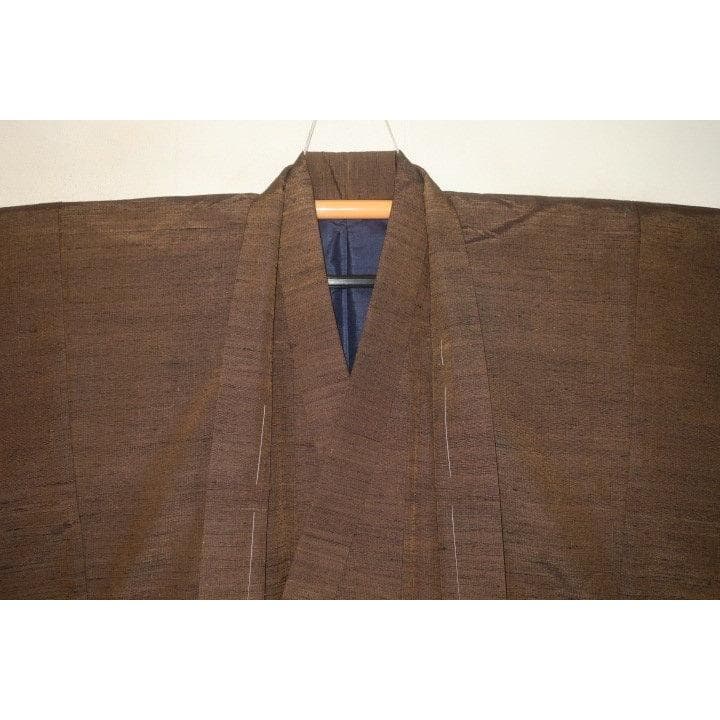
本絹秩父銘仙 男着物羽織 裄67丈138К褐色の粗細 絶品 証紙付き 新品 秩父逸見織物 新品アウトレット
brown, kimono length 138 cm, sleeve-to-sleeve 67 cm株式会社皆中 楽天市場店
First time buying on Rakuten? How residents in Japan order →
Chichibu Meisen begins in the Chichibu area of Saitama, a place connected with sericulture and weaving since the Edo period. Meisen is silk kimono cloth that can be traced back to cocoons, silk reeling, thread coloring, and weaving. In the Meiji 40s, hogushi-ori made vividly colored patterned meisen possible; before World War II, women wore meisen as going-out kimono, and in the early Showa period it appeared in women’s magazines and department-store events.
Chichibu Meisen is anchored first in Chichibu. Within Saitama, the Chichibu area is known as a place where meisen was produced, and the older ground beneath that textile is sericulture and weaving active since the Edo period. The cloth becomes easier to understand through concrete things: cocoons, silk thread, looms, kimono fabric, and the commercial streets that once gathered textile trade.
Meisen is silk textile, and its material path begins with a cocoon made by a silkworm. Around Chichibu Meisen are silk-reeling tools, tools used to color thread, and the weaving that turns prepared thread into patterned cloth. Before the finished kimono fabric appears, the work passes through cocoon, thread, color, and loom.
Hogushi-ori spread in the Meiji 40s and made vividly colored patterned meisen possible. Floral motifs, geometric patterns, and trend motifs belong to this visual field. The brightness of Chichibu Meisen is tied to process: colored thread is arranged and woven until the lively surface of the kimono cloth comes into view.
Before World War II, women wore meisen as kimono for going out. In the early Showa period, meisen was featured in women’s magazines and appeared in department-store events. These scenes place Chichibu Meisen inside changing dress taste: beside everyday cotton kimono, silk meisen carried vivid flowers, geometry, and fashionable patterning into public outings.
Chichibu still gives the textile concrete places. Chichibu Meisenkan stands in a Showa-period building in Kumaki-cho and presents Chichibu Meisen textiles and kimono. In Banba-cho, the former Chichibu Meisen branch building is a two-story wooden tile-roofed structure facing a street once called a brokerage street busy with Chichibu Meisen, preserving part of the old commercial district landscape.
Chichibu Meisen continues through new meisen cloth, revived antique patterns, designs shaped by Chichibu motifs, small goods made from meisen fabric, fashion shows, and high-loom demonstrations. Chichibu City also encourages use of Chichibu Meisen as a national traditional craft; tradition here is visible in specific forms: silk cloth, local patterning, working looms, and present-day uses.
The shape of Chichibu Meisen comes from linked places and actions: Chichibu’s sericulture and weaving background, the cocoon-to-thread material path, hogushi-ori pattern work, women’s going-out kimono, Chichibu Meisenkan in Kumaki-cho, and the old commercial trace in Banba-cho. The cloth holds together silk, color, tools, streets, and remembered ways of wearing kimono.
Compiled from public records and official sources; see the recognition links below. Details may change over time.
Where this product is officially registered, designated, or recognized in Japan.
Traditional craft
Designated a Traditional Craft (dentō kōgeihin) by Japan's Ministry of Economy, Trade and Industry.
Sources1
It is written as 秩父銘仙 in Japanese. Search Rakuten and other Japanese sites with that spelling — the English name will not bring up the listings.
Chichibu meisen is a silk meisen textile tied to the Chichibu area of Saitama Prefecture. Sericulture and weaving flourished there from the Edo period, giving rise to vividly patterned cloth using the hogushi-ori technique that spread in the Meiji 40s, with floral, geometric, and trend motifs. Before World War II, women wore meisen as going-out kimono. Today, Chichibu Meisenkan, the former branch building, new meisen, and revived patterns keep the craft visible.
Meisen's material path begins with cocoons and silk, with silk reeling, thread coloring tools, and weaving forming part of the production context. The Chichibu area is known within Saitama Prefecture as a meisen production place, alongside its Edo-period sericulture and weaving background. Chichibu Meisenkan in Kumaki-cho, Chichibu, is a Showa-period building that displays Chichibu Meisen textiles and kimono. The former Chichibu Meisen branch building in Banba-cho faces a street once busy with Chichibu Meisen brokerage trade and preserves part of the commercial district landscape.
Before World War II, women wore meisen as going-out kimono (yosoyuki). New Chichibu meisen is also made into small goods for everyday use.
Naturally dyed textiles shed some colour on first wash. Hand-wash separately with a neutral detergent, avoid long soaking and bleach, and dry in the shade to prevent fading. Silk, ramie, and traditionally dyed pieces often need professional cleaning — the care label on the listing takes precedence.
Most options are shelf-stable, boxed, and travel well, so they suit gifting or bringing home. Confirm the final storage and delivery terms on the Rakuten listing.
On Rakuten: the shops listed here right now are 日本橋 匠の絆屋, 株式会社皆中 楽天市場店. We don't sell directly; purchase, payment, stock, and delivery are all handled on the Rakuten product page.