 3 images
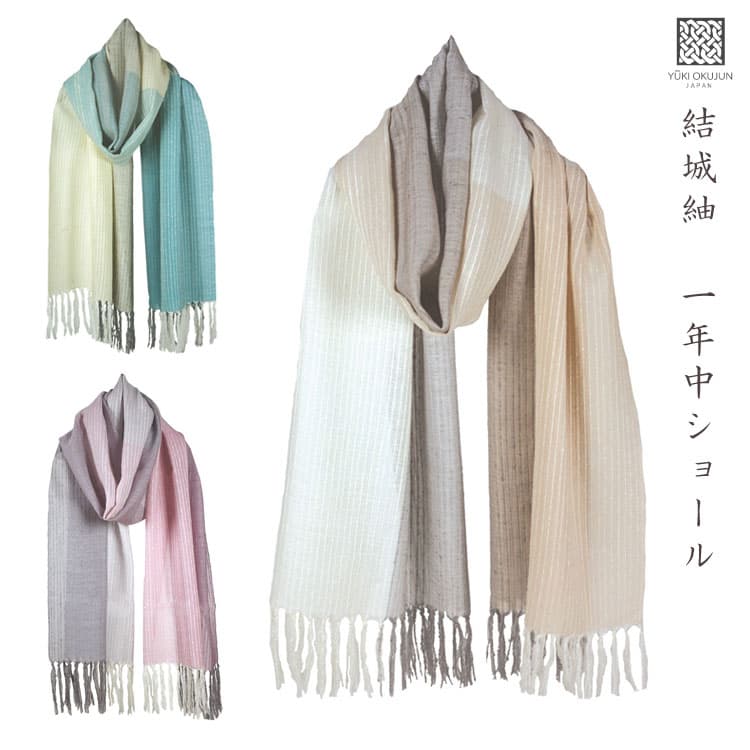
YUKIOKUJUN Yuki Tsumugi Silk All-Season Shawl
重要無形文化財 結城紬 一年中ショール ストール YUKIOKUJUN 絹織物 結城 送料無料 シルク フリンジ メンズ レディース 着物 和装 小物 ギフト プレゼント 5521-4C
approx. 175 x 45 cmエルベート ブルーレーベル
4.5 / 2 reviews
Japanese name結城紬
Yuki-tsumugi begins with silk floss drawn into untwisted thread, hand-tied kasuri, and ground-loom weaving controlled through the weaver’s waist.
Information last updated yesterday
3 images重要無形文化財 結城紬 一年中ショール ストール YUKIOKUJUN 絹織物 結城 送料無料 シルク フリンジ メンズ レディース 着物 和装 小物 ギフト プレゼント 5521-4C
approx. 175 x 45 cmエルベート ブルーレーベル
4.5 / 2 reviews
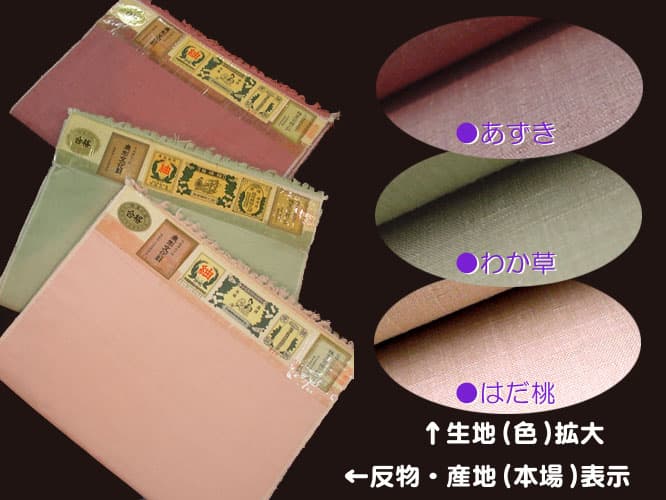
【お買い物マラソン】アウトレット特価+2000円OFFクーポンご利用可+ポイント5倍★ 結城紬「きもの」絢結城紬 紬 反物【色無地】 お茶席 お稽古 お出かけ 観劇 コンサート 同窓会 などにも 準礼装 カジュアル きもの
solid colorきもの処 紅葉堂
 3 images
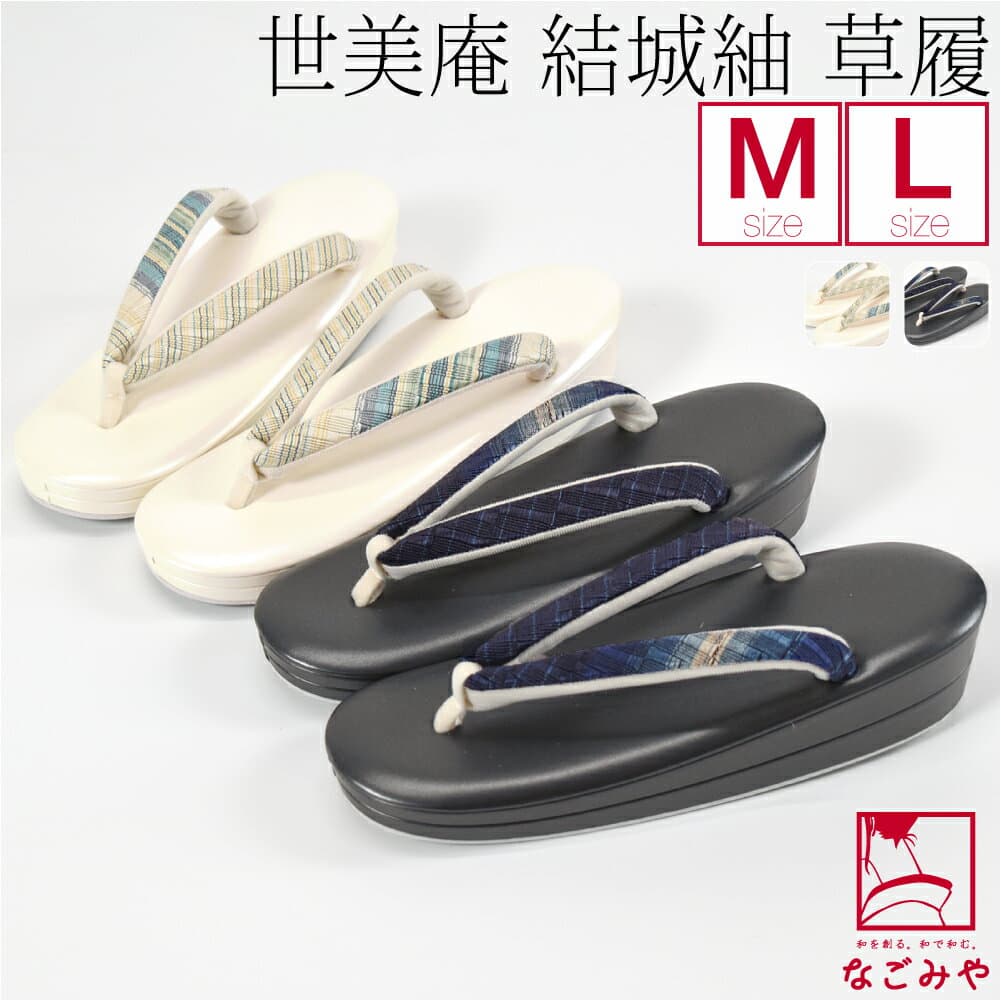
\楽天最大級SALE★お気に入り登録要/ カジュアル 草履 痛くない 通年用 日本製 [世美庵] 草履 正絹 結城紬 PU18 普段 履き 小紋 紬 おしゃれ 大人 レディース 女性
PU18着物なごみや
 3 images
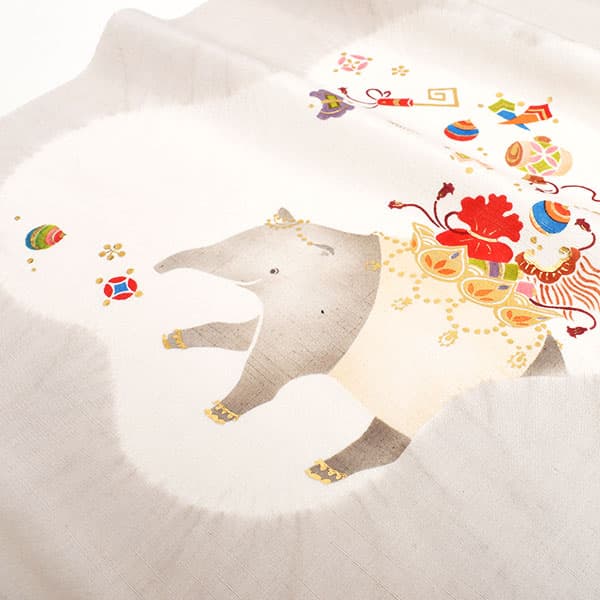
京都 きねや 謹製 本場結城紬 バクと宝尽くし 九寸 名古屋帯 グレー 【帯専門店おびや】お仕立て代込!送料・代引き無料!!【京都 きねや 謹製】【小紋・御召・紬】
Gray帯専門店おびや
5.0 / 2 reviews
 3 images
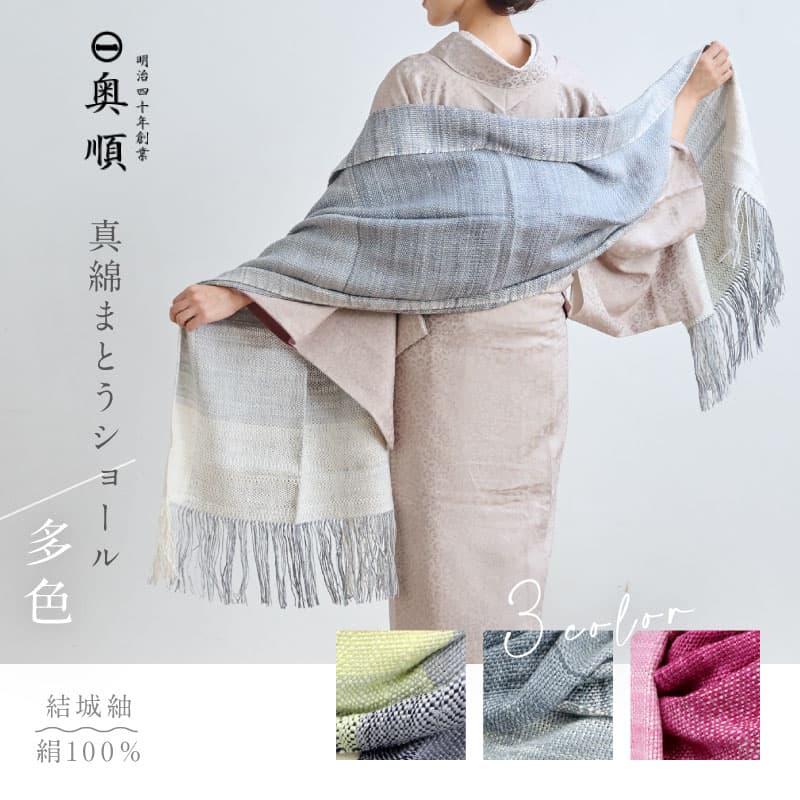
真綿まとうショール 『多色』 老舗ブランド 奥順謹製 結城紬 高級 大判 ショール ストール 絹100% 和装 洋装 着物 小紋 訪問着 着付け 羽織 着物コート 着物防寒 春 夏 秋 冬 通年 毛皮 着物ショール 道中着 ポンチョ 和装小物 プレゼント 誕生日 敬老 クリスマス 【IT】
multicolorきもの ふりく
5.0 / 1 reviews
First time buying on Rakuten? How residents in Japan order →
All 5 listings of this product on Rakuten, lowest price first.
| Listing | Price | Shop | Reviews | Open listing |
|---|---|---|---|---|
Semian Japan-Made Yuki Tsumugi Silk-Strap Casual Zori Sandals PU18Lowest price | ¥13,800 | 着物なごみや | View on Rakuten → | |
YUKIOKUJUN Yuki Tsumugi Silk All-Season Shawl approx. 175 x 45 cmGift-ready | ¥27,500 | エルベート ブルーレーベル | 4.5 / 2 reviews | View on Rakuten → |
Aya Yuki Tsumugi Iromuji Kimono Fabric Bolt solid color | ¥30,000 | きもの処 紅葉堂 | View on Rakuten → | |
Okujun Yuki Tsumugi Multicolor Mawata Silk Shawl multicolorGift-ready | ¥74,800 | きもの ふりく | 5.0 / 1 reviews | View on Rakuten → |
Kyoto Kineya Honba Yuki Tsumugi Nine-Sun Nagoya Obi with Baku and Treasure Motifs Gray | ¥154,000 | 帯専門店おびや | 5.0 / 2 reviews | View on Rakuten → |
Japanese · new tab
In and around Yuki City in Ibaraki, Yuki-tsumugi begins before the loom is set. In its plain-weave form, both warp and weft use untwisted thread drawn by fingertips from mawata silk floss. Kasuri patterns are tied into the yarn before weaving, and the cloth is woven on a ground loom. Its historical line reaches back to Hitachi ashiginu; by the Kamakura period, plain and sturdy cloth from the Yuki area was valued by Kanto warriors, and the area became a production center.
The older line of Yuki-tsumugi is often traced to Hitachi ashiginu, a silk cloth presented from Hitachi to the court. It later came to be called Hitachi tsumugi. In the Kamakura period, its plain look and durable practicality appealed to Kanto warriors, and the Yuki area became the center of production. By the Muromachi period, the name Yuki-tsumugi appeared in presentation contexts, and Edo-period refinement is tied to later recognition of the cloth as a high-grade tsumugi. The name carries a concrete place history: Hitachi, Yuki, warriors, tribute cloth, and a production area that kept weaving silk.
The touch of plain-weave Yuki-tsumugi starts with its yarn. Both warp and weft use untwisted thread drawn by fingertips from mawata silk floss. Yuki City also connects hand-spun untwisted thread with the fabric’s light and warm feel. Before dyeing patterns or setting the loom, the softness of mawata and the absence of twist already shape the cloth. The character of this silk textile begins in the fingertips, where floss becomes thread for the warp and weft.
In Yuki-tsumugi, pattern is prepared before the cloth exists. Kasuri yarn is tied by hand so that dyeing and weaving place the pattern inside the warp-and-weft structure. Yuki City names kasuri tying as one of the core hand processes, and the Ibaraki description also specifies hand-tied kasuri. The visible pattern belongs to the yarn’s path through the cloth. It is a plan carried into the loom by tied and dyed thread.
Ground-loom weaving makes the weaver’s body part of the textile. Yuki City describes cloth woven while the weaver adjusts tension through the waist, creating the light, warm texture associated with Yuki-tsumugi. The Ibaraki description also places the izari loom alongside hand-spun yarn and hand-tied kasuri as required techniques for the plain-weave form. Each shift of tension works with untwisted silk thread and the tied kasuri layout, leaving the finished cloth with a feel made by material, preparation, and body-controlled weaving together.
Kimono remain the clearest image of Yuki-tsumugi, and Yuki City also names card cases, wallets, bags, and neckties among the items made with the textile. These objects change the scale of contact. A full kimono wraps the body; a wallet opens in the hand, a card case appears at a meeting, a bag hangs from the shoulder, and a necktie sits at the collar. The same silk cloth can move through these forms while still carrying mawata thread, kasuri patterning, and the light warmth associated with the weave.
A related line appears around Joso City, formerly Ishige-machi, along the Kinugawa River. Ishige Yuki Tsumugi is described with a strong kasuri character, including weft kasuri, cross kasuri, and tortoiseshell kasuri, and with a workflow that includes dyeing, sizing, warping, kasuri making, loom preparation, and weaving. These details belong to the Ishige branch rather than every Yuki-tsumugi claim. They add a neighboring Ibaraki line: Yuki holds the central plain-weave context, while Ishige keeps a connected local textile practice around the river.
The production area is also held together by organizations. The Honba Yuki Tsumugi wholesalers’ cooperative describes itself as a bridge among the production area, the kimono trade, and people who appreciate Yuki-tsumugi for more than fifty years. The Ibaraki Honba Yuki Tsumugi weaving cooperative, based in Yuki City’s Kohanawa area, lists lectures, thread-spinning classes, and Honba Yuki Tsumugi exhibitions among its notices. These activities connect looms, wholesalers, learners, exhibitions, and wearers, keeping the textile visible beyond a single workshop.
Yuki-tsumugi can be understood through specific actions: drawing untwisted thread from mawata in the Yuki area, tying kasuri before weaving, and using the ground loom with tension adjusted by the weaver’s waist. Its timeline reaches from Hitachi ashiginu to the Yuki production area of the Kamakura period, and its present forms include kimono, card cases, wallets, bags, and neckties. Nearby Ishige Yuki Tsumugi along the Kinugawa River adds another Ibaraki branch, showing how place, thread, pattern, and organizations keep this silk textile in motion.
Compiled from public records and official sources; see the recognition links below. Details may change over time.
Where this product is officially registered, designated, or recognized in Japan.
Traditional craft
Designated a Traditional Craft (dentō kōgeihin) by Japan's Ministry of Economy, Trade and Industry.
Sources1
It is written as 結城紬 in Japanese. Search Rakuten and other Japanese sites with that spelling — the English name will not bring up the listings.
Yuki-tsumugi is a silk textile rooted in the Yuki area of Ibaraki. In the plain-weave form, warp and weft use untwisted thread drawn by fingertips from mawata silk floss; kasuri is tied by hand, and the cloth is woven on a ground loom with tension adjusted through the weaver's waist. Its history is linked to Hitachi ashiginu and the Yuki production area of the Kamakura period, and it appears in kimono as well as card cases, wallets, bags, and neckties.
Plain-weave Yuki-tsumugi uses untwisted thread drawn by fingertips from mawata silk floss for both warp and weft. Core hand processes for Yuki-tsumugi include thread spinning, kasuri tying, and ground-loom weaving. Yuki City links hand-spun untwisted yarn and waist-controlled ground-loom weaving with the cloth's light, warm texture. The historical line of Yuki-tsumugi is described through Hitachi ashiginu, with the Yuki area becoming a production center by the Kamakura period.
Yuki City lists kimono as a major use, alongside smaller items such as card cases, wallets, bags, and neckties. The hand-spun untwisted yarn and ground-loom weaving give the cloth a light, warm feel suited to cold-weather wearing. In the Ishige branch, weft kasuri, cross kasuri, and tortoiseshell kasuri patterns are noted, with finer kasuri regarded as carrying higher craft value, a point worth looking for when viewing the cloth.
Naturally dyed textiles shed some colour on first wash. Hand-wash separately with a neutral detergent, avoid long soaking and bleach, and dry in the shade to prevent fading. Silk, ramie, and traditionally dyed pieces often need professional cleaning — the care label on the listing takes precedence.
Most options are shelf-stable, boxed, and travel well, so they suit gifting or bringing home. Confirm the final storage and delivery terms on the Rakuten listing.
On Rakuten: the shops listed here right now are エルベート ブルーレーベル, きもの処 紅葉堂, 着物なごみや, 帯専門店おびや. We don't sell directly; purchase, payment, stock, and delivery are all handled on the Rakuten product page.