 3 images
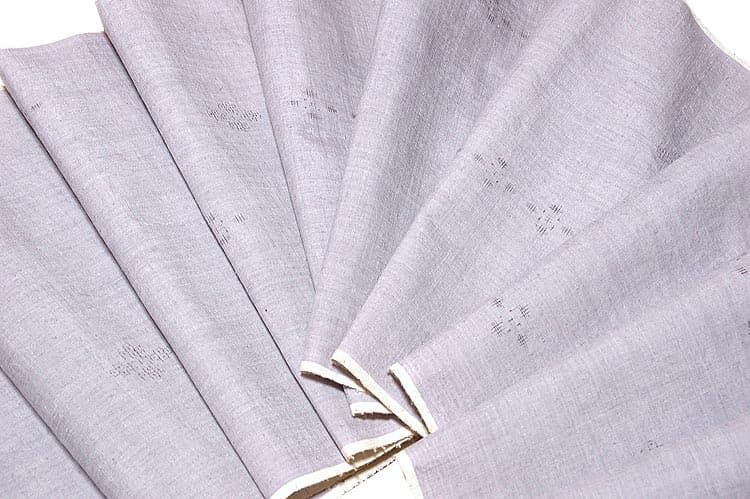
Okujun Honba Yuki Tsumugi 80 Kikko Silk Kimono Bolt
最高級品 80亀甲 重要無形文化財指定 奥順謹製 本場結城紬
wisteria color, unsewn和あそび 京水月
Japanese name本場結城紬
In Yuki City, Ibaraki, hand-spun untwisted silk, kasuri tying, and jibata loom work shape Honba Yuki-tsumugi for kimono, card cases, wallets, bags, and ties.
Information last updated yesterday
3 images最高級品 80亀甲 重要無形文化財指定 奥順謹製 本場結城紬
wisteria color, unsewn和あそび 京水月
 3 images
107-結城紬 重要無形文化財 本場結城紬 黒地飛び赤星柄 送料無料 手つむぎ糸、手くくりの絣、地機織りの技術は1956年に国の重要無形文化財に指定されました。 2010年にはユネスコ無形文化遺産に登録
black with red star patternきもの工芸 雁金屋
 3 images
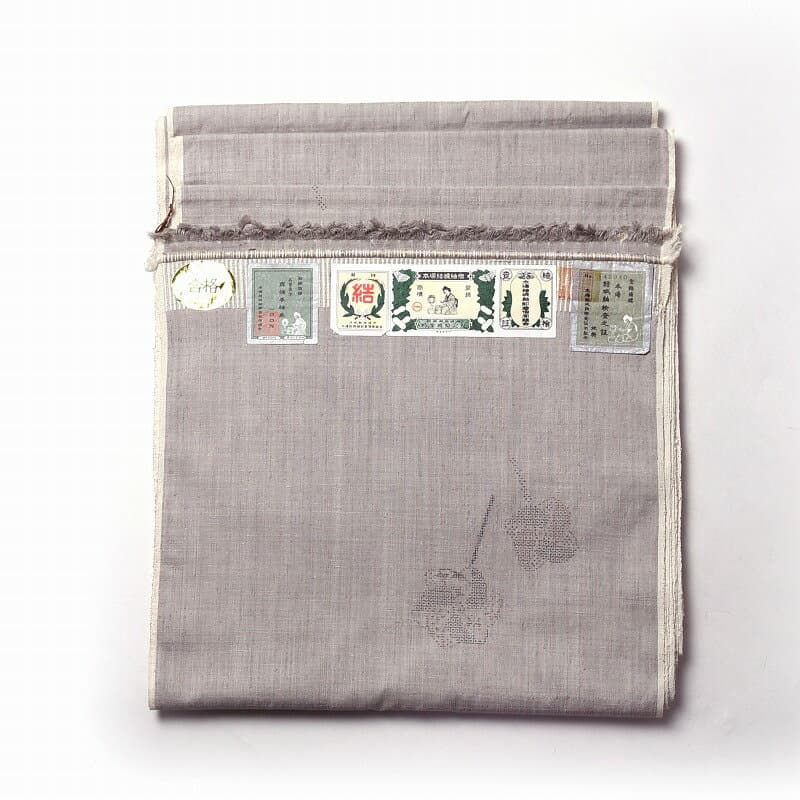
女性物 重要無形文化財指定 本場結城紬 地機 紬着尺 百亀甲(100亀甲) 奥順謹製 灰色 かざぐるま 身長170cm位まで、裄70.5cmまで 反物販売 カジュアル着物の最高峰
gray, 100-kikko boltさわらび〜ほりだし堂〜
 3 images
105 結城紬 重要無形文化財 本場結城紬 100亀甲飛び柄 地機 白地 手つむぎ糸、手くくりの絣、地機織りの技術は1956年に国の重要無形文化財に指定されました 2010年にはユネスコ無形文化遺産に登録!観劇やランチ、同窓会などに
100-kikko flying pattern, white groundきもの工芸 雁金屋
 3 images
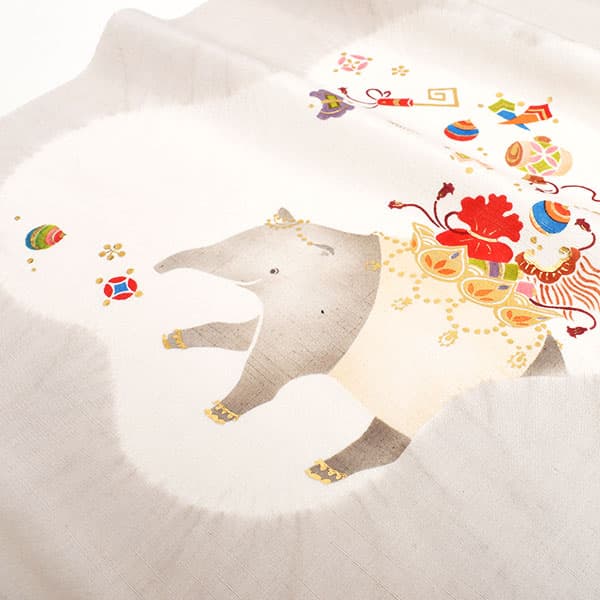
京都 きねや 謹製 本場結城紬 バクと宝尽くし 九寸 名古屋帯 グレー 【帯専門店おびや】お仕立て代込!送料・代引き無料!!【京都 きねや 謹製】【小紋・御召・紬】
Gray帯専門店おびや
5.0 / 2 reviews
First time buying on Rakuten? How residents in Japan order →
All 5 listings of this product on Rakuten, lowest price first.
| Listing | Price | Shop | Reviews | Open listing |
|---|---|---|---|---|
Kyoto Kineya Honba Yuki Tsumugi Nine-Sun Nagoya Obi with Baku and Treasure Motifs GrayLowest price | ¥154,000 | 帯専門店おびや | 5.0 / 2 reviews | View on Rakuten → |
Okujun Honba Yuki Tsumugi 80 Kikko Silk Kimono Bolt wisteria color, unsewn | ¥350,000 | 和あそび 京水月 | View on Rakuten → | |
Honba Yuki Tsumugi 100-Kikko Pinwheel Kimono Bolt by Okujun, Gray gray, 100-kikko bolt | ¥462,000 | さわらび〜ほりだし堂〜 | View on Rakuten → | |
Honba Yuki Tsumugi Kimono, Black with Red Star Pattern black with red star pattern | ¥850,000 | きもの工芸 雁金屋 | View on Rakuten → | |
Honba Yuki Tsumugi Silk Kimono Bolt, 100-Kikko Flying Pattern, White Ground 100-kikko flying pattern, white ground | ¥850,000 | きもの工芸 雁金屋 | View on Rakuten → |
Japanese · new tab
Honba Yuki-tsumugi is rooted in Yuki City and the Yuki region of Ibaraki. Its early form is said to have been ashiginu, silk cloth presented from Hitachi Province to the court in the Nara period; later known as Hitachi-tsumugi, it found a production center in the Yuki region by the Kamakura period. The textile is best approached through the work itself: floss silk drawn by hand into untwisted yarn, threads tied for kasuri patterns, and a weaver seated at a jibata loom using the waist to control tension. Those actions give the cloth its light, warm feel and connect full kimono fabric with smaller objects such as card cases, wallets, bags, and ties.
The history of Yuki-tsumugi is often traced to ashiginu, a silk cloth said to have been presented from Hitachi Province during the Nara period. The cloth later became known as Hitachi-tsumugi, and by the Kamakura period its plain appearance and durability appealed to warriors in the Kanto region while Yuki became the center of production. By the Muromachi period, cloth under the name Yuki-tsumugi was presented to the shogunate and Kanto Kanrei, and Edo-period improvements were followed by mention in the Wakan Sansai Zue. Here, tradition means named places, a durable cloth, and a written path around a woven object.
Honba Yuki-tsumugi depends on a sequence of hand processes. Thread spinning draws floss silk into yarn, kasuri tying prepares threads for patterning, and jibata weaving turns those prepared threads into cloth on a low loom. Yuki City identifies these three processes as central and says most of the work is done by hand; Tsumugi no Yakata also presents exhibitions focused on the three processes and fine kikko pattern work. The cultural meaning sits inside concrete actions: hands drawing fiber, tied threads, a loom, and repeated bodily control.
The fabric’s feel comes from hand-spun untwisted yarn and the way tension is controlled during jibata weaving. Untwisted yarn keeps a soft quality, and the weaver adjusts the loom with the force of the waist as the cloth is woven. Yuki City connects those details directly to the distinctive light and warm texture of Yuki-tsumugi. What the wearer experiences as warmth is tied to silk structure, hand spinning, loom tension, and the measured movement of the weaver.
Honba Yuki-tsumugi remains closely associated with kimono, while the same textile also appears in smaller woven goods. Yuki City names card cases, wallets, bags, ties, and other tsumugi products alongside kimono. In a tie or card case, the cloth brings thread and weave into an object held in the hand; in a kimono, the same light warmth sits against the body over a wider surface.
The techniques are still made visible through organizations in and around Yuki City. The Ibaraki Honba Yuki-tsumugi weaving cooperative is based in Yuki City and lists Honba Yuki-tsumugi exhibitions and thread-spinning classes; Tsumugi no Yakata also lists thread-spinning workshops and exhibitions centered on technique, including the three-process theme and fine two-hundred kikko work. These settings let visitors see the textile as a chain of actions: drawing silk, tying threads, and weaving on the loom.
The Honba Yuki-tsumugi name also helps people recognize the textile within the world of Yuki production, kimono trade, and enthusiasts. The wholesale cooperative presents the name together with the thread-spinning woman mark and a jibata plain-weave certificate. In reader terms, those signs point back to the production area, hand-spun yarn, flat-weave loom work, and a cooperative that has linked makers, sellers, and admirers for more than 50 years.
Honba Yuki-tsumugi is held together by Yuki’s place name, hand-spun untwisted silk, kasuri tying, waist-controlled jibata weaving, and the uses that carry the cloth from kimono to small objects. From ashiginu associated with Hitachi Province to present-day thread-spinning classes and exhibitions, its continuity rests in a practical chain of hands, loom, yarn, and cloth.
Compiled from public records and official sources; see the recognition links below. Details may change over time.
Where this product is officially registered, designated, or recognized in Japan.
Regional collective trademark
Registered as a Regional Collective Trademark with the Japan Patent Office.
Sources1
It is written as 本場結城紬 in Japanese. Search Rakuten and other Japanese sites with that spelling — the English name will not bring up the listings.
Honba Yuki-tsumugi is a silk textile associated with Yuki City and the Yuki region of Ibaraki. Its early form is said to have been ashiginu presented from Hitachi Province in the Nara period, and by the Kamakura period the Yuki region became a production center. Core processes include thread spinning, kasuri tying, and jibata weaving. Hand-spun untwisted yarn and waist-controlled loom tension create its light, warm feel, with uses including kimono, card cases, wallets, bags, and ties.
Honba Yuki-tsumugi is tied to Yuki City and the Yuki region in Ibaraki. The early form of Yuki-tsumugi is said to have been ashiginu presented from Hitachi Province during the Nara period. By the Kamakura period, the Yuki region became a production center, and the cloth was valued by Kanto warriors for plain appearance and durability. Thread spinning, kasuri tying, and jibata weaving are core hand processes for Honba Yuki-tsumugi.
Uses include kimono, card cases, wallets, bags, ties, and other tsumugi goods.
Naturally dyed textiles shed some colour on first wash. Hand-wash separately with a neutral detergent, avoid long soaking and bleach, and dry in the shade to prevent fading. Silk, ramie, and traditionally dyed pieces often need professional cleaning — the care label on the listing takes precedence.
Most options are shelf-stable, boxed, and travel well, so they suit gifting or bringing home. Confirm the final storage and delivery terms on the Rakuten listing.
On Rakuten: the shops listed here right now are 和あそび 京水月, きもの工芸 雁金屋, さわらび〜ほりだし堂〜, 帯専門店おびや. We don't sell directly; purchase, payment, stock, and delivery are all handled on the Rakuten product page.