Kasama Ware Kojima Eiichi Chick Small Rice Bowl
【笠間焼】小島 英一 『ごはん茶碗(小)』 ひよこ 陶器 笠間焼 茨城県 笠間市 陶器市 ひまつり 陶炎祭 ギフト 贈り物 プレゼント シンプル 白 かわいい お食い初め ごはん茶碗 子供用 電子レンジ
Small (10.5 x 5 cm)きらら館
5.0 / 3 reviews
¥1,100
View on Rakuten →Japanese · new tab
Japanese name笠間焼
Around Kasama City in Ibaraki Prefecture, sticky clay with iron fires into a brown-toned body, carrying Kasama ware from water jars and tea jars into tableware, interior pieces, and ceramic art.
Information updated 63 days ago
【笠間焼】小島 英一 『ごはん茶碗(小)』 ひよこ 陶器 笠間焼 茨城県 笠間市 陶器市 ひまつり 陶炎祭 ギフト 贈り物 プレゼント シンプル 白 かわいい お食い初め ごはん茶碗 子供用 電子レンジ
Small (10.5 x 5 cm)きらら館
5.0 / 3 reviews
¥1,100
View on Rakuten →Japanese · new tab
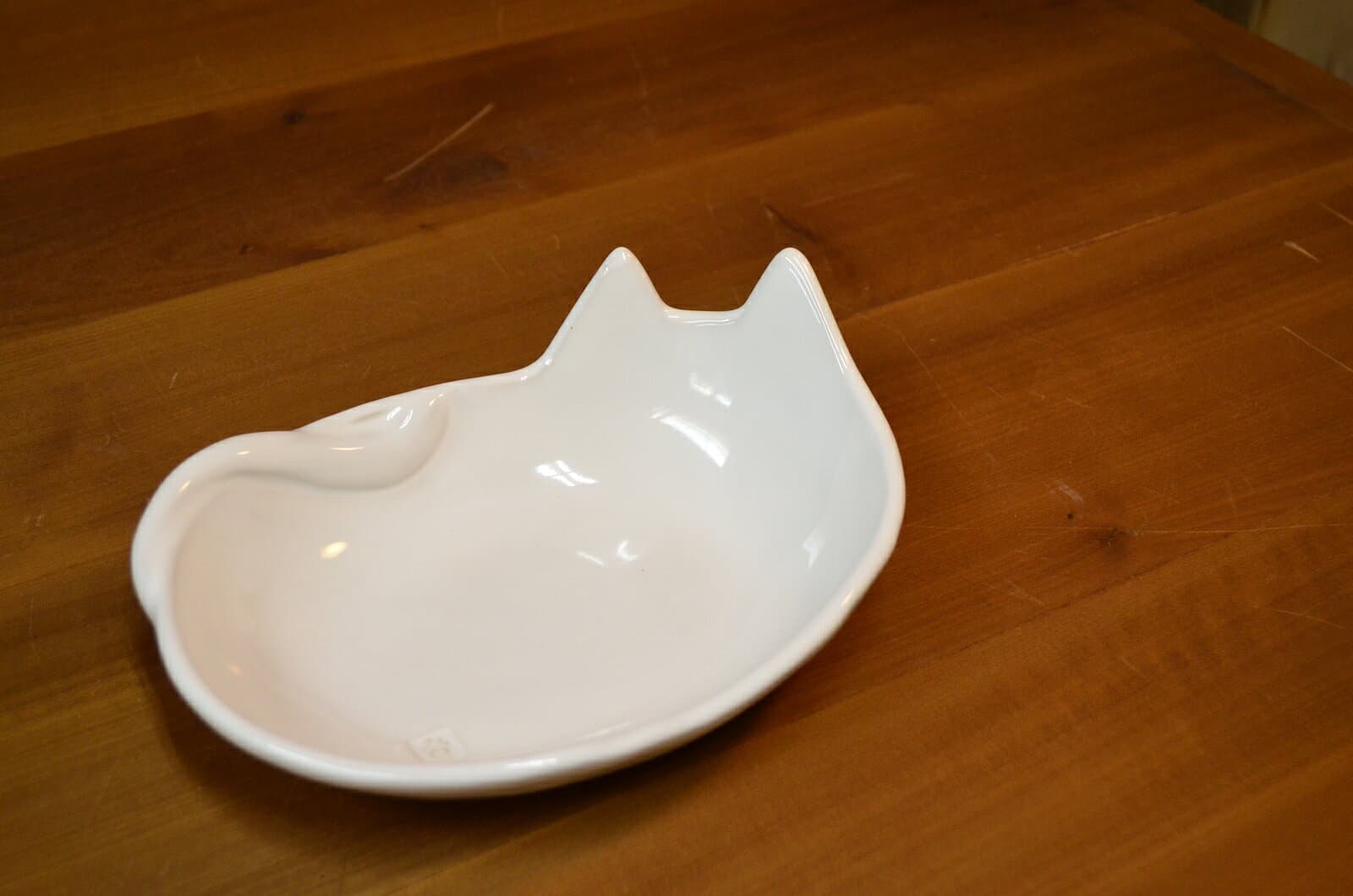
【笠間焼】Toshiko Brand『ねむりねこ皿(中)』 陶器 茨城県 カサマシコ 陶器市 ギフト 贈り物 シンプル 白 猫 ネコ かわいい ひまつり 陶炎祭 きらら館 ねこ展 プレゼント シンプル あじわい ぬくもり 食洗機対応 電子レンジ対応 手作り 御祝返し 結婚祝 誕生日 人気 女性
mediumきらら館
5.0 / 3 reviews
¥2,640
View on Rakuten →Japanese · new tab
笠間焼 ぐいのみ きつね 高橋協子(つばめ窯) ゆったり/うつぶせ 2柄 ぐいのみプレゼント ぐいのみ贈り物 ぐいのみプレゼント ぐいのみ好き ぐいのみコレクション 笠間焼うつわ 笠間焼陶器 きつねアイテム きつね柄 きつね好き きつねコレクション 送料無料 和雑貨 四季彩堂
relaxed/prone, 2 designs四季彩堂 楽天市場店
5.0 / 2 reviews
¥4,180
View on Rakuten →Japanese · new tab
Kasama ware belongs to the area around Kasama City in Ibaraki Prefecture, where fine, sticky gairo-me clay and Kasama clay give vessels their material base. The iron in the clay can turn the fired body brown, so flowing and layered glazes become part of how the surface is read. Older uses included vessels taken home by visitors to Kasama Inari Shrine, water jars, tea jars, kitchen goods, and everyday wares; the same ceramic town now holds a cooperative, a ceramics museum, learning programs, and dining scenes where local ingredients meet Kasama vessels.
Kasama ware is tied to the production area around Kasama City, Ibaraki Prefecture. The Kasama-yaki Cooperative has a city address at Kasama 2481-5, and the Ibaraki Ceramic Art Museum stands in Kasama Geijutsu no Mori Park. In one city, a producer organization, exhibitions, ceramics education, and vessels used for local ingredients keep the name Kasama connected to working clay rather than to a label alone.
The material base includes gairo-me clay and Kasama clay. The gairo-me clay is fine-grained and sticky, while Kasama clay contains iron; after firing, the body can take on a brown color, and the finished ware is described as strong and resistant to dirt. That brown body gives flowing glaze and layered glaze work a practical role: the surface carries the clay color, glaze thickness, and kiln heat together.
Earlier Kasama ware appeared as vessels for visitors to Kasama Inari Shrine and as water jars, tea jars, kitchen goods, and everyday miscellaneous ware. These forms depended on a durable clay body and on shapes suited to holding, storing, serving, and cleaning. At the Ibaraki Ceramic Art Museum restaurant, local ingredients are served in Kasama ware vessels, linking the older household uses of water, tea, and kitchens with a present-day table in Kasama.
The beginning is traced to the Edo period, when Chouemon, a potter from Shigaraki, taught pottery to Kuno Hanemon Michinobu, the headman of Hakoda village, now part of Kasama City. Under the protection of the Kasama domain, jars and large containers developed into everyday ware. After the war, potters from different regions came to Kasama, and prefectural pottery guidance facilities helped train people in the craft, broadening the town’s ceramic community.
The making sequence begins with digging and preparing clay, then kneading it before forming by wheel, mold-raising, or hand-building. Decoration can be added while the body is still soft, followed by drying and bisque firing at about 800 degrees for 10 to 15 hours. Underglaze painting, dipping or flowing glaze, and final firing at about 1250 to 1300 degrees for about 20 hours lead into cooling, finishing, and checks for cracks.
Kasama ware now includes vases, interior goods, and ceramic art objects as well as older household vessels. Newer techniques have also produced Kasama heat-resistant ware, clay pots, and ceramic plates. At the Ibaraki Ceramic Art Museum, learning materials and ceramics activities give students and visitors a way to connect those forms with clay preparation, forming, glazing, firing, and the finished vessel in hand.
Kasama ware is easiest to understand through the route from iron-rich clay to a usable vessel. The place is Kasama City and its surrounding production area; the material is sticky clay that can fire brown; the older objects include water jars, tea jars, kitchen goods, and everyday ware; the community widened after potters arrived from other regions. In the finished piece, flowing glaze and clay body keep those parts visible without turning the vessel away from daily use.
Compiled from public records and official sources; see the recognition links below. Details may change over time.
Where this selection is officially registered, designated, or recognized in Japan.
It is written 笠間焼 in Japanese. Search Rakuten and other Japanese sites with that spelling — the English name will not return the listings.
Porous earthenware is usually given a "medome" treatment first — simmer it gently in rice-rinsing water (or water with a little flour), then cool, rinse, and air-dry. This reduces staining and absorbed smells. Porcelain normally just needs a wash. Follow the listing where it says otherwise.
Handmade earthenware, pieces with gold or silver overglaze, and lacquerware generally should not go in a dishwasher, microwave, or heated drying cabinet; heat-resistant porcelain usually can. Check the Rakuten listing for the specific piece.
Kasama ware is a tableware from Ibaraki. We compile its regional connection and characteristics against official registries, local sources, and live Rakuten listings.
Most options are shelf-stable, boxed, and travel well, so they suit gifting or bringing home. Confirm the final storage and delivery terms on the Rakuten listing.
We don't sell directly. This page compiles Rakuten listings and affiliate links; purchase, payment, stock, and delivery all happen on the Rakuten listing.