 3 images
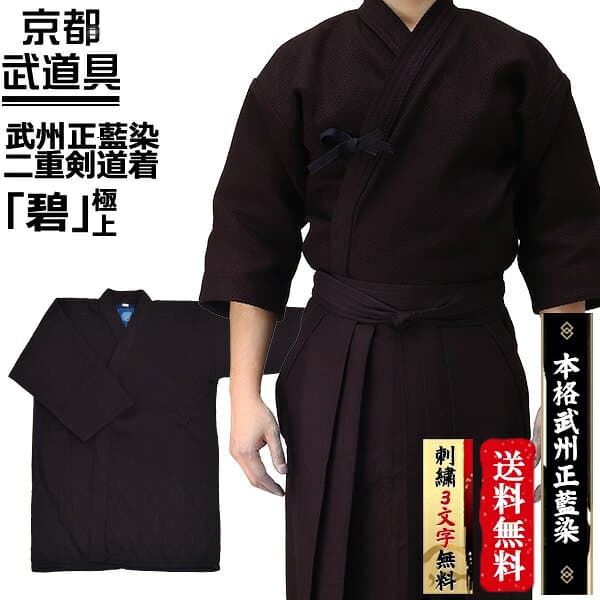
Bushu Shoaizome “Aoi” Premium Navy Double-Weave Kendo Gi
【剣道着】武州正藍染紺二重剣道着『碧』極上【剣道具・剣道着】
premium navy double-weave京都武道具
4.9 / 9 reviews
Japanese name武州正藍染
In northern Saitama, indigo leaves are fermented for dye, then worked through yarn dyeing and stencil dyeing into Bushu Shoaizome cloth for homes, clothing, and kendo wear.
Information last updated 125 days ago
3 images【剣道着】武州正藍染紺二重剣道着『碧』極上【剣道具・剣道着】
premium navy double-weave京都武道具
4.9 / 9 reviews
 3 images
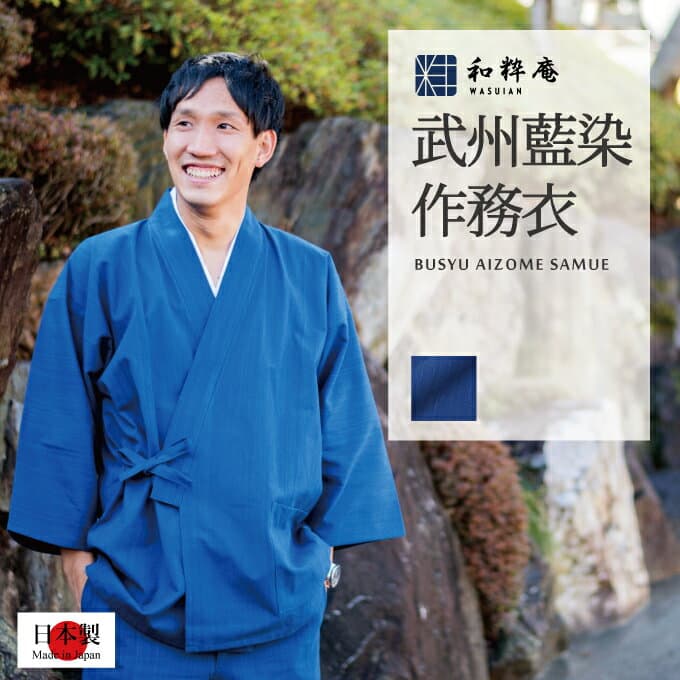
作務衣 2005 武州正藍染作務衣 日本製 和粋庵 父の日 ギフト・プレゼント メンズ 男性
asagi blue作務衣・甚平ブランド 和粋庵
5.0 / 3 reviews
 3 images
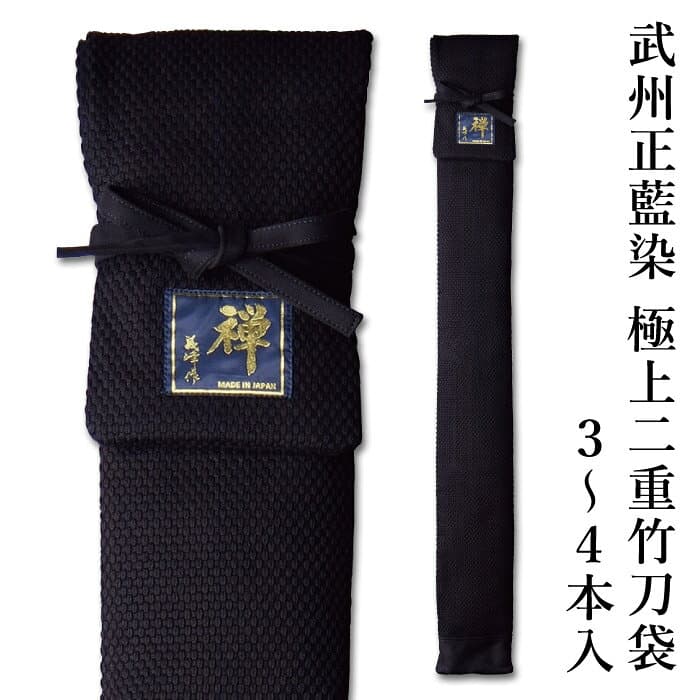
【加工所取寄せ品】 剣道 竹刀袋 武州正藍染 [禅] 極上二重 竹刀袋 3〜4本入
holds 3-4 shinai剣道屋.com
5.0 / 2 reviews
First time buying on Rakuten? How residents in Japan order →
Bushu Shoaizome belongs to the northern Saitama area around Hanyu, Kazo, and Gyoda. Indigo was cultivated there around the late Edo Tenmei period, and the craft is said to have begun with farm women making clothing for their families during quieter agricultural months. Over time, indigo leaves, natural fermentation, hand dyeing, yarn dyeing, and stencil dyeing carried household clothing work into the textile life of Bushu.
Hanyu, Kazo, and Gyoda give Bushu Shoaizome its clearest place setting. Around the late Edo Tenmei period, indigo was already grown in northern Saitama; the plant mattered because its leaves became dye, linking local fields with clothing work, dyers, and woven cloth.
The tradition here can be described in concrete terms: farm women made family clothing during slack agricultural seasons. At its height, indigo dyeing became a major industry across Bushu, centered on Hanyu, Kazo, and Gyoda, and the area once had more than two hundred dyers known as konya craftsmen.
The color of Bushu Shoaizome begins with indigo leaves. Dye taken from the leaves is fermented through a natural fermentation method and then used for hand dyeing; that handwork gives the cloth subtle texture, and the blue is described as becoming beautiful as it softens with use.
Natural fermentation names a specific dyeing step: indigo-leaf dye is fermented before it touches the yarn or cloth. Bushu indigo dyeing technique is also recognized as an intangible cultural property of Saitama Prefecture; the tangible meaning for a reader is the fermented indigo, the hand-dyed surface, and the blue that changes over time.
Bushu Shoaizome uses two main methods: yarn dyeing, in which the yarn is dyed before weaving, and stencil dyeing, in which the cloth is dyed after it has been woven. In Bushu, yarn dyeing accounts for about seventy percent of the work described by Hanyu City, while stencil dyeing can create folk-style patterns.
Yarn dyeing lets the blue enter the thread before the thread becomes cloth. A related description says makers loosen the yarn by hand and watch the dyeing condition as they work, allowing the color to reach the core; after weaving, that can produce natural blue stripes known as aojima.
Bushu Shoaizome appears as cloth and as finished everyday objects. Shoaizome textiles made in Hanyu, Kazo, and Gyoda are used for handkerchiefs, noren curtains, tablecloths, jackets, and shirts, placing the same deep blue near the hand, doorway, table, and body.
Those uses give the craft a practical shape. A handkerchief carries the hand-dyed blue in a small object, a noren hangs the cloth in a room or entrance, a tablecloth brings the color to the table, and jackets and shirts make Bushu indigo part of daily clothing.
Hanyu City describes Bushu kon-ori as a simple woven cloth made from traditional indigo shades, and notes its use in kendo wear. As shuttles pass weft threads through thousands of warp threads, the restrained blues become a woven surface with a plain, sturdy presence.
Another description connects Bushu Shoaizome with durability and practical use in kendo clothing. That practicality rests in specific things: martial-arts garments, yarn dyeing, color reaching the core of the thread, and the natural blue stripes that can appear after weaving.
One present-day point of contact is the dyeing workshop at Hanyu City Plaza. Each year, third- or fourth-grade children from eleven elementary schools in Hanyu dye handkerchiefs there; the vivid blue enters their school life through a small piece of cloth made by hand.
The Bushu Textile Industrial Cooperative was established in Showa 24. In Hanyu City’s January 2018 description, it had eight members, six in Hanyu and two in Kazo. The numbers should stay modest, but they show a concrete local frame: named cities, a cooperative, a workshop, and children still meeting indigo through handkerchief dyeing.
From the indigo-growing setting of Hanyu, Kazo, and Gyoda to natural fermentation, yarn dyeing, stencil dyeing, blue stripes, handkerchiefs, noren, and kendo wear, Bushu Shoaizome keeps its deep blue close to everyday objects. Its cultural meaning is concrete: northern Saitama place names, farm-family clothing work, the memory of more than two hundred konya dyers, and children dyeing a single blue handkerchief in Hanyu today.
Compiled from public records and official sources; see the recognition links below. Details may change over time.
Where this product is officially registered, designated, or recognized in Japan.
Regional collective trademark
Registered as a Regional Collective Trademark with the Japan Patent Office.
Sources1
It is written as 武州正藍染 in Japanese. Search Rakuten and other Japanese sites with that spelling — the English name will not bring up the listings.
Bushu indigo dyeing is an indigo textile craft tied to the Hanyu, Kazo, and Gyoda area of northern Saitama. Indigo was grown there around the late Edo Tenmei period, and the craft is said to have begun with farm women making family clothing during slack agricultural seasons. The dye is made from fermented indigo leaves and applied by hand, using both yarn dyeing and stencil dyeing methods, with yarn dyeing making up about seventy percent of Bushu production.
Yarn dyeing colors the thread through to its core, which can produce natural blue stripes once the fabric is woven. Bushu indigo textiles are used for handkerchiefs, noren curtains, tablecloths, jackets, and shirts. Bushu kon-ori and Bushu Shoaizome are both linked to kendo wear. Elementary school children in Hanyu, in third or fourth grade, dye handkerchiefs each year at a workshop in Hanyu City Plaza.
Because of its durability, Bushu Shoaizome has been used nationwide for kendo wear. Textiles from Bushu Shoaizome are made into handkerchiefs, noren curtains, tablecloths, jackets, and shirts for everyday use. School children in Hanyu practice dyeing handkerchiefs at the local dyeing workshop as a hands-on craft experience.
Naturally dyed textiles shed some colour on first wash. Hand-wash separately with a neutral detergent, avoid long soaking and bleach, and dry in the shade to prevent fading. Silk, ramie, and traditionally dyed pieces often need professional cleaning — the care label on the listing takes precedence.
Most options are shelf-stable, boxed, and travel well, so they suit gifting or bringing home. Confirm the final storage and delivery terms on the Rakuten listing.
On Rakuten: the shops listed here right now are 京都武道具, 作務衣・甚平ブランド 和粋庵, 剣道屋.com. We don't sell directly; purchase, payment, stock, and delivery are all handled on the Rakuten product page.