 3 images
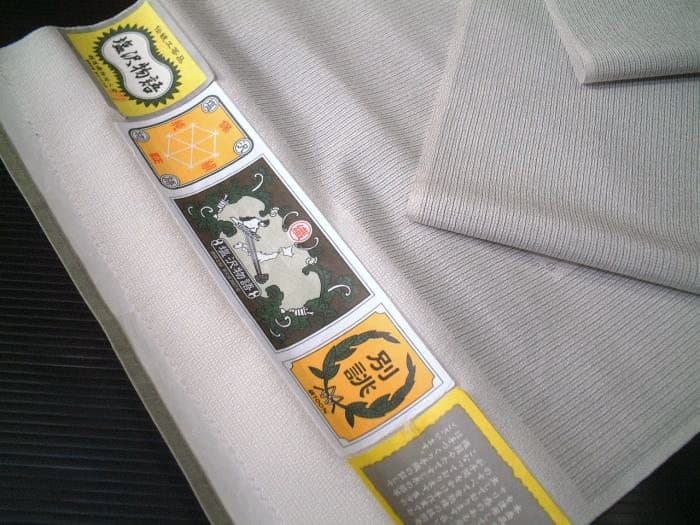
Shiozawa Tsumugi Black Mosquito Kasuri Temple Motif Kimono
塩沢紬 袷フルオーダーお仕立て付き 蚊絣 お寺 黒色 お洒落着物 【着物/和服/遊び着/カジュアル】【裄70.5cmまで】 送料込み
lined full custom tailoring included, sleeve length up to 70.5 cmさわらび〜ほりだし堂〜
Japanese name塩沢紬
In Shiozawa, Minamiuonuma, raw silk, tama yarn, and hand-spun mawata silk pass through pre-dyeing, tying, dye rubbing, and takahata loom work to become finely patterned kimono cloth.
Information last updated 120 days ago
3 images塩沢紬 袷フルオーダーお仕立て付き 蚊絣 お寺 黒色 お洒落着物 【着物/和服/遊び着/カジュアル】【裄70.5cmまで】 送料込み
lined full custom tailoring included, sleeve length up to 70.5 cmさわらび〜ほりだし堂〜
 3 images
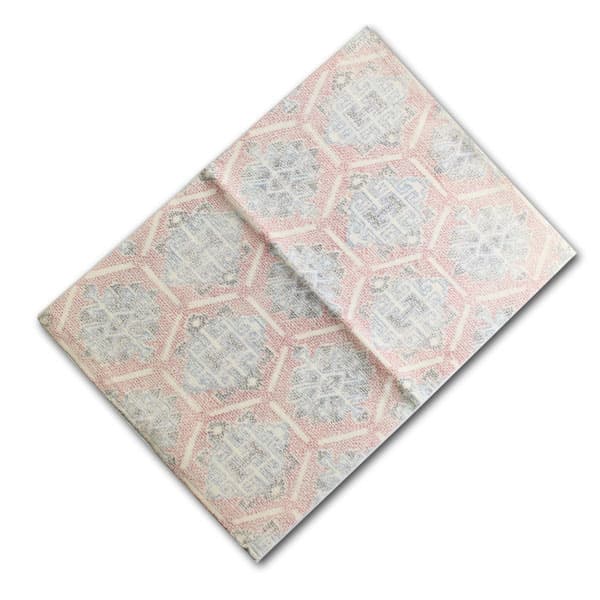
【送料無料】新品!正絹塩沢紬小紋着尺●粋な白地幾何学模様●ko108
white geometric pattern大阪のきものやさん〜だるまや〜
 3 images
正絹塩沢紬はぎれ生成り色系【メール便OK】key-09
natural color, approx. 73 x 36 cmきもの日和
First time buying on Rakuten? How residents in Japan order →
Shiozawa Tsumugi is a silk kasuri textile from the Shiozawa production area of Minamiuonuma, Niigata, made mainly as kimono cloth. Its character sits in concrete materials and work: raw silk or tama yarn for the warp, hand-spun mawata silk for the weft, plain weaving after yarn dyeing, and kasuri threads aligned one by one on a takahata loom. Cross kasuri, tortoise-shell kasuri, and the tiny patterning called mosquito kasuri give the cloth a detail that appears slowly at close range.
Shiozawa Tsumugi belongs to the Shiozawa textile area of Minamiuonuma City in Niigata Prefecture. It is a silk kasuri weave used mainly for kimono cloth; within the wider Shiozawa weaving context, it is discussed alongside Hon-Shiozawa, while its own surface comes from hand-spun mawata silk and fine kasuri patterning. Its 1975 designation as a national traditional craft is best read as background that clarifies place, material, and technique boundaries after the fabric itself has been understood through yarn and loom work.
The weaving background of Shiozawa is often traced through Echigo Jofu: hemp cloth woven in the region in the Nara period is preserved at the Shosoin in Nara. Shiozawa Tsumugi is described as a silk textile made by applying techniques from that hemp weaving tradition; one account says it began in the Edo period, while the Shiozawa Tsumugi Memorial Museum places the creation of mawata-yarn Shiozawa Tsumugi in the Meiwa years of the Edo period. Here, tradition means a specific technical passage in Shiozawa, from hemp cloth to silk cloth, and from fiber handling to dyed yarn and woven pattern.
For Shiozawa Tsumugi, the warp uses raw silk or tama yarn, and the weft uses hand-spun mawata silk. The mawata yarn is drawn out by hand while the silk floss is opened with the fingers; the pressure and movement of that drawing decide the fineness of the thread. Once placed into the weft, this yarn gives the cloth a soft, lightly full touch, and the difference between warp and weft materials helps explain the textile’s distinctive feel.
Shiozawa Tsumugi is woven after the yarn has been dyed, so the pattern must be planned before the loom begins. The work starts with a design on graph paper, where the positions of kasuri and the lengths of yarn are set; a kasuri ruler is then made from that design. Threads are marked with ink along the ruler, tied by hand at the marked points, or rubbed with dye using a bamboo spatula; board clamping is another listed method for dyeing kasuri yarns. These actions break the future motif into marks on individual threads before the pattern is reassembled in woven cloth.
Dyed ground yarns and kasuri yarns are prepared as wound bundles and set on the takahata loom before weaving can begin. A standard Shiozawa Tsumugi setup uses about 1,260 warp threads, and the weft is beaten in with a hand-thrown shuttle. The maker sends the shuttle across and aligns each kasuri thread with the motif; the calm surface of the finished cloth depends on yarn length, ink marks, warp order, and repeated shuttle movement working together.
Shiozawa Tsumugi is often described through cross kasuri, tortoise-shell kasuri, and mosquito kasuri. The cross and tortoise-shell names point to small geometric forms, while mosquito kasuri refers to especially fine kasuri marks. These patterns are not applied after weaving; they appear when threads dyed by tying, dye rubbing, or board clamping meet in plain weave. The quiet refinement associated with Shiozawa weaving comes from these small changes of yarn color and the careful alignment on the loom.
Near JR Shiozawa Station, the Shiozawa Tsumugi Memorial Museum gathers displays of Shiozawa weaving and its techniques in one place. Its second floor shows the steps by which textiles are made, and visitors can encounter loom-weaving practice there. For understanding Shiozawa Tsumugi, the setting places mawata yarn, kasuri preparation, the takahata loom, and patterned cloth back beside the streets of Shiozawa in Minamiuonuma, instead of leaving the textile as a name alone.
The fineness of Shiozawa Tsumugi comes from a chain of work in Shiozawa, Minamiuonuma: mawata silk is drawn into thread, raw silk or tama yarn becomes the warp, designs are translated into ink marks and hand ties, and dyed kasuri threads are aligned on the takahata loom. When cross, tortoise-shell, and mosquito kasuri appear in kimono cloth, they carry the touch of a place where techniques associated with Echigo Jofu were adapted into silk weaving.
Compiled from public records and official sources; see the recognition links below. Details may change over time.
Where this product is officially registered, designated, or recognized in Japan.
Traditional craft
Designated a Traditional Craft (dentō kōgeihin) by Japan's Ministry of Economy, Trade and Industry.
Sources1
It is written as 塩沢紬 in Japanese. Search Rakuten and other Japanese sites with that spelling — the English name will not bring up the listings.
Shiozawa Tsumugi is a silk kasuri textile from the Shiozawa area of Minamiuonuma, Niigata, made mainly as kimono cloth. It uses raw silk or tama yarn for the warp and hand-spun mawata silk for the weft. After pre-dyeing, ink marking, hand tying, dye rubbing, or board clamping, the yarns are woven on a takahata loom with a hand-thrown shuttle to form cross, tortoise-shell, and fine mosquito kasuri motifs.
Shiozawa Tsumugi is described as applying Echigo Jofu hemp-weaving techniques to silk weaving, beginning in the Edo period. According to the Shiozawa Tsumugi Memorial Museum, mawata-yarn Shiozawa Tsumugi took shape in the Meiwa years. Hand-spun mawata silk is drawn from opened silk floss with the fingers, and the hand's pressure determines the thread's thickness. A standard Shiozawa Tsumugi setup uses about 1,260 warp threads.
Shiozawa Tsumugi is worn mainly as kimono cloth, showing its pre-dyed plain-weave kasuri patterns. When worn or viewed, the fine cross, tortoise-shell, and mosquito kasuri motifs give a calm, restrained pattern. At the Shiozawa Tsumugi Memorial Museum, visitors can feel the soft texture of hand-spun mawata silk, watch the weaving steps, and try loom weaving themselves.
Naturally dyed textiles shed some colour on first wash. Hand-wash separately with a neutral detergent, avoid long soaking and bleach, and dry in the shade to prevent fading. Silk, ramie, and traditionally dyed pieces often need professional cleaning — the care label on the listing takes precedence.
Most options are shelf-stable, boxed, and travel well, so they suit gifting or bringing home. Confirm the final storage and delivery terms on the Rakuten listing.
On Rakuten: the shops listed here right now are さわらび〜ほりだし堂〜, 大阪のきものやさん〜だるまや〜, きもの日和. We don't sell directly; purchase, payment, stock, and delivery are all handled on the Rakuten product page.