 3 images
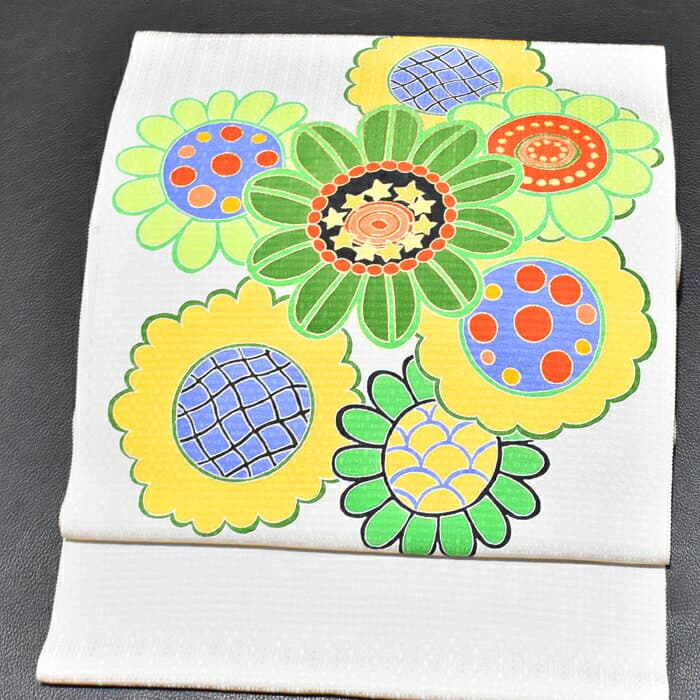
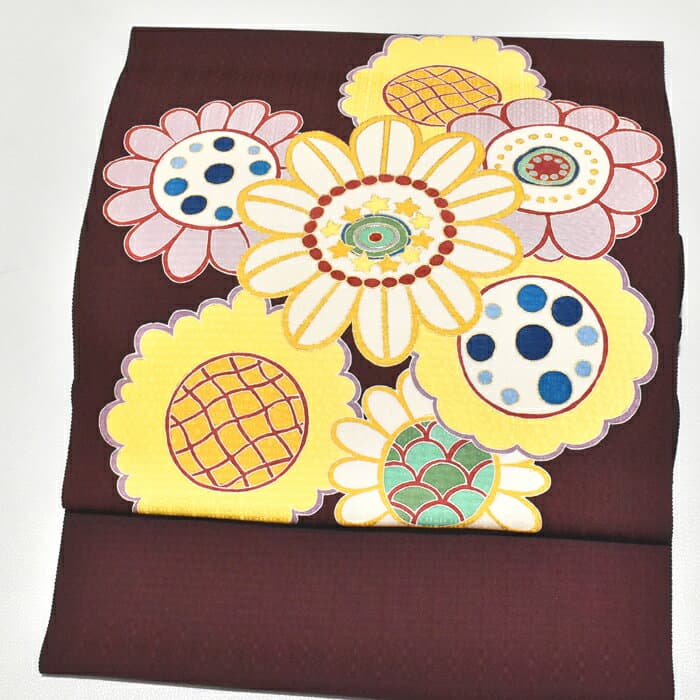
Kyo Tegaki Yuzen Pure Silk Nagoya Obi with Sunflower Embroidery
刺繍入染帯<日本の絹>九寸名古屋帯 高級白生地 特殊織 京手描友禅 京都工芸染匠謹製 染め帯 京友禅 正絹 向日葵【お仕立代無料&送料無料&代引料無料】新品当然未使用 九寸帯 女性用 色無地用 小紋用 カジュアル帯 ひまわり 京手描き友禅 日本製 日本で織り且つ染めた物
nine-sun obi帯と着物の専門店 和門なかむら
Japanese name京手描友禅
Kyoto hand-painted Yuzen begins with Kyoto’s silk and dyeing setting, then builds a kimono or dyed obi through blueflower sketches, itome paste, brush coloring, gofun white, and gold or silver foil.
Information last updated 121 days ago
3 images刺繍入染帯<日本の絹>九寸名古屋帯 高級白生地 特殊織 京手描友禅 京都工芸染匠謹製 染め帯 京友禅 正絹 向日葵【お仕立代無料&送料無料&代引料無料】新品当然未使用 九寸帯 女性用 色無地用 小紋用 カジュアル帯 ひまわり 京手描き友禅 日本製 日本で織り且つ染めた物
nine-sun obi帯と着物の専門店 和門なかむら
 3 images
刺繍入染帯<日本の絹>九寸名古屋帯 高級白生地 特殊織 京手描友禅 京都工芸染匠謹製 染め帯 京友禅 正絹 向日葵【お仕立代無料&送料無料&代引料無料】新品当然未使用 九寸帯 女性用 色無地用 小紋用 カジュアル帯 ひまわり 京手描き友禅 日本製 日本で織り且つ染めた物
9-sun Nagoya obi帯と着物の専門店 和門なかむら
First time buying on Rakuten? How residents in Japan order →
When Heian-kyo became the capital in 794, the Oribe-no-tsukasa textile office was established and silk weaving grew in Kyoto. Within that setting of cloth and dye, Kyoto hand-painted Yuzen developed around hand-drawn, multicolor pattern dyeing on silk, with color that remains flexible on the fabric. Names connected with Yuzen and Yuzensai appear in books from around 1680 and 1686, and Miyazaki Yuzensai, a fan painter associated with Gion, is linked with freer motifs and rich color.
Compiled from public records and official sources; see the recognition links below. Details may change over time.
Where this product is officially registered, designated, or recognized in Japan.
Regional collective trademark
Registered as a Regional Collective Trademark with the Japan Patent Office.
Sources1
It is written as 京手描友禅 in Japanese. Search Rakuten and other Japanese sites with that spelling — the English name will not bring up the listings.
Kyoto hand-painted Yuzen is a Kyoto textile dyeing family rooted in the city's silk environment after the Heian capital was established in 794. Its making can include blueflower underdrawing, itome paste resist, hikizome, sashi-yuzen with brushes and hake, gofun white, and gold or silver foil work. A kimono passes through multiple artisan processes, and the Kyoto Hand-painted Yuzen Cooperative in Nakagyo ward continues the craft through exhibitions, courses, dyeing classes, and successor training.
Names connected with Yuzen and Yuzensai appear in publications from around 1680 and 1686. Miyazaki Yuzensai is associated with a Gion fan painter and with freer motifs and rich color. Itome-nori paste is placed along the sketch to keep dye from bleeding across the drawn line. Gold work can use gold and silver foil, including kinkukuri, pressed foil, cut foil, rubbed foil, and sunago techniques.
In training, students typically make dyed obi during the first two years before advancing to visiting kimono. Kyo hand-painted Yuzen dyeing began as hand dyeing, then stencil dyeing developed in the early Meiji period, followed by machine printing techniques. Free multicolor pattern expression and rich color, together with the contours and details shaped by line drawing and itome paste, are central to appreciating the craft.
Naturally dyed textiles shed some colour on first wash. Hand-wash separately with a neutral detergent, avoid long soaking and bleach, and dry in the shade to prevent fading. Silk, ramie, and traditionally dyed pieces often need professional cleaning — the care label on the listing takes precedence.
Most options are shelf-stable, boxed, and travel well, so they suit gifting or bringing home. Confirm the final storage and delivery terms on the Rakuten listing.
On Rakuten: the shops listed here right now are 帯と着物の専門店 和門なかむら. We don't sell directly; purchase, payment, stock, and delivery are all handled on the Rakuten product page.