 3 images
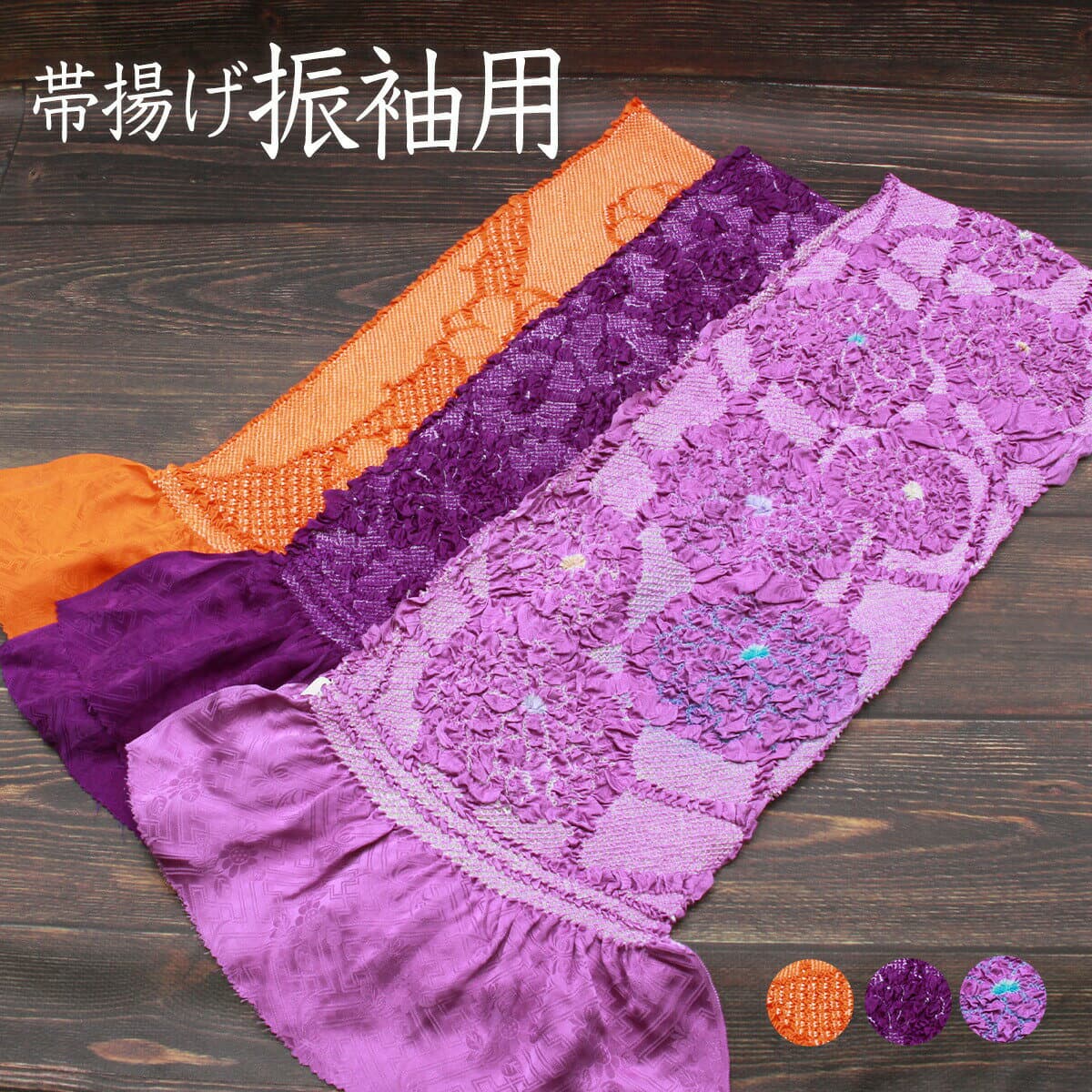
Asukaya Kyo Kanoko Shibori Silk Obiage for Furisode
帯揚げ振袖用京鹿の子絞総絞りあすかや[商品番号coa4621]
color options: carrot, violet, iris purpleあすかや
Japanese name京鹿の子絞
Kyo Kanoko Shibori grows from Kyoto production areas, hand tying, and immersion dyeing. A drawn design, raw-silk thread, resisted points, raised grains, and wrinkles give the cloth its spotted surface.
Information last updated 120 days ago
3 images帯揚げ振袖用京鹿の子絞総絞りあすかや[商品番号coa4621]
color options: carrot, violet, iris purpleあすかや
 3 images
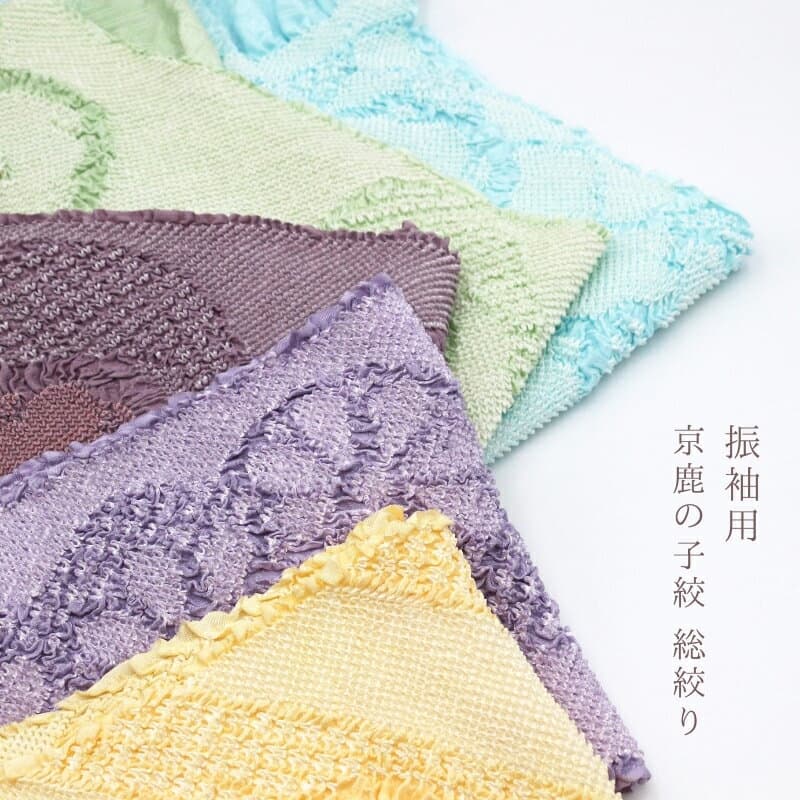
帯揚げ 振袖用 京鹿の子絞 総絞り あすかや[商品番号coa0049]
あすかや
 3 images
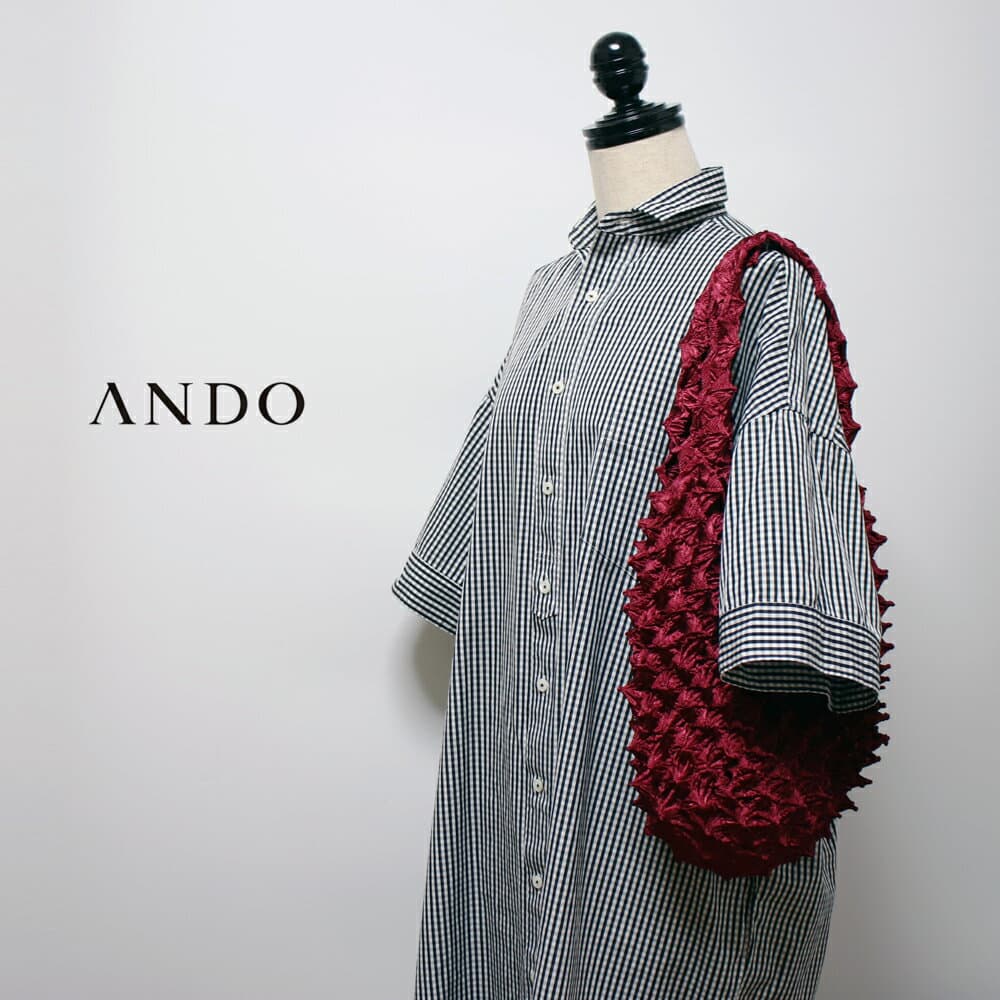
[ネコポスOK] ANDO BAI-SHIBORI BAG( 貝絞り バッグ )【 ばいしぼり 京鹿の子絞 エコバッグ サブバッグ コンパクト 京都 老舗 帯あげ アンドウ株式会社】
雑貨のお店セレクト・ペンギン
First time buying on Rakuten? How residents in Japan order →
Kyo Kanoko Shibori brings Kyoto places and kanoko spots into one textile name. Its listed manufacturing areas include Kyoto City, Kameoka, Kyotanabe, Kizugawa, Nantan, Kyotango, Ayabe, Joyo, Ide, Kasagi, Wazuka, and other parts of Kyoto Prefecture. Kanoko refers to finished spots likened to those on a fawn, while the making begins with a design drawn on cloth, small areas tied one by one with raw-silk shike thread, and immersion dyeing that leaves resisted points, raised grains, and wrinkles.
Kyo Kanoko Shibori is held by more than one production area in Kyoto Prefecture. The listed places run from Kyoto City to Kameoka, Kyotanabe, Kizugawa, Nantan, Kyotango, Ayabe, Joyo, Ide, Kasagi, Wazuka, and other areas. Those names give Kyo a practical setting: cloth, design, tying, dyeing, and finishing are carried by a regional production community.
The word kanoko belongs to the surface of the cloth. The finished spots are compared with the markings on a fawn, and techniques such as hitta shibori and hitome shibori build patterns from fine tied particles. Seen closely, the textile reads as dots, dye edges, raised grains, and wrinkles rather than a flat printed field.
The work begins with a design drawn onto cloth. A specialist ties small areas one by one with shike thread, described as raw silk. Each tight tie becomes a protected point in the dye bath, turning the drawing into a resist-dyed pattern.
Immersion dyeing gives the cloth its physical clarity. When the fabric enters dye, the strongly bound areas remain undyed; the pressure of the ties also forms the distinctive grains and wrinkles of shibori. Color, relief, and hand pressure meet on the same surface.
Kyoto shibori sits within a longer Japanese dyeing timeline. Shibori techniques were present in Japan around the seventh century and were used in court clothing by the tenth century. From the Muromachi and Momoyama periods into early Edo, Tsujigahana dyeing made extensive use of shibori for garment patterns.
In the Edo period, names such as kanoko, kanoko shibori, and Kyo kanoko spread. Full shibori, embroidered shibori, and shibori combined with Yuzen processing reached a high point around the late seventeenth-century Genroku era. The continuity rests in named patterns, hand tying, resist dyeing, and clothing surfaces.
The present production community is organized through specialized roles. As of November 2022, the association listed 51 members, with departments for manufacturing wholesale, design, tying, dye separation, dyeing, and finishing. The labels describe a practical chain: one role develops the design, another ties the cloth, another manages multiple color areas, and others handle dyeing and final finishing.
This division helps explain how one textile can hold fine dots, color fields, wrinkles, and dimensional relief. Hitta and hitome shibori require dense hand tying; vivid multicolor expression requires dye separation; finishing settles the raised grains and tactile surface into their final form.
Kyo Kanoko Shibori remains connected with kimono, obi, obiage, haneri, obijime, and other kimono accessories. Fine tied grains appear in collars, sash areas, and layered dress details where small surfaces carry visible pattern.
The same production community also lists scarves, stoles, bags, clothing, parasols, and interior goods. When the cloth moves into daily objects and rooms, the signs of the technique remain visible: fawn-like spots, immersion-dyed color differences, resisted points, raised grains, and wrinkles.
A useful way to look at Kyo Kanoko Shibori is to begin with the smallest dots. Hitta shibori and hitome shibori organize patterns through fine tied grains, while the spacing between particles, the dye boundaries, and the wrinkles create depth. Dye separation adds multiple color areas to the same textile surface.
Handwork here means a sequence of visible actions: drawing, raw-silk tying, resisting, immersion dyeing, and finishing. Each undyed point and each raised wrinkle carries the pressure of the tie, making the cloth legible to both the eye and the hand.
Kyo Kanoko Shibori joins Kyoto production places, raw-silk tying, and immersion dyeing on one textile surface. Its name comes from fawn-like spots, and its texture comes from drawn designs, tied points, dye resistance, dye separation, raised grains, wrinkles, and finishing. From Tsujigahana work to Edo-period kanoko names and today’s kimono accessories, scarves, bags, parasols, and interior goods, the continuity stays visible in the cloth itself.
Compiled from public records and official sources; see the recognition links below. Details may change over time.
Where this product is officially registered, designated, or recognized in Japan.
It is written as 京鹿の子絞 in Japanese. Search Rakuten and other Japanese sites with that spelling — the English name will not bring up the listings.
Kyo Kanoko Shibori is a Kyoto shibori-dyeing textile family made across Kyoto Prefecture production areas including Kyoto City, Kameoka, Kyotanabe, Kizugawa, Nantan, Kyotango, Ayabe, Joyo, Ide, Kasagi, and Wazuka. Its name refers to fawn-like spots. The process draws a design on cloth, ties tiny areas with raw-silk thread, and uses immersion dyeing to create resisted points, raised grains, wrinkles, and dimensional texture.
Hitta shibori and hitome shibori use fine tied particles, and dye separation helps create vivid dimensional patterns. Kyoto shibori flourished in Tsujigahana work from the Muromachi and Momoyama periods into early Edo, and Edo-period names included kanoko, kanoko shibori, and Kyo kanoko. As of November 2022, the association listed 51 members and departments for manufacturing wholesale, design, tying, dye separation, dyeing, and finishing.
It is used for kimono, furisode, visiting kimono, obi, and Nagoya obi, showing continued use in formal and everyday Japanese dress. It also appears in kimono accessories such as obiage, haneri, obijime, and footwear-bag sets. The craft has extended into scarves, stoles, bags, clothing, hats, fashion goods, and interior and lighting items.
Naturally dyed textiles shed some colour on first wash. Hand-wash separately with a neutral detergent, avoid long soaking and bleach, and dry in the shade to prevent fading. Silk, ramie, and traditionally dyed pieces often need professional cleaning — the care label on the listing takes precedence.
Most options are shelf-stable, boxed, and travel well, so they suit gifting or bringing home. Confirm the final storage and delivery terms on the Rakuten listing.
On Rakuten: the shops listed here right now are あすかや, 雑貨のお店セレクト・ペンギン. We don't sell directly; purchase, payment, stock, and delivery are all handled on the Rakuten product page.