 3 images
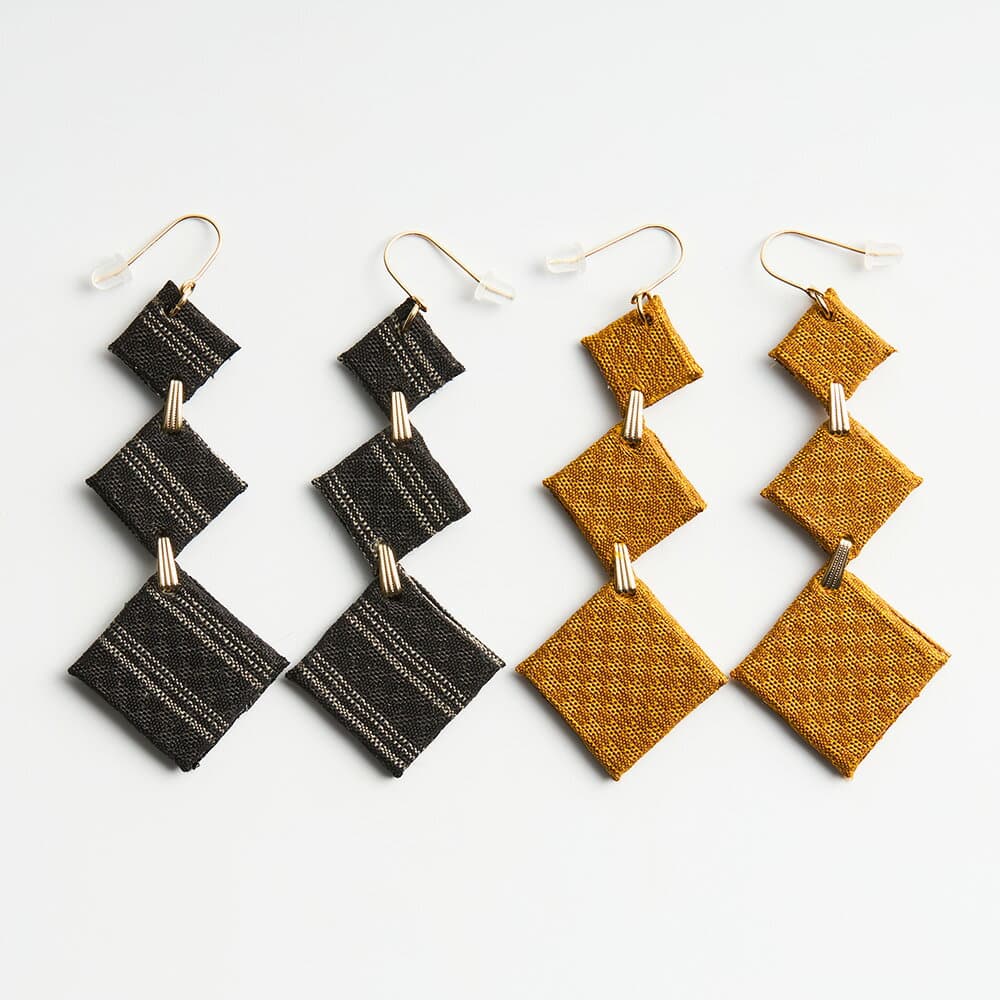
Honba Kihachijo Triple Square Earrings
本場 黄八丈 スクエアモチーフ 3連 ピアス 黄 黒 手づくり 1点物 伝統工芸品 送料無料 日本製 KI-8-JOU
yellow and black triple square小粋屋東京
5.0 / 1 reviews
Japanese name本場黄八丈
On Hachijo Island about 300 km south of Tokyo, silk yarn is colored with kobunagusa, tabunoki bark, shii bark, ash lye, and iron-rich mud before it becomes plain weave, twill, stripes, or checks.
Information last updated yesterday
3 images本場 黄八丈 スクエアモチーフ 3連 ピアス 黄 黒 手づくり 1点物 伝統工芸品 送料無料 日本製 KI-8-JOU
yellow and black triple square小粋屋東京
5.0 / 1 reviews
 3 images
あす楽対応 逸品!本場黄八丈 綾織・足高貴 最高級紬着尺 格子
Ashigoki lattice twillさわらび〜ほりだし堂〜
 3 images
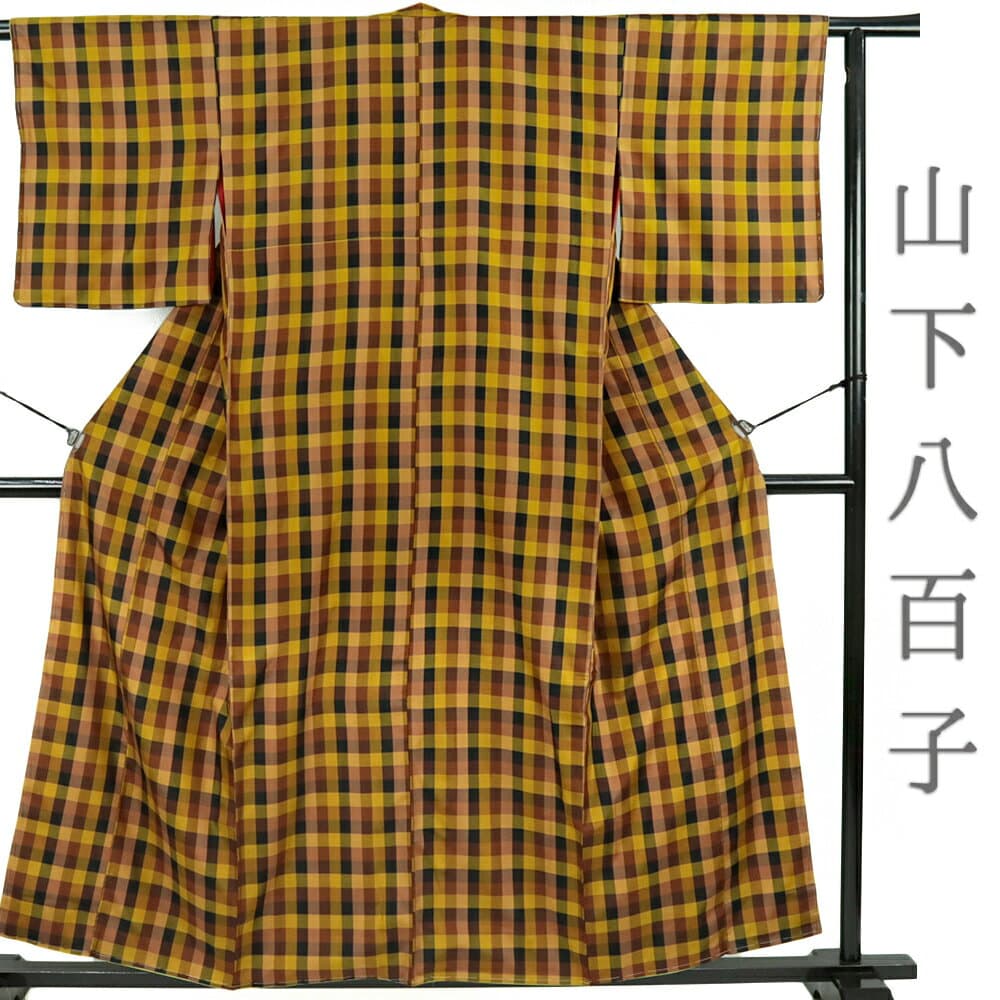
山下八百子 本場黄八丈紬 正絹 着物 黄色 茶 格子 市松 身丈164cm 裄68cm M Lサイズ 仕立て上がり おしゃれ カジュアル 東京都指定無形文化財工芸技術保持者 No.3-0390
M/L, length 164 cm, yuki 68 cmはつはなづき
 3 images
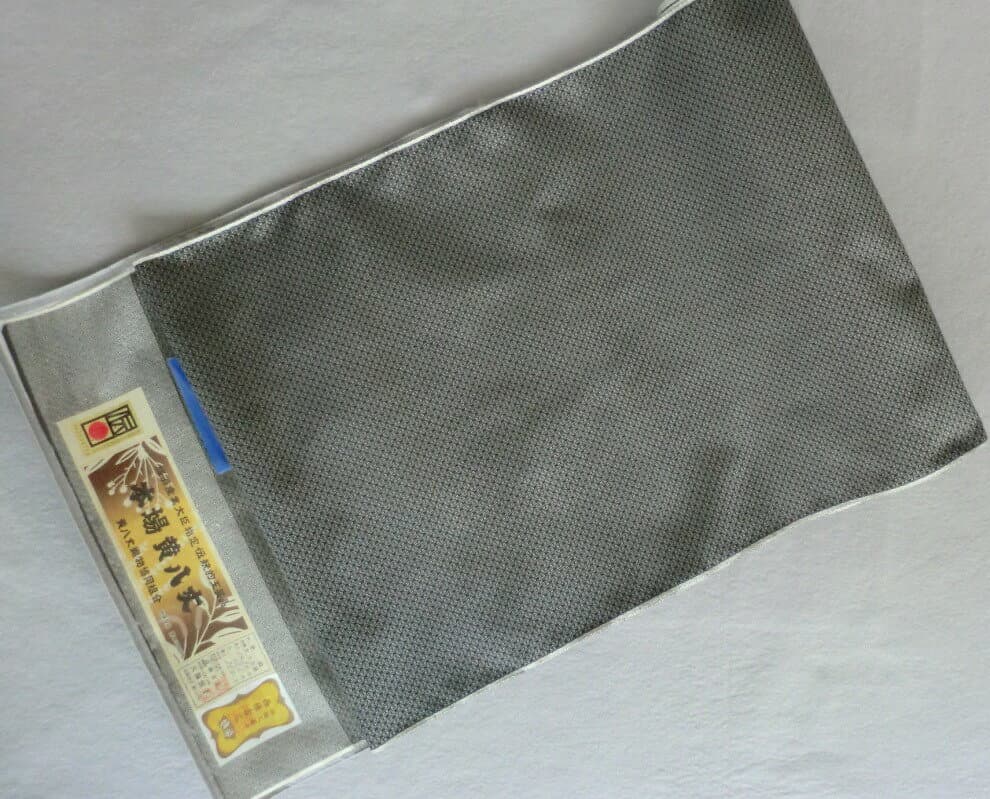
おしゃれきもの本場黄八丈たつみ綾 手織り染色者 伝統工芸士 西條吉広機織者 大澤悦子
Dark gray, approx. 39.5 cm x 1290 cmつむぎ屋
First time buying on Rakuten? How residents in Japan order →
All 4 listings of this product on Rakuten, lowest price first.
| Listing | Price | Shop | Reviews | Open listing |
|---|---|---|---|---|
Honba Kihachijo Triple Square Earrings yellow and black triple squareLowest price | ¥7,600 | 小粋屋東京 | 5.0 / 1 reviews | View on Rakuten → |
Yamashita Yaoko Honba Kihachijo Tsumugi Silk Kimono, Yellow/Brown Check M/L, length 164 cm, yuki 68 cm | ¥299,999 | はつはなづき | View on Rakuten → | |
Honba Kihachijo Handwoven Tsumugi Kimono Fabric, Ashigoki Lattice Ashigoki lattice twill | ¥418,000 | さわらび〜ほりだし堂〜 | View on Rakuten → | |
Honba Kihachijo Tatsumi-aya Handwoven Kimono Fabric by Saijo Yoshihiro and Osawa Etsuko Dark gray, approx. 39.5 cm x 1290 cm | ¥780,000 | つむぎ屋 | View on Rakuten → |
Japanese · new tab
Honba Kihachijo begins before the loom, in three colors held to Hachijo Island: yellow, kabacha brown, and black. The cloth is a silk textile from the island south of Tokyo, and its palette comes from plants named in the work: Hachijo kariyasu or kobunagusa, madami or tabunoki bark, and shii bark finished with mud for black. The finished surface is often spare: plain weave or twill, vertical stripes or checks, weft inserted with a hand-thrown shuttle on a takahata loom. That visual restraint keeps attention on silk yarn, repeated dyeing and drying, and the way a small island's plants and mud become wearable cloth.
The name Kihachijo points first to yellow, yet Honba Kihachijo is built from three colors: yellow, kabacha brown, and black. Yellow comes from Hachijo kariyasu, also called kobunagusa; kabacha comes from madami, the island name for tabunoki bark; black begins with shii bark and is deepened through mud treatment. Those colors are not applied to a finished cloth. Raw silk, tama-ito, mawata spun silk, or comparable silk yarn is dyed first, so the palette is already present when the warp and weft meet. The island boundary matters because the craft's color logic is tied to plants associated with Hachijo Island and to mud used in the black dyeing process.
Before dyeing, the silk can be scoured in boiling water with soda for about three hours, a step that removes the gum from raw silk and leaves the yarn softer and more lustrous. The yellow dye bath uses dried kobunagusa; the yarn is exposed to the hot plant liquid, left overnight, wrung out, and dried outdoors. Ash lye gives yellow and kabacha their brightness: camellia and sakaki ashes are used in the ash treatment described for the yarn. Black follows another route. Shii bark gives color first, and iron-rich island mud fixes and darkens it through mud immersion.
Honba Kihachijo color comes from returning to the same actions: soak, rest, wring, dry, and begin again. Yellow dyeing is described at about twenty dye-and-dry cycles, while black dyeing may run through thirty to fifty cycles before the mud stage. The repeated drying is part of the cloth's look, not a pause between real steps. In the black process, shii-dyed silk is dehydrated, taken outdoors, and dried again and again, so light, plant color, and later mud treatment all shape the yarn before weaving starts.
When the yarn reaches the loom, Honba Kihachijo stays within a narrow structure: yarn-dyed plain weave or twill. The weft is inserted with a hand-thrown shuttle, and present-day weaving is associated with the takahata loom. Stripes and checks carry most of the visual work. The designs stay simple enough for yellow, kabacha, and black to remain central, and the finished cloth appears in kimono fabric and obi where the line of the weave and the depth of plant dye can be seen together.
On Hachijo Island, woven cloth once stood in for field taxes. The textile also moved outward as tribute cloth, and Edo-period visibility grew when Kihachijo costume appeared in the puppet drama and kabuki world around Koi Musume Mukashi Hachijo. A more intimate object fixes the craft in 1729: the Kihachijo Amida name hanging. Woven with large characters on a kabacha-dyed ground, it measures 158.4 cm by 34.6 cm and is tied to the wife of Kikuchi Taketaka, showing the level of Hachijo dyeing and weaving in the early eighteenth century.
Today's Honba Kihachijo still has named places on the island. The Kihachijo Textile Cooperative is in Kashitate, and dye workshops have been associated with Kashitate and Nakanogo, even as the number of weavers has become a concern. The cloth continues to appear as kimono fabric and obi, and on Hachijo Island people can encounter it through loom weaving, weaving observation, dressing experiences, and small textile items. These uses keep the three-color system close to hands, shoulders, and the movement of woven silk.
Honba Kihachijo keeps Hachijo Island visible through concrete things: kobunagusa for yellow, tabunoki bark for kabacha, shii bark and iron-rich mud for black, then a hand-thrown shuttle on a takahata loom. Its stripes and checks look quiet because the work before weaving is so dense; plant, ash, mud, silk, and repeated drying carry the island into cloth worn as kimono and obi.
Compiled from public records and official sources; see the recognition links below. Details may change over time.
Where this product is officially registered, designated, or recognized in Japan.
Traditional craft
Designated a Traditional Craft (dentō kōgeihin) by Japan's Ministry of Economy, Trade and Industry.
Sources1
It is written as 本場黄八丈 in Japanese. Search Rakuten and other Japanese sites with that spelling — the English name will not bring up the listings.
Honba Kihachijo is a silk textile from Hachijo Island, Tokyo, built around yellow, kabacha brown, and black. Yellow comes from Hachijo kariyasu or kobunagusa, kabacha from madami or tabunoki bark, and black from shii bark with iron-rich mud. The yarn is dyed and dried repeatedly before being woven on a takahata loom with a hand-thrown shuttle into plain weave or twill, often as stripes or checks.
Yellow dyeing may repeat about twenty times, while black dyeing may repeat thirty to fifty times before mud treatment. Its silk yarn materials include raw silk, tama-ito, mawata spun silk, or comparable silk yarns. Hachijo Island once paid woven cloth as tax cloth and tribute cloth instead of field taxes, and the 1729 Kihachijo Amida name hanging shows early dyeing and weaving skill. Hachijo Island is about 290-300 km south of Tokyo.
The main products are kimono fabric and obi. It is used for everyday wear, stylish wear, and visiting wear. Hachijo Island offers loom weaving, weaving observation, and Kihachijo dressing experiences, some with advance reservation and seasonal variation; smaller textile goods are sold on the island as souvenirs.
Naturally dyed textiles shed some colour on first wash. Hand-wash separately with a neutral detergent, avoid long soaking and bleach, and dry in the shade to prevent fading. Silk, ramie, and traditionally dyed pieces often need professional cleaning — the care label on the listing takes precedence.
Most options are shelf-stable, boxed, and travel well, so they suit gifting or bringing home. Confirm the final storage and delivery terms on the Rakuten listing.
On Rakuten: the shops listed here right now are 小粋屋東京, さわらび〜ほりだし堂〜, はつはなづき, つむぎ屋. We don't sell directly; purchase, payment, stock, and delivery are all handled on the Rakuten product page.