 3 images
Japanese Woven Tie Clip
日本の織物ネクタイピン 会津木綿 多摩織作州絣 西陣織 武州正藍染 上田紬 郡内織 ネクタイピン ワンポイント アクセント タイピン タイバー おしゃれ かっこいい 高級 男性 メンズ 紳士 ジェントルマン 営業マン ビジネスマン これいい和 伝統工芸 日本製
Tama-ori想いを繋ぐ百貨店 【TSUNAGU】
5.0 / 1 reviews
Japanese name多摩織
In Hachioji, southwest Tokyo, Tama-ori gathers Omeshi-ori, Futsu-ori, Tsumugi-ori, Mojiri-ori, and Kawari-tsuzure under one name. Raw silk, tama-ito, and mawata spun yarn pass through dyeing, warping, kasuri work, and weaving before appearing as kimono cloth, stoles, scarves, hats, and neckties.
Information last updated 121 days ago
3 images日本の織物ネクタイピン 会津木綿 多摩織作州絣 西陣織 武州正藍染 上田紬 郡内織 ネクタイピン ワンポイント アクセント タイピン タイバー おしゃれ かっこいい 高級 男性 メンズ 紳士 ジェントルマン 営業マン ビジネスマン これいい和 伝統工芸 日本製
Tama-ori想いを繋ぐ百貨店 【TSUNAGU】
5.0 / 1 reviews
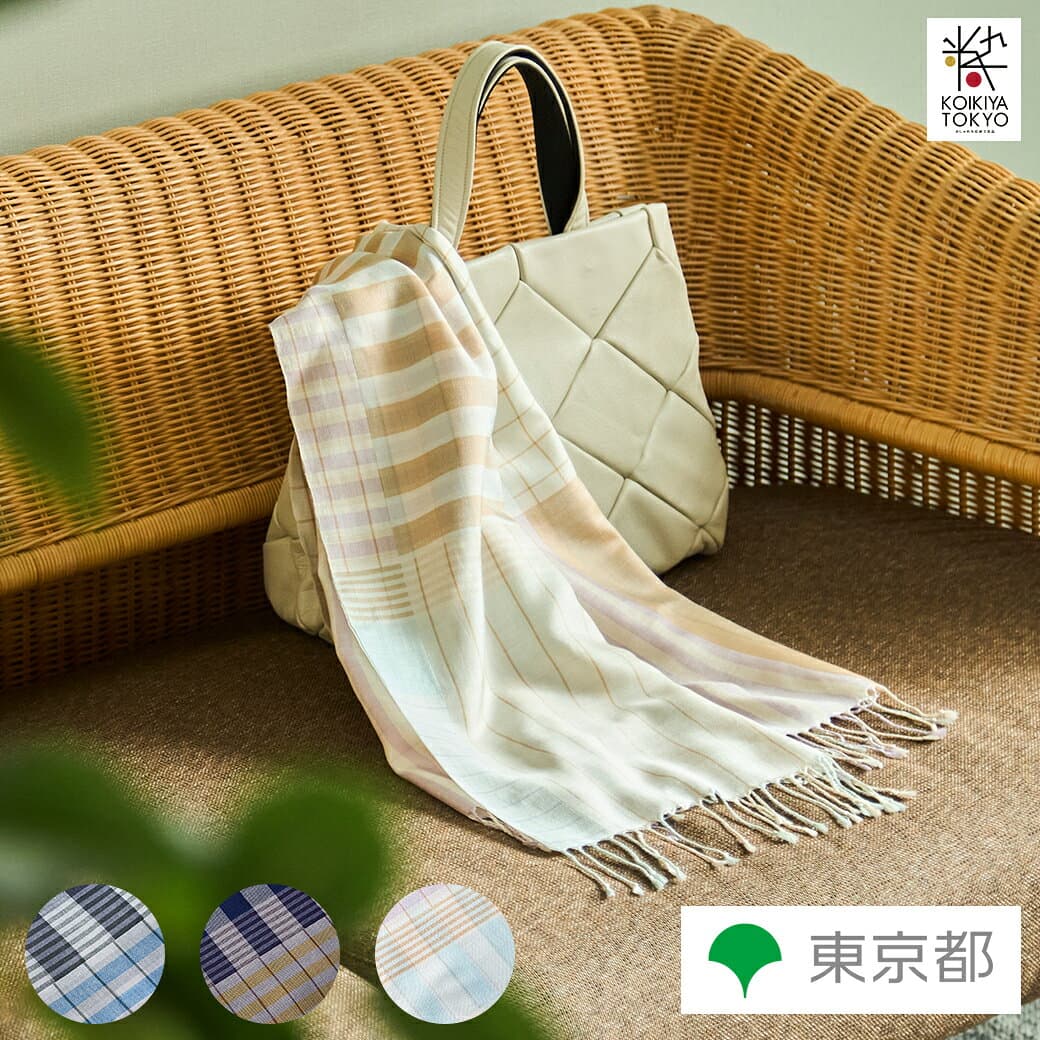 3 images
風通織のシルクストール 絹100% 伝統工芸品 澤井織物工場 多摩織 送料無料 ギフト
小粋屋東京
5.0 / 1 reviews
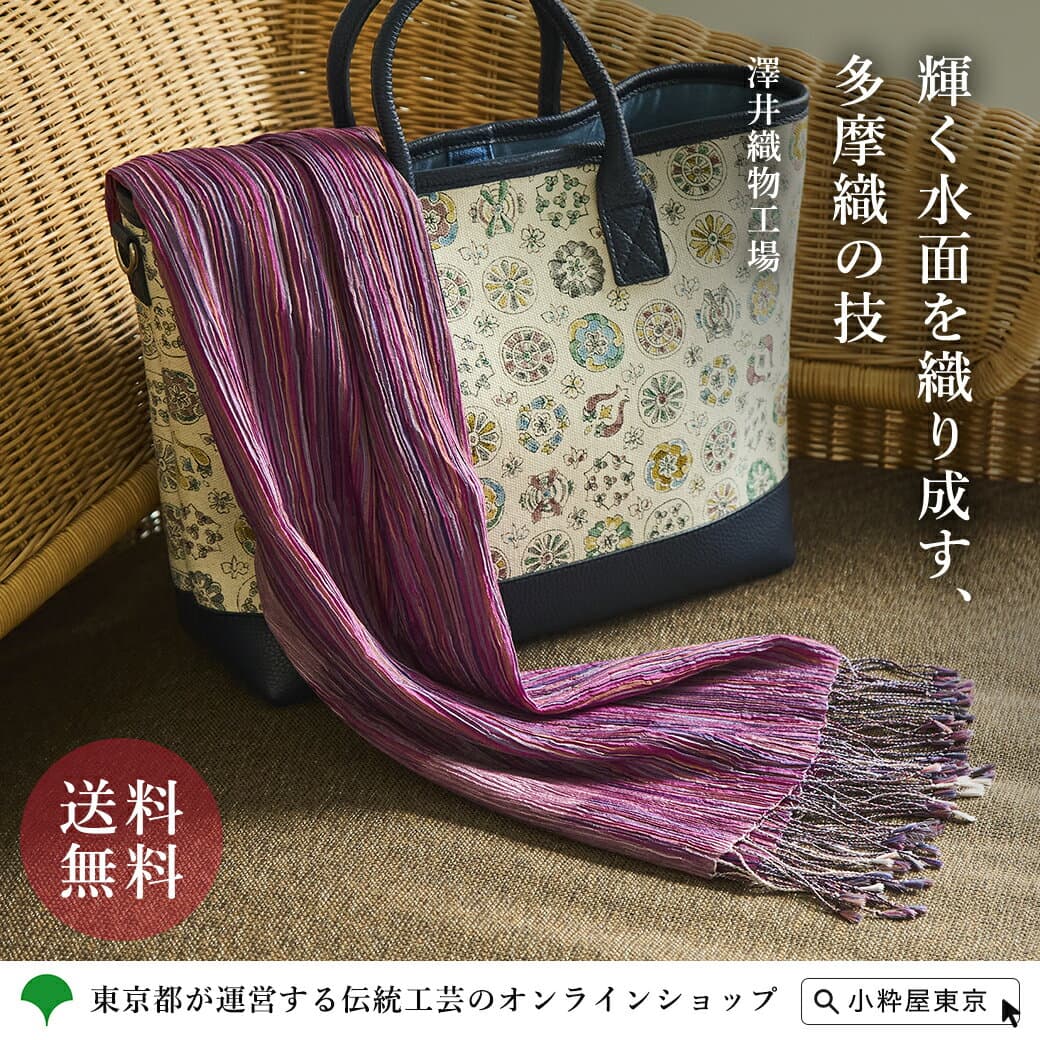 3 images
hikariful ロングスカーフ ショール カラフル シルク楊柳 女性 ギフト プレゼント 多摩織 澤井織物工場
小粋屋東京
First time buying on Rakuten? How residents in Japan order →
Tama-ori begins with a clear place: Hachioji in southwest Tokyo. The city was once known as the “Mulberry City,” a center where sericulture, silk reeling, and weaving shaped local work. Within that textile ground, Tama-ori names five woven forms and keeps attention on raw silk, tama-ito, mawata spun yarn, dyed threads, kasuri processing, and the loom.
Hachioji sits in southwest Tokyo, and Hachioji City is the main production area named for Tama-ori. When the city was called the “Mulberry City,” sericulture, silk reeling, and weaving formed a working landscape of mulberry, cocoons, silk thread, and looms. The present Hachioji Textile Industrial Association, the Tama-ori Craft Museum, and Sawai Orimono in Hachioji keep that city connection visible through organizations, displays, workshops, and woven cloth.
The name Tama-ori gathers five woven forms: Omeshi-ori, Futsu-ori, Tsumugi-ori, Mojiri-ori, and Kawari-tsuzure. Omeshi-ori and Tsumugi-ori rely on pre-dyed or pre-scoured plain, twill, satin, and variation weaves; Futsu-ori uses jacquard or dobby double weave; Kawari-tsuzure works from pre-dyed plain-weave structures; Mojiri-ori uses jacquard leno-style weaving. The family name points to a set of Hachioji textile structures whose surfaces change with the weave.
Raw silk, tama-ito, and mawata spun yarn are the core materials named for Tama-ori. Before cloth takes shape, the work is divided into dyeing, sizing, warping, kasuri processing, twisting, loom preparation, weaving, and finishing. Each step changes tension, color placement, or touch, so the final kimono cloth or stole carries the work of many hands before it reaches the loom’s last rhythm.
One memorable Tama-ori method shifts about 3,500 dyed silk threads to weave geometric kasuri patterns. In zurashi-gasuri, the placement of each thread creates calculated variation, while the weaver uses both hands and feet to operate the loom and adjust the woven surface. The result is a cloth where geometric order carries small human changes in texture and line.
Tama-ori appears in kimono cloth and also in neckties, hats, stoles, scarves, and clothing textiles. Makers have used these forms so more people can feel the textile’s touch and pattern outside full kimono cloth. At Sawai Orimono, a Hachioji workshop with more than 120 years behind it, 19th-generation Sawai Shin works with hand weaving, shuttle looms, silk thread, kimono cloth, stoles, collaborations, and material experiments while keeping the example specific to one workshop.
The Tama-ori Craft Museum is inside the Hachioji Textile Trade Center and is managed by the Hachioji Textile Industrial Association. Its hand-weaving sessions let participants use handlooms under the guidance of Tama-ori artisans, and the display space includes material connected with Hachioji and works by local artists. Seeing a handloom, threads, and artisan gestures in one room gives the textile a concrete shape for visitors encountering Tama-ori in Hachioji.
Tama-ori carries Hachioji through named weave structures, silk materials, and divided workshop steps from dyed thread to finishing. It can appear as the dense surface of kimono cloth, the soft reach of a stole, the narrow form of a necktie, or a handloom session at the craft museum. When about 3,500 dyed threads shift across the loom, the city’s mulberry, cocoons, silk, and hand-controlled rhythm gather into a cloth with geometric movement.
Compiled from public records and official sources; see the recognition links below. Details may change over time.
Where this product is officially registered, designated, or recognized in Japan.
Traditional craft
Designated a Traditional Craft (dentō kōgeihin) by Japan's Ministry of Economy, Trade and Industry.
Sources1
It is written as 多摩織 in Japanese. Search Rakuten and other Japanese sites with that spelling — the English name will not bring up the listings.
Tama-ori is a Hachioji-centered textile family in Tokyo. Its name covers five woven forms: Omeshi-ori, Futsu-ori, Tsumugi-ori, Mojiri-ori, and Kawari-tsuzure. Its materials include raw silk, tama-ito, and mawata spun yarn, worked through dyeing, sizing, warping, kasuri processing, twisting, loom preparation, weaving, and finishing. Zurashi-gasuri shifts about 3,500 dyed silk threads to make geometric kasuri variation. Today Tama-ori appears in kimono cloth, neckties, hats, stoles, scarves, and hand-weaving experiences in Hachioji.
Hachioji was once known as the "Mulberry City" for sericulture, silk reeling, and weaving. The Tama-ori Craft Museum is inside the Hachioji Textile Trade Center, managed by the Hachioji Textile Industrial Association, and offers handloom experiences. Sawai Orimono is a Hachioji workshop example where Sawai Shin works with hand weaving, shuttle looms, silk materials, kimono cloth, and stoles.
Tama-ori is used for kimono cloth as well as other clothing items such as neckties, hats, and stoles, letting more people experience its texture and patterns. The Tama-ori Craft Museum offers hand-weaving experiences on handlooms under the guidance of traditional craft artisans.
Naturally dyed textiles shed some colour on first wash. Hand-wash separately with a neutral detergent, avoid long soaking and bleach, and dry in the shade to prevent fading. Silk, ramie, and traditionally dyed pieces often need professional cleaning — the care label on the listing takes precedence.
Most options are shelf-stable, boxed, and travel well, so they suit gifting or bringing home. Confirm the final storage and delivery terms on the Rakuten listing.
On Rakuten: the shops listed here right now are 想いを繋ぐ百貨店 【TSUNAGU】, 小粋屋東京. We don't sell directly; purchase, payment, stock, and delivery are all handled on the Rakuten product page.