 3 images
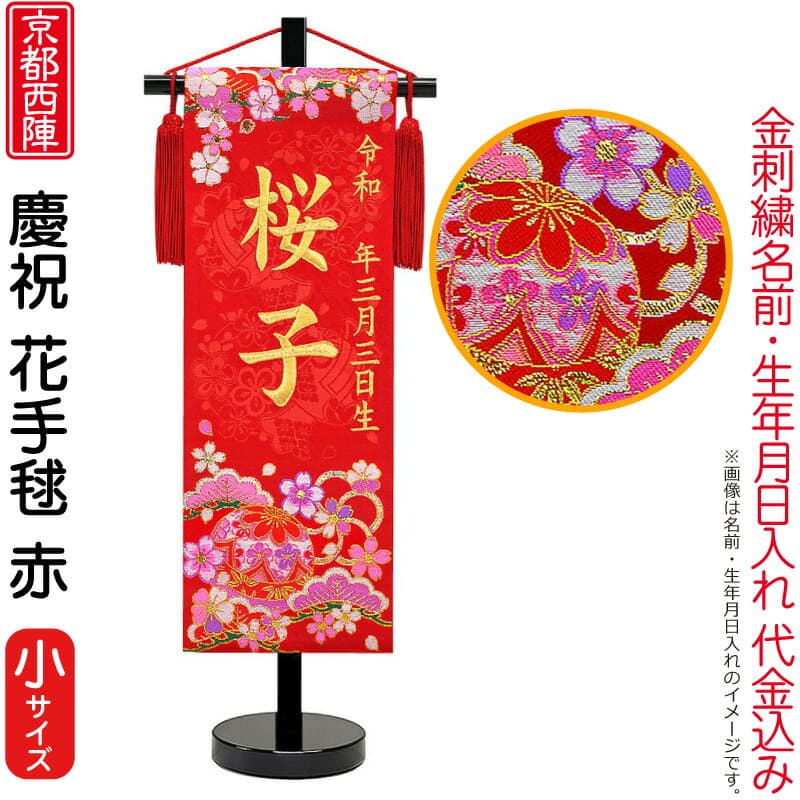
Kyōzome Keishuku Hanatemari Hinamatsuri Name Banner with Black Lacquered Stand
雛人形 ひな人形 名前旗 女の子 慶祝 花手毬 赤(小)ゴールド刺繍 生年月日名前入代込 松竹梅 京都西陣 金襴織 京染 黒塗スタンド付 【2026年度新作】 3ad-hanat-r-b
red small, gold embroideryこだわり雛の里 甲冑の三京
4.5 / 4 reviews
Japanese name京染
Kyozome belongs to Kyoto Prefecture’s kimono-dyeing world, where Kyo-yuzen, Kyo-komon, and hand-painted Yuzen move between workshops, sensho makers, furisode, tomesode, kimono cloth, and dyed obi.
Information last updated 122 days ago
3 images雛人形 ひな人形 名前旗 女の子 慶祝 花手毬 赤(小)ゴールド刺繍 生年月日名前入代込 松竹梅 京都西陣 金襴織 京染 黒塗スタンド付 【2026年度新作】 3ad-hanat-r-b
red small, gold embroideryこだわり雛の里 甲冑の三京
4.5 / 4 reviews
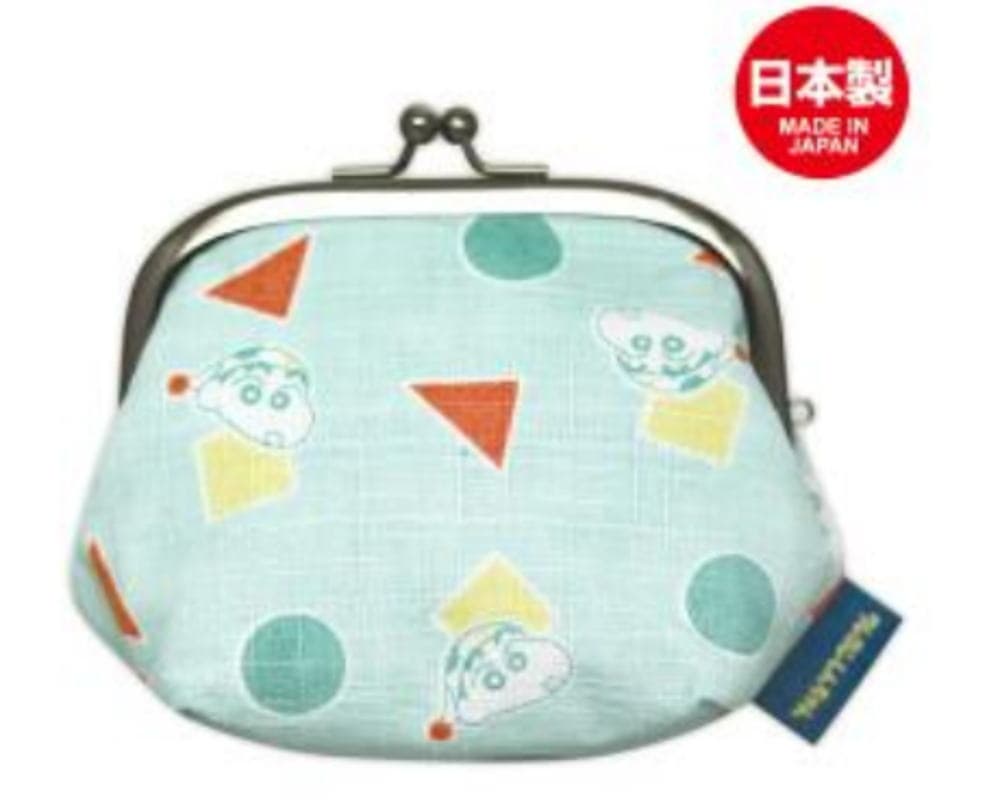
【送料無料】 【日本製】 クレヨンしんちゃん 京染がま口パジャマしんちゃん しんのすけ アニメ 漫画 映画 ポーチ ケース 小物入れ 小銭入れ コインケース 収納 メイク 化粧 コスメ 雑貨 グッズ かわいい
Pajama Shin-chanAOIデパート
First time buying on Rakuten? How residents in Japan order →
Kyozome is best understood through Kyoto Prefecture’s kimono-dyeing workplaces rather than as a loose name for every Kyoto textile. Its clearest frame brings together Kyo-yuzen, Kyo-komon, and Kyo hand-painted Yuzen, with craft dyers, sensho businesses, and hand-painted Yuzen makers who keep a workplace or shop in Kyoto Prefecture. Addresses in Nakagyo, public workshop maps, and dye factories give the name a physical setting, while exhibitions show how dyeing decisions meet garment forms such as furisode, homongi, tomesode, kimono cloth, tsukesage, and dyed obi.
Compiled from public records and official sources; see the recognition links below. Details may change over time.
Where this product is officially registered, designated, or recognized in Japan.
Regional collective trademark
Registered as a Regional Collective Trademark with the Japan Patent Office.
Sources1
It is written as 京染 in Japanese. Search Rakuten and other Japanese sites with that spelling — the English name will not bring up the listings.
Kyo dyeing (Kyozome) is Kyoto Prefecture's kimono-dyeing field, centered on Kyo-yuzen, Kyo-komon, and Kyo hand-painted Yuzen. It links workshops, dye factories, and sensho businesses, with organizational roots in the 1950 Kyoto Sensho Club and the 1962 formation of a business cooperative. Finished pieces take forms such as furisode, homongi, tomesode, kimono cloth, tsukesage, and dyed obi.
The Kyo-yuzen cooperative federation consists of nine cooperatives involved in Kyoto kimono making. Kyoto Kogei Sensho Cooperative members must engage in craft dyeing, sensho work, or hand-painted Yuzen and have a workplace or shop in Kyoto Prefecture. The Kyoto Sensho Club began in 1950 to support the postwar revival of Kyozome and maintain links among sensho businesses. In 1962, Kyo hand-painted Yuzen processors formed a business cooperative to preserve and refine Kyozome techniques.
The Kyo-yuzen cooperative federation introduces workshops and dye factories where visitors can arrange to see kimono production sites. The Kyo-yuzen certificate paper is attached under maker responsibility to goods dyed with the Yuzen technique and produced in Kyoto, which can help buyers confirm provenance. Exhibition pages describe small-lot production and, ultimately, one-piece-one-work production as ways craft sensho meet varied consumer needs.
Naturally dyed textiles shed some colour on first wash. Hand-wash separately with a neutral detergent, avoid long soaking and bleach, and dry in the shade to prevent fading. Silk, ramie, and traditionally dyed pieces often need professional cleaning — the care label on the listing takes precedence.
Most options are shelf-stable, boxed, and travel well, so they suit gifting or bringing home. Confirm the final storage and delivery terms on the Rakuten listing.
On Rakuten: the shops listed here right now are こだわり雛の里 甲冑の三京, AOIデパート. We don't sell directly; purchase, payment, stock, and delivery are all handled on the Rakuten product page.