 3 images
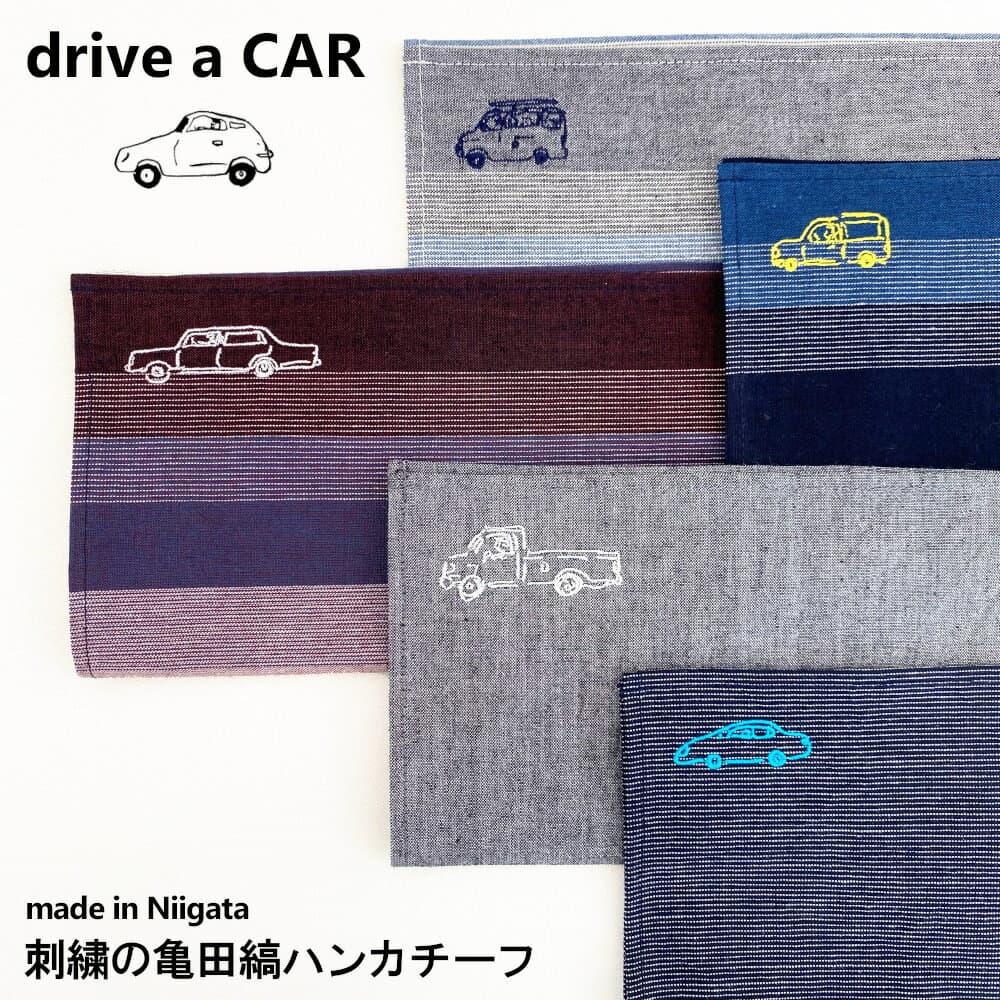
Kameda-jima Embroidered Classic Car Handkerchief
drive a CAR【刺繍の亀田縞ハンカチーフ】クラシックカー 車 綿100% 日本製 ハンカチ ネイビー グレー ブラック パープル ストライプ 横縞 平刺繍 レディース メンズ 男性 おしゃれ 高級 和風 個包装 ラッピング プチギフト 贈り物 プレゼント 伝統織物
drive a CAR design五泉之田中刺繍
5.0 / 1 reviews
Japanese name亀田縞
In Niigata City’s Kameda area, striped cotton once served field work; after wartime interruption, two weaving businesses revived it in 2005 from preserved stripe sample books, and its blue tones now appear in clothing, small goods, and town tapestries.
Information last updated 120 days ago
3 imagesdrive a CAR【刺繍の亀田縞ハンカチーフ】クラシックカー 車 綿100% 日本製 ハンカチ ネイビー グレー ブラック パープル ストライプ 横縞 平刺繍 レディース メンズ 男性 おしゃれ 高級 和風 個包装 ラッピング プチギフト 贈り物 プレゼント 伝統織物
drive a CAR design五泉之田中刺繍
5.0 / 1 reviews
 3 images
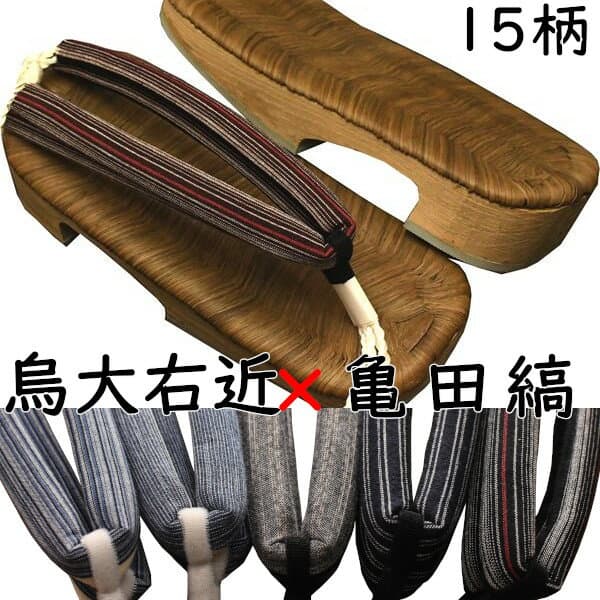
下駄 メンズ 男性 紳士 大右近 烏表付き 亀田縞花緒付き M~Lサイズ 花緒15種類 夏祭り 花火大会 浴衣 着物 日本製 国産桐下駄 職人技 痛くない 調整可 即納 和装 レトロ つっかけ
M-L, 15 hanao strap patterns丸屋履物店 楽天市場店
 3 images
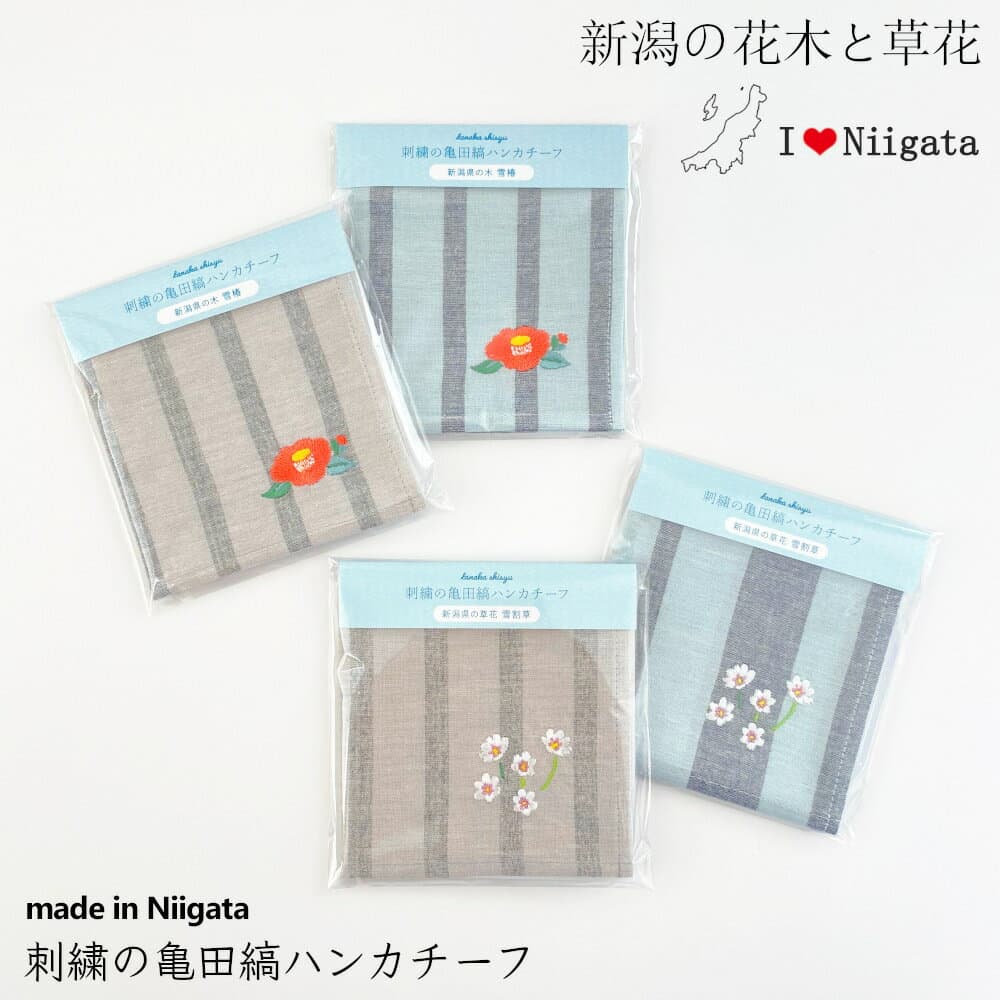
【刺繍の亀田縞ハンカチーフ】新潟の花木と草花 綿100% 日本製 ハンカチ ブルー グレー ストライプ 縦縞 平刺繍 レディース 女性 可愛い 上品 和風 個包装 ラッピング プチギフト 贈り物 プレゼント 伝統織物
blue/gray vertical stripe五泉之田中刺繍
First time buying on Rakuten? How residents in Japan order →
Kameda-jima begins in the Kameda area of Konan Ward, Niigata City, where striped cotton was once woven for field clothing. Its strength suited hard work in wet rice-field conditions; production reached a Taisho-period peak, then stopped when cotton yarn became difficult to obtain during wartime. In 2005, two remaining weaving businesses used stripe sample books kept at a local history museum to bring the cloth back into daily use.
Kameda-jima is tied to the Kameda area in Konan Ward, Niigata City. In its older use, the cloth became field clothing for work around wet rice fields, where durable cotton mattered more than display. The same textile is now visible in another setting: Kameda-jima tapestries hang in the ward office and around town, carrying indigo-toned stripes into everyday public space.
The material character is concrete: cotton weave, stripes, strength, and resistance to dirt. The demanding rice-field setting helps explain why a work cloth needed those traits, and why Kameda-jima could later move into apparel and small goods without losing its practical feel. In revived products, the soft hand, restrained colors, and durability remain the touchable qualities readers can connect to the field-clothing roots.
By the Taisho period, Kameda-jima had reached a production peak. Wartime conditions made cotton yarn hard to obtain, and the weaving line that had supported field clothing came to a stop. That break matters because the later return needed practical pattern guides, not a loose memory of stripes.
In 2005, two remaining weaving businesses revived Kameda-jima using stripe sample books kept at a local history museum. The sample books gave the weavers a concrete way to compare stripe patterns and return the cloth to the loom. For a textile built on stripes, that preserved object is central: it connects the revived fabric to visible pattern choices rather than to a name alone.
The current production community has clear names: Kameda Textile Cooperative Society, Tachikawa Orimono, and Nakaei Kigyo. The cooperative treats Kameda-jima as its central textile and works on material development, connecting the 2005 revival to ongoing fabric work. In this part of the cloth’s life, continuity is held by businesses and cooperative activity as much as by preserved sample books.
After the revival, Konan Ward supported wider local visibility and use, and producers and designers joined council activity around the cloth. Kameda-jima now appears in apparel and small goods, while indigo-toned tapestries place the stripes in public buildings and streets. The result is a textile that people can wear, handle, and notice during an ordinary day in Konan Ward.
Several concrete objects carry Kameda-jima across time: field clothing, cotton yarn, stripe sample books, two weaving businesses, apparel, small goods, and indigo-toned tapestries in Konan Ward. The cloth stopped when wartime material supply failed, returned to the loom in 2005, and now continues as a striped cotton textile that can be worn, handled, and seen in town.
Compiled from public records and official sources; see the recognition links below. Details may change over time.
Where this product is officially registered, designated, or recognized in Japan.
Regional collective trademark
Registered as a Regional Collective Trademark with the Japan Patent Office.
Sources1
It is written as 亀田縞 in Japanese. Search Rakuten and other Japanese sites with that spelling — the English name will not bring up the listings.
Kameda stripe textiles (Kameda-jima) are a striped cotton cloth from the Kameda area of Konan Ward, Niigata City. Once woven as durable field clothing for wet rice-field work, production peaked in the Taisho period and stopped during wartime when cotton yarn became difficult to obtain. In 2005, two weaving businesses revived it from stripe sample books; today it appears in apparel, small goods, and indigo-toned tapestries in Konan Ward.
Kameda-jima was registered as a regional collective trademark in April 2014. The current Kameda-jima production community includes Kameda Textile Cooperative Society, Tachikawa Orimono, and Nakaei Kigyo. Kameda Textile Cooperative Society treats Kameda-jima as a central textile and works on developing varied materials with participating local weaving businesses. Kameda-jima is strong and resistant to dirt.
It was woven as field clothing for muddy rice-field labor, valued for strength and resistance to dirt. After its 2005 revival, the cloth is used in apparel and small goods. Konan Ward displays Kameda-jima tapestries in the ward office and around town.
Naturally dyed textiles shed some colour on first wash. Hand-wash separately with a neutral detergent, avoid long soaking and bleach, and dry in the shade to prevent fading. Silk, ramie, and traditionally dyed pieces often need professional cleaning — the care label on the listing takes precedence.
Most options are shelf-stable, boxed, and travel well, so they suit gifting or bringing home. Confirm the final storage and delivery terms on the Rakuten listing.
On Rakuten: the shops listed here right now are 五泉之田中刺繍, 丸屋履物店 楽天市場店. We don't sell directly; purchase, payment, stock, and delivery are all handled on the Rakuten product page.