 3 images
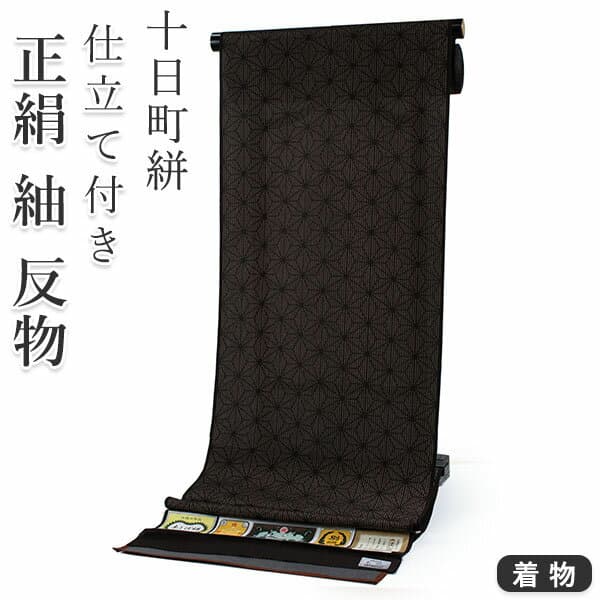
Tokamachi Kasuri Persimmon-Dyed Silk Komon Kimono Bolt
正絹 小紋 反物 十日町 絣 こげ茶 縞 麻の葉 フルオーダー 仕立て付き 湯のし付き 柿渋 着物 和装 和服 着尺 単品 袷 単衣 女性 レディース 送料無料
dark brown stripes, hemp-leaf pattern京都 きもの京小町
Japanese name十日町絣
In Tokamachi, Niigata, silk kimono cloth takes shape through pre-dyed threads, vertical and horizontal kasuri, winter loom work, and snowmelt water for dyeing.
Information last updated 120 days ago
3 images正絹 小紋 反物 十日町 絣 こげ茶 縞 麻の葉 フルオーダー 仕立て付き 湯のし付き 柿渋 着物 和装 和服 着尺 単品 袷 単衣 女性 レディース 送料無料
dark brown stripes, hemp-leaf pattern京都 きもの京小町
 3 images
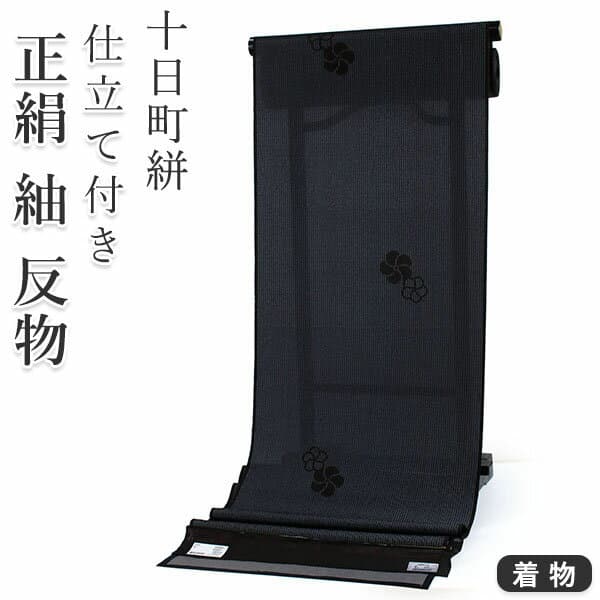
正絹 小紋 反物 十日町 絣 黒 縞 ねじり梅 フルオーダー 仕立て付き 塩沢物語 着物 和装 和服 着尺 単品 袷 単衣 女性 レディース 送料無料
black stripe twisted plum着物 卸直営店 京都マルヒサ
First time buying on Rakuten? How residents in Japan order →
Tokamachi Kasuri is silk kimono fabric from Tokamachi in Niigata Prefecture. In the mid-19th century, techniques inherited from Echigo chijimi hemp weaving were applied to silk, giving this kimono cloth its technical footing. On the surface, vertical and horizontal kasuri form fine patterns, while the luster of silk gives the fabric a subdued tone. Its place is equally concrete: Tokamachi is a heavy-snow city where winter spinning, loom work, dyeing water from melting snow, and a local network of kimono makers all sit behind the cloth.
Tokamachi is known within its textile setting as a heavy-snow area. After field work from spring through autumn, long snowy winters made spinning thread and weaving at the loom important local work, while abundant snowmelt water became part of the dyeing environment.
Those conditions give Tokamachi Kasuri a place-based frame. The fabric is tied to snow, water, silk thread, and indoor winter work, as well as to a city where multiple kimono-related makers and processors share the same production area.
The technical background of Tokamachi Kasuri reaches back to Echigo chijimi. In the mid-19th century, methods inherited from Echigo chijimi hemp weaving were applied to silk, creating a silk kimono fabric centered on kasuri patterning.
Tokamachi City Museum gives that background a material frame through holdings such as Echigo chijimi spinning and weaving tools, chijimi banners, textile sample books, and Tokamachi textile historical sample books. Hemp, silk, tools, and sample books all belong to the local textile field that helps explain where Tokamachi Kasuri stands.
Tokamachi Kasuri is a pre-dyed textile: the thread is dyed before weaving, and vertical and horizontal kasuri create the pattern. The fine kasuri design works with silk luster to produce a calm, subdued surface.
The pattern comes from the structure of the cloth. Lengthwise and crosswise kasuri threads meet, shift, and build the design inside the weave, so the motif reads as part of the silk surface rather than as a separate layer placed over it.
Tokamachi's kimono production area contains several kinds of work. Tokamachi Kasuri and Tokamachi Akashi chijimi are named among pre-dyed goods, while furisode and homongi appear as examples of post-dyed kimono goods; a related industry profile also lists silk refining, dyeing, and finishing as cooperative activities.
That wider setting clarifies Tokamachi Kasuri's role. It is silk kimono fabric shaped by pre-dyed kasuri, surrounded by dyeing, finishing, yuzen-related work, and other kimono production skills that give Tokamachi its breadth as a kimono city.
Niigata's regional description identifies the Tokamachi Textile Industrial Cooperative as the production-area organization for Tokamachi Kasuri. A local industry profile adds that 22 kimono makers in the city participate as cooperative members and work on shared activities.
The number makes the production area more tangible. Tokamachi Kasuri can be understood through Tokamachi as place, silk as material, vertical and horizontal kasuri as technique, and a group of city makers as the community supporting the work.
Tokamachi Kasuri can be approached through finished cloth, working sites, and preserved textile objects. The local textile organization refers to kimono-related events and factory-visit contexts, while the city museum lists Echigo chijimi tools, banners, textile sample books, and Tokamachi textile historical sample books.
Together, those points make the fabric easier to picture. Tokamachi Kasuri belongs to a snow-country city where winter weaving, snowmelt water for dyeing, pre-dyed silk thread, kasuri alignment, cooperative makers, and museum-held textile materials all point back to the same local textile field.
The quiet surface of Tokamachi Kasuri comes from specific facts: Tokamachi in Niigata, silk kimono cloth, the mid-19th-century use of Echigo chijimi techniques on silk, vertical and horizontal kasuri, winter weaving in a heavy-snow area, and snowmelt water used for dyeing. Seen together, the fine lines on the fabric become a visible trace of Tokamachi's place within Japan's kimono textile landscape.
Compiled from public records and official sources; see the recognition links below. Details may change over time.
Where this product is officially registered, designated, or recognized in Japan.
Traditional craft
Designated a Traditional Craft (dentō kōgeihin) by Japan's Ministry of Economy, Trade and Industry.
Sources1
It is written as 十日町絣 in Japanese. Search Rakuten and other Japanese sites with that spelling — the English name will not bring up the listings.
Tokamachi Kasuri is silk kimono fabric from Tokamachi in Niigata Prefecture. It took shape in the mid-19th century when Echigo chijimi hemp-weaving techniques were applied to silk, and it uses pre-dyed vertical and horizontal kasuri to create fine patterns with a subdued silk surface. Its setting includes heavy snow, winter spinning and loom work, snowmelt water for dyeing, and a cooperative production area with 22 city kimono makers.
Tokamachi Kasuri is silk kimono fabric from Tokamachi in Niigata Prefecture. Tokamachi Kasuri emerged in the mid-19th century by applying techniques inherited from Echigo chijimi hemp weaving to silk. Tokamachi Kasuri uses pre-dyed vertical and horizontal kasuri to create fine patterns. Tokamachi Kasuri combines delicate kasuri patterning with silk luster and a subdued surface quality.
Naturally dyed textiles shed some colour on first wash. Hand-wash separately with a neutral detergent, avoid long soaking and bleach, and dry in the shade to prevent fading. Silk, ramie, and traditionally dyed pieces often need professional cleaning — the care label on the listing takes precedence.
Most options are shelf-stable, boxed, and travel well, so they suit gifting or bringing home. Confirm the final storage and delivery terms on the Rakuten listing.
On Rakuten: the shops listed here right now are 京都 きもの京小町, 着物 卸直営店 京都マルヒサ. We don't sell directly; purchase, payment, stock, and delivery are all handled on the Rakuten product page.