 3 images
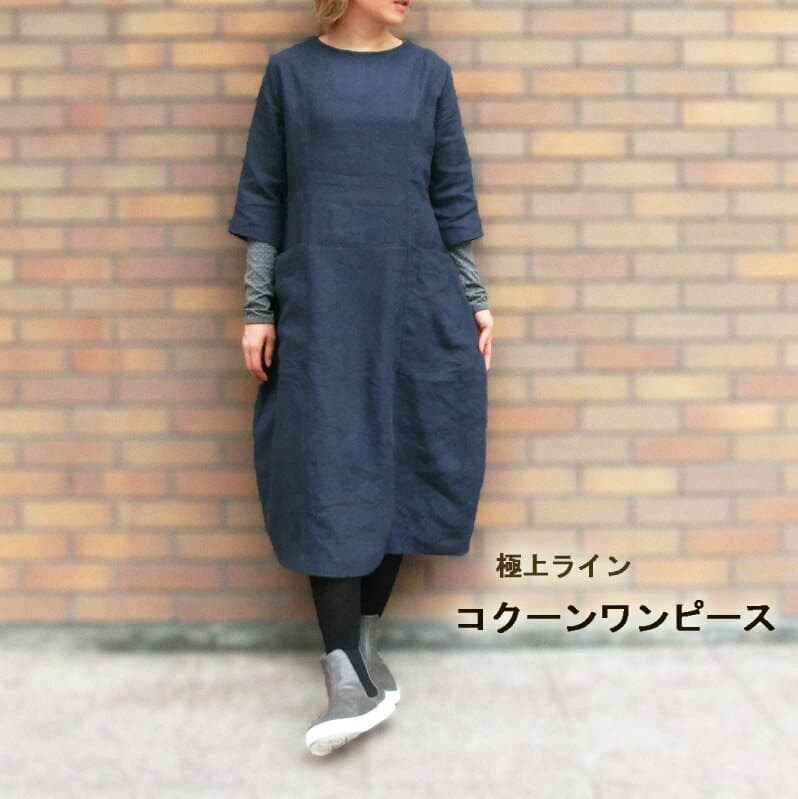
Semi-Order Enshu 100% Linen Cocoon Dress
【セミオーダー:リネンコクーンワンピース】遠州リネンワンピース 麻100% 日本製リネン 遠州織物 ワンピース オーダーワンピース BSTアパレル セミオーダー ハンドメイド 【oop-03】
自分サイズでつくる BST APPAREL
4.9 / 35 reviews
Japanese name遠州織物
In western Shizuoka, Enshu textiles connect cotton, linen, silk, wool, chemical fibers, chusen-dyed yukata cloth, velvet, corduroy, and the workshop sequence around Hamamatsu and Iwata.
Information last updated 120 days ago
3 images【セミオーダー:リネンコクーンワンピース】遠州リネンワンピース 麻100% 日本製リネン 遠州織物 ワンピース オーダーワンピース BSTアパレル セミオーダー ハンドメイド 【oop-03】
自分サイズでつくる BST APPAREL
4.9 / 35 reviews
 3 images
【リネンソフトプリーツスカート】夏スカート 大人のリネンスカート 遠州織物 リネン100% ロングスカート 麻ボトムス madeinJAPAN 麻スカート オーダーメイド (osk-01)
自分サイズでつくる BST APPAREL
4.9 / 22 reviews
 3 images
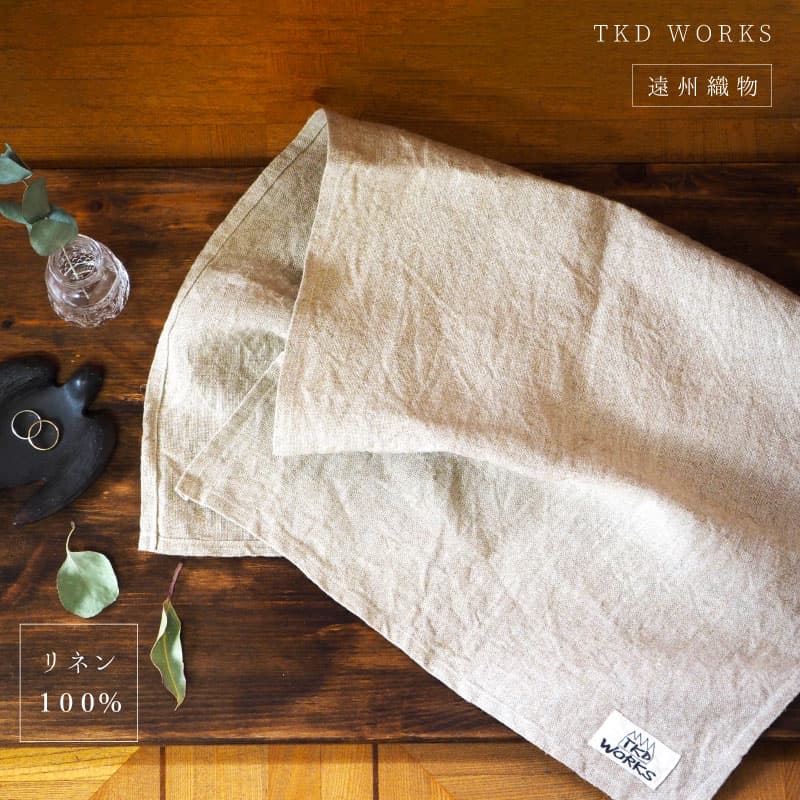
遠州織物 リネン フェイスタオル 75cm×38cm リネン100% 生成り ナチュラル 麻 linen 日本製 北欧 雑貨 ベージュ 速乾 吸水 吸水速乾 シンプル おしゃれ かわいい アウトドア キャンプ 【送料無料】
75 x 38 cm, 100% linen石神の里 STORE
4.6 / 33 reviews
First time buying on Rakuten? How residents in Japan order →
The name Enshu textiles points to western Shizuoka’s Enshu area, with Hamamatsu, Iwata, and nearby towns giving the cloth a clear geography. The name gathers locally woven fabrics rather than one single weave or pattern. Thin cotton-centered cloth, wide cloth, narrow cloth, cords, tapes, Enshu cotton tsumugi, velvet, corduroy, and chusen-dyed yukata cloth all sit within the production-area frame. To understand the family, it helps to follow the materials and the work: Edo-period cotton cultivation, Meiji-period spinning mills, loom invention and dyeing research, and today’s divided sequence of warping, sizing, weaving, and dyeing.
Enshu textiles are woven in the Enshu area of western Shizuoka, where Hamamatsu and Iwata often serve as practical anchors for the production district. The name gathers many locally woven fabrics under a regional name, instead of depending on one pattern, one loom, or one finishing method. That regional character is concrete: weaving and dyeing factories gathered in the western part of the prefecture, Hamamatsu is repeatedly tied to the production area, and Iwata’s Fukude area appears through displays of velvet and corduroy. The regional logo boundary also has a practical meaning, with its mark used for textiles made with member-group involvement or for goods made from those textiles.
The family is broad. Thin cotton cloth is central, while linen, silk, wool, and chemical fibers also appear in the production-area description. Shizuoka’s account adds cotton-silk and cotton-chemical fiber blends, along with velvet, corduroy, and chusen-dyed yukata cloth. Shirt fabric, wide cloth, narrow cloth, cords, tapes, Enshu cotton tsumugi, and yukata cloth each bring a different width, texture, or use. When the word tradition fits here, it means this specific coexistence of materials, weaving, and dyeing within western Shizuoka.
In the Edo period, the Enshu area of western Shizuoka was one of Japan’s notable cotton-growing regions. Farmers who grew cotton began producing cotton textiles as side work, and the practice settled into local life. This history is easiest to grasp through objects: cotton, spinning wheels, thread, and household weaving. At the Hamakita museum in Hamamatsu, Edo-period spinning wheels are displayed, along with Kasai-ori samples once carried by textile merchants traveling around Japan. The path from cotton to yarn to cloth becomes visible in those tools and samples.
During the Meiji period, spinning mills were built in the Enshu area, while loom invention and dyeing research advanced. Shizuoka describes Enshu textiles as a local textile industry that developed through those changes, with factories for weaving, dyeing, and other divided work gathering in the district. Modernization here included a production network able to handle cotton, silk, chemical fibers, weaving, and dyeing together. After the early Showa years, the industry faced war, trade arrangements, shifting fabric booms, a stronger yen, and lower-priced overseas products, while local firms continued through fabric development, technical skill, and local brands.
Enshu textile production is often described as a divided workflow: warping, sizing, weaving, and dyeing are handled by different companies. A bolt of cloth passes through specialized stages. Warping sets the order of the warp threads, sizing prepares yarn for the strain of weaving, weaving interlaces warp and weft, and dyeing gives yukata cloth, hand towels, and other fabrics their color and pattern. The craft value is visible in these steps. When people speak of maker spirit in this district, the concrete meaning is attention to thread, paste, loom settings, and dyeing work.
The Hamakita museum in Hamamatsu turns the Enshu textile name into objects a visitor can study. Its Enshu textile corner arranges looms and tools along the textile process, and it displays spinning wheels used from the Edo period and Kasai-ori samples connected with textile merchants. Those samples show cloth as local production and as something carried outward through trade routes. The museum also offers handloom coaster making and cotton-to-yarn activities. In Iwata’s Fukude area, Corduroy House presents velvet and corduroy materials and handweaving, giving another part of the Enshu textile family a tangible setting.
Contemporary encounters with Enshu textiles are not confined to museum cases. Hamamatsu events around chusen dyeing, yukata, and kimono goods present new yukata, fabric rolls, hand towels, demonstrations, and hands-on dyeing experiences. Local fairs and workshops let visitors handle cloth, listen to makers, and work with selvage, remnants, unusual yarns, and related materials. Shirt fabric and apparel cloth also belong within the Enshu range, alongside yukata fabric, narrow cloth, cords, tapes, velvet, and corduroy. The family remains legible through things people can see, touch, wear, or make with.
The shape of Enshu textiles appears across western Shizuoka’s cotton-growing memory, the workshop network around Hamamatsu and Iwata, spinning wheels and Kasai-ori samples in Hamakita, and present-day yukata cloth, hand towels, and shirt fabrics. The family joins Edo-period cotton work, Meiji-period spinning and dyeing development, multiple materials, and a divided sequence from warping to dyeing. Enshu cloth reads like a production-area map: each thread, sizing step, loom pass, and dyed length carries western Shizuoka behind the finished fabric.
Compiled from public records and official sources; see the recognition links below. Details may change over time.
Where this product is officially registered, designated, or recognized in Japan.
Regional collective trademark
Registered as a Regional Collective Trademark with the Japan Patent Office.
Sources1
It is written as 遠州織物 in Japanese. Search Rakuten and other Japanese sites with that spelling — the English name will not bring up the listings.
Enshu textiles are the collective name for woven fabrics from western Shizuoka's Enshu area, especially around Hamamatsu and Iwata. The name covers thin cotton-centered cloth, linen, silk, wool, chemical fibers, Enshu cotton tsumugi, wide and narrow cloth, cords, tapes, velvet, corduroy, and chusen-dyed yukata fabric. The area's weaving grew from Edo-period cotton growing and farmhouse weaving.
Enshu textiles are not defined by a single weave. Meiji-period spinning mills, loom invention, and dyeing research helped Enshu textiles develop as a local industry. Production is divided across companies handling warping, sizing, weaving, dyeing, and related work. The Hamakita museum displays looms, Edo-period spinning wheels, and Kasai-ori samples connected with Enshu textiles.
Chusen-dyed yukata cloth is used for yukata, and public events show or sell yukata, fabric rolls, hand towels, and kimono goods. Enshu also supplies shirt fabric and other apparel textiles, including wide cloth and high-density cloth used by domestic and overseas apparel brands. Workshops use fabric selvage, remnants, and unusual yarns to make fans, scrunchies, corsage brooches, and woven necklaces.
Naturally dyed textiles shed some colour on first wash. Hand-wash separately with a neutral detergent, avoid long soaking and bleach, and dry in the shade to prevent fading. Silk, ramie, and traditionally dyed pieces often need professional cleaning — the care label on the listing takes precedence.
Most options are shelf-stable, boxed, and travel well, so they suit gifting or bringing home. Confirm the final storage and delivery terms on the Rakuten listing.
On Rakuten: the shops listed here right now are 自分サイズでつくる BST APPAREL, 石神の里 STORE. We don't sell directly; purchase, payment, stock, and delivery are all handled on the Rakuten product page.