 3 images
Washable Women's Edo Komon Lined Kimono
( 女袷 江戸小紋 ) 洗える着物 袷 小紋 江戸小紋 6柄 10色 レトロ モダン 着物 女性 レディース M/L
6 patterns, 10 colors, M/L京越卸屋
4.2 / 284 reviews
Japanese name江戸小紋
Across Tokyo districts such as Shinjuku, Setagaya, Nerima, and the Kanda River area, silk cloth carries dots and lines so small that the surface reads plain from afar and patterned up close.
Information last updated 120 days ago
3 images( 女袷 江戸小紋 ) 洗える着物 袷 小紋 江戸小紋 6柄 10色 レトロ モダン 着物 女性 レディース M/L
6 patterns, 10 colors, M/L京越卸屋
4.2 / 284 reviews
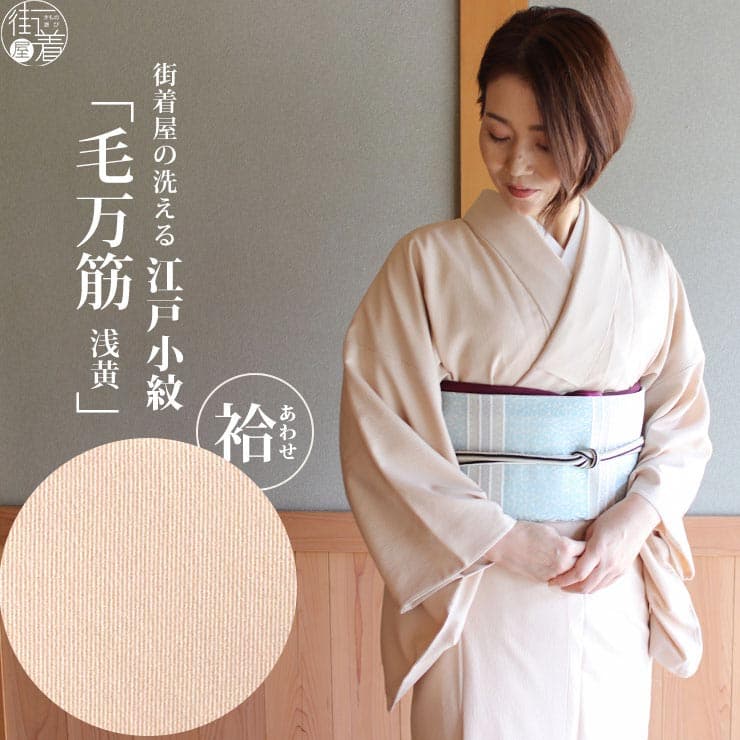 3 images
[ 洗える 着物 ] 江戸小紋 袷 毛万筋 浅黄色 M L サイズ 日本製 着物 洗える 小紋 袷着物 街着屋オリジナル 色無地 和装 訪問着 女性 レディース 化繊 東レ 仕立て上がり プレタ 結婚式 披露宴 七五三 成人式 服装 母親 略礼装 春 秋 冬 大きい 黄色 (ym412)
Kemansuji light yellow, M/L sizes街着屋 〜きもの遊び〜
4.3 / 31 reviews
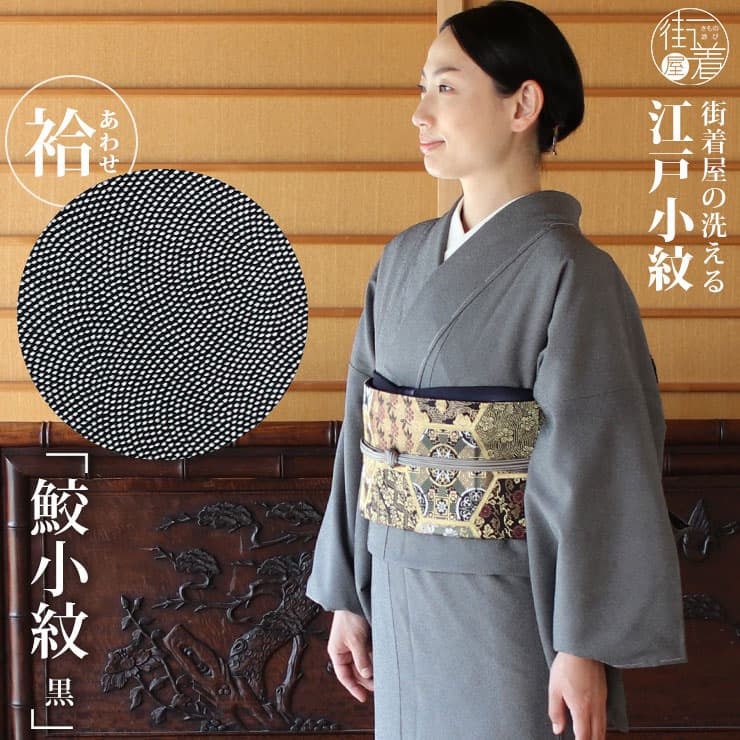 3 images
[ 洗える 着物 ] 江戸小紋 袷 鮫小紋 黒 M L サイズ 日本製 着物 洗える 小紋 袷着物 街着屋オリジナル 色無地 和装 訪問着 女性 レディース 化繊 東レ 仕立て上がり プレタ 結婚式 披露宴 七五三 成人式 服装 母親 略礼装 春 秋 冬 大きい ブラック (ym412)
Samekomon black, M/L街着屋 〜きもの遊び〜
4.5 / 31 reviews
First time buying on Rakuten? How residents in Japan order →
Edo komon begins with a quiet surface. On silk cloth, dots and fine lines around 0.5 to 1 millimeter repeat until the fabric can look nearly plain from a short distance; closer in, patterns such as same, toshi, kaku-toshi, and tamajima appear. The work belongs to Tokyo dyeing districts around Shinjuku, Setagaya, Nerima, and the water-rich Kanda River area, where a bolt of cloth, a paper stencil, hand-matched paste, and a wearing occasion all meet in the same surface.
On a Tokyo map, Edo komon first gathers around places named in the craft: Shinjuku, Setagaya, Nerima, and other production districts. Dyeing required abundant water, so the Kanda River basin became a natural center for this work. In the Meiji and Taisho periods, the dyeing area also extended from Edogawabashi, Waseda, and Totsuka toward Takadanobaba, while Waseda and Ochiai remain associated with Edo komon and related dyeing work. The name Tokyo Some Komon ties this family to silk cloth, small-pattern color and design, hand-matched stencils, and ground dyeing by hikizome or shigoki.
Distance changes the cloth. Edo komon uses tiny dots and lines of about 0.5 to 1 millimeter, and the goku-same pattern can hold more than a thousand separate dots inside a 3 cm square. Tamajima places 26 lines within a width of about 3 cm, while futatsuwari places 23. Those numbers become visible only when the cloth is near the eye: same curves through dots, toshi settles into ordered rows, and kaku-toshi forms a gridded rhythm on silk that first looked almost plain.
About four centuries of clothing use sit behind Edo komon. From the 17th to the mid-19th century, daimyo going to Edo Castle used fine dyed patterns on kamishimo garments to identify their domains, and each family developed fixed patterns for formal use. By the middle of the Edo period, komon moved into townspeople’s kimono and haori. The subjects widened from warrior-house patterns to nature, daily tools, and letters; one playful motif pairs daikon radish with a grater as a wish for harvest.
The work starts before dye touches silk. Stencils are cut from handmade washi prepared with persimmon tannin, with dots, lines, and geometry carved by awls or knives; Ise, Shiroko in Suzuka, and Jike village are tied to the making of such stencils. A dyer then lays a stencil of about 20 cm on the cloth, repeats it across a bolt nearly 13 meters long, and joins each placement by hand. The resist paste combines glutinous rice flour, rice bran, salt, and related ingredients, while the ground color is applied by hikizome or shigoki; the back of the cloth remains white so the small front pattern stays crisp.
Pattern and color change how Edo komon is worn. Same uses fine dots to form curves, toshi creates orderly alignment, and kaku-toshi can enter formal dress when a crest is added. The same family of cloth appears in everyday kimono, semi-formal wear, and tea gatherings, where an Edo komon kimono may be paired with a fukuro obi. Color also changes the impression of a pattern, shifting the surface from subdued to modern while keeping the small repeated design at the center.
At the Shoto Museum of Art in Shibuya, an exhibition on Edo komon and stencils brought together roughly 150 stencils and 90 kimono with komon patterns. When a stencil is held between acrylic sheets and lit from behind, stripes, geometry, flowers, birds, wind, and moon motifs appear as tiny cuts before they become dyed cloth. Seeing stencil and kimono together turns the tool into a visible design object and shows how knife work, paste, and silk become a wearable surface.
Edo komon compresses Tokyo’s dyeing landscape into a small scale: Kanda River water, persimmon-treated paper, a bolt nearly 13 meters long, and more than a thousand dots in a 3 cm square. It moved from kamishimo to town kimono and haori, and today the same fine-pattern dyeing also appears on ties, pocket squares, and stoles. Whether on a sleeve or a small accessory, the cloth still asks the viewer to come close before the dots and lines reveal themselves.
Compiled from public records and official sources; see the recognition links below. Details may change over time.
Where this product is officially registered, designated, or recognized in Japan.
Regional collective trademark
Registered as a Regional Collective Trademark with the Japan Patent Office.
Sources1
It is written as 江戸小紋 in Japanese. Search Rakuten and other Japanese sites with that spelling — the English name will not bring up the listings.
Edo komon is a fine Tokyo stencil-dyed textile linked to production districts such as Shinjuku, Setagaya, Nerima, and the Kanda River basin. Its surface is built from tiny repeated dots and lines, so the cloth looks nearly plain from a distance and reveals its pattern only up close. The craft grew from Edo-period samurai kamishimo and fixed daimyo patterns, then spread to townspeople's kimono and haori, and it is made using hand-carved paper stencils and hand-dyeing.
Edo komon is a Tokyo small-pattern stencil-dyed textile, and the name Tokyo Some Komon connects the work to silk cloth, small-pattern color and design, hand-matched stencils, and hikizome or shigoki dyeing. Edo komon uses dots and fine lines of about 0.5 to 1 millimeter; goku-same can contain more than a thousand dots inside a 3 cm square. Tamajima has 26 lines in about a 3 cm width, and futatsuwari has 23, making the patterns clearer close up than at a distance. Edo komon developed through samurai kamishimo and fixed daimyo patterns before spreading to townspeople's kimono and haori from the mid-Edo period onward.
Patterns such as same and toshi, which carry higher formality, can be worn as semi-formal dress, and kakudoshi with a family crest added can serve as formal wear, often paired with a fukuro obi for tea gatherings or celebratory occasions. For everyday wear, Edo komon can shift in mood depending on the obi, such as pairing it with a dyed obi for a more casual look, or choosing patterns with iware, motifs rooted in common people's stories. Beyond kimono, Edo komon has extended into modern items such as neckties, pocket squares, and stoles.
Naturally dyed textiles shed some colour on first wash. Hand-wash separately with a neutral detergent, avoid long soaking and bleach, and dry in the shade to prevent fading. Silk, ramie, and traditionally dyed pieces often need professional cleaning — the care label on the listing takes precedence.
Most options are shelf-stable, boxed, and travel well, so they suit gifting or bringing home. Confirm the final storage and delivery terms on the Rakuten listing.
On Rakuten: the shops listed here right now are 京越卸屋, 街着屋 〜きもの遊び〜. We don't sell directly; purchase, payment, stock, and delivery are all handled on the Rakuten product page.