 3 images
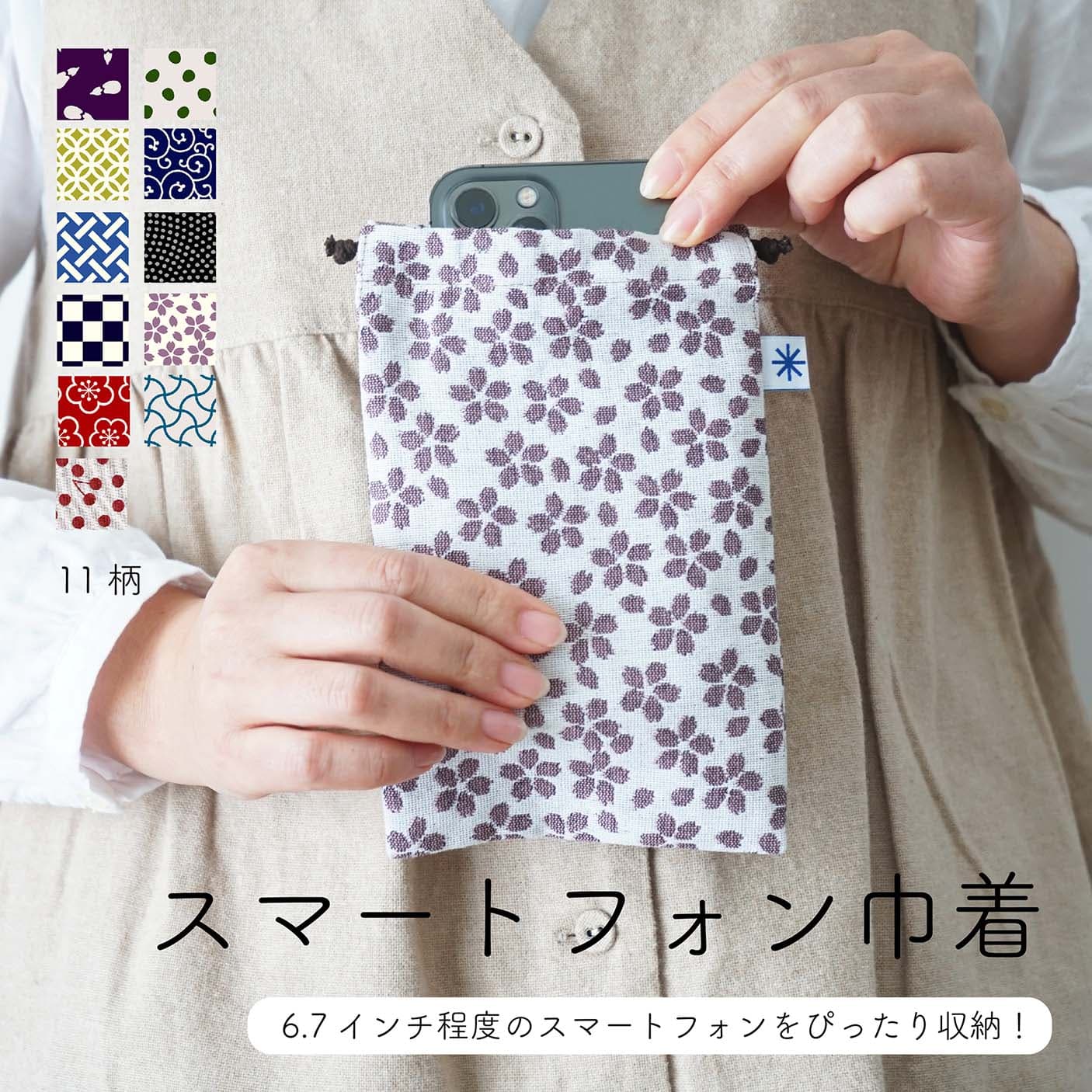
Yonezawa-ori Cotton Smartphone Drawstring Pouch
スマートフォン 巾着 大きめ 和柄 スマホポーチ 大人 おしゃれ かわいい レディース メンズ 日本製 国産 収納 布 織物 和雑貨 米沢織 綿100% モバイル 国産 ギフト プレゼント 贈り物 実用的 シンプル母の日
large米沢織織元 和雑貨と珈琲の鷹山堂
4.8 / 126 reviews
Japanese name米沢織
In Yamagata's Okitama region, Yonezawa ori grew from ramie cloth and safflower dyeing into textiles for kimono cloth, hakama, dress fabrics, scarves, and neckties.
Information last updated 120 days ago
3 imagesスマートフォン 巾着 大きめ 和柄 スマホポーチ 大人 おしゃれ かわいい レディース メンズ 日本製 国産 収納 布 織物 和雑貨 米沢織 綿100% モバイル 国産 ギフト プレゼント 贈り物 実用的 シンプル母の日
large米沢織織元 和雑貨と珈琲の鷹山堂
4.8 / 126 reviews
 3 images
創業98年 老舗フォーマルバッグ専門メーカー【岩佐公式】【ランキング1位】フォーマルバッグ 日本製 大きめ ブランド 米沢織 葬儀 お葬式 弔事 慶弔両用 かばん ブラックフォーマル 黒 冠婚葬祭 法事 トートバッグ タッセル付き 葬式バッグ 葬儀バッグ 8633
with tassel岩佐直営【楽天市場店】
4.9 / 39 reviews
 3 images
創業98年 老舗フォーマルバッグ専門メーカー【岩佐公式】【ランキング1位】フォーマルバッグ 日本製 大きめ ブランド 米沢織 葬儀 お葬式 かばん ブラックフォーマル 黒 冠婚葬祭 ハンドバッグ 葬式バッグ 葬儀バッグ 9072
large岩佐直営【楽天市場店】
4.9 / 89 reviews
First time buying on Rakuten? How residents in Japan order →
Yonezawa ori belongs to Yonezawa City and the wider Okitama area of Yamagata Prefecture. Cold, snowy winters gave indoor textile work a close place in local life, while mulberry, ramie, and safflower connected sericulture, hemp textiles, and dyeing to the same landscape. Today the name covers kimono cloth, obi, hakama, women's clothing fabrics, scarves, neckties, and small woven goods.
The earliest shape of Yonezawa cloth begins with plants named around the region. Mulberry connected the area to sericulture; ramie, also called aoso or karamushi, gave fiber for hemp textiles; safflower had long been used in Yamagata as a dye. These plants gave the production area its first material vocabulary: thread, cloth, and color.
Cold, snowy winters in Okitama gave indoor textile work a practical place. Weaving, dyeing yarn, and preparing warps could sit close to household life while the outside landscape was under snow. Yonezawa ori grew from that meeting of plants, winter work, and cloth-making skill.
Yonezawa weaving took a new direction under Uesugi Harunori, better known as Uesugi Yozan, the ninth lord of the Yonezawa domain. During domain reforms, women in samurai households learned weaving as side work, and technicians from Ojiya in Niigata helped make chijimi cloth.
The production area then moved from ramie-based hemp textiles toward silk weaving supported by Okitama sericulture. The concrete path runs through household looms, invited technicians, chijimi cloth, and the change from plant fiber to silk thread.
After the Meiji period began, Yonezawa textile production shifted from household industry toward factory production, and weaving businesses increased. The area also lost market trust when inferior products circulated. By the late nineteenth century, a silk-weaving trade association centered its work on stronger inspection and dyeing improvement.
That turning point shows how Yonezawa ori depended on coordination across the production area. Technical schools, power looms, jacquard weaving, and dobby weaving later supported further development, while rayon and other chemical fibers opened paths toward clothing textiles beyond silk.
Yonezawa ori begins before a thread reaches the loom. Work starts with planning and design drawings, then moves into weave-structure planning, dyeing, yarn preparation, warping, weaving, finishing, inspection, and sewing. Each step shapes the color, pattern, texture, and final use of the fabric.
Jacquard weaving can handle complex patterns, while dobby weaving is used for dense, smooth cloth. Yarn-dyed weaving fixes color before the cloth is woven, and plant dyes appear alongside chemical dyes. Paper design, dye vats, warp threads, and looms sit inside one connected production flow.
The material range of Yonezawa ori is broad. Earlier production used ramie and hemp cloth; sericulture later brought silk thread. Dye materials include safflower and purple root, along with plant dyes such as indigo, gardenia, and pomegranate. From the Meiji period onward, rayon and other chemical fibers also developed in the region.
The changing fiber list lets Yonezawa ori move across silk weaving, clothing fabrics, hakama cloth, and smaller goods. Its continuity appears in the way new fibers entered existing steps of dyeing, warping, weaving, and finishing.
Yonezawa ori appears in kimono cloth, obi, and hakama, and also in women's suits, dresses, coats, formalwear fabrics, scarves, neckties, and small textile goods. That range links the production area to both Japanese dress and modern clothing textiles.
In Yonezawa City, the Yonezawa Textile Historical Museum and the Yonezawa Textile Council tie the finished cloth back to its setting. Behind a bolt of fabric are Okitama plants, Yonezawa workshop steps, and the people of a coordinated textile district.
Across Yonezawa ori, ramie, safflower, mulberry, and silk thread remain tied to Okitama in Yamagata Prefecture. Planning, dyeing, warping, weaving, finishing, and inspection tie the cloth to workshops and producer coordination. Kimono cloth, hakama, dress fabrics, scarves, and neckties show how one production area carried its textile work across changing uses.
Compiled from public records and official sources; see the recognition links below. Details may change over time.
Where this product is officially registered, designated, or recognized in Japan.
Regional collective trademark
Registered as a Regional Collective Trademark with the Japan Patent Office.
Sources1
It is written as 米沢織 in Japanese. Search Rakuten and other Japanese sites with that spelling — the English name will not bring up the listings.
Yonezawa ori is a textile family from Yonezawa City and the wider Okitama area of Yamagata Prefecture, shaped by mulberry, ramie, safflower, sericulture, and silk thread. Its development is tied to Uesugi Yozan's industrial policies, chijimi techniques supported by Ojiya technicians, and Meiji-era producer organization around inspection and dyeing improvement. Today it spans kimono cloth, obi, hakama, dress fabrics, scarves, neckties, and small woven goods, with processes from planning and dyeing to warping, weaving, finishing, inspection, and sewing.
During Uesugi Yozan's reforms, women in samurai households learned weaving, and technicians from Ojiya supported chijimi cloth production. A trade association formed in 1892 worked on stronger inspection and dyeing improvement to rebuild quality and trust. Mulberry, ramie, and safflower connect the area to sericulture, hemp textiles, and dyeing. Materials and dyeing contexts include ramie, silk, safflower, purple root, plant dyes, rayon, and chemical fibers.
It is worn as kimono cloth, obi, hakama, and rain coats. It also appears as fabric for women's suits, dresses, coats, and formalwear, reflecting a postwar shift toward Western-style clothing. Small goods such as scarves and neckties use yarn-dyed weaving with plant dyes like safflower, indigo, gardenia, pomegranate, and purple root for soft color effects.
Naturally dyed textiles shed some colour on first wash. Hand-wash separately with a neutral detergent, avoid long soaking and bleach, and dry in the shade to prevent fading. Silk, ramie, and traditionally dyed pieces often need professional cleaning — the care label on the listing takes precedence.
Most options are shelf-stable, boxed, and travel well, so they suit gifting or bringing home. Confirm the final storage and delivery terms on the Rakuten listing.
On Rakuten: the shops listed here right now are 米沢織織元 和雑貨と珈琲の鷹山堂, 岩佐直営【楽天市場店】. We don't sell directly; purchase, payment, stock, and delivery are all handled on the Rakuten product page.