 3 images
Matsukawa Lepyan Echizen-ori Fuwappen Fukui Dinosaur Hiragana Patch
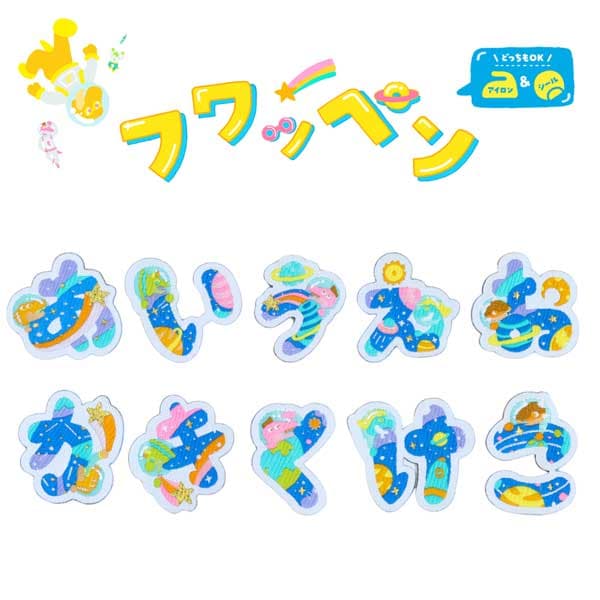
≪松川レピヤン≫フワッペン(あ行・か行・さ行・た行・な行・は行)【福井 恐竜 宇宙 越前織 ワッペン ひらがな 入園 入学 名前 アイロン アップリケ 】
a/ka/sa/ta/na/ha rows, 1 patch発見!うまうま探検隊+
4.8 / 12 reviews
Japanese name越前織
In Maruoka Town, Sakai City, Fukui, woven labels, patches, and tapes pass through design, loom setup, finishing, inspection, and cutting before they become small details on clothing and textile goods.
Information last updated 120 days ago
3 images≪松川レピヤン≫フワッペン(あ行・か行・さ行・た行・な行・は行)【福井 恐竜 宇宙 越前織 ワッペン ひらがな 入園 入学 名前 アイロン アップリケ 】
a/ka/sa/ta/na/ha rows, 1 patch発見!うまうま探検隊+
4.8 / 12 reviews
 3 images
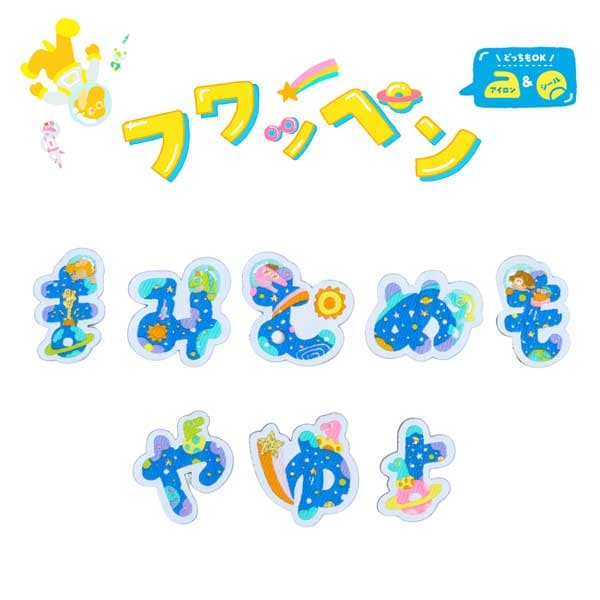
≪松川レピヤン≫フワッペン(ま行・や行・ら行・小文字など)【福井 恐竜 宇宙 越前織 ワッペン キラキラ 入園 入学 アイロン アップリケ 】
ma, ya, ra rows and small kana発見!うまうま探検隊+
5.0 / 5 reviews
 3 images
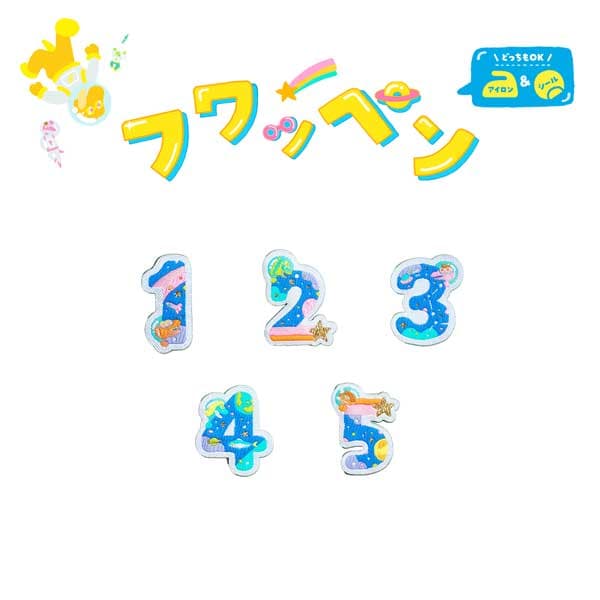
≪松川レピヤン≫ナンバーフワッペン【福井 恐竜 宇宙 越前織 ワッペン 数字 キラキラ 入園 入学 アイロン アップリケ 】
1 patch発見!うまうま探検隊+
5.0 / 1 reviews
First time buying on Rakuten? How residents in Japan order →
Echizen-ori often appears at a modest scale: a woven name label at a collar, a patch on a uniform, a narrow tape along fabric. Its production center is Maruoka Town in Sakai City, Fukui, where the cooperative is based and where many member workshops are listed across local neighborhoods. Behind each small tag is a sequence of choices about size, polyester or rayon, weave structure, loom, finishing, inspection, and cutting.
Echizen-ori is built around narrow woven goods such as labels, patches, and woven tape, with Maruoka Town as its main production center. The cooperative is located in Ipponden-Fukusho, Maruoka Town, and its member list includes many related businesses in Maruoka neighborhoods such as Inozume, Aramachi, Kasumicho, Gima, Tatsumicho, and Matsukawa, along with members elsewhere in Sakai and nearby parts of Fukui. That close geography supports a production chain in which a small woven label can move through design, weaving, finishing, and final preparation within the regional workshop network.
The link between Maruoka and woven marks goes back to 1915, when woven-mark manufacturing was introduced to the town. In 1930, a local organization for narrow mark textiles was formed as changes in clothing and daily life increased demand for badges, cap marks, and shoulder insignia. In 1986, the production area adopted the name Echizen-ori to bring woven labels and newer related products under one regional textile identity; here, that identity means Maruoka-area workshops, narrow looms, and shared production steps rather than a vague heritage label.
A label begins with a full-size design, followed by choices about polyester, rayon, color, weave structure, and the loom suited to the finished feel, stretch, and strength. Plain weave, twill, satin, and high-density structures are among the options used to translate a mark or lettering into woven form. The design is then converted into a loom-ready pattern file, woven on equipment that matches the specifications, treated with resin, heat setting, or ink-stopping processes for shrink control and wrinkle removal, inspected one by one for loose threads and stains, then cut, rolled, board-wound, or bagged as required.
FS yarn is the cooperative’s original polyester dope-dyed yarn, commercialized in 1997. Pigment is mixed into the raw polyester at an early stage of yarn production, which gives the yarn strong color expression and resistance to color loss. The name combines “fine” with a silk-like sheen, and the yarn is kept in about 90 standing colors for use as pattern weft in woven labels. In this work, color is not simply placed on the surface; it is carried by yarn and weave structure into small letters, marks, and multicolor designs.
The named uses for Echizen-ori include apparel labels, patches, woven tape, and uniform-related marks. The cooperative describes its technology as serving uses from global fashion brands to school uniforms, and the Fukui company profile says FS yarn is used for woven labels adopted by many well-known brands in Japan and abroad. These small textiles are sewn into garments, uniforms, and fabric goods to carry names, marks, color, and identification in woven form.
Maruoka’s narrow textile work did not remain fixed at early woven-mark methods. The cooperative’s chronology notes the introduction of rapier looms in 1982, computerization of pattern-card work around 1984 to 1985, and later capabilities such as ultra-high-density weaving, expression with up to 12 colors, and woven QR codes. The tradition here is concrete: looms, pattern files, FS yarn color ranges, one-by-one inspection, and member workshops keep changing the way small woven goods are made.
Echizen-ori is easy to miss because it often sits at the edge of a garment as a label, patch, or tape. In Maruoka Town, those small pieces have a clear route: woven-mark technology introduced in 1915, local organization after 1930, material choices such as polyester and rayon, about 90 FS yarn colors, loom work, finishing, inspection, and cutting. The result is a Fukui narrow-textile practice folded into everyday names, marks, and colors on clothing.
Compiled from public records and official sources; see the recognition links below. Details may change over time.
Where this product is officially registered, designated, or recognized in Japan.
Regional collective trademark
Registered as a Regional Collective Trademark with the Japan Patent Office.
Sources1
It is written as 越前織 in Japanese. Search Rakuten and other Japanese sites with that spelling — the English name will not bring up the listings.
Echizen-ori is a narrow textile production family centered in Maruoka Town, Sakai City, Fukui, covering woven labels, patches, and woven tape. Production moves from full-size design and material and color choice through weave structure, loom selection, and pattern files to weaving, finishing, inspection, cutting, and packing. The family also includes an original polyester dope-dyed yarn used for pattern weaving in labels.
Echizen-ori is centered in Maruoka Town, Sakai City, Fukui, where the cooperative is located in Ipponden-Fukusho. The member list shows many related businesses clustered in Maruoka Town, with additional members elsewhere in Sakai and nearby Fukui areas. Woven-mark manufacturing was introduced to Maruoka in 1915, and a local narrow mark textile organization formed in 1930. The name Echizen-ori was adopted in 1986 for woven labels and newer related narrow textile products.
Echizen-ori is used for woven labels, patches, and woven tape on apparel, including labels adopted by well-known brands in Japan and abroad. It is also used for school-uniform related marks such as badges, cap marks, and shoulder insignia. It has also been used for interior and gift items, such as a 1986 woven image of Maruoka Castle and later a book cover and bookmark for the publication "日本一短い手紙."
Naturally dyed textiles shed some colour on first wash. Hand-wash separately with a neutral detergent, avoid long soaking and bleach, and dry in the shade to prevent fading. Silk, ramie, and traditionally dyed pieces often need professional cleaning — the care label on the listing takes precedence.
Most options are shelf-stable, boxed, and travel well, so they suit gifting or bringing home. Confirm the final storage and delivery terms on the Rakuten listing.
On Rakuten: the shops listed here right now are 発見!うまうま探検隊+. We don't sell directly; purchase, payment, stock, and delivery are all handled on the Rakuten product page.