 3 images
Kyo Lacquerware 13-sun Oval Placemat
ランチョマット 13寸 楕円マット 金ラメ/銀ラメ 単品 洗える 敷物 お膳 配膳 京漆器 華やか 金色 銀色 ゴールド シルバー 無地
gold/silver glitter京花香
Japanese name京漆器
Kyo-shikki grows from Kyoto Prefecture’s lacquer craft, joining tea utensils, tableware, furnishings, and furniture through wood bases, lacquer coating, maki-e decoration, crisp corners, and quiet surfaces.
Information last updated 121 days ago
3 imagesランチョマット 13寸 楕円マット 金ラメ/銀ラメ 単品 洗える 敷物 お膳 配膳 京漆器 華やか 金色 銀色 ゴールド シルバー 無地
gold/silver glitter京花香
 3 images
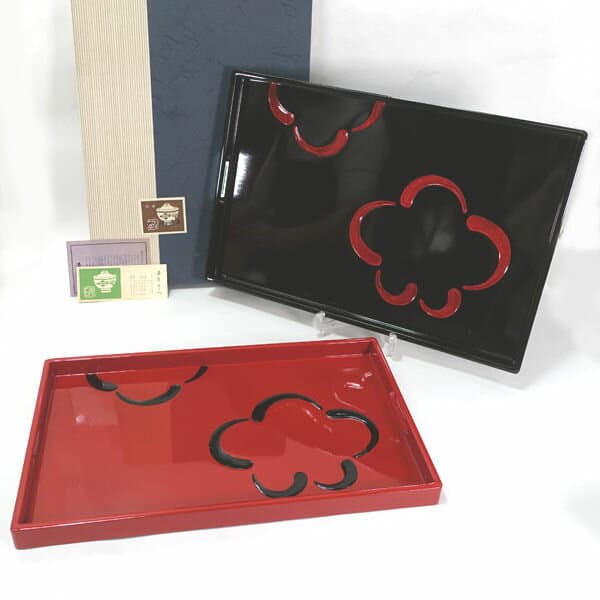
【スーパーSALE】京漆器 漆器のアソベ ◆【漆器】アソベ/京漆器 長手盆(大小2個組) 茶道具 インテリア 工芸品 ギフト【未使用】
large and small 2-piece setアーチェリー2(Archery)
First time buying on Rakuten? How residents in Japan order →
Kyo-shikki is Kyoto lacquerware, also known through the names Kyo-nuri and Kyo-maki-e. Its range includes natsume tea caddies, hearth frames, bowls, trays, stacked boxes, confectionery vessels, document boxes, display shelves, low tables, flower vessels, and panels. Kyoto Prefecture’s craft history places maki-e in the Nara period and describes later Heian-period developments such as togidashi maki-e and hira maki-e; from the Muromachi period onward, Kyoto grew as a major center of lacquerware through tea culture, temple and aristocratic patronage, and skilled lacquer artisans.
The clearest way into Kyo-shikki is through objects held, opened, carried, and placed. A natsume stores powdered tea, a ro-buchi frames the hearth, and trays, incense containers, and tea shelves bring lacquer into tea practice. The same family includes bowls, stacked boxes, confectionery vessels, serving trays, document boxes, inkstone boxes, display shelves, low tables, flower vessels, and panels. These forms place Kyoto lacquerware across tea rooms, meals, writing spaces, and interiors rather than inside one single vessel type.
Maki-e is decoration that appears as if gold powder has been scattered over a lacquer ground. Kyoto Prefecture places its birth in the Nara period and describes Heian-period developments including togidashi maki-e and hira maki-e, followed by taka maki-e and shishiai maki-e from the Kamakura to Muromachi periods. The terms point to changes in surface and depth: designs can seem polished out of lacquer layers, laid flat with powder, or raised into relief above the ground.
From the Muromachi period, Kyoto’s lacquerware grew alongside tea culture and the support of temples and aristocratic households that kept particular maki-e artisans close. Works called Higashiyama-period pieces are linked with the tastes of wabi and sabi; here culture means a concrete setting of tea caddies, incense containers, trays, and hearth frames handled in quiet rooms. Later, Azuchi-Momoyama lacquerware reflected the preferences of a rising warrior class, while Edo-period design showed dense and delicate ornament, including lines associated with Koetsu, Korin, and Rinpa taste.
Kyo-shikki workmanship often becomes visible at the edge. The association describes selected materials, kunkuri-sabi work on corners of trays and stacked boxes, vessel strength, the beauty of flat surfaces, crisp upright edges, and a delicate finish. Those details matter when a stacked box is opened or a tray is lifted: the corner, plane, and lacquer edge decide how the object sits in the hand and how light moves across the surface.
The present craft community is organized around divisions such as wood base, coating, and maki-e within the Kyoto Lacquerware Craft Cooperative. The wood base gives the object its shape, coating builds the lacquer surface, and maki-e places powder and design onto that ground. A Kyoto craft notice also lists a Kyo-shikki exhibition connected with the cooperative and the Kyoto Lacquerware Youth Association, a small sign that the craft still moves through workshops and public craft events in Kyoto.
Kyo-shikki is best read through Kyoto Prefecture, lacquer ground, gold maki-e, and named objects. Natsume, ro-buchi, stacked boxes, bowls, trays, confectionery vessels, document boxes, and display shelves connect tea practice, meals, writing, and interiors. From Nara-period maki-e references to Muromachi Kyoto’s tea culture and today’s divisions of wood base, coating, and maki-e, Kyoto lacquerware keeps its continuity in objects made to be handled and seen.
Compiled from public records and official sources; see the recognition links below. Details may change over time.
Where this product is officially registered, designated, or recognized in Japan.
It is written as 京漆器 in Japanese. Search Rakuten and other Japanese sites with that spelling — the English name will not bring up the listings.
Kyo-shikki is Kyoto Prefecture lacquerware, also known as Kyo-nuri and Kyo-maki-e, spanning tea utensils, tableware, furnishings, and furniture. Maki-e appears in the Nara period in the Kyoto Prefecture account and develops through Heian techniques such as togidashi maki-e and hira maki-e; from the Muromachi period, Kyoto grows as a lacquerware center through tea culture, artisan patronage, and skilled makers. Present work is organized around wood bases, coating, and maki-e, with attention to kunkuri-sabi corners, flat surfaces, and delicate finish.
Kyo-shikki is a Kyoto Prefecture lacquerware family also known as Kyo-nuri and Kyo-maki-e. Kyo-shikki includes natsume tea caddies, hearth frames, bowls, trays, stacked boxes, confectionery vessels, document boxes, display shelves, low tables, flower vessels, and panels. Maki-e is decoration that appears as if gold powder has been scattered over a lacquer ground, and Kyoto Prefecture places its birth in the Nara period. Togidashi maki-e and hira maki-e developed in the Heian period, while taka maki-e and shishiai maki-e appear from the Kamakura to Muromachi periods.
Porous earthenware is usually given a "medome" treatment first — simmer it gently in rice-rinsing water (or water with a little flour), then cool, rinse, and air-dry. This reduces staining and odour absorption. Porcelain normally just needs a wash. Follow the listing where it says otherwise.
Handmade earthenware, pieces with gold or silver overglaze, and lacquerware generally should not go in a dishwasher, microwave, or heated drying cabinet; heat-resistant porcelain usually can. Check the Rakuten listing for the specific piece.
Most options are shelf-stable, boxed, and travel well, so they suit gifting or bringing home. Confirm the final storage and delivery terms on the Rakuten listing.
On Rakuten: the shops listed here right now are 京花香, アーチェリー2(Archery). We don't sell directly; purchase, payment, stock, and delivery are all handled on the Rakuten product page.