 3 images
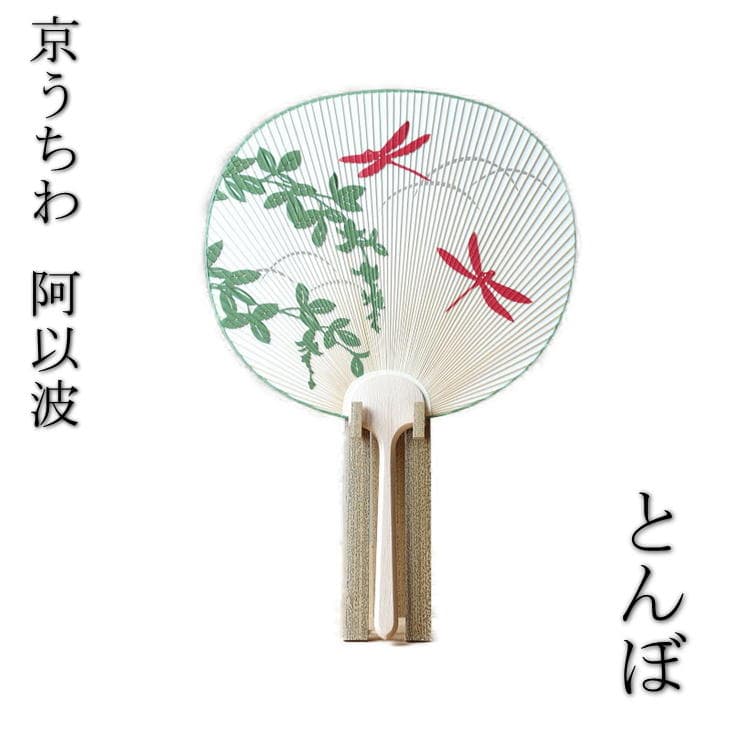
阿以波 Kyoto Uchiwa Fan, Standard Half-Openwork Dragonfly
京うちわ 阿以波 並型片透うちわ とんぼ 夏飾り 伝統工芸品 あいば 京都
dragonflyセレクトショップマルケン
4.8 / 4 reviews
Japanese name京うちわ
Kyo-uchiwa is built from a fan face and handle made apart, then joined. In Kyoto, washi, bamboo, wood, foil, shellwork, and workshop practice turn the round fan into a tool for wind and a form for the room.
Information last updated 120 days ago
3 images京うちわ 阿以波 並型片透うちわ とんぼ 夏飾り 伝統工芸品 あいば 京都
dragonflyセレクトショップマルケン
4.8 / 4 reviews
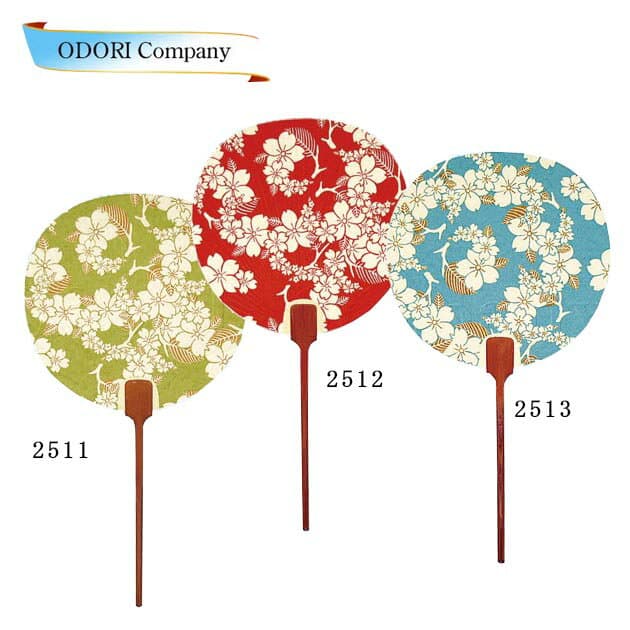
うちわ 京うちわ 高級 長柄 都うちわ 裏面白和紙 おしゃれ 花柄 南の風 夏 2511-2513
22 x 40 cm, white washi backODORI Company 楽天市場店
5.0 / 1 reviews
 3 images
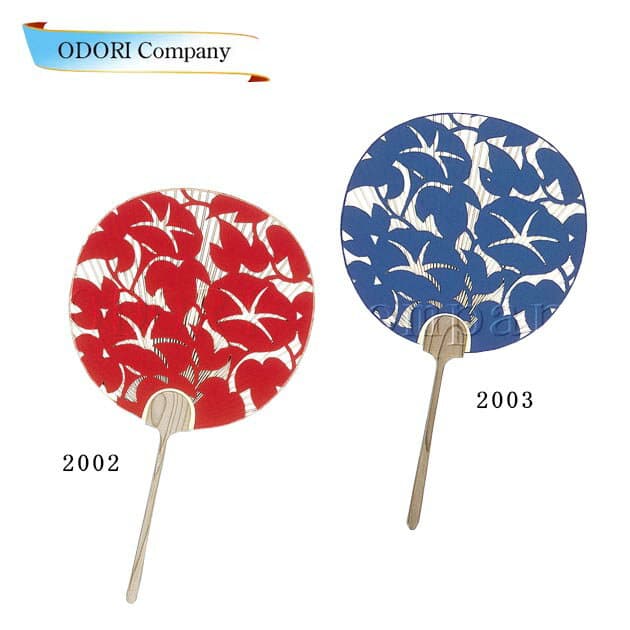
京うちわ 大型 透かし うちわ あさがお 竹 丸型うちわ 七夕 団扇 両面透かし 踊りうちわ 都うちわ
Morning glory / bambooODORI Company 楽天市場店
5.0 / 1 reviews
First time buying on Rakuten? How residents in Japan order →
A Kyo-uchiwa begins with two parts: the round fan face and the handle. They are made separately and joined later, a sashie-gara construction that gives the Kyoto round fan its clearest structure. Around that joint gather named materials and surfaces: Mino, Yao, and Echizen washi; handles of bamboo, tsuga, cedar, or lacquered material; and decoration shaped by carving, woodblock work, mineral pigments, embroidery, metal leaf, and raden shellwork. Across Kyoto City, shops and workshops in Nakagyo, Higashiyama, Shimogyo, Yamashina, Fushimi, and Sakyo keep the object tied to streets, makers, and repeated handwork.
Kyo-uchiwa is a Kyoto round fan family, also known as Goshō-uchiwa. Kyoto fan shops and workshops connected with this craft appear across Nakagyo, Higashiyama, Shimogyo, Yamashina, Fushimi, and Sakyo; one named example, Kyo-uchiwa Aiba, stands on Yanaginobanba-dori near Rokkaku in Nakagyo. The name also has a production boundary: it is used for member-made goods produced in Japan with Kyoto as the center. For a reader, the word points to districts, workshops, and a domestic making area rather than a loose decorative style.
The defining construction is direct to describe and demanding to repeat well: the fan face and handle are made separately, then joined. The face carries paper and image; the handle may be bamboo, tsuga, cedar, or lacquered material; the finished fan depends on the place where those parts meet. Because the handle is inserted later, Kyo-uchiwa differs from a one-piece round fan through its assembly as much as through its decoration.
The material palette is specific. The fan face mainly uses Mino, Yao, or Echizen washi, while decoration may involve hand carving, woodblock printing, mineral pigments, embroidery, gold leaf, platinum leaf, and raden shellwork. Each material changes the fan’s surface: washi softens the ground, carving opens lines and spaces, pigment builds color, metal leaf catches light, and shellwork flashes as the angle shifts. Kyoto fan craft gathers bamboo, washi, gold leaf, painting, and other techniques into small objects; Kyo-uchiwa makes that gathering visible in one handle and one round paper face.
The older name Goshō-uchiwa points toward court use, and the lineage is best told with care. A Kyoto craft museum interview says a separate face-and-handle fan type came through exchange via Izumo, was used in court settings, and gained colored decoration as painters worked around palace furnishings; the Kyo-uchiwa form is described as taking shape around the Edo period. The useful scene is concrete: a hand tool near painted interiors, furnishings, and people who added color to objects used around the court.
Aiba’s workshop example shows how much work happens before the final surface appears. In kari-bari, ribs are placed one by one on disposable paper with weak paste before the final paper is applied. The difficult part is maintaining the condition of paste and surface through repeated work, so pressure, moisture, timing, and hand movement do not pull the result off balance. Aiba’s use of Tanba madake bamboo and Echizen paper should be read as a workshop-specific choice, while the example gives a concrete view of how one Kyoto maker thinks through material, paper, ribs, and glue.
Kyo-uchiwa still belongs to the hand: fans are described in daily use, dress, and gifts. It also belongs to rooms and walls. Openwork fans and framed fans shift the object toward visual cooling, where cut space, washi, shape, and light suggest summer air while the fan rests in place. Exhibitions, demonstrations, education programs, and craft experiences connected with Kyoto fan crafts give children and visitors contact with tools, processes, and makers beyond the workshop bench.
Kyo-uchiwa holds together through concrete choices: a separate face and handle, washi from named paper traditions, handles of bamboo or wood, surfaces marked by pigment, foil, shellwork, carving, or print. Its place is Kyoto as a network of districts, workshops, and a production boundary centered on the city. In the hand it moves air; on a wall or in a frame it lets the eye feel coolness through paper, openwork, and light.
Compiled from public records and official sources; see the recognition links below. Details may change over time.
Where this product is officially registered, designated, or recognized in Japan.
It is written as 京うちわ in Japanese. Search Rakuten and other Japanese sites with that spelling — the English name will not bring up the listings.
Kyo-uchiwa is a Kyoto round fan family, also known as Goshō-uchiwa, defined by sashie-gara construction: the fan face and handle are made separately and joined later. Its face mainly uses Mino, Yao, or Echizen washi, while handles may be bamboo, tsuga, cedar, or lacquered material. Decoration can include carving, woodblock printing, mineral pigments, embroidery, gold or platinum leaf, and raden shellwork. It remains a hand-cooling tool and also appears as openwork or framed display fans.
Kyo-uchiwa fan faces mainly use Mino, Yao, or Echizen washi. Kyo-uchiwa handles may be bamboo, tsuga, cedar, or lacquered material. Kyo-uchiwa decoration may use hand carving, woodblock printing, mineral pigments, embroidery, gold leaf, platinum leaf, and raden shellwork. Association-listed shops and workshops appear in Kyoto City districts including Nakagyo, Higashiyama, Shimogyo, Yamashina, Fushimi, and Sakyo.
Kyo-uchiwa is used for everyday hand cooling, as well as for seasonal dress and as gifts. The craft traces to tools used in court and elite settings, and later moved into performing arts. Openwork or framed Kyo-uchiwa can be displayed on walls, offering a sense of coolness through sight rather than handling.
Keep craft pieces out of direct sunlight, damp, and sharp temperature swings, and store them where they won't knock against anything. Wood, bamboo, lacquer, and paper don't tolerate water — wipe any moisture off immediately. Specific care notes are on the listing.
Most options are shelf-stable, boxed, and travel well, so they suit gifting or bringing home. Confirm the final storage and delivery terms on the Rakuten listing.
On Rakuten: the shops listed here right now are セレクトショップマルケン, ODORI Company 楽天市場店. We don't sell directly; purchase, payment, stock, and delivery are all handled on the Rakuten product page.