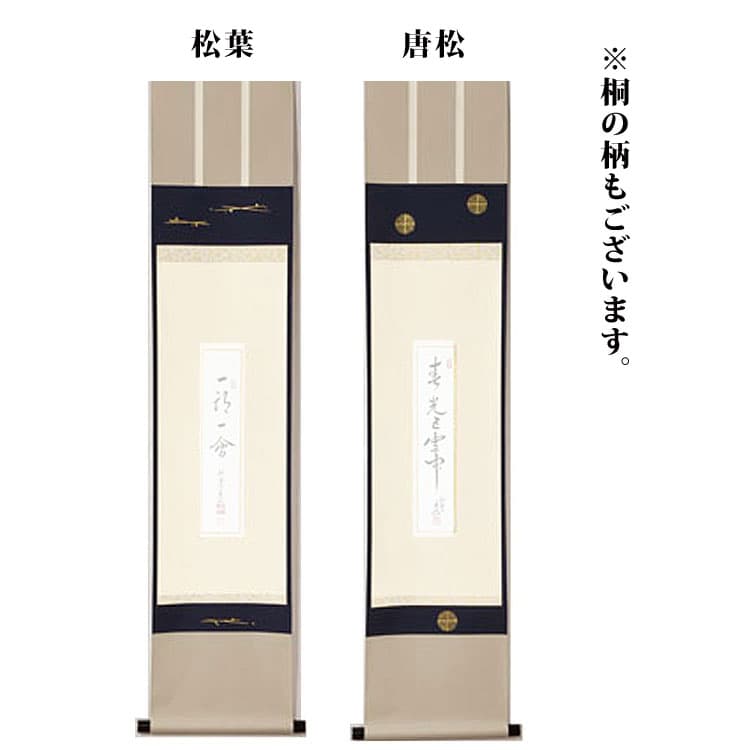
Kyo Hyogu Real Gold Tanzaku Hanging Mount
ポイント3倍以上(楽天カード利用) 茶道具 掛物(軸・色紙・短冊) (本金)京表具仕立 短冊掛 松葉・唐松・桐
pine needles, larch, or paulowniaお茶・茶道具・抹茶スイーツ千紀園
Japanese name京表具
Kyo-hyogu sets calligraphy and paintings into hanging scrolls, folding screens, frames, fusuma, and handscrolls, using washi, cloth, paste, brushes, humidity, and Kyoto room settings to support viewing and preservation.
Information last updated 120 days ago
ポイント3倍以上(楽天カード利用) 茶道具 掛物(軸・色紙・短冊) (本金)京表具仕立 短冊掛 松葉・唐松・桐
pine needles, larch, or paulowniaお茶・茶道具・抹茶スイーツ千紀園
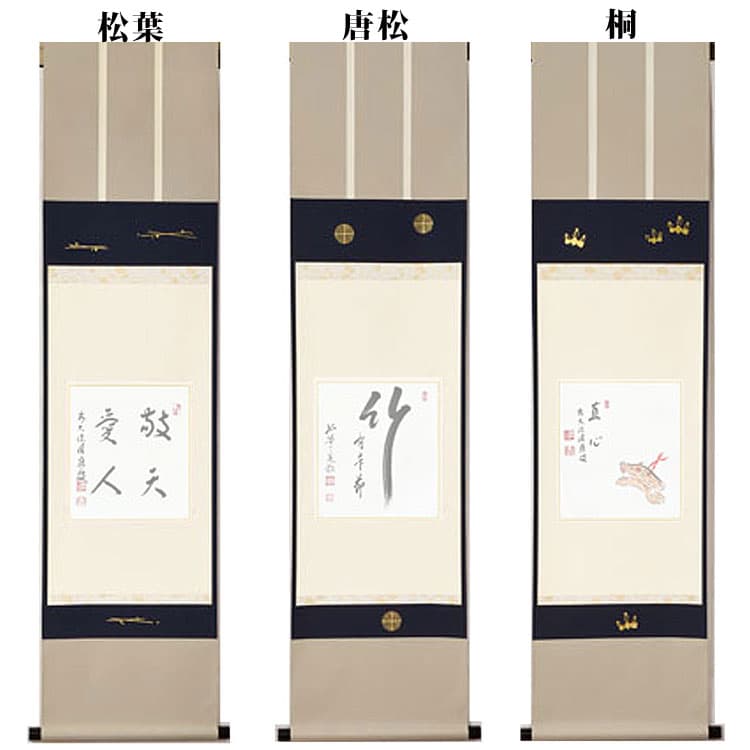 3 images
ポイント3倍以上(楽天カード利用) 茶道具 掛物(軸・色紙・短冊) (本金)京表具仕立 色紙掛 松葉・唐松・桐
pine needle, larch, or paulownia designお茶・茶道具・抹茶スイーツ千紀園
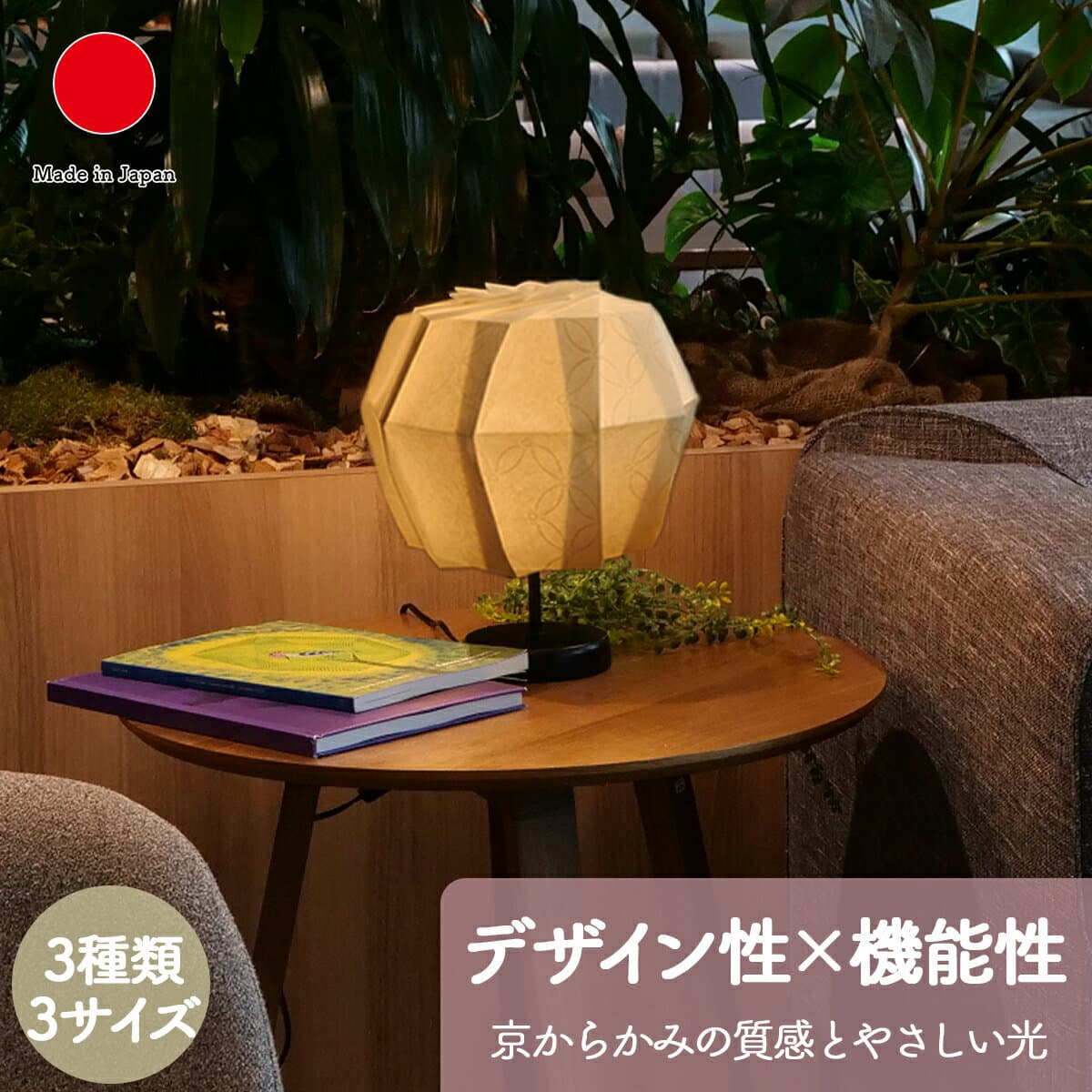 3 images
スタンドライト 折灯華 ぼんぼり maru 細うず S M L ギフト おしゃれ 高級 イノベーティブクラフトワークス 和紙|12cm 16.5cm 25cm 白 キナリ 京表具 日本製 国産 職人|海外 手土産 モダン 卓上 ランプシェード|結婚祝い 新築祝い 新居祝い 誕生日 還暦祝い 米寿 プレゼント
S/M/L: 12cm, 16.5cm, 25cm; white/natural日本のおしゃれ雑貨と贈り物BECOS
First time buying on Rakuten? How residents in Japan order →
Kyo-hyogu developed in Kyoto, but it usually works from behind the picture or the written line. A hanging scroll meets the tokonoma, a folding screen stands within a room, fusuma and wall coverings belong to daily interiors, and albums, frames, and handscrolls give calligraphy and painting other ways to be held and seen. The craft depends on cloth, washi, paste, brushes, repeated humidifying and drying, and close judgment about how paper moves. Through those materials, Kyoto mounting lets works enter temples, tea rooms, living spaces, and museum settings with the support they need.
Kyo-hyogu is a mounting practice that finishes calligraphy and paintings as hanging scrolls, folding screens, framed works, albums, handscrolls, fusuma, wall coverings, and restoration projects. Mounting gives a work a way to be viewed and also helps preserve it, so the paper, cloth, paste, and structure around the image carry both visual and protective roles.
Each finished form changes how a work meets a room. A hanging scroll can face a tokonoma, a folding screen can shape space, fusuma and wall coverings belong close to everyday interiors, and frames or albums gather a work into a different scale of viewing. The Kyoto Mounting Cooperative still names hanging scrolls, folding screens, frames, and fusuma as fields for new making, repair, and restoration, keeping the craft tied to both new interiors and older works.
The craft’s history is tied to Kyoto’s religious, artistic, and interior settings. Mounting came from China with the arrival of Buddhism and was first applied to sutra scrolls; hanging-scroll forms also grew from Buddhist image scrolls used for worship. In that setting, paper and cloth helped sutras, Buddhist paintings, calligraphy, and paintings become objects that could be unrolled, hung, faced, and cared for.
The development of mounting also connects with tokonoma alcoves and with tea practice from the late Muromachi through the Momoyama and Edo periods. Kyoto’s humid basin climate matches a craft process built around repeated humidifying and drying. When the word tradition is useful here, it means concrete settings: sutra scrolls in Buddhist use, hanging scrolls in tokonoma alcoves, tea-room viewing, and workshop decisions about moisture, cloth, and paper.
The materials are modest, but they decide whether the finished surface will settle. Kyo-hyogu uses cloth and washi, along with washi, silk cloth, karakami, starch-based paste, brushes, knives, rulers, and spatulas. Washi can support the back of a work, cloth or decorative paper can surround it, paste can join the layers, and brushes carry pressure, moisture, and the maker’s hand across the surface.
Repeated humidifying and drying are central because paper, cloth, and paste all respond to moisture. The craftsperson has to read that movement while backing, joining, drying, and finishing the work. A calm hanging scroll or flat fusuma surface is therefore the result of layered washi, measured cloth, paste, brushwork, and time spent letting moisture leave the materials in the right order.
A mounted work begins with close inspection of the calligraphy or painting, then backing it with washi so the sheet gains support. The maker then selects cloth or decorative paper, cuts it for the intended form, assembles the layers, attaches finishing parts such as roller rods or edges where needed, dries the work, and checks the result. The sequence changes by form, but inspection, backing, assembly, drying, and final review remain central.
This process puts viewing and preservation on the same bench. Mounting is made to exist with the calligraphy or painting and to create restrained harmony around it. In practical terms, checking, backing, cloth selection, assembly, finishing, drying, and inspection turn care into a series of material decisions.
Kyo-hyogu also includes restoration of older art. Old-art restoration requires advanced technique and long experience, while the Kyoto Mounting Cooperative treats restoration as work that respects a piece’s history and cultural value before it is passed on. In concrete terms, that value lies in age marks, paper condition, cloth layers, paste traces, and the use history carried by a scroll, screen, frame, or fusuma panel.
Restoration differs from new mounting because the maker starts with existing paper, cloth, paste, and damage. The work still depends on washi, paste, brushes, drying, and inspection, but the aim shifts toward stabilizing what is already there. A repaired scroll or screen is prepared for the next time it is opened, hung, stored, or placed in a room.
Kyo-hyogu continues through an organized maker community. The Kyoto Mounting Cooperative serves as a contact point for new making, repair, and restoration of hanging scrolls, folding screens, frames, and fusuma, and its activities include exhibitions, brush memorial events, and public-facing craft programs. The cooperative was incorporated in Showa 34 and marks its 70th-anniversary theme around learning from the old while creating the new, including trials with digital technology and contemporary art.
The cooperative’s online hanging-scroll simulator uses about 600 mounting cloths for design combinations. That number points back to physical material choice rather than replacing handwork with a screen: color, pattern, proportion, and the relation between cloth and calligraphy still matter. Exhibitions, brush memorial events, restoration services, and digital cloth selection together show a present-day craft community working around objects, rooms, tools, and makers.
The quiet strength of Kyo-hyogu comes from its position between the work, the backing paper, the cloth edge, and the room. Kyoto’s sutra scrolls and Buddhist images, tokonoma alcoves and tea settings, hanging scrolls and screens, fusuma and frames all give the craft a place to act. Washi, paste, brushes, humidifying, drying, and inspection turn preservation into a hand process. As the cooperative repairs older works, holds exhibitions, marks brush memorial events, and experiments with digital cloth combinations, Kyoto mounting continues to prepare stable surfaces for the next act of viewing.
Compiled from public records and official sources; see the recognition links below. Details may change over time.
Where this product is officially registered, designated, or recognized in Japan.
It is written as 京表具 in Japanese. Search Rakuten and other Japanese sites with that spelling — the English name will not bring up the listings.
Kyo-hyogu is Kyoto’s mounting craft that finishes calligraphy and paintings as hanging scrolls, folding screens, framed works, albums, handscrolls, fusuma, wall coverings, and restoration projects. It uses washi, cloth, starch paste, brushes, humidifying, and drying to support viewing and preservation. Its setting links sutra scrolls, Buddhist image scrolls, tokonoma spaces, tea practice, and Kyoto’s humid climate; the Kyoto Mounting Cooperative continues new making, repair, restoration, exhibitions, brush memorial events, and an online simulator with about 600 mounting cloths.
Its early history is linked to the arrival of Buddhism, sutra scrolls, and Buddhist image scrolls used for worship. The rise of tokonoma alcoves and tea practice, together with Kyoto’s humid basin climate, is connected to the craft’s development. Named materials and tools include washi, cloth or silk cloth, karakami, starch-based paste, brushes, knives, rulers, and spatulas. Process steps include inspection, washi backing, cloth or decorative-paper selection, cutting, assembly, finishing, drying, and final inspection.
Restoration work is carried out with respect for a piece’s history and cultural value, so it can be handed on to the future. Mounted works are used in tea rooms and contemporary living spaces.
Keep craft pieces out of direct sunlight, damp, and sharp temperature swings, and store them where they won't knock against anything. Wood, bamboo, lacquer, and paper don't tolerate water — wipe any moisture off immediately. Specific care notes are on the listing.
Most options are shelf-stable, boxed, and travel well, so they suit gifting or bringing home. Confirm the final storage and delivery terms on the Rakuten listing.
On Rakuten: the shops listed here right now are お茶・茶道具・抹茶スイーツ千紀園, 日本のおしゃれ雑貨と贈り物BECOS. We don't sell directly; purchase, payment, stock, and delivery are all handled on the Rakuten product page.