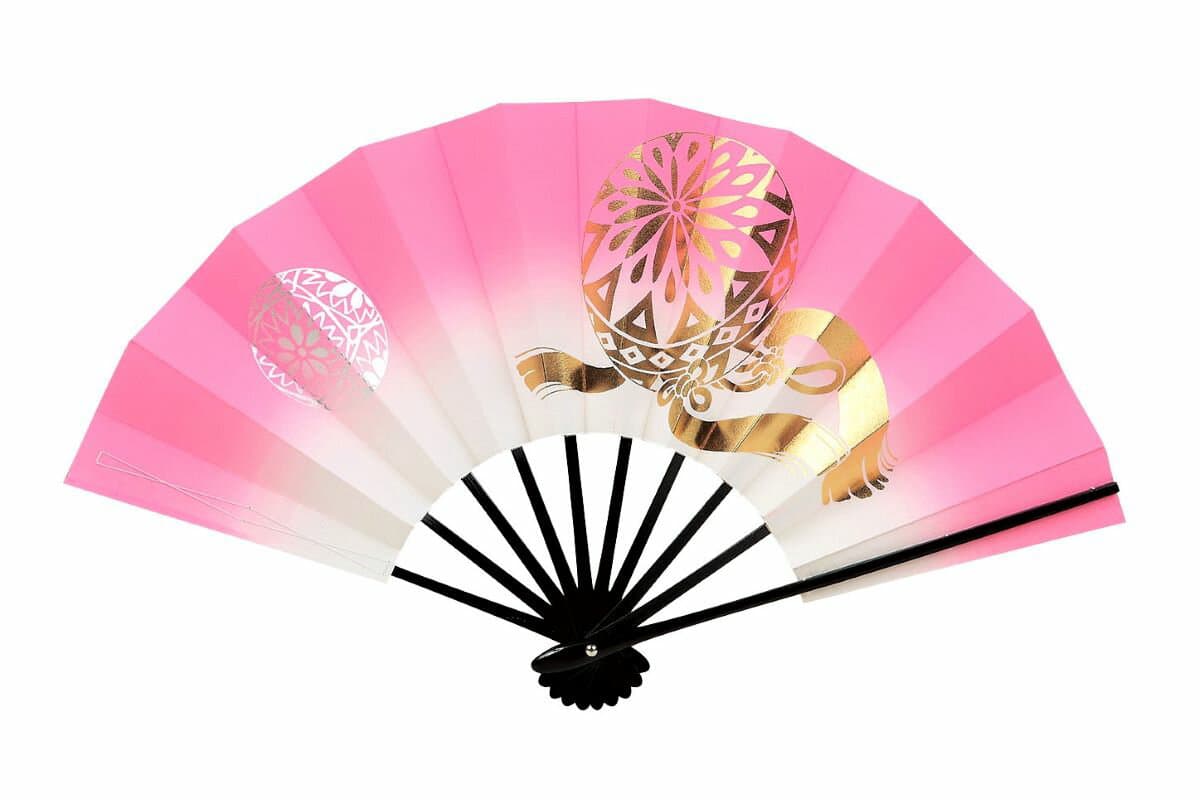
Kyoto Dance Folding Fan, Gold/Silver Temari with Pink Gradation
扇子 踊り用 舞扇子 日本舞踊 飾り扇子 京扇子 9寸金銀まり(ピンクぼかし) 舞踊用 プレゼント お土産 贈答 京都土産 おうち時間 母の日
9 sun (approx. 27 cm), pink gradation伝統京扇子 中村屋
5.0 / 1 reviews
Japanese name京扇子
Kyosensu are shaped by Kyoto-area materials, Kyoto craftspeople, and a relay of fan-face, rib, painting, and finishing work, with uses that run from Heian-period forms to tea, incense, dance, and ceremony.
Information last updated 114 days ago
扇子 踊り用 舞扇子 日本舞踊 飾り扇子 京扇子 9寸金銀まり(ピンクぼかし) 舞踊用 プレゼント お土産 贈答 京都土産 おうち時間 母の日
9 sun (approx. 27 cm), pink gradation伝統京扇子 中村屋
5.0 / 1 reviews
 2 images
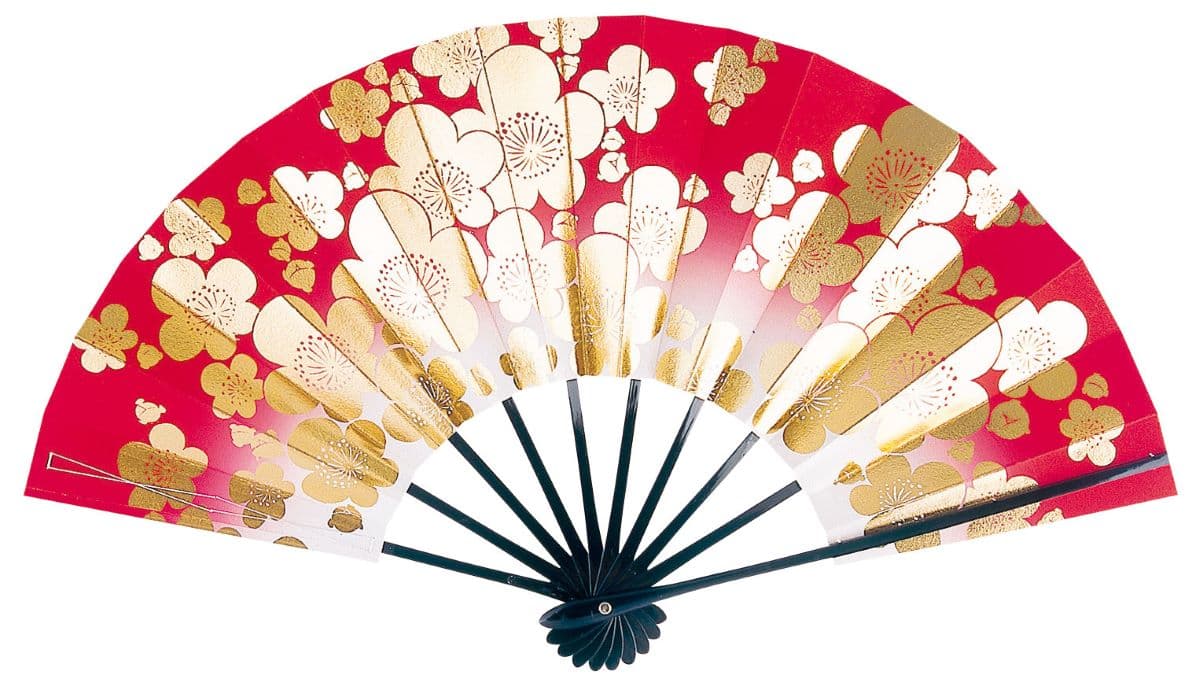
扇子 踊り用 舞扇子 飾り扇子 京扇子 9寸金梅ちらし(赤ぼかし) 舞踊用 プレゼント お土産 贈答 京都土産 おうち時間 母の日
9 sun (approx. 27 cm), red gradation伝統京扇子 中村屋
 3 images
扇子 メンズ <白竹堂渋扇扇子セット> 袋ケース付き 京扇子 日本製 男性 紳士 父の日 名入れ お父さん 父親 誕生日プレゼント プレゼント ギフト 記念日 お祝い おしゃれ 縁起物 40代 50代 60代 70代 実用的 丈夫 送料無料 【創業1718年 京都老舗 扇子の白竹堂】
fan pouch and paulownia box創業1718年京都老舗 扇子の白竹堂
4.5 / 83 reviews
First time buying on Rakuten? How residents in Japan order →
Open a Kyosensu and the first things to meet the eye are paper and painted surface; in the hand, the bamboo ribs and closing edge begin to carry weight. This Kyoto folding fan is defined through the fan face, ribs, and final finish: materials from Kyoto and nearby areas, completed by Kyoto craftspeople in sequence. Its timeline is equally concrete, from early Heian forms linked to mokkan writing tablets, to Muromachi paper fans with ribs set between front and back sheets, to fans made for incense ceremony, tea ceremony, dance, and formal occasions.
The Kyosensu name points to a Kyoto-centered making boundary. The fan face, ribs, and final finish are made with materials from Kyoto and nearby areas by Kyoto craftspeople; the Kyoto fan cooperative also connects the name and mark to goods made within its member network. That boundary becomes visible in paper, bamboo, and finishing work, and in the spread of fan houses and workshops across Higashiyama, Fushimi, Nakagyo, Shimogyo, Yamashina, Sakyo, and other Kyoto districts.
The early form of the folding fan is tied to mokkan in early Heian Kyoto. When paper was still precious, writing tablets could be bound together into forms such as hiogi; in the Muromachi period, under the influence of Tang-style fans, paper fans appeared with ribs placed between the front and back sheets. The change moved the fan from joined wooden slips toward a structure where paper surface, ribs, and image opened and closed together.
After the Muromachi period, fans were made for the needs of incense ceremony, tea ceremony, and dance. Kyosensu also widened into named forms: hiogi, chukei, silk fans, and dance fans for ritual, performance, and dress; celebratory fans for formal occasions; and sandalwood fans where scent is part of use. Shape and surface treatment vary with the hand, the ceremonial seat, the stage, and the moment of congratulation.
Kyosensu bring bamboo, washi, gold leaf, and painted work into a single object that can fold shut. Bamboo ribs support the opening motion, ground paper carries painting, and decorative techniques such as gold and silver leaf, lacquer, and maki-e give the fan face layered surfaces. Final finishing has to bring those materials back into one held object: paper and ribs meeting along the same folding rhythm.
Before a Kyosensu is complete, it passes through about eighty-eight steps, including rib making, ground-paper preparation, painting, and assembly. The work is fine and numerous enough to be divided among specialists in Kyoto: one hand prepares ribs, another prepares paper, another faces painting and ornament, and another gathers paper and ribs into the final form. The small folding object is the result of a workshop chain moving from hand to hand.
In present-day Kyoto, Kyosensu remain connected to fan houses and workshops across the city, and they also enter elementary-school classrooms. Craft specialists have joined Kyoto municipal elementary-school experience classes where children encounter fan making; around 2020, member-led efforts also tried lime-plaster fan-surface processing and a way of covering the mouth with a fan during conversation. One setting lets children touch paper and ribs, while the other shows the folding fan responding to a recent social scene.
Closed, a Kyosensu leaves the edge of bamboo ribs and the thickness of paper in the hand; opened, it brings forward Kyoto districts, specialist labor, washi and bamboo, tea rooms, and stage uses. Its continuity sits in ordinary workshop actions: ribs entering ground paper, painted work settling onto the fan face, and final finishing gathering many hands into one object that opens, closes, and can be held.
Compiled from public records and official sources; see the recognition links below. Details may change over time.
Where this product is officially registered, designated, or recognized in Japan.
It is written as 京扇子 in Japanese. Search Rakuten and other Japanese sites with that spelling — the English name will not bring up the listings.
Kyo folding fans (Kyosensu) are Kyoto folding fans whose fan face, ribs, and final finishing use Kyoto and nearby materials and are made by Kyoto craftspeople. Their lineage runs from early Heian forms linked to mokkan writing tablets, through Muromachi paper fans with ribs between front and back sheets, to fans used for incense ceremony, tea ceremony, dance, and formal occasions. Bamboo, washi, gold leaf, painted surfaces, and finishing pass through about eighty-eight steps, often divided among specialists.
Folding fans are thought to have emerged in early Heian Kyoto from mokkan writing tablets. In the Muromachi period, paper fans appeared with ribs placed between the front and back sheets under Tang-style fan influence. After the Muromachi period, fans were made for incense ceremony, tea ceremony, and dance as those practices developed. Materials and techniques include bamboo, washi, gold leaf, painted work, and surface decoration such as gold and silver leaf, lacquer, and maki-e.
From the Muromachi period onward, fans were made for incense ceremony, tea ceremony, and dance, and they are also used on formal and ceremonial occasions. The producer association invites use of fans and round fans for daily life, attire, and gifts. Member makers have also proposed using fans to cover the mouth during conversation, including a model mainly for hanamachi settings.
Keep craft pieces out of direct sunlight, damp, and sharp temperature swings, and store them where they won't knock against anything. Wood, bamboo, lacquer, and paper don't tolerate water — wipe any moisture off immediately. Specific care notes are on the listing.
Most options are shelf-stable, boxed, and travel well, so they suit gifting or bringing home. Confirm the final storage and delivery terms on the Rakuten listing.
On Rakuten: the shops listed here right now are 伝統京扇子 中村屋, 創業1718年京都老舗 扇子の白竹堂. We don't sell directly; purchase, payment, stock, and delivery are all handled on the Rakuten product page.