 3 images
Uji Kabuse Deep-Steamed Green Tea
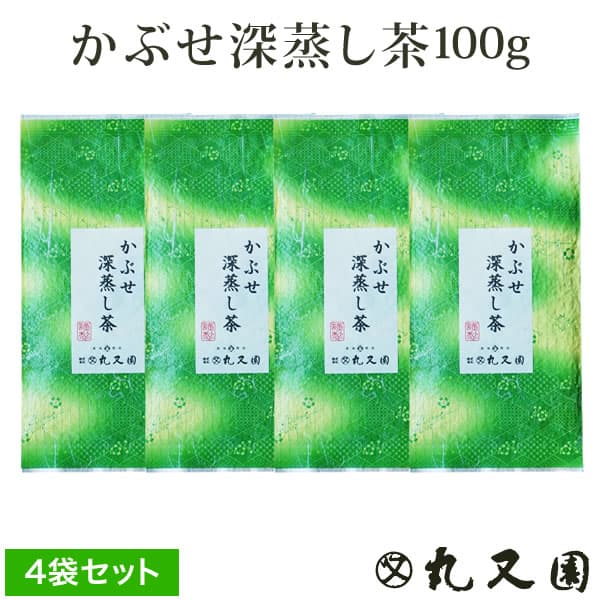
【メール便送料無料】かぶせ深蒸し茶 100g 4袋 セット京都 お茶 宇治茶 日本茶 当店人気No.1 かぶせ茶 深蒸茶 ギフト対応可 緑茶 カテキン エピガロカテキンガレート
100g x 4 bags京都・山城 宇治茶通販の丸又園
4.7 / 133 reviews
Japanese name宇治茶
The name gathers Kyoto Prefecture’s important specialty product, Nagatani Soen’s 1738 hand-rolling method in Ujitawara, research work in Uji City, and the spring rhythm of Hachijuhachiya gatherings.
Information last updated 7 hours ago
3 images【メール便送料無料】かぶせ深蒸し茶 100g 4袋 セット京都 お茶 宇治茶 日本茶 当店人気No.1 かぶせ茶 深蒸茶 ギフト対応可 緑茶 カテキン エピガロカテキンガレート
100g x 4 bags京都・山城 宇治茶通販の丸又園
4.7 / 133 reviews
 3 images
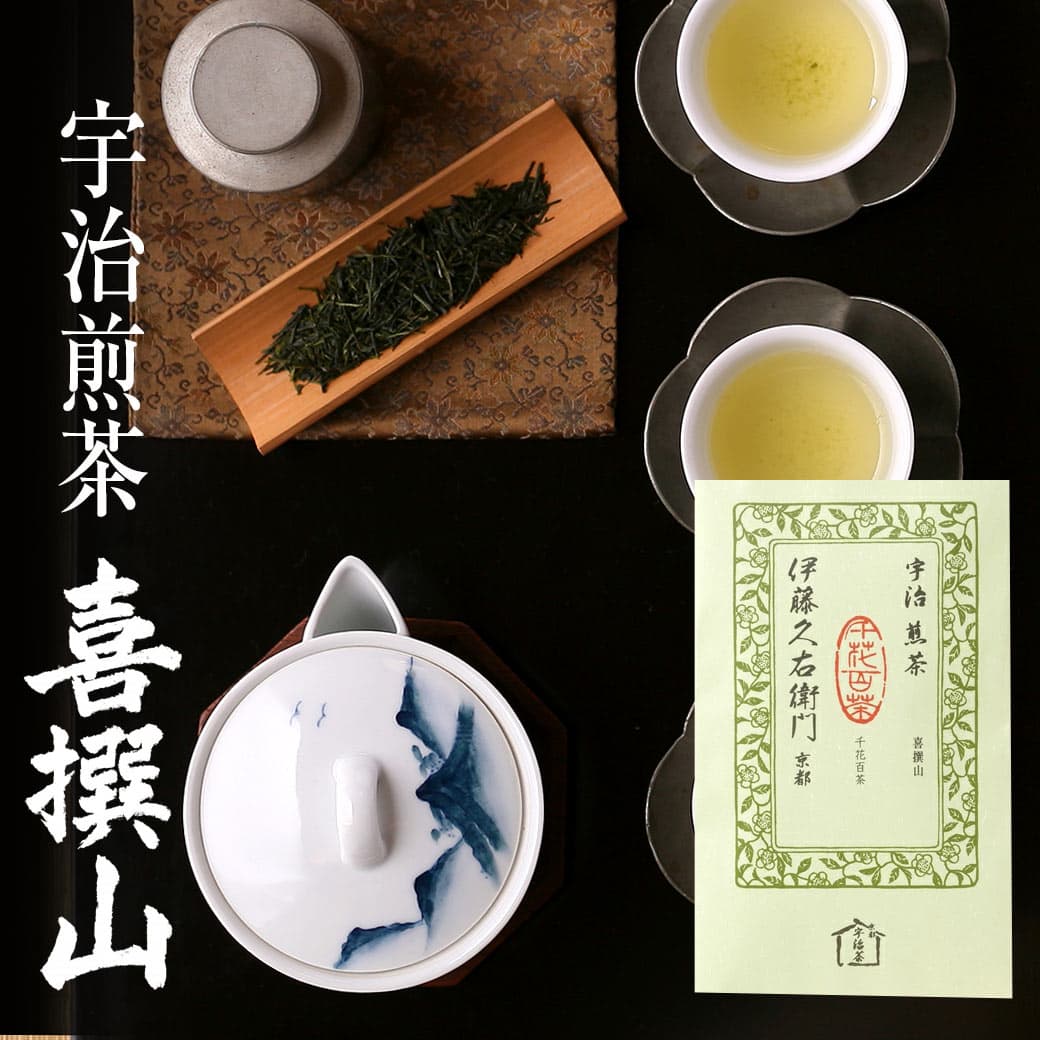
宇治茶 宇治煎茶 喜撰山 茶葉 80g 袋入り § 緑茶お茶 高級 日本茶 専門店 お取り寄せ 京都 天保三年創業 老舗お茶屋 伊藤久右衛門 グリーンティー グリーンティ 茶 煎茶 彼岸 退職祝
80g bag抹茶スイーツ宇治茶 伊藤久右衛門
4.5 / 61 reviews
 3 images
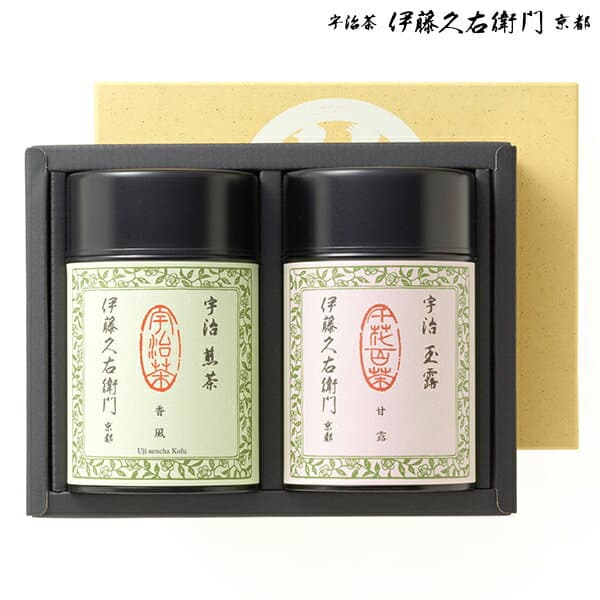
送料無料 宇治茶 宇治煎茶 宇治玉露 茶葉 缶入りセット C-B § 緑茶お茶 高級 日本茶 専門店 お取り寄せ 京都 天保三年創業 老舗お茶屋 伊藤久右衛門 グリーンティー グリーンティ 茶 玉露 彼岸 ギフト お盆 お供え 粗供養 香典返し 御供 残暑見舞 帰省みやげ 帰省土産
C-B box: sencha 85g + gyokuro 80g抹茶スイーツ宇治茶 伊藤久右衛門
4.6 / 91 reviews
 3 images
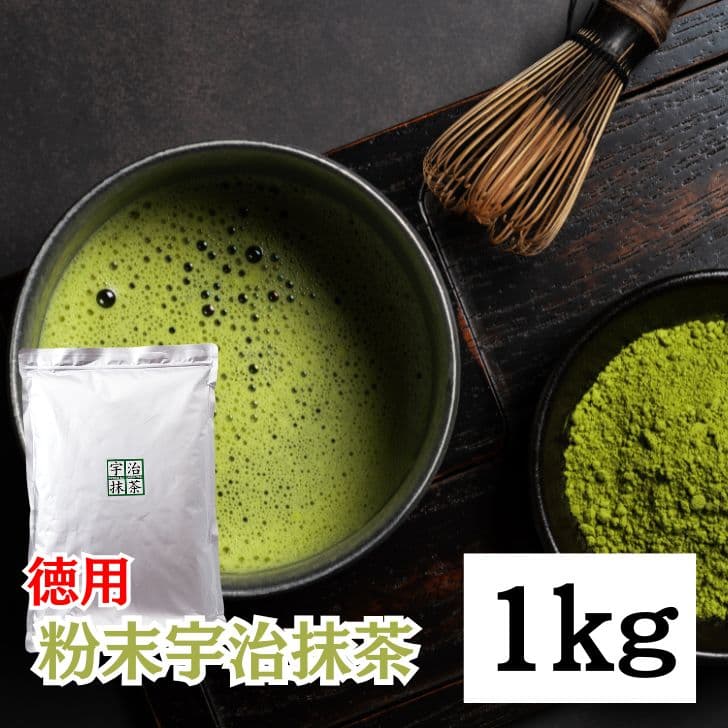
【レビュー投稿で500円OFFクーポン】 抹茶 粉末 宇治抹茶 粉末宇治抹茶 1kg 1袋 国産 緑茶 日本茶 濃い まっちゃ パウダー 京都南山城産宇治茶 本格 高級抹茶 料理 お菓子作り スイーツ用 業務用 茶道用 香り豊か 大容量 ポイント消化 福袋 送料無料
1kg bagkeyroom 食と暮らしのパントリー
4.4 / 11 reviews
First time buying on Rakuten? How residents in Japan order →
All 4 listings of this product on Rakuten, lowest price first.
| Listing | Price | Shop | Reviews | Open listing |
|---|---|---|---|---|
Itohkyuemon Kisenyama Uji Sencha Tea Leaves 80g bagLowest price | ¥1,900 | 抹茶スイーツ宇治茶 伊藤久右衛門 | 4.5 / 61 reviews | View on Rakuten → |
Uji Kabuse Deep-Steamed Green Tea 100g x 4 bagsMost reviewedGift-ready | ¥4,536 | 京都・山城 宇治茶通販の丸又園 | 4.7 / 133 reviews | View on Rakuten → |
Itohkyuemon Uji Sencha & Uji Gyokuro Canned Tea Gift Set C-B box: sencha 85g + gyokuro 80gGift-ready | ¥7,884 | 抹茶スイーツ宇治茶 伊藤久右衛門 | 4.6 / 91 reviews | View on Rakuten → |
Kyoto Minamiyamashiro Uji Matcha Powder 1kg bagValue pick | ¥16,878 | keyroom 食と暮らしのパントリー | 4.4 / 11 reviews | View on Rakuten → |
Japanese · new tab
Uji tea has a grounded shape in Kyoto Prefecture: a specialty product tied to Uji City research, Ujitawara hand-rolling, guided brewing at Takumi no Yakata, and spring new-tea gatherings. The clearest historical line begins in 1738, when Nagatani Soen, a tea farmer from Ujitawara, devised a hand-rolling method later connected with today’s Uji tea hand-rolling technique. Around that line sit the present-day work of the Tea Research Institute in Uji City, Japanese tea instructors, Hachijuhachiya events, and a cooperative community of tea merchants, producers, and related businesses.
Kyoto Prefecture treats Uji tea as an important specialty product, and the name becomes concrete through southern Kyoto places. In Uji City, the Tea Research Institute’s Uji Tea Department works on quality, cultivars, environmental conservation, labor saving, and product development. In Ujitawara, Nagatani Soen’s 1738 hand-rolling method gives the place connection a named person and a named technique.
In 1738, Nagatani Soen, a tea farmer from Ujitawara, devised a hand-rolling method for tea making. The resulting tea was valued for color, aroma, and taste, and the method spread before developing into today’s Uji tea hand-rolling technique. The date, place, and person keep the process tangible: Uji tea can be read through hands working tea leaves toward color, fragrance, and flavor.
The manual skill continues through preservation groups connected with Uji tea. The Uji Tea Manufacturing Technique Preservation Association preserves the skill in Uji City, and a Kyoto Prefecture liaison council for hand-rolling preservation was formed in 2001. In 2009, Kyoto Prefecture designated the activity as an intangible folk cultural property; the designation points to a practice kept alive through hands, preservation work, and local organizations.
At the Tea Research Institute in Uji City, Uji tea is also a subject of agricultural and product work. The institute works for stable tea businesses and consumer needs through quality improvement, cultivar breeding, environmental conservation, labor saving, and product development. Those fields connect tea plants, production sites, environmental care, and the cup people expect to drink.
At Uji tea dojo Takumi no Yakata, Japanese tea instructors bring Uji tea into practice through brewing experiences, matcha art, and cha-kabuki. The setting turns the family name into a handled cup: the tea is brewed, tasted, and learned through guided activities. These experiences make Uji tea concrete through a cup, a tasting session, and the presence of instructors.
New-tea season gives Uji tea a yearly rhythm. Regional tea organizations list first-tea sprouting declarations and Hachijuhachiya tea-picking gatherings, including Uji new-tea events. The Kyoto Tea Cooperative member roster also puts many tea merchants, producers, and related businesses in the same field of view, so the cup reads as work shared among growers, makers, instructors, and tea businesses.
From Ujitawara in 1738 to Uji City’s research institute and Takumi no Yakata, Uji tea stays legible through places and actions. A hand-rolling method shaped for color, aroma, and taste; research into cultivars and environmental conservation; new-tea gatherings around Hachijuhachiya; and a wide tea community all keep the Kyoto name attached to concrete work.
Compiled from public records and official sources; see the recognition links below. Details may change over time.
Where this product is officially registered, designated, or recognized in Japan.
Regional collective trademark
Registered as a Regional Collective Trademark with the Japan Patent Office.
Sources1
It is written as 宇治茶 in Japanese. Search Rakuten and other Japanese sites with that spelling — the English name will not bring up the listings.
Uji tea is an important specialty product of Kyoto Prefecture. The Tea Research Institute’s Uji Tea Department in Uji City Shirakawa works on quality, cultivars, conservation, labor saving, and product development. In 1738, Ujitawara farmer Nagatani Soen devised a hand-rolling method that spread for its color, aroma, and taste, and later became today’s Uji tea hand-rolling technique.
Uji tea hand-rolling is preserved by technique groups, including a liaison council formed in 2001, and the preservation activity became a Kyoto Prefecture-designated intangible folk cultural property in 2009. Takumi no Yakata offers Uji tea brewing experiences, matcha art, and cha-kabuki experiences led by Japanese tea instructors. Regional tea organizations list first-tea sprouting declarations and Uji new-tea or Hachijuhachiya tea-picking gatherings. The Kyoto Tea Cooperative member roster includes many tea merchants, producers, and related businesses.
At venues such as Takumi no Yakata, Japanese tea instructors offer Uji tea brewing, matcha art, and cha-kabuki tasting. First-flush tea is also encountered at seasonal Uji new-tea and Hachijuhachiya tea-picking gatherings.
Water temperature varies a lot by type of Japanese tea: roughly 50–60°C for gyokuro, 70–80°C for sencha, and near-boiling 90–100°C for hojicha (including roasted stem tea), bancha, and genmaicha, steeped for about 30 seconds to a minute. A common ratio is about 3g of leaf per 150ml of water. Follow the instructions on the packaging where they differ.
Tea leaves are damaged by light, humidity, and absorbed odours. Once opened, keep them sealed and away from light at room temperature and drink them within a few weeks. If you refrigerate them, let the container return to room temperature before opening so condensation doesn't get in.
Most options are shelf-stable, boxed, and travel well, so they suit gifting or bringing home. Confirm the final storage and delivery terms on the Rakuten listing.
On Rakuten: the shops listed here right now are 京都・山城 宇治茶通販の丸又園, 抹茶スイーツ宇治茶 伊藤久右衛門, keyroom 食と暮らしのパントリー. We don't sell directly; purchase, payment, stock, and delivery are all handled on the Rakuten product page.