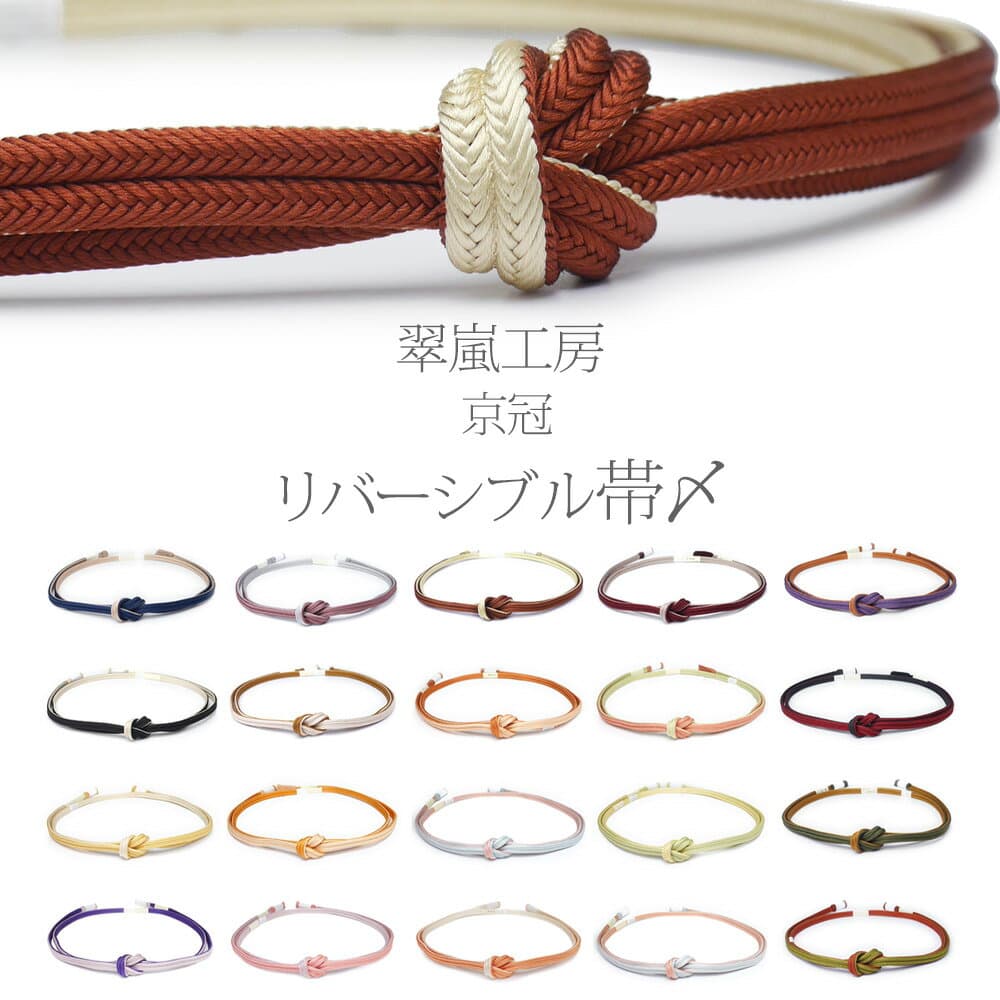
Suiran Kobo Kyoto Kumihimo Silk Obijime Cord
【お買い物マラソン 10%OFFクーポン配布中!】正絹 帯締め 冠組 ゆるぎ 正絹 翠嵐工房 組紐 選べる20色 京くみひも 撚り房 平組 カジュアル 帯締め 和装小物 日本製 レディース着物 帯〆 伝統的組紐 老舗の本物の高級品 ハイクラス シルク 絹100% 振袖 訪問着 袴 成人
20 colors available和装通販 きものレンタル 西織
4.7 / 37 reviews
Japanese name京くみひも
Raw silk, tama-ito, cotton, and gold or silver thread are weighed, dyed, twisted, braided on stands, and finished into cords for obi-jime, haori-himo, armor, tea utensils, and small accessories.
Information last updated 120 days ago
【お買い物マラソン 10%OFFクーポン配布中!】正絹 帯締め 冠組 ゆるぎ 正絹 翠嵐工房 組紐 選べる20色 京くみひも 撚り房 平組 カジュアル 帯締め 和装小物 日本製 レディース着物 帯〆 伝統的組紐 老舗の本物の高級品 ハイクラス シルク 絹100% 振袖 訪問着 袴 成人
20 colors available和装通販 きものレンタル 西織
4.7 / 37 reviews
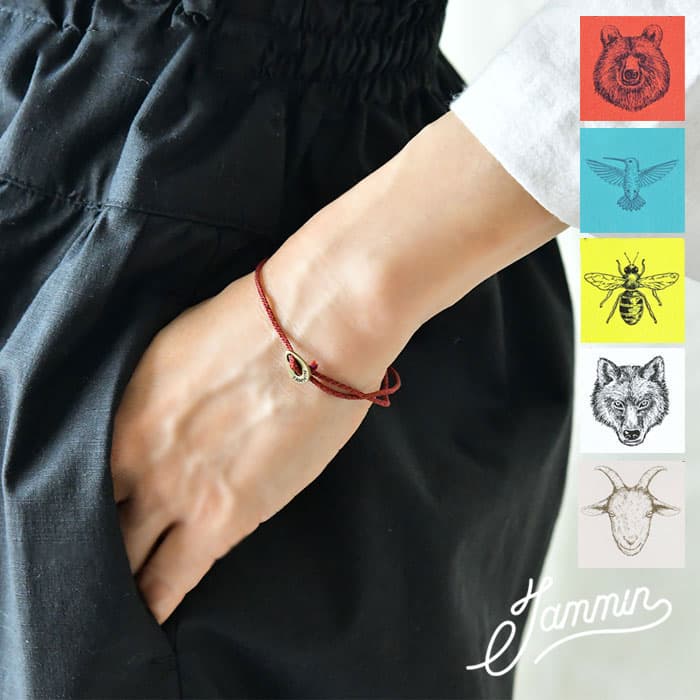
【クーポン対象外】【Jammin ジャミン】京くみひも(組紐) ブレスレット / アニマルシリーズ (torikuru animal)レディース メンズ 京都 組み紐 昇苑 伝統工芸 チャリティー おしゃれ コーデ ナチュラル アクセサリー ギフト プレゼント 誕生日 母の日
Animal seriesMATILDA(マチルダ)
4.9 / 24 reviews
【ゆうパケット対応】正絹 ストラップ 厄除け 京くみひも 絹100% 組紐 厄除 小田巻 手組み 小物 携帯 開運 魔除け 厄払い スマートフォン スマホ お守り 厄年に グッズ 幸運 贈り物 お守り プレゼントに かわいい 携帯用 男性 女性 メンズ レディース
おしゃれ kimono いろは
4.7 / 89 reviews
First time buying on Rakuten? How residents in Japan order →
In Kyoto City and Uji City, Kyo kumihimo begins with bundles of thread. Raw silk, tama-ito or similar silk, cotton, and gold or silver thread are divided by weight, dyed, wound, measured, twisted, and then brought to stands such as the marudai, kakudai, and takadai. The finished cords appear as obi-jime, haori-himo, and dress accessories, and they have also been tied to shrine and temple implements, armor, helmets, and sword sageo.
Kyo kumihimo is anchored in Kyoto City and Uji City. Its present objects include kimono ornaments, obi-jime, haori-himo, and clothing accessories; the same cord craft also appears beside shrine and temple implements, armor, helmets, and sword sageo. The place name becomes concrete through those objects: a waist cord on kimono dress, a haori cord at the chest, or a narrow tie on a fitting.
The work begins with ito-wari, dividing the needed raw silk, tama-ito or comparable silk, cotton, gold thread, or silver thread by weight for the number of cords to be made. Dyeing follows the intended design and color sample, using solid color, shimekiri, or bokashi effects; depth and gradation are made in the thread before the bundle reaches the stand.
The named stands include marudai, kakudai, takadai, kagodai, ayatakedai, and naikidai. Stand choice and braiding method help produce round, square, or flat cords; the basic methods are said to number more than forty, while use-specific methods reach about 3,500 for objects such as obi-jime, armor fittings, and sword sageo.
A completed braid still needs its ends. The cord tips are loosened by hand, the base of the fringe is tied, the fringe is steamed, and the braid is set on a rolling stand. These finishing steps keep the crossings of silk, metallic thread, or cotton visible in the braid structure and tangible in the fringe.
The uses of Kyo kumihimo can be read through objects: shrine and temple implements, armor, helmets, sword sageo, dress, and furnishings all appear in its range. In the Muromachi period, tea practice brought cords for shifuku pouches and hanging-scroll fittings; today the main scenes include obi-jime, haori-himo, kimono accessories, and newer accessory forms.
Simple braided cords are placed in daily life as early as the Jomon period, and techniques from China and Korea are described for the Asuka and Nara periods. Kyo kumihimo is said to begin in the Heian period; military use grew in the Kamakura period, and Edo-period production included haori cords and the formation of a production area.
A single Kyo kumihimo cord brings Kyoto City and Uji together with silk, metallic thread, braiding stands, fringes, and steam. It has tied armor and sword sageo, held shifuku pouches and hanging-scroll fittings, and fastened obi-jime and haori-himo; as uses changed, the order of thread, stand, hand, and finish kept the cord’s structure legible.
Compiled from public records and official sources; see the recognition links below. Details may change over time.
Where this product is officially registered, designated, or recognized in Japan.
It is written as 京くみひも in Japanese. Search Rakuten and other Japanese sites with that spelling — the English name will not bring up the listings.
Kyo kumihimo is a braided-cord craft associated with Kyoto City and Uji City. It uses raw silk, tama-ito or comparable silk, cotton, and gold or silver thread, which are divided, dyed, wound, measured, twisted, and braided on stands such as marudai and takadai, then finished by hand, steam, and a rolling stand. Its uses include shrine and temple implements, armor, sword sageo, shifuku pouch cords, hanging-scroll fittings, obi-jime, haori-himo, and accessories.
More than forty basic braiding methods are described, and use-specific methods are said to reach about 3,500. Braiding stands include marudai, kakudai, takadai, kagodai, ayatakedai, and naikidai. Finishing includes loosening the cord ends by hand, tying the fringe base, steaming the fringe, and setting the braid on a rolling stand. The early workflow includes thread division by weight, dyeing to a color sample, winding, measuring, and twisting.
Kyo kumihimo cords are used as obi-jime, haori-himo, and other kimono accessories. They are also used for shrine and temple implements, including ritual and Buddhist objects. Historically the cords were used for armor, helmets, and sword sageo, as well as for shifuku pouch cords and hanging-scroll fittings.
Naturally dyed textiles shed some colour on first wash. Hand-wash separately with a neutral detergent, avoid long soaking and bleach, and dry in the shade to prevent fading. Silk, ramie, and traditionally dyed pieces often need professional cleaning — the care label on the listing takes precedence.
Most options are shelf-stable, boxed, and travel well, so they suit gifting or bringing home. Confirm the final storage and delivery terms on the Rakuten listing.
On Rakuten: the shops listed here right now are 和装通販 きものレンタル 西織, MATILDA(マチルダ), おしゃれ kimono いろは. We don't sell directly; purchase, payment, stock, and delivery are all handled on the Rakuten product page.