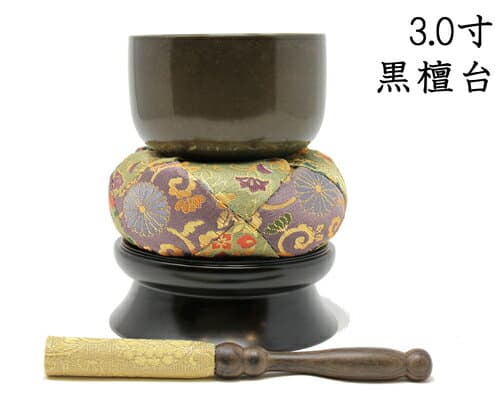
Kyoto Futakata Sahari Buddhist Bell Set
二方りん ふたかたりん 一式セット 薄色結晶仕上 3.0寸 直径9cm 黒檀りん台 りん棒 セット 佐波理 さはり おりん 仏壇用 りん リン お鈴 仏具 京都の職人手作り 高級金襴布団 黒檀りん棒金襴巻き 京仏具 京都 高級りん 響銅 砂張 沙張 さわり 砂張りん 佐波理りん 沙張りん
3.0 sun (9 cm), ebony stand set仏壇 神棚の松山神佛具店
5.0 / 1 reviews
Japanese name京仏具
Kyoto’s Buddhist fittings connect temple halls and household altars, from statues, miniature shrines, censers, bells, and candle stands to the woodwork, metalwork, lacquer, and specialized hands that shape them.
Information last updated 120 days ago
二方りん ふたかたりん 一式セット 薄色結晶仕上 3.0寸 直径9cm 黒檀りん台 りん棒 セット 佐波理 さはり おりん 仏壇用 りん リン お鈴 仏具 京都の職人手作り 高級金襴布団 黒檀りん棒金襴巻き 京仏具 京都 高級りん 響銅 砂張 沙張 さわり 砂張りん 佐波理りん 沙張りん
3.0 sun (9 cm), ebony stand set仏壇 神棚の松山神佛具店
5.0 / 1 reviews
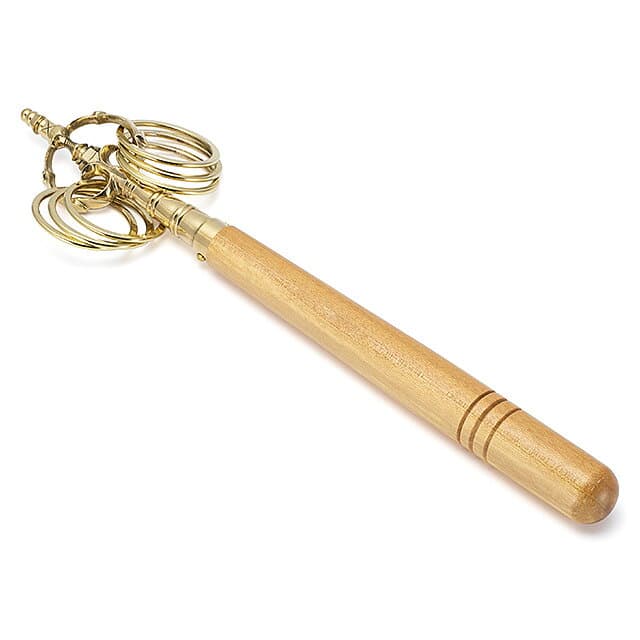
【密教法具 寺院用仏具】真鍮 錫杖 中型 長さ31.5cm 白木柄 京都製 【送料無料】【仏具 しゃくじょう 鳴杖 お守り 寺院仏具 京仏具 密教 法具 日本製 国産品】
medium, 31.5 cm仏壇 盆提灯 数珠の仏壇屋滝田商店
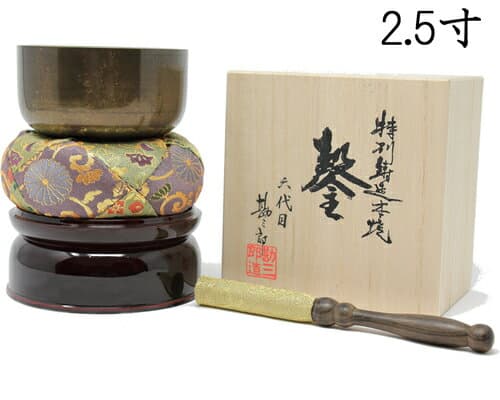
勘三郎りん 一式セット 薄色結晶仕上 2.5寸 直径7.5cm りん台 りん棒 セット 佐波理 さはり おりん 仏壇用 りん リン お鈴 仏具 京都の職人手作り 高級金襴布団 黒檀りん棒金襴巻き 京仏具 京都 高級りん 響銅 砂張 沙張 さわり 砂張りん 佐波理りん 沙張りん
light crystal finish, 2.5 sun (7.5 cm diameter)仏壇 神棚の松山神佛具店
5.0 / 1 reviews
First time buying on Rakuten? How residents in Japan order →
Kyobutsugu takes shape through Kyoto’s temples and household altars. The city has many temples of different Buddhist sects, and demand from temples and homes shaped the development of Kyobutsudan and Kyobutsugu. Buddhist fitting production in Kyoto is thought to have begun around the 8th century; in the early 11th century, the sculptor Jocho established a workshop in Shichijo and gathered Buddhist artisans, giving full-scale production a clearer base.
Kyobutsugu covers many Buddhist objects rather than one single item. Kyoto Prefecture lists statues, palace-like altar structures, miniature shrines, censers, temple bells, and candle stands among the implements used in Buddhist settings. In Kyoto today, about 70 percent of Kyobutsudan and Kyobutsugu production is for temples and about 30 percent is for households. That split places the craft in both formal temple halls and domestic altar spaces, where objects of different sizes and functions are made through the same regional handwork field.
Buddhist fittings are thought to have been made in Kyoto from around the 8th century. In the early 11th century, Jocho established a Buddhist workshop in Shichijo and gathered artisans there, a moment treated as an important base for full-scale production. Shichijo is also described as an area where casters, smiths, and gold-and-silver metalworkers lived, linking the district to metal Buddhist fittings. In the early Edo period, the temple-registration system increased the placement of Buddhist altars in households, adding domestic demand to temple demand.
Kyobutsudan and Kyobutsugu bring woodwork, metalwork, lacquer, and other techniques into one craft field. Because sect styles differ, mass production is difficult, and Kyoto Prefecture describes the work as finely divided among more than forty specialized handwork roles. The continuity here is concrete: wooden structure, metal fittings, lacquered surfaces, and sect-specific forms move from one skilled process to the next before the objects reach temple halls or household altars.
Recent Kyoto events have made the working methods visible. A 2025 craft exhibition at Konkai Komyo-ji’s Shinseiwaden in Kurodani included displays of Kyobutsudan, Kyobutsugu, and works by traditional craft specialists, along with hands-on gold-leaf pressing, wood carving, and lacquer experiences. Demonstrations covered wood carving, decorative metal fittings, Buddhist statue carving, and maki-e, bringing surface shine, carved lines, metal ornament, and lacquer technique into public view.
The 48th Kyobutsudan and Kyobutsugu Technical Competition Exhibition was held at the MOCAD Gallery to improve the skills of cooperative members, employees, and others involved in production, while helping visitors understand the making techniques through displayed works. In that setting, finished objects and craft skill meet in the same room: Kyoto’s Buddhist fittings are seen through the hands that shape wood, metal, lacquer, carving, and ornament for temple and household use.
From Jocho’s Shichijo workshop to displayed works at the MOCAD Gallery, Kyobutsugu is shaped by Kyoto’s temples, household altars, woodwork, metalwork, lacquer, and more than forty specialized roles. Statues, miniature shrines, censers, bells, and candle stands remain part of the same regional craft because Kyoto’s temple and household uses keep these handmade objects connected.
Compiled from public records and official sources; see the recognition links below. Details may change over time.
Where this product is officially registered, designated, or recognized in Japan.
It is written as 京仏具 in Japanese. Search Rakuten and other Japanese sites with that spelling — the English name will not bring up the listings.
Kyobutsugu is Kyoto’s Buddhist fittings craft, covering objects such as statues, altar structures, miniature shrines, censers, bells, and candle stands. It developed through the needs of Kyoto temples and households; production is thought to date from around the 8th century, with Jocho’s early-11th-century Shichijo workshop forming a major base for woodwork, metalwork, lacquer, and more than forty specialized roles.
In Kyoto, about 70 percent of current Kyobutsudan and Kyobutsugu production is for temples and about 30 percent for households. In the early Edo period, the temple-registration system increased the practice of placing Buddhist altars in households. Shichijo is described as an area where casters, smiths, and gold-and-silver metalworkers lived, linking the district to metal Buddhist fittings. A 2025 Kyoto craft exhibition showed Kyobutsudan and Kyobutsugu and included gold-leaf pressing, wood carving, lacquer experiences, and maki-e demonstrations.
Keep craft pieces out of direct sunlight, damp, and sharp temperature swings, and store them where they won't knock against anything. Wood, bamboo, lacquer, and paper don't tolerate water — wipe any moisture off immediately. Specific care notes are on the listing.
Most options are shelf-stable, boxed, and travel well, so they suit gifting or bringing home. Confirm the final storage and delivery terms on the Rakuten listing.
On Rakuten: the shops listed here right now are 仏壇 神棚の松山神佛具店, 仏壇 盆提灯 数珠の仏壇屋滝田商店. We don't sell directly; purchase, payment, stock, and delivery are all handled on the Rakuten product page.