 3 images
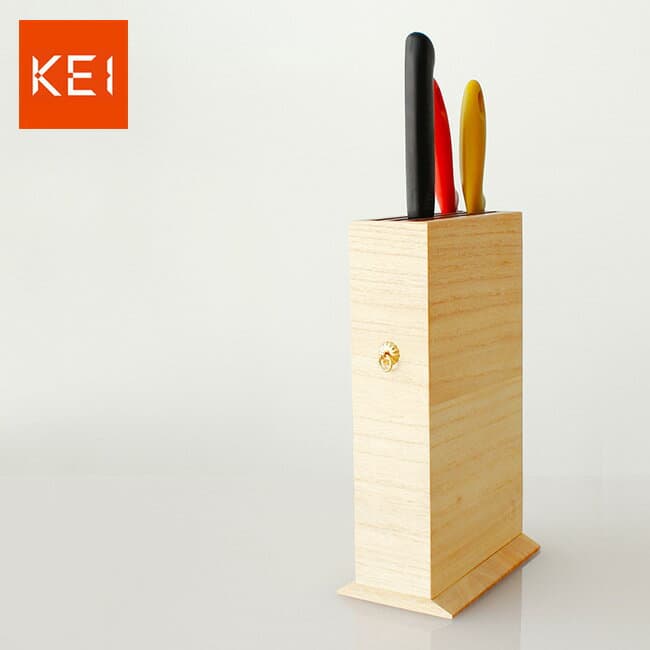
KEI Kyoto Sashimono Paulownia Knife Stand
\特典あり/KEI ケイ 京指物 包丁立て[木製のナイフスタンド キッチンを機能的にする包丁の収納 おしゃれな木製の包丁スタンド(包丁ケース) 衛生的な桐の包丁差し 耐火性のある包丁のスタンド] 1-2W
URUZA(ウルザ)
Japanese name京指物
In Kyoto City, boards and sticks are fitted into chests, shelves, fittings, tea utensils, incense utensils, carved pieces, and bentwood forms, with drying, grain, and wooden nails shaping the craft.
Information last updated 7 days ago
3 images\特典あり/KEI ケイ 京指物 包丁立て[木製のナイフスタンド キッチンを機能的にする包丁の収納 おしゃれな木製の包丁スタンド(包丁ケース) 衛生的な桐の包丁差し 耐火性のある包丁のスタンド] 1-2W
URUZA(ウルザ)
 3 images
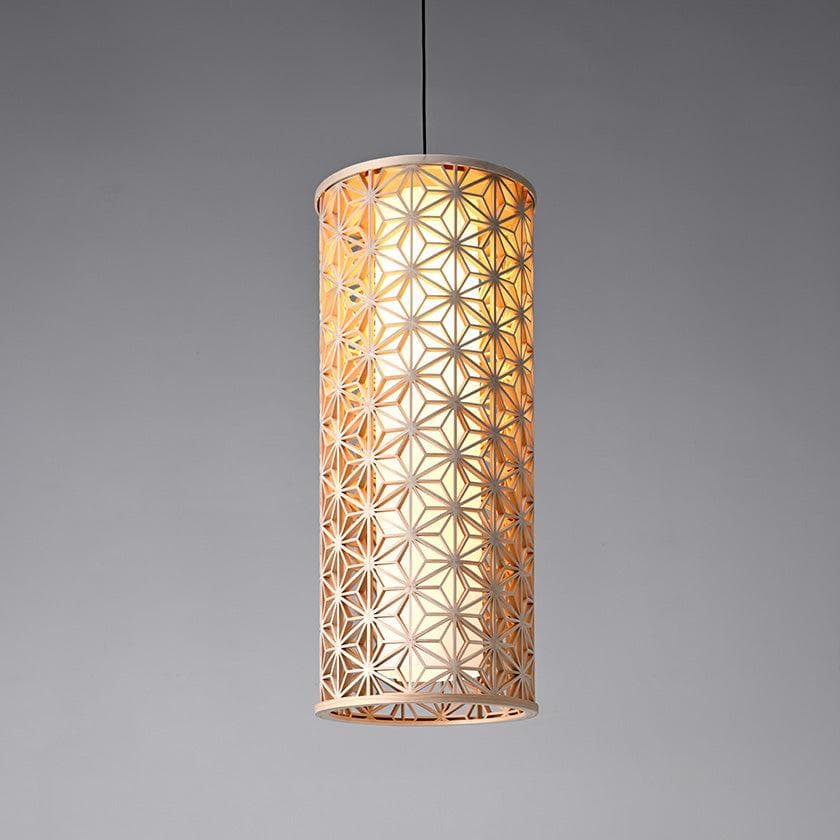
【ペンダントライト・照明】KUMIKO Pendant Light 02 麻の葉 | 京指物 | 村山木工
02 Hemp LeafBECOS伝統工芸楽天市場店
 3 images
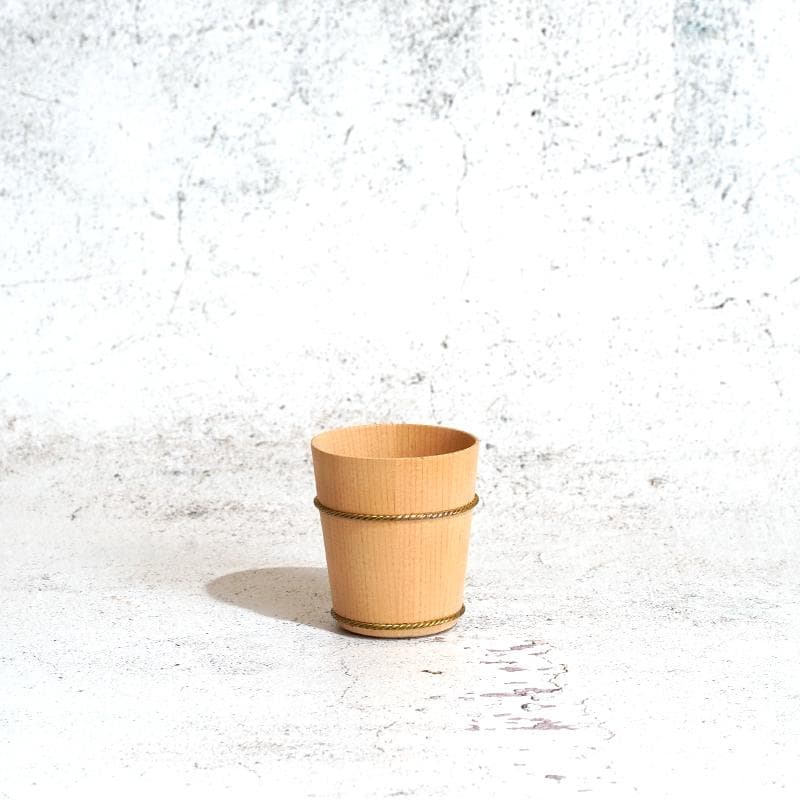
【京指物】桶屋 近藤 ぐい呑 一寸七分 縦型 /吉野杉
1 sun 7 bu vertical, Yoshino cedarBECOS伝統工芸楽天市場店
5.0 / 1 reviews
 3 images
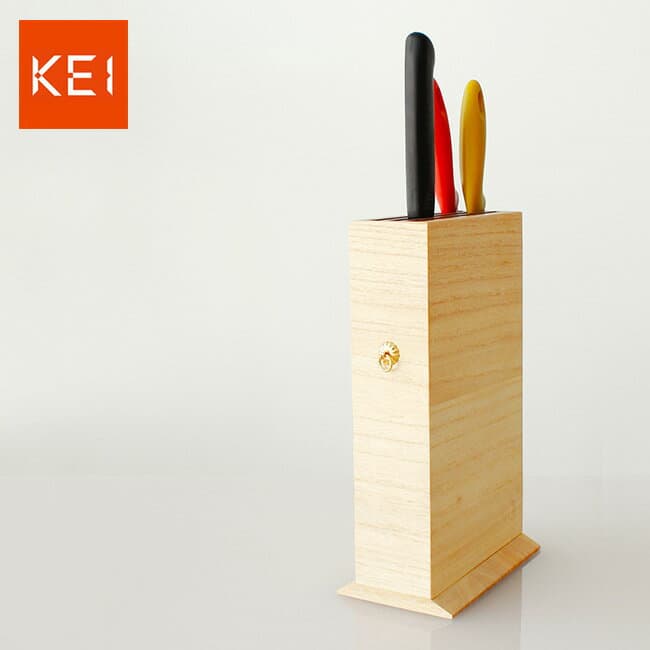
【特典あり】KEI ケイ 京指物 包丁立て[木製のナイフスタンド キッチンを機能的にする包丁の収納 おしゃれな木製の包丁スタンド(包丁ケース) 衛生的な桐の包丁差し 耐火性のある包丁のスタンド] 1-2W
キレイスポット
4.6 / 7 reviews
First time buying on Rakuten? How residents in Japan order →
All 4 listings of this product on Rakuten, lowest price first.
| Listing | Price | Shop | Reviews | Open listing |
|---|---|---|---|---|
KEI Kyoto Sashimono Paulownia Knife Stand Lowest price | ¥9,900 | URUZA(ウルザ) | View on Rakuten → | |
KEI Kyo-Sashimono Paulownia Knife Stand Lowest priceMost reviewed | ¥9,900 | キレイスポット | 4.6 / 7 reviews | View on Rakuten → |
Kyo Sashimono Okeya Kondo Guinomi Sake Cup 1 sun 7 bu vertical, Yoshino cedar | ¥19,400 | BECOS伝統工芸楽天市場店 | 5.0 / 1 reviews | View on Rakuten → |
村山木工 KUMIKO Pendant Light 02 Hemp Leaf 02 Hemp Leaf | ¥435,700 | BECOS伝統工芸楽天市場店 | View on Rakuten → |
Japanese · new tab
Kyo-sashimono begins with a precise act in wood: boards and sticks are fitted together through kumite joints. From that act come chests, shelves, writing desks, boxes, doors, sliding doors, interior furnishings, tea utensils, incense utensils, turned pieces, carved work, bentwood, hoop work, and hollowed forms. Kyoto City is the main production area, and the craft took shape around the wooden objects used in court rooms, temples, shrines, warrior residences, tea rooms, and town houses.
Sashimono can name both the object and the technique. Boards join boards, boards join sticks, and sticks join sticks; furniture, fittings, and furnishings take shape from those fitted edges. In Kyo-sashimono, that principle appears in chests, decorative shelves, low tables, writing desks, boxes, doors, sliding doors, tea utensils, and incense utensils.
Kyoto woodcraft also places sashimono beside carving, turnery, bentwood, hoop work, and hollowed work. A tea-room shelf, a lathe-formed small vessel, a bamboo-hooped bucket, and a carved incense container can belong to the same Kyoto woodworking world, even when their tools and hand movements differ.
The main production area is Kyoto City, and the Kyoto Woodcraft Cooperative is tied to the craft community there. Place matters because the objects were made for particular rooms and practices: court and temple furnishings, shrine and warrior settings, tea utensils, and the wooden objects of Edo-period town life.
When the word culture is useful here, it means concrete settings: court interiors, temple and shrine spaces, warrior residences, tea rooms, and merchant households where wooden chests, shelves, boxes, fittings, and utensils had work to do. Kyo-sashimono developed by answering those uses with joinery, surface finish, and measured decoration.
The craft’s beginning is traced to Heian-period court life. Later, Kamakura and Muromachi warrior life, the spread of tea practice, and Edo-period merchant life shaped demand for wooden furnishings and utensils. Tea practice was especially important because it called for simple, carefully made wooden shelves, boxes, tea buckets, and one-board tea objects.
Those settings also explain the range of forms. A chest protects clothing or belongings; a shelf orders objects in an interior; a box contains a tea or incense implement; a fitting becomes part of a room. Thickness, joints, drawers, doors, sliding panels, grain, and finish answer a use before they become visible style.
A paulownia chest shows how much time enters the wood before assembly. Logs are exposed to wind and rain, then dried naturally. Boards are corrected when they warp, marked for cutting, worked into joints, and assembled with handmade utsugi wooden nails and rice-paste adhesive. After assembly come planing, polishing, waxing, fittings, and, when suited to the piece, decorative work.
The chest rules are exacting because the wood itself carries the structure. Solid boards are used for the top, bottom, sides, shelves, and internal members, with stated thicknesses for different parts. Multi-piece kumite, concealed joint forms, drawer joins, and door or sliding-door construction define how the object holds together without turning the surface into a shell.
The materials include paulownia, cedar, cypress, mulberry, zelkova, cherry, camphor, katsura, plum, persimmon, hiba, and yew. Each wood brings a different grain, weight, hardness, and color, so a chest, shelf, tea utensil, or small container can begin with a material decision before the first joint is cut.
Finishing keeps the grain visible or gives it another layer of expression. Paulownia may be finished with ibotarou wax; wood surfaces may be polished with natural materials such as tokusa and muku leaves. Wiped lacquer, lacquer painting, maki-e, foil, inlay, and metal fittings may appear when they suit the object, allowing decoration to stay in balance with wood and joinery.
Kyo-sashimono is often approached through chests and shelves, yet the craft family is wider. Turnery uses a lathe, bentwood is shaped by hand, hoop work binds bucket forms, hollowed work removes wood from within a block, and carving creates openwork, relief, or flat carved surfaces. These skills bring different hand movements into tea utensils, incense containers, boxes, buckets, and decorative pieces.
This breadth keeps the craft from collapsing into a single object type. In one Kyoto woodcraft lineage, a tea-room shelf, a writing desk, a box, a carved kogo incense container, and a bentwood tea tool can each show a different balance of grain, joint, curve, hollow, and surface.
Kyo-sashimono is most vivid in details a hand can understand: naturally dried paulownia, solid boards cut into kumite joints, utsugi wooden nails, rice-paste adhesive, planed surfaces, ibotarou wax, wiped lacquer, and fittings made to suit the piece. Seen through Kyoto City’s tea rooms, interiors, temples, shrines, and town houses, it is a woodcraft family shaped by use; grain, joint, and object remain inseparable.
Compiled from public records and official sources; see the recognition links below. Details may change over time.
Where this product is officially registered, designated, or recognized in Japan.
Traditional craft
Designated a Traditional Craft (dentō kōgeihin) by Japan's Ministry of Economy, Trade and Industry.
Sources1
It is written as 京指物 in Japanese. Search Rakuten and other Japanese sites with that spelling — the English name will not bring up the listings.
Kyo sashimono joinery is a Kyoto City woodcraft family that fits boards and sticks together with kumite joints. It includes chests, shelves, fittings, furnishings, tea utensils, incense utensils, boxes, desks, carved work, turnery, bentwood, hoop work, and hollowed forms. Its development is linked to Heian court life, temples, shrines, warrior residences, tea practice, and Edo-period town life.
Kyoto City is the main production area, and the Kyoto Woodcraft Cooperative is connected to the craft community. Kyoto woodcraft includes sashimono, carving, turnery, bentwood, hoop work, and hollowed work. Materials include paulownia, cedar, cypress, mulberry, zelkova, cherry, camphor, katsura, plum, persimmon, hiba, and yew. A paulownia chest process may include natural drying, board correction, marking, joint cutting, handmade wooden nails, rice-paste adhesive, assembly, planing, polishing, and waxing or decoration.
Tea utensils and tea-room shelves follow rules for one-board construction, joints, lathes, bending, carving tools, and bamboo or wooden fastening materials. Household furnishings such as tansu, decorative shelves, low tables, writing desks, and boxes use solid boards, precise joints, drawer construction, doors or sliding doors, and surface finishing suited to each wood. The family also includes incense utensils, small carved kogo containers, and art craft objects made by joining, carving, turning, bending, or hollowing wood.
Keep craft pieces out of direct sunlight, damp, and sharp temperature swings, and store them where they won't knock against anything. Wood, bamboo, lacquer, and paper don't tolerate water — wipe any moisture off immediately. Specific care notes are on the listing.
Most options are shelf-stable, boxed, and travel well, so they suit gifting or bringing home. Confirm the final storage and delivery terms on the Rakuten listing.
On Rakuten: the shops listed here right now are URUZA(ウルザ), BECOS伝統工芸楽天市場店, キレイスポット. We don't sell directly; purchase, payment, stock, and delivery are all handled on the Rakuten product page.