 3 images
Ogawa Coffee x 陶あん Kyo Ware/Kiyomizu Ware Cup & Saucer
京焼・清水焼カップ&ソーサー(ブルー・桜)|公式小川珈琲 コーヒーカップ 京焼・清水焼 ティーカップ
Blue Sakura小川珈琲オンラインショップ
5.0 / 2 reviews
Japanese name京焼・清水焼
Kyoyaki and Kiyomizuyaki reach from kilns around Kiyomizuzaka to workshops across Kyoto, with vessels shaped by tea gatherings, temples, merchants, makers, and changing techniques.
Information last updated 7 days ago
3 images京焼・清水焼カップ&ソーサー(ブルー・桜)|公式小川珈琲 コーヒーカップ 京焼・清水焼 ティーカップ
Blue Sakura小川珈琲オンラインショップ
5.0 / 2 reviews
 3 images
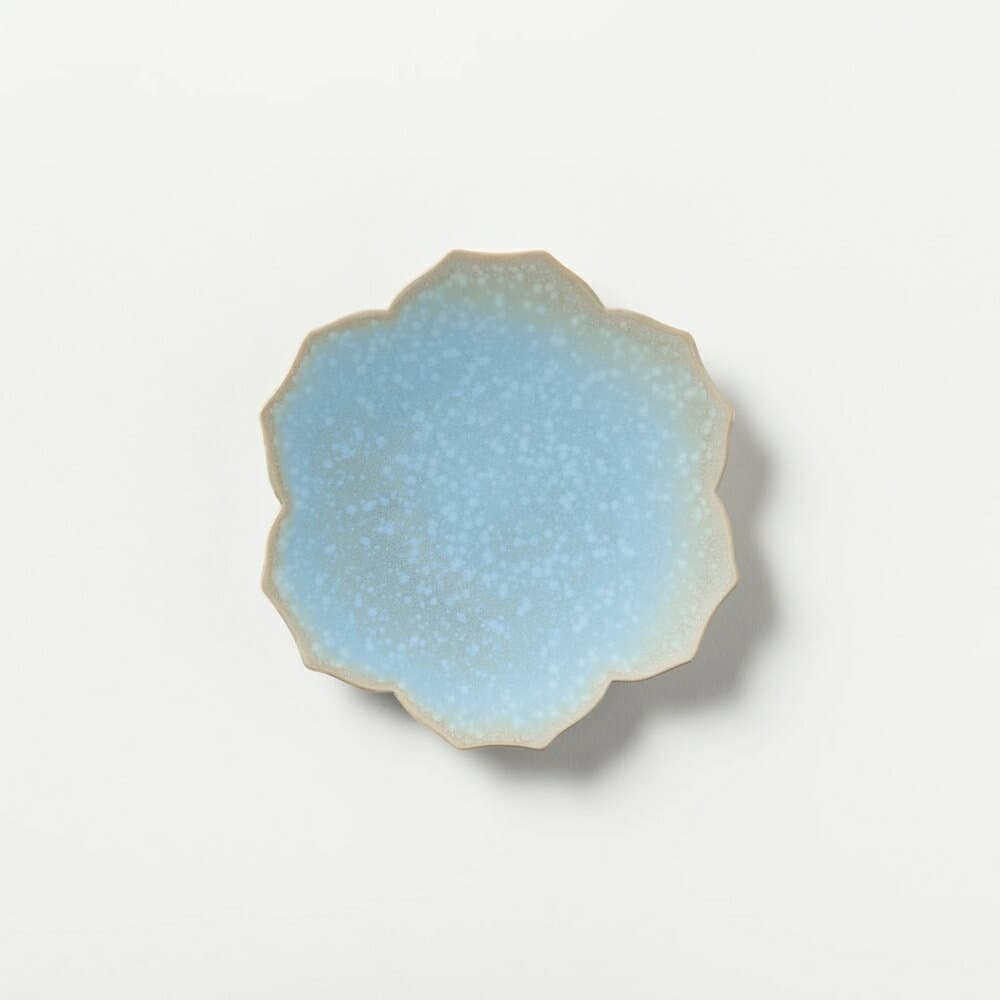
【KIWAKOTO】 YURI 空 Small 京焼・清水焼 百合 花の器 中皿 プレート 取り皿 約15cm 水色 食器 電子レンジ 食洗機対応 日本製 食器おしゃれ
Sky Small, approx. 15 cmHUG Luxe
 2 images
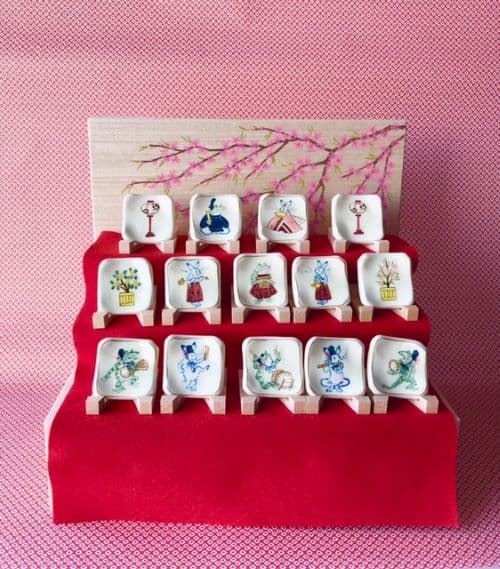
京焼・清水焼 陶泉窯 別注 雛飾り(おひな様・お雛様) 箸置き
14 chopstick rests with paulownia display box京都の和食器・陶器専門店 銀葉
 3 images
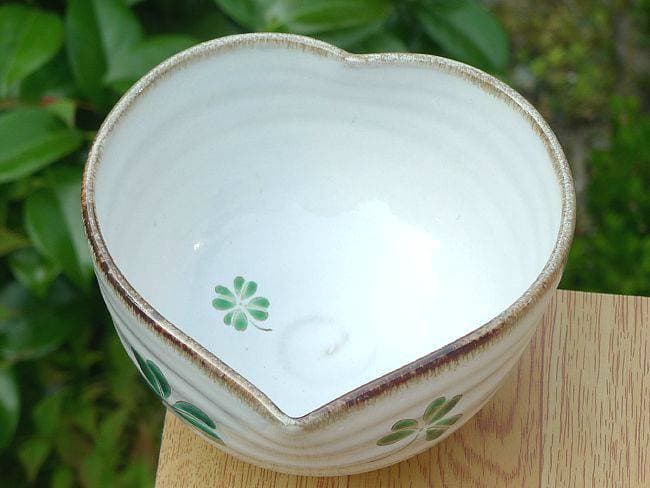
京焼 清水焼 クローバー抹茶茶碗 良二
京焼清水焼専門店 松韻堂
4.9 / 9 reviews
 3 images
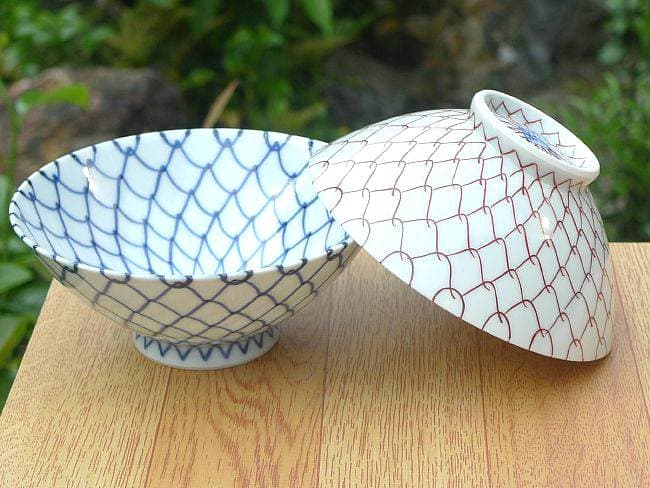
京焼 清水焼 網目夫婦茶碗 青赤 芳山
blue and red pair京焼清水焼専門店 松韻堂
4.6 / 22 reviews
First time buying on Rakuten? How residents in Japan order →
All 5 listings of this product on Rakuten, lowest price first.
| Listing | Price | Shop | Reviews | Open listing |
|---|---|---|---|---|
KIWAKOTO YURI Sky Small Kyo/Kiyomizu Ware Lily Plate Sky Small, approx. 15 cmLowest price | ¥3,300 | HUG Luxe | View on Rakuten → | |
Kyo Ware Kiyomizu Ware Ryoji Clover Matcha Bowl | ¥8,800 | 京焼清水焼専門店 松韻堂 | 4.9 / 9 reviews | View on Rakuten → |
Kyo/Kiyomizu Ware 芳山 Amime Couple Rice Bowl Set blue and red pairMost reviewed | ¥14,850 | 京焼清水焼専門店 松韻堂 | 4.6 / 22 reviews | View on Rakuten → |
Ogawa Coffee x 陶あん Kyo Ware/Kiyomizu Ware Cup & Saucer Blue Sakura | ¥26,400 | 小川珈琲オンラインショップ | 5.0 / 2 reviews | View on Rakuten → |
Kyo-yaki/Kiyomizu-yaki Tousen Kiln Custom Hina Doll Chopstick Rest Set 14 chopstick rests with paulownia display box | ¥44,000 | 京都の和食器・陶器専門店 銀葉 | View on Rakuten → |
Japanese · new tab
In eastern Kyoto, the names Kiyomizuzaka and Gojozaka give Kyoyaki and Kiyomizuyaki a street-level setting. The family covers ceramics made by kilns around Kiyomizuzaka and across Kyoto city, so its character lies in changing forms, painting, firing, and decorative choices rather than one fixed look. In Yamashina, Kiyomizu-yaki Danchi sits on hills east of the Higashiyama foothills, bringing together kilns, ceramic artists, wholesalers, raw-material businesses, and workshops in one working pottery town.
Kyoyaki and Kiyomizuyaki name a broad Kyoto ceramic family connected to kilns around Kiyomizuzaka and to kilns in other parts of Kyoto city. The family is defined through variety: techniques and expressions taken up over time, then reworked by individual kilns and makers into bowls, cups, plates, vases, and other ceramic forms. That variety gives the name a wide shape without tying it to one glaze, motif, or vessel type.
At the foot of Gojozaka, Kyoto Ceramic Hall stands in Higashiyama’s Yugi-mae-cho area, close to the place associated with the birth of Kiyomizu ware. Higashiyama has long been active in ceramic production, and many potters still gather there. Inside the hall, works by Kyoto kilns, established makers, younger ceramic artists, and demonstrations make the district concrete: a slope, a building, a set of hands, and vessels placed in front of visitors.
One early trace of the word Kyoyaki appears in a 1605 diary by the Hakata merchant Kamiya Sotan, where an item written as “Katatsuki Kyoyaki” was used at a tea gathering. The date works as a time anchor for use at the tea seat. Afterward, kilns developed mainly from northern to eastern Kyoto around temple lands, and ceramics with fine patterns came into production.
Kyoto’s court nobles, warrior families, wealthy merchants, temples, and shrines all asked for different kinds of vessels, and Kyoyaki and Kiyomizuyaki changed with those needs. When the craft is described as part of Kyoto culture, the concrete meaning sits in tea, flower arrangement, incense, household vessels, exhibitions, and ritual or display settings. Each era’s taste could appear in vessel shapes, patterns, color, and the way a potter handled clay and surface decoration.
In Yamashina, Kiyomizu-yaki Danchi occupies hills east of the Higashiyama foothills. The town gathers wholesalers, kilns, artists, ceramic raw-material businesses, workshops, woodworkers, doll makers, insulator makers, and other pottery-related trades. Its walking map points to everyday tableware, artist works, hand-forming, painting, and studio visits, so a vessel can be followed from material supply and workshop practice to daily use and display.
Contemporary skill passing happens through one-on-one instruction, painting courses, repeated production practice, and firing courses. The Kyoto Ceramics Cooperative Federation’s Terakoya-juku project turns forming, painting, and firing into teachable steps, including sessions using an existing Kyoto-style climbing kiln in Uji Sumiyama. Here, continuity means a teacher’s hand position, a brush line, a repeated form, and the judgment learned from kiln results.
The outline of Kyoyaki and Kiyomizuyaki becomes clear when its places are named: Kiyomizuzaka, Gojozaka, Higashiyama, Yamashina, and Uji Sumiyama. The family has a 1605 tea-gathering reference as a time anchor, and it has present-day kilns, artists, raw-material suppliers, workshops, and training rooms. Whether a vessel appears at a tea seat, in an exhibition space, or on an everyday table, it carries the accumulated adjustments of Kyoto places, users, and skilled hands.
Compiled from public records and official sources; see the recognition links below. Details may change over time.
Where this product is officially registered, designated, or recognized in Japan.
It is written as 京焼・清水焼 in Japanese. Search Rakuten and other Japanese sites with that spelling — the English name will not bring up the listings.
Kyo ware / Kiyomizu ware (Kyoyaki and Kiyomizuyaki) are Kyoto ceramic families tied to kilns around Kiyomizuzaka and across Kyoto city. Their character is variety in technique and expression rather than one fixed style. Today, Kyoto Ceramic Hall near Gojozaka, Higashiyama's potter community, and Kiyomizu-yaki Danchi in Yamashina show kilns, artists, and everyday tableware.
In 1605, Kamiya Sotan's diary mentioned “Katatsuki Kyoyaki” being used at a tea gathering. Kyoto Ceramic Hall stands at the foot of Gojozaka in Higashiyama's Yugi-mae-cho area, near the place associated with the birth of Kiyomizu ware. Kiyomizu-yaki Danchi in Yamashina sits on hills east of the Higashiyama foothills and gathers kilns, artists, wholesalers, raw-material businesses, and workshops. The Terakoya-juku project teaches ceramic skills through one-on-one instruction, painting courses, repeated production practice, and firing courses using a Kyoto-style climbing kiln in Uji Sumiyama.
An early Kyoyaki item is recorded as used at a tea gathering, and Kyoto Ceramic Hall presents exhibitions of works by Kyoto-based ceramic artists. Shops at Kiyomizu-yaki Danchi present items ranging from everyday tableware to artist works. Kiyomizu-yaki Danchi has hand-forming, painting menus, and workshop visits, and reservations are needed for experience menus.
Porous earthenware is usually given a "medome" treatment first — simmer it gently in rice-rinsing water (or water with a little flour), then cool, rinse, and air-dry. This reduces staining and odour absorption. Porcelain normally just needs a wash. Follow the listing where it says otherwise.
Handmade earthenware, pieces with gold or silver overglaze, and lacquerware generally should not go in a dishwasher, microwave, or heated drying cabinet; heat-resistant porcelain usually can. Check the Rakuten listing for the specific piece.
Most options are shelf-stable, boxed, and travel well, so they suit gifting or bringing home. Confirm the final storage and delivery terms on the Rakuten listing.
On Rakuten: the shops listed here right now are 小川珈琲オンラインショップ, HUG Luxe, 京都の和食器・陶器専門店 銀葉, 京焼清水焼専門店 松韻堂. We don't sell directly; purchase, payment, stock, and delivery are all handled on the Rakuten product page.