 3 images
Heian Mitsuyoshi Kyo Ningyo Standing Imperial Hina Doll Set in Nishijin Silk
雛人形 コンパクト 立雛 親王飾り 平安光義 京人形 束帯本仕立 有職雛 九番皇宮雛 正絹 京都西陣裂地 唐織 桐竹鳳凰黄櫨染御袍 【2026年度新作】 h303-tn-029311 お雛様 ひな祭り
60 x 26 x 40 cm人形屋ホンポ(NINGYOYA HOMPO)
Japanese name京人形
Kyo ningyo brings hina dolls, May dolls, gosho dolls, ichimatsu dolls, and other Kyoto forms into one craft family shaped by specialist work and seasonal use.
Information last updated 120 days ago
3 images雛人形 コンパクト 立雛 親王飾り 平安光義 京人形 束帯本仕立 有職雛 九番皇宮雛 正絹 京都西陣裂地 唐織 桐竹鳳凰黄櫨染御袍 【2026年度新作】 h303-tn-029311 お雛様 ひな祭り
60 x 26 x 40 cm人形屋ホンポ(NINGYOYA HOMPO)
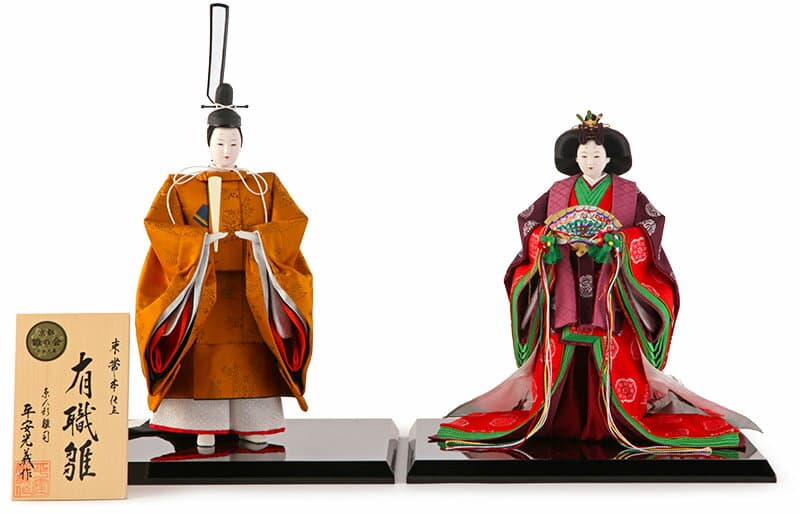 3 images
【先着1名様限定】雛人形 特選 平安光義 ひな人形 雛 親王飾り 立雛 単品 京人形 束帯本仕立 有職雛 九番皇宮雛 正絹 京都西陣裂地 唐織 桐竹鳳凰黄櫨染御袍 【2026年度新作】 h303-tn-029311 ひな祭り
60 x 26 x 40 cmこだわり雛の里 甲冑の三京
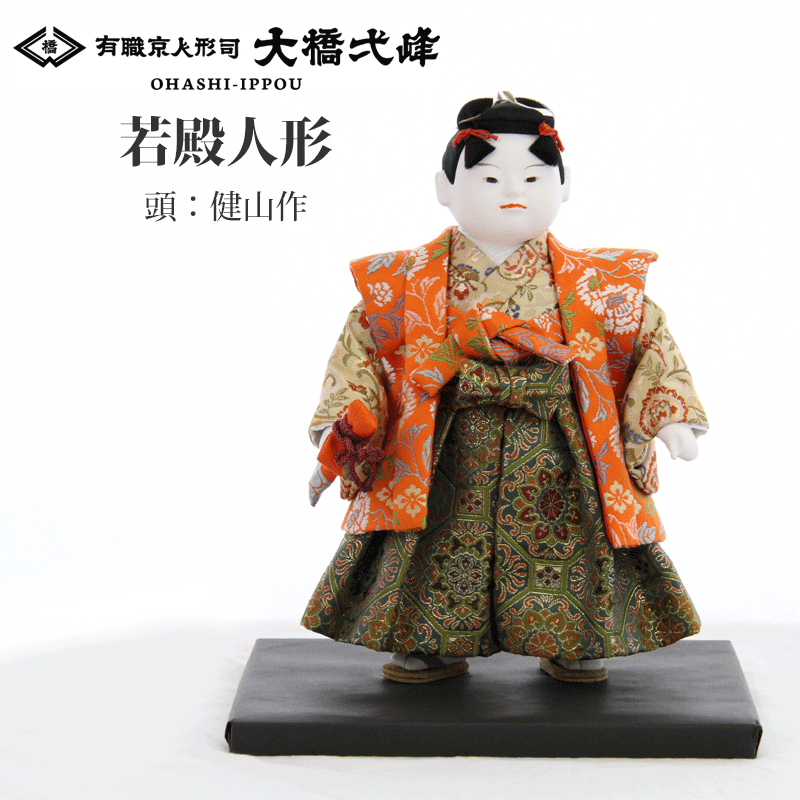 3 images
五月人形 大将飾り 若殿人形 若殿 京人形 インテリア 大橋弌峰 健山 川瀬健山 京都府伝統産業優秀技術者 伝統工芸士
24 x 21 x 30 cm人形とベビー用品の桜うさぎ
First time buying on Rakuten? How residents in Japan order →
Kyo ningyo does not name a single doll shape. In Kyoto, it includes hina dolls, May dolls, ukiyo dolls, genre dolls, gosho dolls, and ichimatsu dolls. Its background reaches back to Heian-period children’s play with hiina dolls among aristocratic families, then forward to Edo-period shopfronts where many kinds of dolls appeared before seasonal festivals. A finished doll first shows its face, clothing, and posture; behind that composed figure are separate stages for the head, hair attachment, hands and feet, small accessories, and dressing.
Under the name Kyo ningyo sit hina dolls, May dolls, ukiyo dolls, genre dolls, gosho dolls, and ichimatsu dolls. The family is broad enough to hold festival dolls, court-linked forms, and figures recognized through posture, clothing, or social setting.
Kyoto Prefecture includes Kyo ningyo in Kyoto’s traditional craft context. For readers, the useful point is the concrete boundary this gives: Kyoto makers, named doll types, and the specialist stages that turn separate heads, hair, limbs, accessories, and dress into one completed figure.
Kyoto Prefecture connects the beginning of Kyo ningyo with Heian-period hiina dolls used in play by aristocratic children. That detail gives the early doll a human scale: a small figure handled in play near court life, before later forms became closely associated with display, season, and ceremony.
In the Edo period, the Kyoto account describes dollmaking as continuing around Kyoto. By the early Edo period, many doll artisans were active, and before seasonal festivals their shopfronts displayed varied dolls. Hina dolls and May dolls therefore belong to a city rhythm as well as to a list of forms: pre-festival streets, visible shop displays, and objects prepared for seasonal viewing.
A Kyo ningyo passes through separate processes for the head, hair attachment, hands and feet, small accessories, and dressing. The face, hairline, limbs, held objects, and clothing each depend on a focused role before the doll becomes one composed figure.
The Kyoto Doll Commerce and Industry Cooperative describes today’s hina, May, gosho, ichimatsu, genre, and other dolls as one-by-one works made by Kyoto doll artisans carrying specialist skills. Tradition here has a concrete meaning: repeated work by separate hands on the head, hair, limbs, accessories, and clothing.
Gosho dolls give Kyo ningyo one especially precise historical use. Kyoto Prefecture says these dolls appeared near the end of the Edo period and were valued as gifts from the imperial court to daimyo.
That use places a doll inside a specific exchange: court, daimyo, gift, and the late Edo period. The object could be viewed indoors, yet in this setting it also moved through a formal relationship between Kyoto court society and powerful regional lords.
Kyoto’s present-day setting keeps the craft visible through exhibitions and demonstrations. The Kyoto Museum of Crafts and Design described a 70th-anniversary Kyo ningyo exhibition by the Kyoto Doll Commerce and Industry Cooperative, with rare doll works and production demonstrations by traditional craftspersons.
Those demonstrations return attention from the completed doll to the making process. In a museum room in Kyoto, visitors can connect the visible clothing and expression with the divided work of heads, hair, hands and feet, accessories, and dressing.
Kyo ningyo is best understood through linked concrete scenes: Heian-period hiina play, Edo-period festival shopfronts, gosho dolls used as court gifts, and Kyoto exhibition rooms where finished works and demonstrations can be seen. When hina dolls, May dolls, gosho dolls, and ichimatsu dolls are viewed together, the completed figure becomes a meeting point for Kyoto place, seasonal use, and many specialist hands.
Compiled from public records and official sources; see the recognition links below. Details may change over time.
Where this product is officially registered, designated, or recognized in Japan.
It is written as 京人形 in Japanese. Search Rakuten and other Japanese sites with that spelling — the English name will not bring up the listings.
Kyo dolls (Kyo ningyo) are Kyoto’s dollmaking family, including hina dolls, May dolls, ukiyo dolls, genre dolls, gosho dolls, and ichimatsu dolls. Their background is linked to Heian-period hiina doll play among aristocratic children; by the early Edo period, many doll artisans worked in Kyoto and displayed varied dolls before seasonal festivals. A Kyo ningyo is made through divided specialist processes for the head, hair attachment, hands and feet, small accessories, and dressing.
Kyoto Prefecture connects Kyo ningyo’s beginning with Heian-period hiina doll play among aristocratic children. By the early Edo period, many doll artisans were active in Kyoto, and their shops displayed varied dolls before seasonal festivals. Kyo ningyo production is divided into specialist processes including head making, hair attachment, hands and feet, small accessories, and dressing. Gosho dolls appeared near the end of the Edo period and were valued as gifts from the imperial court to daimyo.
Hina dolls and May dolls are displayed around girls’ and boys’ festivals. Gosho dolls were prized as gifts from the imperial court to daimyo. Exhibitions and production demonstrations let viewers see workshop technique as well as finished dolls.
Keep craft pieces out of direct sunlight, damp, and sharp temperature swings, and store them where they won't knock against anything. Wood, bamboo, lacquer, and paper don't tolerate water — wipe any moisture off immediately. Specific care notes are on the listing.
Most options are shelf-stable, boxed, and travel well, so they suit gifting or bringing home. Confirm the final storage and delivery terms on the Rakuten listing.
On Rakuten: the shops listed here right now are 人形屋ホンポ(NINGYOYA HOMPO), こだわり雛の里 甲冑の三京, 人形とベビー用品の桜うさぎ. We don't sell directly; purchase, payment, stock, and delivery are all handled on the Rakuten product page.