 3 images
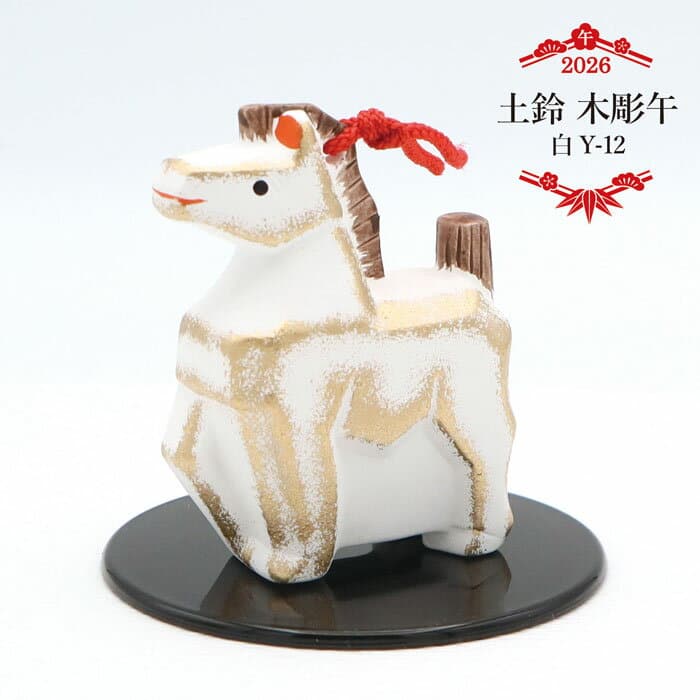
京陶人形 White Wood-Carved Style Horse Dorei Clay Bell
土鈴 木彫午 白 Y-12 / 2026年 令和8年 京陶人形 土鈴 木彫風 白 伝統工芸 置物 干支飾り 和紙敷台 赤紐付き 開運 縁起物 コンパクトサイズ 干支 午 ギフト 新年 正月飾り インテリア 日本製 可愛い ディスプレイ 作家
white Y-12和雑貨 京ぜんび
Japanese name京陶人形
Kyotou Ningyo begins with shaped clay, drying, low firing at about 850 degrees Celsius, and pigment or gofun color. Its forms reach from Hina dolls and Boys' Day figures to zodiac animals and clay bells.
Information last updated 121 days ago
3 images土鈴 木彫午 白 Y-12 / 2026年 令和8年 京陶人形 土鈴 木彫風 白 伝統工芸 置物 干支飾り 和紙敷台 赤紐付き 開運 縁起物 コンパクトサイズ 干支 午 ギフト 新年 正月飾り インテリア 日本製 可愛い ディスプレイ 作家
white Y-12和雑貨 京ぜんび
 3 images
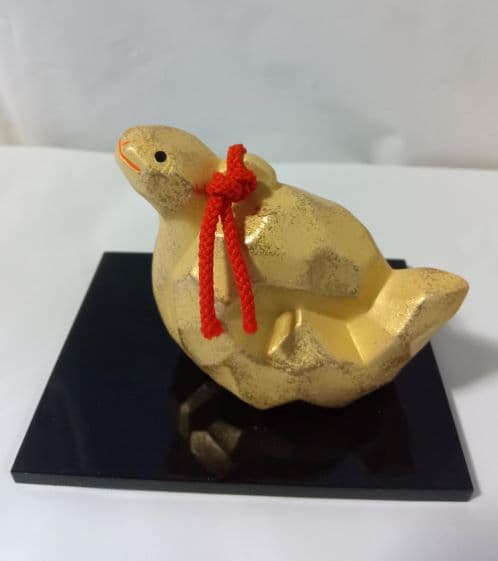
ラッピング無料!京陶人形干支巳・金
goldレスカリエ
 3 images
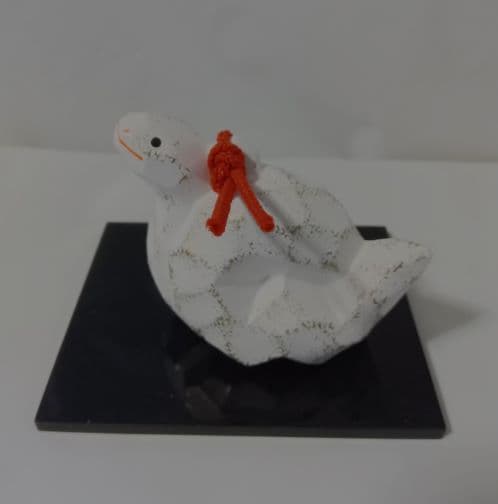
ラッピング無料!京陶人形木彫干支巳・白
whiteレスカリエ
First time buying on Rakuten? How residents in Japan order →
In Kyoto, Kyotou Ningyo starts with clay. Makers shape the figure, dry it, fire it at about 850 degrees Celsius, then add color with pigments. The dolls were once placed within the broader Kyoto doll grouping, but the name Kyotou Ningyo was adopted in 1957, giving Kyoto's unglazed clay dolls a clearer place of their own.
Kyotou Ningyo are unglazed dolls made in Kyoto, so the surface keeps the feel of fired clay rather than hiding it under glaze. After shaping, drying, and low firing, pigment settles onto faces, garments, animals, and small forms; the result is a quiet earthen texture with color held directly on the clay body.
The making sequence moves from clay to form, from drying to low firing at about 850 degrees Celsius, and then to color. One craft account also describes mold forming, gofun, pigments, and the unglazed finish. Those steps explain why the dolls can feel both ceramic and soft in appearance: the clay is fired, but its bare surface remains visible.
Before 1957, these clay dolls sat inside the wider name of Kyoto dolls alongside figures made from other materials. The 1957 naming gave the clay-fired line its own term, Kyotou Ningyo. That name marks a practical boundary: Kyoto, clay, low firing, and painted unglazed surfaces belong at the center of the work.
The range is broad because Kyotou Ningyo are mainly made in many types and small quantities. Hina dolls and Boys' Day pieces carry wishes for children's growth; courtly and period figures turn clothing and pose into miniature scenes; child figures, zodiac animals, simple clay forms, and modern abstract shapes show how the same material can hold different subjects.
Clay bells add sound to the same world of form and color. They are shaped, fired, and colored like other clay pieces, but they also invite a hand to move them. Their appeal rests on tone, shape, and painted surface together, giving Kyotou Ningyo a sensory range beyond the visual figure.
Kyotou Ningyo have continued to appear in Kyoto exhibition rooms. The 60th Kyotou Ningyo Exhibition in 2017 was organized by the Kyotou Ningyo Craft Cooperative at a Kyoto craft museum venue; the 61st exhibition in 2018 was held at the Kyoto Ceramic Center, organized by the cooperative and the Kyoto Ceramic Association, with exhibitors including Shinji Oda, Masahiro Oda, Koen Shimada, Hiroyuki Tsuchida, and Ryukodo.
Kyotou Ningyo is easiest to understand through its concrete steps and forms: Kyoto clay, low firing, unglazed texture, pigment, gofun, Hina dolls, Boys' Day figures, zodiac animals, and clay bells. The 1957 name gives this small clay-fired field a clear position within Kyoto doll making, while exhibition rooms in Kyoto keep the maker community visible.
Compiled from public records and official sources; see the recognition links below. Details may change over time.
Where this product is officially registered, designated, or recognized in Japan.
Regional collective trademark
Registered as a Regional Collective Trademark with the Japan Patent Office.
Sources1
It is written as 京陶人形 in Japanese. Search Rakuten and other Japanese sites with that spelling — the English name will not bring up the listings.
Kyo ceramic dolls, or Kyotou Ningyo, are unglazed clay dolls made in Kyoto. Makers shape clay, dry it, fire it at about 850 degrees Celsius, and color it with pigments or gofun. The dolls were once grouped under Kyoto dolls and received the name Kyotou Ningyo in 1957.
Forms include Hina dolls, Boys' Day pieces, courtly and period figures, Gosho ningyo child figures, zodiac animals, simple clay forms, and modern abstract forms. Clay bells within Kyotou Ningyo are valued for tone, shape, and color. The craft also includes mold forming. The 60th exhibition in 2017 and the 61st exhibition in 2018 were held in Kyoto, with the Kyotou Ningyo Craft Cooperative involved and the Kyoto Ceramic Association co-organizing the 2018 exhibition.
They are displayed as Hina dolls and Boys' Day decorations, which are associated with wishes for children's healthy growth. They are also made as decorative dolls on courtly and period themes, and as year-protecting charms shaped as zodiac and other animals. Clay bells are used as ornaments and can also be enjoyed for their tone.
Keep craft pieces out of direct sunlight, damp, and sharp temperature swings, and store them where they won't knock against anything. Wood, bamboo, lacquer, and paper don't tolerate water — wipe any moisture off immediately. Specific care notes are on the listing.
Most options are shelf-stable, boxed, and travel well, so they suit gifting or bringing home. Confirm the final storage and delivery terms on the Rakuten listing.
On Rakuten: the shops listed here right now are 和雑貨 京ぜんび, レスカリエ. We don't sell directly; purchase, payment, stock, and delivery are all handled on the Rakuten product page.