 3 images
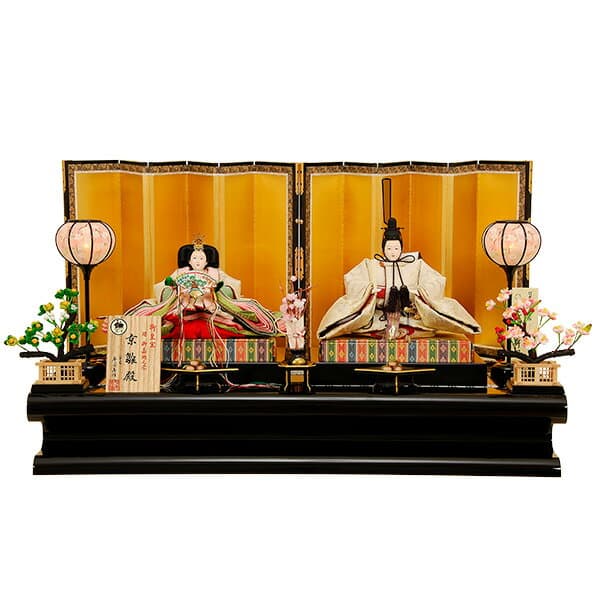
Kyo Hina Hanakomachi Hina Doll Set for Girls' Day
雛人形 コンパクト ひな人形 雛 段飾り 五人飾り 京雛 桃の節句 花小町雛 【2026年度新作】 h283-rk-1-0740
5-person tiered display, W38 x D36 x H24 cm人形屋ホンポ(NINGYOYA HOMPO)
5.0 / 1 reviews
Japanese name京雛
After Risshun, Kyoto homes bring out Kyohina for March 3; silk hair, Nishijin doll cloth, straw torsos, and carefully bent arms give the seasonal pair its compact craft.
Information last updated 122 days ago
3 images雛人形 コンパクト ひな人形 雛 段飾り 五人飾り 京雛 桃の節句 花小町雛 【2026年度新作】 h283-rk-1-0740
5-person tiered display, W38 x D36 x H24 cm人形屋ホンポ(NINGYOYA HOMPO)
5.0 / 1 reviews
 3 images
正絹 雛人形 京雛107【ひな人形】【佳月】【かげつ】【京雛】【御皇室御嘉納京雛司 平安寿峰 謹製】【京都西陣帯 瑞鳥文綴織之御束帯 ローブデコルテ】【本着造り】【送料無料】
90 x 60 x 52 cm人形の佳月
 3 images
雛人形 コンパクト ひな人形 雛 段飾り 五人飾り 京雛 桃の節句 ほほえみ桜雛 【2026年度新作】 h283-rk-1-0733
45 x 38 x 22 cm人形屋ホンポ(NINGYOYA HOMPO)
5.0 / 1 reviews
First time buying on Rakuten? How residents in Japan order →
Kyohina are hina dolls made within Kyoto’s Kyōningyō family. Around Jōshi, or Momo no Sekku, on March 3, they are displayed in homes as part of a wish for children’s healthy growth. In Kyoto, families usually bring them out after Risshun and put them away after March 3, though some keep them until the old-calendar observance in April. The most visible Kyoto detail is the placement: viewed from the front, the male doll sits on the right and the female doll on the left. Behind that pair are the head maker, hair-setting specialist, hands-and-feet maker, and dresser who shape the materials into seated figures.
Kyoto’s seasonal rhythm begins before March 3. After Risshun, Kyohina are set out in the home; after March 3 they are put away, while some households keep them until the old-calendar Hinamatsuri in April. The dates tie the dolls to Jōshi and Momo no Sekku, when hina displays carry a wish for children’s healthy growth.
The same wish also appears beside water. At Shimogamo Shrine on March 3, small hina dolls are placed on sandawara straw mats and floated on the Mitarashi River in a Nagashi-bina rite for children’s health. The household tiered display and the riverside dolls give the spring observance two concrete settings: the room and the stream.
In Kyoto, when the pair is viewed from the front, the male doll sits on the right and the female doll on the left. This reverses the arrangement often seen in many other regions and reflects an older court idea that the left side held higher rank, so the doll’s own left corresponds to the viewer’s right.
The rule becomes visible on the tiered display. The male and female figures do not need explanation once they are placed; their left and right positions let a Kyoto household carry court order into the March 3 room through two seated dolls.
Kyohina take form through divided work. A head maker makes the head, a hair-setting specialist works on the hair, a hands-and-feet maker prepares the limbs, and the dresser brings the parts together, clothing and shaping the dolls into a finished male-and-female pair.
The head alone takes many steps. Fine white skin is built through more than ten processes, including middle and top coating stages that are applied and dried five to ten times each. The hair is 100% silk, so the dark strands beside the small face sit against the pale surface with a quiet, deliberate finish.
The clothing uses high-quality fabric made especially for dolls, including cloth from Nishijin. The male and female dolls wear robes that reproduce court dress; the female doll’s jūnihitoe shows layered court clothing in miniature.
The cloth may be small, but the dressing cannot be casual. The dresser fits the fabric over the straw torso and arms, aligning sleeves, collar, and seated form. What the viewer sees is a still pair; beneath the layers are cloth, cotton padding, arm angles, and a body structure adjusted by hand.
Inside a Kyohina doll, the body begins with a straw torso. Feet and wire arms are attached, then the dresser adjusts thickness and form with cotton padding before the clothing fixes the posture. These hidden materials decide whether the seated male and female figures feel balanced.
Kainaori, the bending of the arms, is one place where the dresser’s skill shows. The arms must suggest natural hand movement inside the sleeves without making the cloth stiff or shapeless. The calm face of a Kyohina doll holds because straw, wire, cotton, and sleeve position have all been settled together.
Kyoto Prefecture’s collections include many Edo-period hina dolls and related objects, placing today’s Kyohina within a wider Kyoto doll setting. Exhibition examples include late-Edo Yūsoku-bina, a Gosho doll dog, and clothing connected with the seasonal observance.
The March 3 practice also carries a longer movement from water to the home. Older accounts describe paper dolls used as substitutes for children and sent into rivers or the sea to avert misfortune and illness; by the Edo period, Hinamatsuri had developed into a more ornate event. Kyohina keep that seasonal thread in concrete household acts: opening the box after Risshun, setting the pair in Kyoto order, smoothing the sleeves, and putting the dolls away after the festival period.
Kyohina are most vivid in their visible details: the male doll on the viewer’s right, the household timing around March 3, 100% silk hair, Nishijin and other doll cloth, a straw torso, wire arms, cotton padding, and carefully bent sleeves. Together they turn a wish for children’s health into a pair of seated figures in a Kyoto spring room.
Compiled from public records and official sources; see the recognition links below. Details may change over time.
Where this product is officially registered, designated, or recognized in Japan.
Regional collective trademark
Registered as a Regional Collective Trademark with the Japan Patent Office.
Sources1
It is written as 京雛 in Japanese. Search Rakuten and other Japanese sites with that spelling — the English name will not bring up the listings.
Kyohina are hina dolls within Kyoto's Kyōningyō craft family. They are usually displayed after Risshun and put away after March 3, with some homes keeping them until the old-calendar observance in April. Kyoto places the male doll on the viewer's right and the female on the left. Their making is divided among head, hair, hands-and-feet, and dressing specialists, using 100% silk hair, Nishijin and other doll cloth, straw torsos, wire arms, cotton padding, and kainaori arm-bending.
Kyoto Prefecture's collection includes Edo-period hina dolls, such as late-Edo Yūsoku-bina, a Gosho doll dog, and related clothing shown in exhibitions. Kyoto's placement, with the male doll on the viewer's right, reflects an older court tradition in which the left position was considered higher. Kainaori arm-bending is used not only to express hand movement in Kyohina but also to show the dresser's (着付師) skill.
In an older custom, hina dolls were used as substitutes for children to help ward off illness and misfortune. At Shimogamo Shrine's March 3 Nagashi-bina ceremony, small hina dolls are floated on sandawara in the Mitarashi River as a prayer for children's health.
Keep craft pieces out of direct sunlight, damp, and sharp temperature swings, and store them where they won't knock against anything. Wood, bamboo, lacquer, and paper don't tolerate water — wipe any moisture off immediately. Specific care notes are on the listing.
Most options are shelf-stable, boxed, and travel well, so they suit gifting or bringing home. Confirm the final storage and delivery terms on the Rakuten listing.
On Rakuten: the shops listed here right now are 人形屋ホンポ(NINGYOYA HOMPO), 人形の佳月. We don't sell directly; purchase, payment, stock, and delivery are all handled on the Rakuten product page.