 3 images
Kyo Zogan “White Dragon” Bolo Tie
【すぐに使える10%OFFクーポン】京象嵌「白龍」ループタイ【送料無料】小さな金槌とタガネを使い銀や金を嵌め込み色彩や隆起などで紋様を造りだした京象嵌のループタイ
White Dragon motif光進shop
Japanese name京象嵌
Kyoto zogan joins iron ground, gold and silver wire, lacquer, and hand polishing, carrying Nishijin metalwork into pendants, framed works, and workshop practice near Sagano.
Information last updated 120 days ago
3 images【すぐに使える10%OFFクーポン】京象嵌「白龍」ループタイ【送料無料】小さな金槌とタガネを使い銀や金を嵌め込み色彩や隆起などで紋様を造りだした京象嵌のループタイ
White Dragon motif光進shop
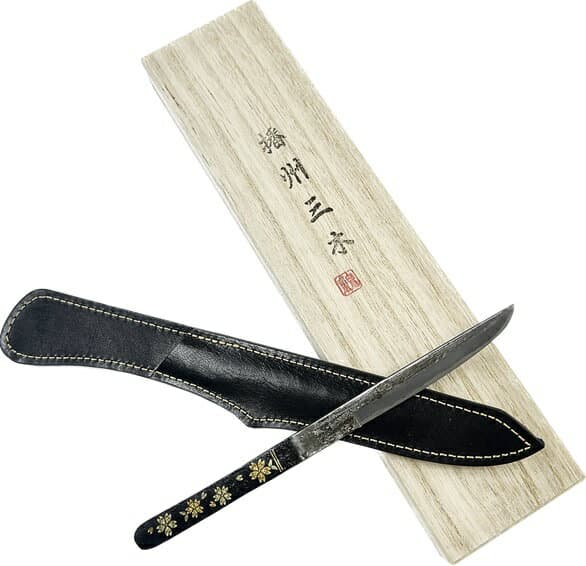 3 images
富田修作錬鉄木目 ペーパーナイフ高級 レターオープナー京象嵌 桜 031725日本製【25-3-10018305】
sakura motif関の刃物屋MARUOKUネット
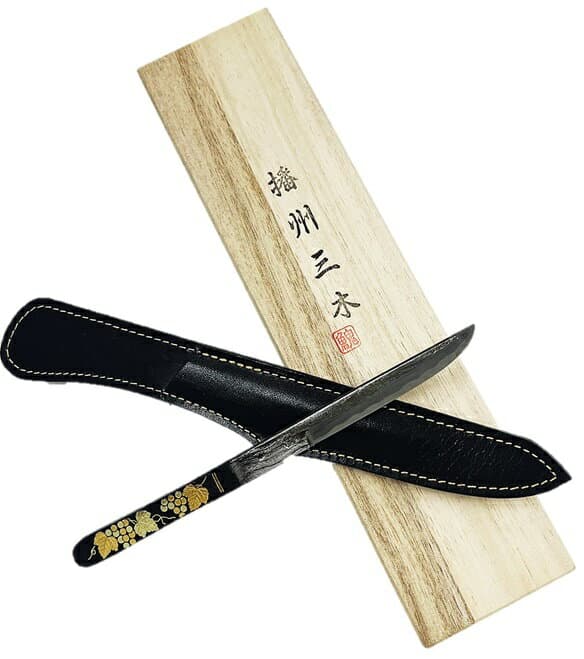 3 images
富田修作錬鉄木目 ペーパーナイフ高級 レターオープナー京象嵌 葡萄 031727日本製【25-3-10018304】
grape motif関の刃物屋MARUOKUネット
First time buying on Rakuten? How residents in Japan order →
Kyoto zogan sets metal of a different color into a metal ground, using color and slight relief to draw patterns. On a dark lacquered surface, polished pure gold and silver appear as quiet lines of light, close enough to reward a slow look.
Kyoto zogan is often explained through nunome zogan, the cloth-pattern inlay technique. The maker cuts fine vertical and horizontal grooves into an iron ground, about seven to eight grooves in a square millimeter, then hammers in gold or silver wire or flat metal less than one millimeter across.
Those cuts are not the finished decoration; they are the structure that holds the precious metal. After the metal is set, the surface is corroded, treated with tannin, lacquered, baked, polished back, and finished by hand so the design returns from the dark surface.
The visual balance of Kyoto zogan often rests on black lacquer, pure gold, and silver. Lacquer is also practical: Takebe Kazuo of the Kyoto Art Inlay Cooperative connects its use to Japan’s humid climate, where it helps protect metal from rust and keeps gold and silver bright over long spans of time.
In the process described for Kyoto nunome zogan, lacquer is applied three to four times, baked, and then polished. Hand finishing keeps the border between the inlaid metal and the ground clean, whether the object is a small accessory or an interior piece meant to be viewed up close.
Within Kyoto’s history, the Umetada and Shoami families of Nishijin stand out in the early Edo period. Their disciples served daimyo in different regions, helping Kyoto techniques travel beyond the city.
Earlier metal inlay appeared on weapons, religious objects, and sword guards. By the late Edo period, use had expanded to hibachi and kiseru pipes, moving gold and silver inlay from warrior and aristocratic settings into a wider range of daily objects.
The Meiji sword ban put techniques tied to sword fittings under pressure, and Kyoto inlay nearly faded. Makers including Shikata Yasunosuke and Namikawa Yasuyuki then looked abroad, and Japanese metal inlay drew attention in Europe and the United States.
A visible part of that outward movement appears through Komai Otojiro and the 1878 Paris Exposition context. His small cabinet with famous-place designs, 13.8 centimeters high, shows how Kyoto inlay could carry landscape imagery on a compact decorative object.
Kyoto zogan today appears in pendants, tie pins, jewelry, framed works, small containers, and interior decorations. Brass lifestyle goods also carry the technique, including pen stands, bookends, paperweights, planter covers, and single-flower vases.
The motifs reach beyond straight geometry. Kyoto-related descriptions connect the work with flowers and birds, seasonal imagery, and views of famous places; in geometric jewelry, cherry-blossom pendants, and mirror-finished brass objects, gold and silver lines give small surfaces layered detail.
In Kyoto’s Ukyo Ward, around Saga Tenryuji Setogawacho near Arashiyama and Sagano walking routes, a listed workshop presents Kyoto zogan through display and hands-on making. Nakajima Zogan describes experience pieces such as pendants, straps, tie pins, and charms, giving visitors a small metal surface for the act of inlay.
The Kyoto Museum of Crafts and Design has also hosted craftsperson demonstrations and inlay experiences, including work that hammers gold and silver into a stainless-steel ground. When the hammer meets the metal, terms like cloth-pattern grooves, gold and silver, and lacquer return to touch and sound.
Kyoto zogan is strongest when seen through its materials: cut grooves, gold and silver, lacquer, heat, polishing, and a maker’s hand. From Nishijin sword fittings to pendants, framed works, brass lifestyle objects, and Sagano workshop practice, it lets a small metal surface hold Kyoto’s metalworking continuity in visible lines.
Compiled from public records and official sources; see the recognition links below. Details may change over time.
Where this product is officially registered, designated, or recognized in Japan.
Regional collective trademark
Registered as a Regional Collective Trademark with the Japan Patent Office.
Sources1
It is written as 京象嵌 in Japanese. Search Rakuten and other Japanese sites with that spelling — the English name will not bring up the listings.
Kyo zogan inlay is a Kyoto metal craft that sets differently colored metals into a metal ground, forming patterns through color and slight relief. In nunome zogan, about seven to eight cloth-like grooves per square millimeter are cut into iron, then gold or silver wire or flat metal under one millimeter is hammered in and the surface is treated, lacquered, baked, polished, and hand-finished.
Nunome zogan cuts about seven to eight vertical and horizontal grooves per square millimeter into an iron ground before gold or silver is inserted. The process includes tannin treatment, lacquer applied three to four times, baking, polishing, and hand finishing. Takebe Kazuo of the Kyoto art inlay association connects lacquer use with humidity, rust prevention, and lasting gold and silver brightness. Kyoto’s account names the Umetada and Shoami families of Nishijin, with techniques spreading through disciples who served daimyo.
Current pieces include pendants, tie pins, jewelry, straps, charms, and reversible pendants with cherry-blossom and geometric designs. Framed works, small containers, interior decorative goods, and brass daily items such as pen stands, bookends, paperweights, planter covers, and single-flower vases also carry Kyoto zogan designs. Workshops and the Kyoto Museum of Crafts and Design present craftsperson demonstrations and hands-on inlay, including pendants, straps, tie pins, and charms.
Keep craft pieces out of direct sunlight, damp, and sharp temperature swings, and store them where they won't knock against anything. Wood, bamboo, lacquer, and paper don't tolerate water — wipe any moisture off immediately. Specific care notes are on the listing.
Most options are shelf-stable, boxed, and travel well, so they suit gifting or bringing home. Confirm the final storage and delivery terms on the Rakuten listing.
On Rakuten: the shops listed here right now are 光進shop, 関の刃物屋MARUOKUネット. We don't sell directly; purchase, payment, stock, and delivery are all handled on the Rakuten product page.