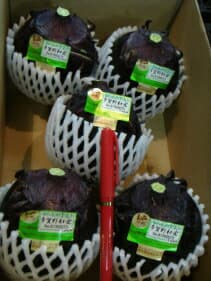
Kyoto Traditional Vegetable Kamo Eggplant
【正規品】【新鮮中央市場直送】A品 京都直送仲卸厳選おすすめ生産者限定品京野菜京の伝統野菜ブランド秀品品超厳選賀茂茄子5個入 賀茂なす レシピ付き 賀茂なす かもなす
5 pieces京野菜の卸屋さん
4.0 / 2 reviews
Japanese name京の伝統野菜
Mizuna, mibuna, Kujo negi, Kamo eggplant, Shogoin daikon, and Kyo bamboo shoots trace a Kyoto vegetable family through water, soil, farmer skill, pickles, and everyday obanzai.
Information last updated 120 days ago
【正規品】【新鮮中央市場直送】A品 京都直送仲卸厳選おすすめ生産者限定品京野菜京の伝統野菜ブランド秀品品超厳選賀茂茄子5個入 賀茂なす レシピ付き 賀茂なす かもなす
5 pieces京野菜の卸屋さん
4.0 / 2 reviews
 2 images
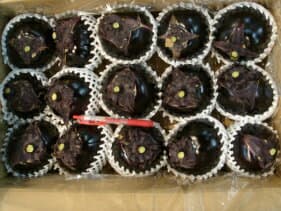
【送料無料】【新鮮中央市場直送】【正規品】賀茂茄子C品15個入お徳用訳あり京野菜京の伝統野菜仲卸厳選おすすめ生産者限定厳選品 賀茂なす レシピ付き
C-grade value pack, 15 pieces京野菜の卸屋さん
5.0 / 1 reviews
First time buying on Rakuten? How residents in Japan order →
Kyo no Dento Yasai is a Kyoto Prefecture-wide vegetable family. Its boundary covers vegetables introduced and cultivated before the Meiji period, includes bamboo shoots, excludes mushrooms and ferns, and holds cultivated, preserved, and extinct items in the same family. That frame places mizuna, mibuna, Kujo negi, Kamo eggplant, Shogoin daikon, and Kyo bamboo shoots back into the Kamo, Takano, and Katsura river systems, the Kyoto basin, and the long north-south geography of the prefecture.
The definition of Kyo no Dento Yasai reaches across all of Kyoto Prefecture and uses pre-Meiji introduction and cultivation as a key boundary. Bamboo shoots are included, while mushrooms and ferns are excluded. The family also includes items still cultivated, items preserved, and items that have disappeared, so it carries change in Kyoto fields rather than a simple seasonal list.
Kyoto Prefecture stretches north and south, with a coast on the Sea of Japan, mountain and hill areas, and basins. Kyoto City is central to many familiar names, yet the family is wider than the city. Seeing the whole prefecture helps connect Shogoin daikon, Kyo bamboo shoots, Kujo negi, and mibuna to geography and farming conditions rather than to an image of old streets alone.
Kyoto vegetables were improved through fertile soil, abundant water, and farmer cultivation skill. The Kamo, Takano, and Katsura river systems shaped soil and groundwater conditions, while the basin enclosed by mountains brought winter chill, rainfall, moderate temperature, and humidity into the growing environment. Those concrete conditions explain local character more clearly than a loose word like heritage: they stand behind tender mizuna leaves, soft Kujo negi, dense Kamo eggplant, and pale spring bamboo shoots.
The northern and southern parts of the prefecture do not share one uniform climate. Mountains, basins, and rivers create several growing settings. Kyo no Dento Yasai therefore does not have one flavor or one farming method shared by every item; it is a group of vegetables selected, kept, and used in different Kyoto fields.
Kyoto’s long years as a capital brought goods, people, and knowledge from many regions, and vegetables came with demand from the court, shrines, temples, and urban life. Kyoto City places about 1,200 years of vegetable cultivation within the needs of townspeople, the court, temples, and shrines. The family’s history therefore belongs to fields as well as offerings, meals, markets, and neighborhood kitchens.
In inland Kyoto, where fresh seafood was harder to obtain, vegetables held an important place in Kyoto cuisine, temple vegetarian cooking, tea kaiseki, and household dishes. A local selling practice in which farmers brought freshly harvested vegetables to nearby homes also linked fields with town kitchens, keeping leafy greens, roots, eggplants, and tubers in everyday use.
Kyo no Dento Yasai becomes easiest to picture when the vegetable name and use appear together. Shogoin turnip is tied to senmaizuke, Kamo eggplant and Kyo myoga can enter shibazuke with shiso, and sugukina is tied to suguki pickles. Ebiimo simmered with dried cod in imobo places the texture of the tuber and the flavor of preserved fish in the same pot.
Everyday obanzai keeps these vegetables in household cooking. Mizuna and mibuna appear as tender greens for hot pots, pickles, and later small-bundle raw use. Kujo negi is remembered as a soft, sweet leaf onion. Shogoin daikon suits oden and simmered dishes. Kyo bamboo shoots appear as pale, tender spring ingredients. Each item has its own path to the table, so the family should not be flattened into one single Kyoto taste.
Some Kyo no Dento Yasai declined as society changed, and some faced the risk of extinction. Seed preservation and cultivation-method work therefore became part of continuity. From the 1960s and 1970s, efforts included recording farmers’ growing methods, maintaining original-seed fields, and bringing difficult old vegetables back into cultivation.
Cultivation methods also continued to change. Pipe houses supported some fruit and soft vegetables, while mizuna and mibuna came to use near-ultraviolet-cut film, insect nets, and year-round small-bundle production. Those methods helped greens once strongly associated with hot pots and pickles move into raw salad use. Continuity here is concrete: seed, field, film, net, bundle size, and farmer instruction.
Kyo no Dento Yasai and Kyo Brand Products are often discussed near each other, but they do different work. The first names a family of old Kyoto vegetables. The second selects Kyoto agricultural, forestry, and fishery products that meet conditions for cultivation, quality, standards, and production area, with the Kyo mark used for recognition. Keeping the two lines separate prevents the vegetable family from being reduced to a quality label.
For readers, the more useful doorway is the vegetables themselves: mizuna, mibuna, Kujo negi, Fushimi togarashi, Kamo eggplant, ebiimo, Horikawa burdock, and Shogoin daikon are named examples. Those names connect Kyoto fields, farmer skill, Kyoto cooking, pickles, and household meals, making Kyo no Dento Yasai a group that can be understood item by item.
The strength of Kyo no Dento Yasai lies in the scale of Kyoto Prefecture: northern mountains and coast, southern basins and city kitchens, a bunch of mizuna, a stalk of Kujo negi, a Kamo eggplant, and the demand shaped by court, shrine, temple, town, and farm households. As seed preservation, cultivation improvements, and everyday cooking keep these names in motion, the family remains a visible link between Kyoto’s rivers, water, fields, and tables.
Compiled from public records and official sources; see the recognition links below. Details may change over time.
Where this product is officially registered, designated, or recognized in Japan.
Regional collective trademark
Registered as a Regional Collective Trademark with the Japan Patent Office.
Sources1
It is written as 京の伝統野菜 in Japanese. Search Rakuten and other Japanese sites with that spelling — the English name will not bring up the listings.
Kyoto heirloom vegetables (Kyo no Dento Yasai) is a Kyoto Prefecture-wide vegetable family defined by pre-Meiji introduction and cultivation, including bamboo shoots, excluding mushrooms and ferns, and covering cultivated, preserved, and extinct items. Its background connects court, shrine, temple, and town demand with the Kamo, Takano, and Katsura river systems, basin weather, fertile soil, farmer skill, seed preservation, Kyoto cuisine, pickles, and everyday obanzai.
Court, shrine, temple, and townspeople demand shaped about 1,200 years of vegetable cultivation in Kyoto. Named examples include mizuna, mibuna, Kujo negi, Fushimi togarashi, Kamo eggplant, ebiimo, Horikawa burdock, and Shogoin daikon. Groundwater is part of the growing context for Kyoto vegetables, with the Kamo, Takano, and Katsura river systems, fertile soil, and basin weather. Seed preservation, farmer cultivation records, original-seed fields, and later cultivation improvements supported continuity for vulnerable items.
The vegetables are used in Kyoto cuisine, tea-ceremony kaiseki, and temple shojin ryori, and also in everyday obanzai and household meals. Shogoin turnip is used for senmaizuke, Kamo eggplant and Kyo myoga with shiso for shibazuke, and sugukina for suguki pickles. Kamo eggplant is used for dengaku and fried dishes, Fushimi togarashi for grilling and tempura, Shogoin daikon for oden and simmered dishes, and Kyo bamboo shoots for spring preparations.
Storage varies by product — shelf-stable, refrigerated, or frozen — and is stated on the packaging and the Rakuten listing. Shelf-stable processed foods usually need refrigerating once opened and eating within a few days; chilled and frozen items go straight into storage on arrival. Treat the best-before date on the physical packaging as authoritative.
Most options are shelf-stable, boxed, and travel well, so they suit gifting or bringing home. Confirm the final storage and delivery terms on the Rakuten listing.
On Rakuten: the shops listed here right now are 京野菜の卸屋さん. We don't sell directly; purchase, payment, stock, and delivery are all handled on the Rakuten product page.