 3 images
Mino Ware Natural Color Porcelain Tableware Set
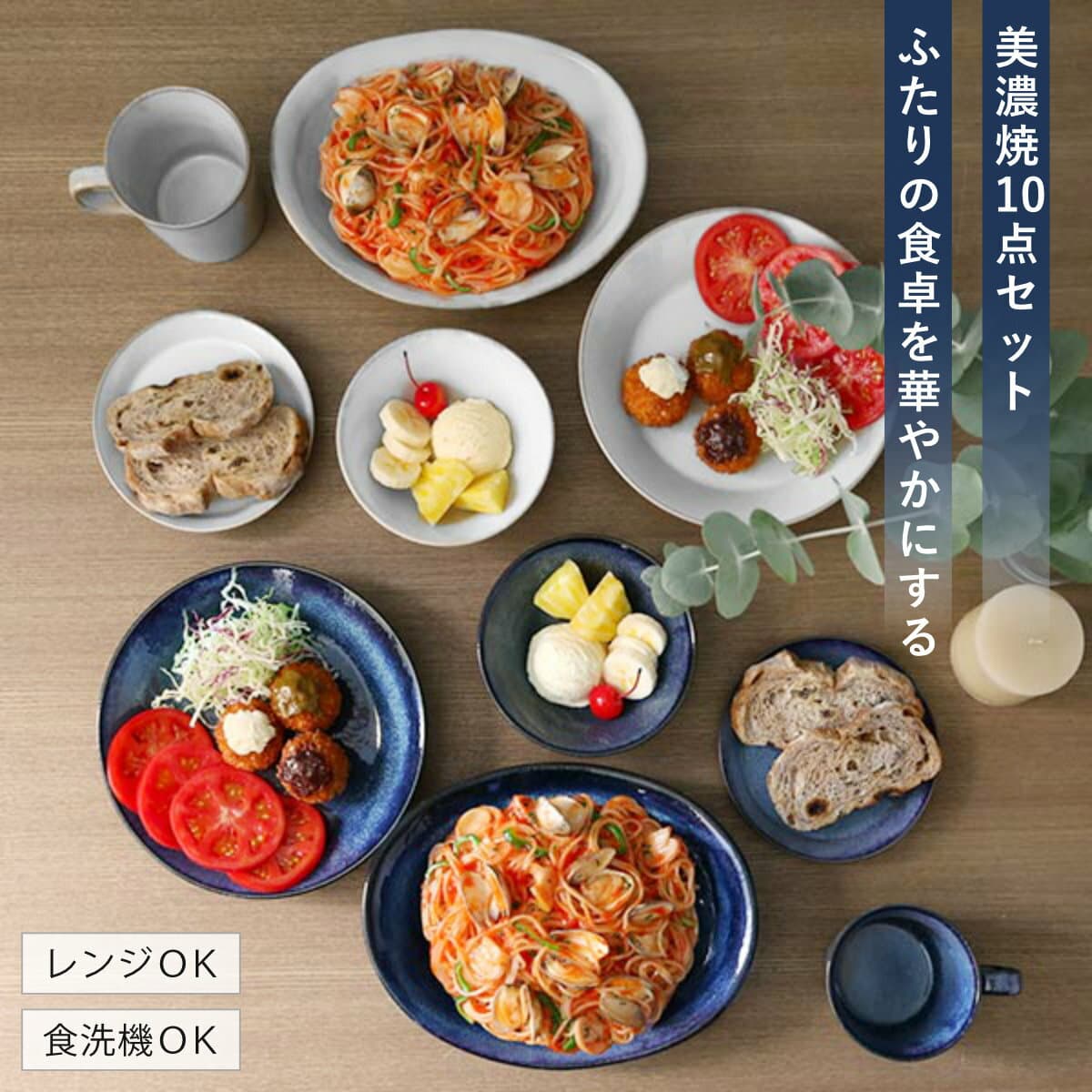
食器 10個入り 2色 ナチュラルカラー 美濃焼 磁器 ( 食洗機対応 電子レンジ対応 食器セット ペア プレート ボウル マグカップ カレー皿 中鉢 カップ マグ パスタ皿 中皿 取り皿 セット おしゃれ )【3980円以上送料無料】
10-piece set, gray and navyお弁当グッズのカラフルボックス
4.7 / 47 reviews
Japanese name美濃焼
In eastern Gifu’s Tono area, Mino ware takes shape through fifteen named craft types, museum clay work, Shimoishi slip-casting, Takiro tableware bodies, and the May gathering at Oribe Hills.
Information last updated 119 days ago
3 images食器 10個入り 2色 ナチュラルカラー 美濃焼 磁器 ( 食洗機対応 電子レンジ対応 食器セット ペア プレート ボウル マグカップ カレー皿 中鉢 カップ マグ パスタ皿 中皿 取り皿 セット おしゃれ )【3980円以上送料無料】
10-piece set, gray and navyお弁当グッズのカラフルボックス
4.7 / 47 reviews
First time buying on Rakuten? How residents in Japan order →
Mino ware is pottery and ceramic ware from the Tono area of Gifu Prefecture. Its character comes from more than one thousand years of history, fifteen named traditional craft types, and working places in Toki and Tajimi. The Toki City Mino Ware Traditional Industrial Hall brings displays, clay work, and painting into one setting. The Mino Ceramic Art Museum in Tajimi connects viewing, learning, matcha in tea bowls, and making with clay. Shimoishi and Takiro make the production side tangible through hard-to-mechanize slip-casting, white ceramic bodies, coffee cup-and-saucer forms, mugs, plates, and tiles.
Mino ware begins with the Tono area of Gifu, where the Toki City Mino Ware Traditional Industrial Hall presents more than one thousand years of history through displays on technique and ceramic products. The family is best understood through range: Shino, Oribe, Kiseto, tenmoku, and kohiki are entry points, while the full set names fifteen traditional craft item types. Here, tradition means named ceramic forms, glaze-related categories, and practices that still appear in displayed vessels and hands-on making.
In Toki, the hall places technique displays beside clay-making and painting, so the material is encountered by hand as well as by sight. In Tajimi, the Mino Ceramic Art Museum presents the history and present of Mino ware, then extends the visit into matcha served in tea bowls and original works made from clay. The map widens from there: Shimoishi sits in Toki’s Shimoishi area, Takiro lies southeast of Tajimi among mountains with the Kasahara River running through the district, and Oribe Hills becomes the Toki gathering point each May.
The fifteen names give readers a practical way to recognize the breadth of Mino ware: Shino, Oribe, Kiseto, Setoguro or Hikidashiguro, ash glaze, sometsuke, tenmoku, akae, seiji, iron glaze, kohiki, ame glaze, Ofuke, Mino-Iga, and Mino-Karatsu. The list does not need inflated visual claims to matter. It shows that Mino ware in Tono is a family of named ceramic types, kept visible through exhibitions, making, and daily vessels rather than one repeating look.
The tactile side of Mino ware can begin with free clay work and painting at the Toki hall, or with clay-based making at the Tajimi museum. On the production side, Shimoishi Ceramic Industrial Cooperative was established in April 1947 and now has 69 member companies. Many local kilns are skilled in slip-casting that is difficult to mechanize, with products such as sake bottles, teapots, pots, flower vases, religious implements, Shino, and Oribe. Small-lot production is tied here to the daily work of making many different forms well.
Mino ware enters daily life most clearly through vessels. At the Tajimi museum, matcha served in tea bowls turns the bowl into something held and used, not only viewed. Takiro Ceramic Industrial Cooperative, with 12 current members, focuses on white bodies for Western and Japanese tableware and produces coffee cups and saucers, mugs, plates, porcelain goods, and exterior, interior, and mosaic tiles. Put beside Shimoishi’s sake bottles, teapots, pots, and vases, Takiro’s white bodies and tiles show a ceramic family that moves from tea settings to tables and building surfaces.
Every year from May 3 to May 5, the Toki Mino Ware Festival is held at Oribe Hills in Izumi-Kitayama, Toki. The event is described as one of Japan’s three major ceramic festivals, with about 60 ceramic wholesalers gathering and many visitors arriving from inside and outside Gifu. Within the Mino ware landscape, those three days turn Oribe Hills into a meeting point for Toki, vessels, wholesalers, and people who want to see the range of local ceramics in one place.
The clearest way to read Mino ware is through concrete names and places: the Toki hall, the Tajimi museum, Shimoishi slip-casting, Takiro white bodies, and the fifteen names that include Shino, Oribe, Kiseto, tenmoku, and kohiki. From tea bowls to coffee cups and saucers, from plates to tiles, the family remains close to ordinary use. Each May 3-5, Oribe Hills brings those vessels back into a Toki streetscape shaped by ceramic work and visitors.
Compiled from public records and official sources; see the recognition links below. Details may change over time.
Where this product is officially registered, designated, or recognized in Japan.
It is written as 美濃焼 in Japanese. Search Rakuten and other Japanese sites with that spelling — the English name will not bring up the listings.
Mino ware is a ceramic family from the Tono area of Gifu Prefecture, and variety is its defining trait. The Toki City Mino Ware Traditional Industrial Hall presents more than one thousand years of history and fifteen named traditional craft item types. The Mino Ceramic Art Museum in Tajimi connects exhibitions, matcha in tea bowls, and clay making.
The fifteen named traditional craft item types include Shino, Oribe, Kiseto, Setoguro or Hikidashiguro, ash glaze, sometsuke, tenmoku, akae, seiji, iron glaze, kohiki, ame glaze, Ofuke, Mino-Iga, and Mino-Karatsu. Shimoishi Ceramic Industrial Cooperative was established in April 1947, has 69 member companies, and includes kilns skilled in slip-casting that is difficult to mechanize and in small-lot production. Takiro Ceramic Industrial Cooperative lies southeast of Tajimi, has 12 current members, and produces white bodies for Western and Japanese tableware, coffee cups and saucers, mugs, plates, porcelain goods, and tiles. The Toki Mino Ware Festival is held every May 3-5 at Oribe Hills in Izumi-Kitayama, Toki, with about 60 ceramic wholesalers gathering.
Mino ware is used as daily tableware, including Western and Japanese tableware, coffee cups and saucers, mugs, and plates. Tea bowls are used for matcha. The Toki City Mino Ware Traditional Industrial Hall offers clay-making and painting experiences, and the Mino Ceramic Art Museum in Tajimi includes making original works from clay.
Porous earthenware is usually given a "medome" treatment first — simmer it gently in rice-rinsing water (or water with a little flour), then cool, rinse, and air-dry. This reduces staining and odour absorption. Porcelain normally just needs a wash. Follow the listing where it says otherwise.
Handmade earthenware, pieces with gold or silver overglaze, and lacquerware generally should not go in a dishwasher, microwave, or heated drying cabinet; heat-resistant porcelain usually can. Check the Rakuten listing for the specific piece.
Most options are shelf-stable, boxed, and travel well, so they suit gifting or bringing home. Confirm the final storage and delivery terms on the Rakuten listing.
On Rakuten: the shops listed here right now are お弁当グッズのカラフルボックス. We don't sell directly; purchase, payment, stock, and delivery are all handled on the Rakuten product page.