 3 images
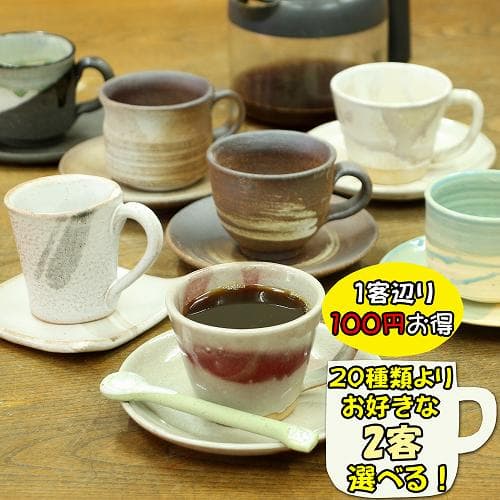
Shigaraki Ware Coffee Cup & Saucer Pair Set
お得 信楽焼 20客より 選べる コーヒーカップ ソーサー ペア セット コーヒー碗皿 セット 陶器 来客用 おしゃれ コーヒー碗皿 北欧 珈琲 カップ コーヒーカップ&ソーサー ペア ギフト お祝い 信楽焼き
choose 2 from 20 styles夢源陶房
4.7 / 136 reviews
Japanese name信楽焼
In Shigaraki, Koka City, refractory coarse clay and kiln-born marks such as hi-iro, koge, and natural glaze connect tea jars, tableware, garden pieces, braziers, and tanuki figures.
Information last updated yesterday
3 imagesお得 信楽焼 20客より 選べる コーヒーカップ ソーサー ペア セット コーヒー碗皿 セット 陶器 来客用 おしゃれ コーヒー碗皿 北欧 珈琲 カップ コーヒーカップ&ソーサー ペア ギフト お祝い 信楽焼き
choose 2 from 20 styles夢源陶房
4.7 / 136 reviews
 3 images
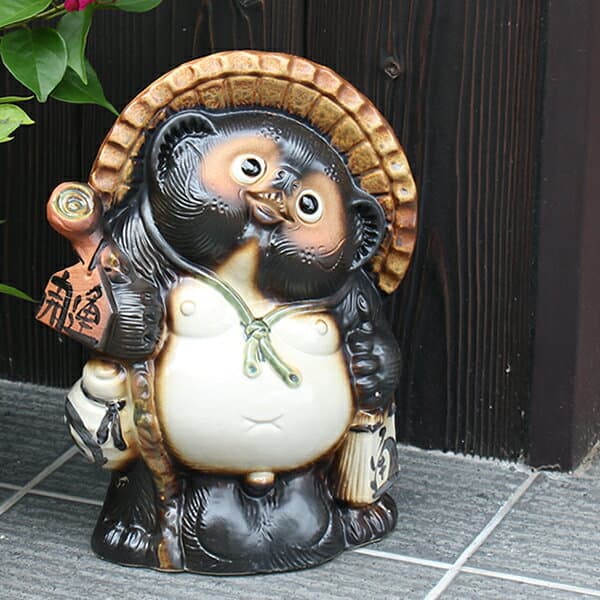
信楽焼 10号開運狸 信楽焼たぬき 縁起物のタヌキ 陶器タヌキ たぬき置物 やきもの しがらきやき 焼き物 狸 タヌキ 信楽 狸 ta-0009
10-go sizeまるいち本店
4.9 / 60 reviews
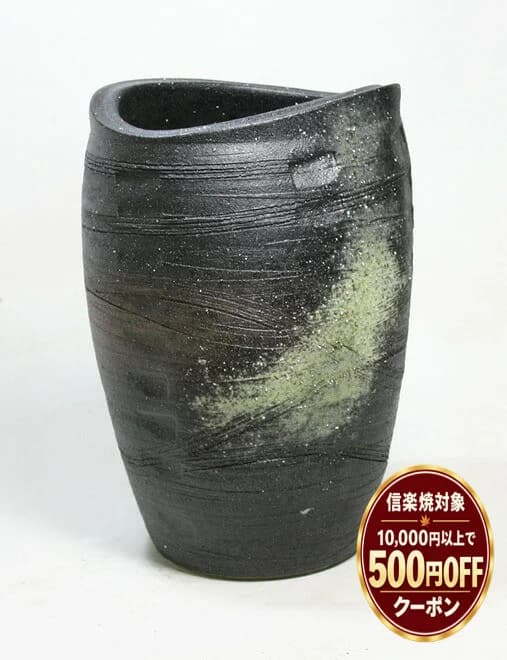
傘立て 陶器 信楽焼 窯変たわみ 傘立 開店祝い 新築祝い 引越し祝い 贈り物 ギフト プレゼント 玄関収納 玄関先 彩り屋
Approx. 30 x 25 x 44 cm彩り屋×すごい梅干し屋
4.5 / 2 reviews
 3 images
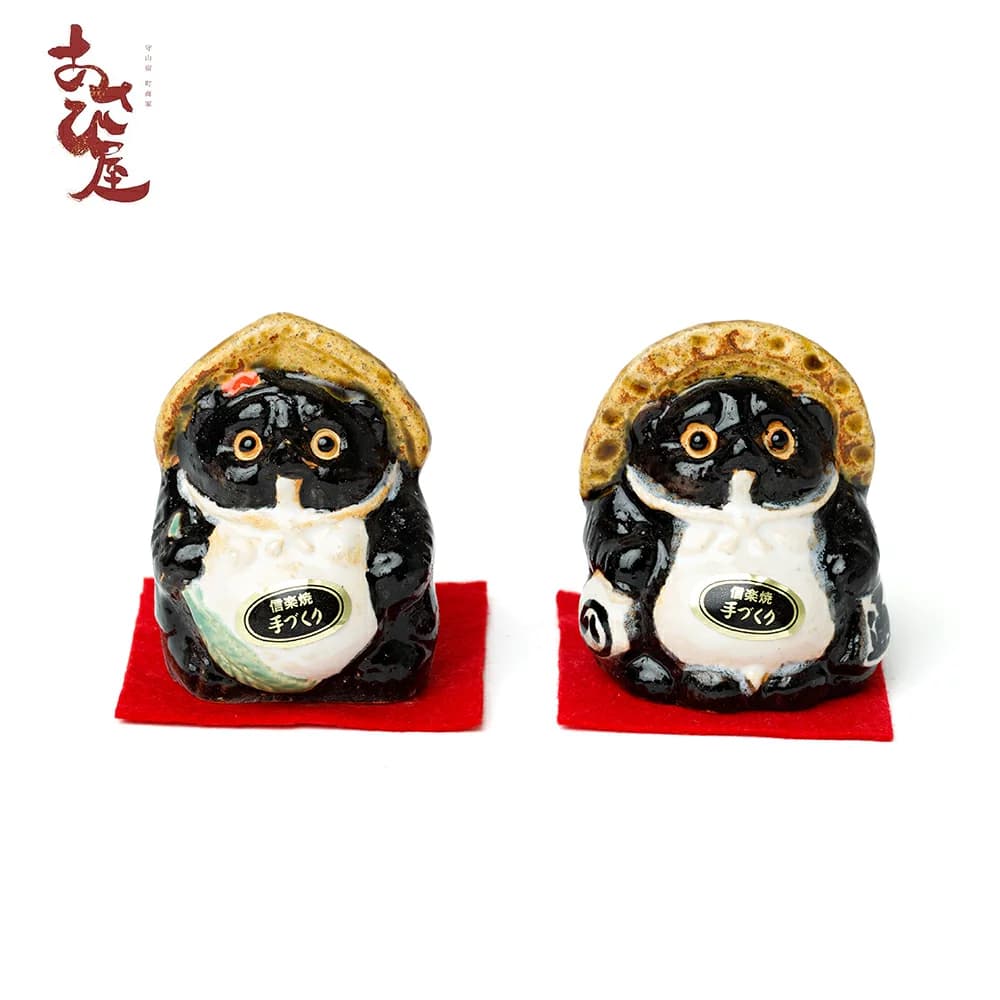
たぬき オスとメス セット かわいい 雑貨 インテリア 男の子 女の子 雄 雌 子供 どうぶつ アニマル 国産 置き物 置物 信楽焼 日本製 手作り 手土産 お土産 贈答品 プレゼント 珍品 滋賀県 名産品 近江 縁起物 飾り 男 女 伝統品 ポイント消化
male and female set朝日屋セトモノ店 楽天市場店
4.8 / 10 reviews
First time buying on Rakuten? How residents in Japan order →
All 4 listings of this product on Rakuten, lowest price first.
| Listing | Price | Shop | Reviews | Open listing |
|---|---|---|---|---|
Shigaraki Ware Mini Tanuki Pair Figurines male and female setLowest priceGift-ready | ¥2,280 | 朝日屋セトモノ店 楽天市場店 | 4.8 / 10 reviews | View on Rakuten → |
Shigaraki Ware Coffee Cup & Saucer Pair Set choose 2 from 20 stylesMost reviewedGift-ready | ¥5,000 | 夢源陶房 | 4.7 / 136 reviews | View on Rakuten → |
Shigaraki Ware Lucky Tanuki Figurine 10-go size | ¥7,090 | まるいち本店 | 4.9 / 60 reviews | View on Rakuten → |
Shigaraki Ware Kiln-Effect Curved Ceramic Umbrella Stand Approx. 30 x 25 x 44 cmGift-ready | ¥30,810 | 彩り屋×すごい梅干し屋 | 4.5 / 2 reviews | View on Rakuten → |
Japanese · new tab
Shigaraki ware comes from Shigaraki in Koka City, Shiga Prefecture. Its local story begins with clay suited to pottery and reaches from mid-Kamakura-period beginnings to water jars, seed jars, tea jars, tea utensils, sake bottles, braziers, planters, tableware, garden pieces, lighting, and tanuki figures. Around Shigaraki Station, the Shigaraki ware museum, kilns, and the large tanuki figure turn clay, fire, and daily use into a visible town landscape.
Shigaraki ware belongs to Shigaraki, Koka City, where local descriptions tie the town to ceramics, kilns, pottery streets, and visitor routes around Shigaraki Station. The practical beginning is clay suited to firing; large forms such as water jars, seed jars, tea jars, and planters show how much thickness and weight the material can carry.
The clay is described as refractory and coarse. When ceramic clay is combined with kibushi clay, the body gains plasticity and firmness, making it suitable for large or thick pieces. The same clay character also appears in smaller tea utensils and tableware, where feldspar grains can melt into pale speckles across the fired surface.
The chronology of Shigaraki ware is introduced from the mid-Kamakura period. Tea ceramics grew during the Muromachi and Azuchi-Momoyama periods; in the Edo period, tea-jar production expanded and everyday goods such as plum jars, miso jars, sake bottles, and clay pots were made.
In the Meiji period, glaze research helped braziers become a major product. Until the early Showa 30s, braziers are described as the production area's main item, with about 80 percent of Japan's domestic share. The shift moves through tea, storage, cooking, pouring, and heating, giving Shigaraki clay many everyday forms rather than a single signature shape.
Hi-iro is the reddish color that appears on Shigaraki's pale clay during firing, ranging from soft pink to reddish brown. Humidity and firing methods can change the tone, so the surface keeps traces of kiln conditions rather than a perfectly fixed color.
In climbing kilns or anagama kilns, burned wood becomes ash and gathers inside the chamber. When the lower part of a vessel is partly buried in ash, dark brown koge can appear. Wood ash may also react with feldspar in the clay to create blue-green or yellow-green natural glaze, sometimes leaving flowing, bead-like streaks on the surface.
The product range is broad: water jars, seed jars, tea jars, tea utensils, sake bottles, braziers, planters, umbrella stands, tiles, garden table sets, lanterns, lighting pieces, tableware, and ornaments. These forms place coarse clay not only in large vessels but also on tables, in gardens, and near household entrances.
Tea utensils and tea jars connect Shigaraki to tea use, while miso jars, clay pots, sake bottles, rice bowls, and simmered-dish bowls carry the same regional ceramic body into storage, cooking, serving, and gifting. The Shigaraki ware museum presents tea connections, large ceramics, small ceramics, and glazed pieces such as namako glaze within one continuous display.
Tanuki figures are listed within the Shigaraki ware range and are described as famous enough to stand as a byword for Shigaraki. The large tanuki at Shigaraki Station and Tanuki Day on November 8 move the figure from a ceramic object into the public rhythm of the town.
The tanuki does not have to carry the whole craft by itself. It works as an easy entrance: a visitor may first notice the figure, then meet kilns, clay, the Shigaraki ware museum, tea jars, braziers, tableware, and garden pieces across the town.
The Shigaraki Traditional Craft Center opened in 1977 and moved in 2020 to a site near Shigaraki Station. Its permanent rooms introduce Shigaraki ware from the Kamakura period to the present, including anagama kiln changes, links with tea, large and small ceramics, and glazed pieces such as namako ware.
The center holds roughly 15 special exhibitions a year, and traditional craftspersons sometimes demonstrate making in the entrance hall. The wholesale cooperative lists 34 member companies and describes town events such as the pottery festival, Ceramic Day on October 4, ceramic gifts for a ninth wedding anniversary, and the fire festival, where about 1,000 torches are offered to the pottery shrine on Atago-yama.
Shigaraki ware is easiest to understand through concrete things: coarse clay from Shigaraki, kibushi clay, feldspar speckles, reddish hi-iro, dark koge, and greenish natural glaze. Water jars, tea jars, clay pots, braziers, tableware, garden pieces, and tanuki figures serve different uses, yet they share the town's clay and kiln fire. From the museum near Shigaraki Station to the torches of the fire festival, the ceramic family remains tied to place, material, vessel form, and public town life.
Compiled from public records and official sources; see the recognition links below. Details may change over time.
Where this product is officially registered, designated, or recognized in Japan.
It is written as 信楽焼 in Japanese. Search Rakuten and other Japanese sites with that spelling — the English name will not bring up the listings.
Shigaraki ware is a ceramic family from Shigaraki, Koka City, Shiga Prefecture. Its refractory coarse clay, often combined with kibushi clay, supports large or thick vessels as well as tea utensils and tableware. Firing can create reddish hi-iro, while wood ash in climbing or anagama kilns can produce dark koge and greenish natural glaze.
The history of Shigaraki ware is introduced from the mid-Kamakura period, with tea ceramics growing in the Muromachi and Azuchi-Momoyama periods and tea jars plus daily goods expanding in the Edo period. The Shigaraki Traditional Craft Center opened in 1977, moved near Shigaraki Station in 2020, and presents Shigaraki ware from the Kamakura period to the present. The town has a museum near Shigaraki Station, kilns, visitor routes, and a large tanuki figure at the station. The wholesale cooperative lists 34 member companies and describes a fire festival where about 1,000 torches are offered to the pottery shrine on Atago-yama.
It is used for tea utensils and tea jars, and for everyday tableware such as bowls, clay pots, sake bottles, and miso jars. It is used for large vessels, planters, and garden pieces, including water jars, seed jars, umbrella stands, garden tables, lanterns, and lighting. It is also used for braziers and tanuki ornaments.
Porous earthenware is usually given a "medome" treatment first — simmer it gently in rice-rinsing water (or water with a little flour), then cool, rinse, and air-dry. This reduces staining and odour absorption. Porcelain normally just needs a wash. Follow the listing where it says otherwise.
Handmade earthenware, pieces with gold or silver overglaze, and lacquerware generally should not go in a dishwasher, microwave, or heated drying cabinet; heat-resistant porcelain usually can. Check the Rakuten listing for the specific piece.
Most options are shelf-stable, boxed, and travel well, so they suit gifting or bringing home. Confirm the final storage and delivery terms on the Rakuten listing.
On Rakuten: the shops listed here right now are 夢源陶房, まるいち本店, 彩り屋×すごい梅干し屋, 朝日屋セトモノ店 楽天市場店. We don't sell directly; purchase, payment, stock, and delivery are all handled on the Rakuten product page.