 3 images
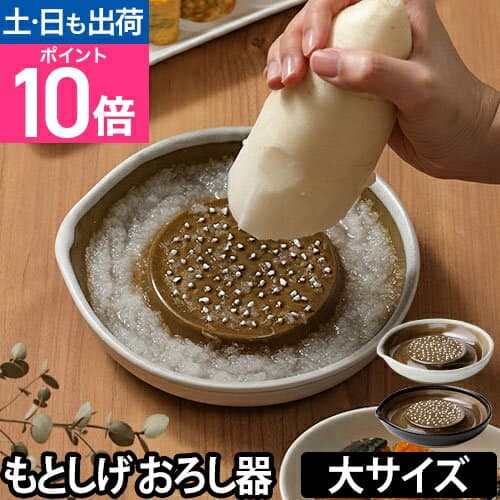
Motoshige Iwami-yaki Ceramic Grater
おろし器 大根おろし しょうが にんにく もとしげ おろし器 大サイズ 卵焼き 陶器 石見焼 国産 日本製 厚焼き玉子 わさび すりおろし
large sizeセレクトショップ・AQUA(アクア)
4.8 / 85 reviews
Japanese name石見焼
In western Shimane, dense local clay is fired into hard vessels for water, salt, miso, and pickles; today’s bowls, tea ware, flower vessels, and water basins still carry the skills of the old hando jar.
Information last updated 7 days ago
3 imagesおろし器 大根おろし しょうが にんにく もとしげ おろし器 大サイズ 卵焼き 陶器 石見焼 国産 日本製 厚焼き玉子 わさび すりおろし
large sizeセレクトショップ・AQUA(アクア)
4.8 / 85 reviews
 3 images
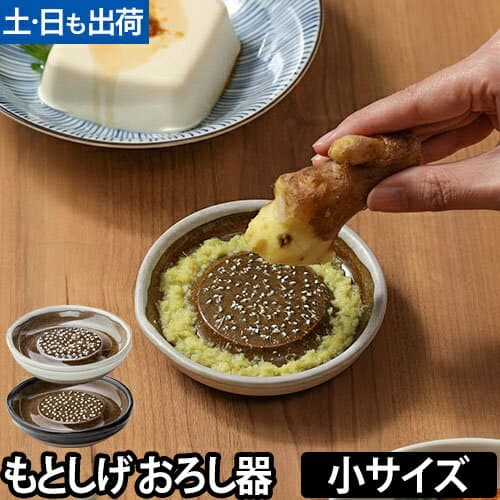
おろし器 大根おろし しょうが にんにく もとしげ おろし器 小サイズ 卵焼き 陶器 石見焼 国産 日本製 厚焼き玉子 わさび すりおろし
small sizeセレクトショップ・AQUA(アクア)
4.8 / 72 reviews
 3 images
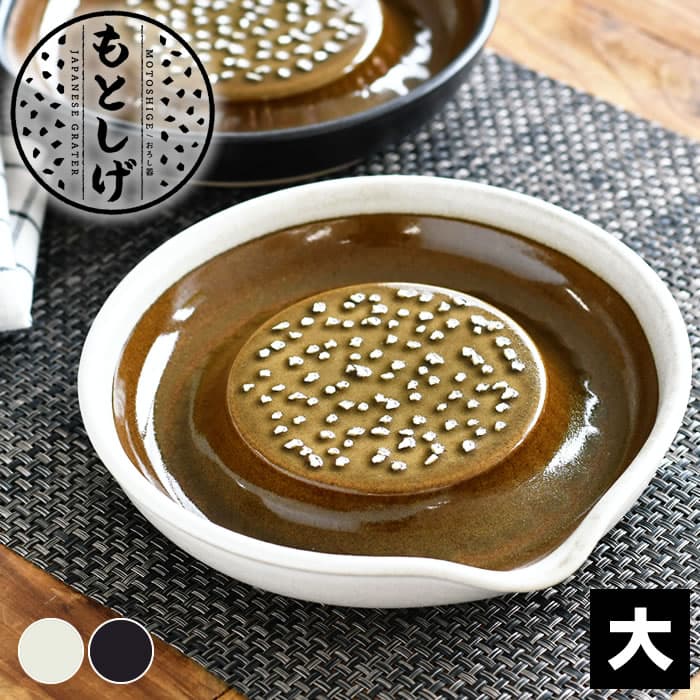
\楽天ランキング1位/ もとしげ おろし器 大 大根おろし 器 しょうが にんにく 18cm 日本製 わさび 石見焼 黒 調理器具 電子レンジ対応 セラミック 薬味 食器 すりおろし 白 陶器 洗いやすい 大根
Large (18 cm)雑貨ショップドットコム
4.8 / 19 reviews
 3 images
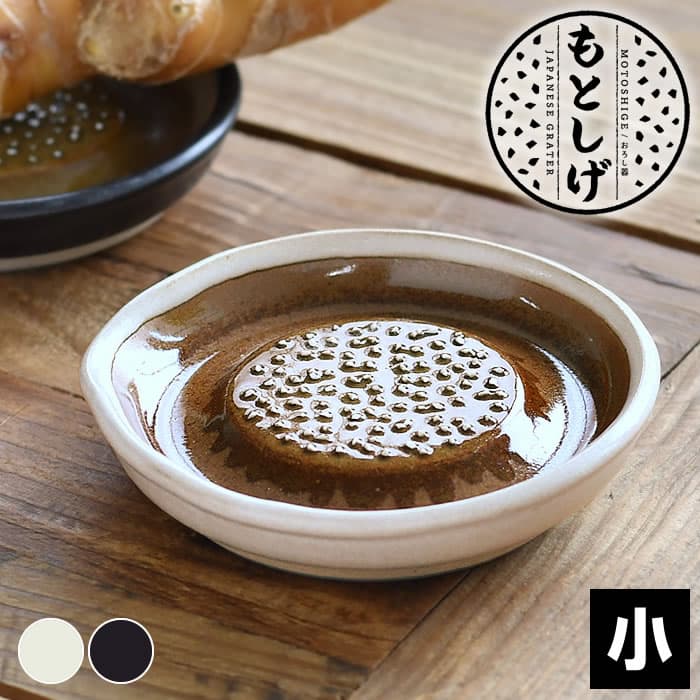
もとしげ おろし器 小 セラミック おろし器 にんにく しょうが 10cm 陶器 日本製 白 黒 食器 調理器具 ミニ 電子レンジ対応 薬味 わさび セラミック 石見焼 洗いやすい すりおろし 新生活
Small, 10 cm雑貨ショップドットコム
4.9 / 18 reviews
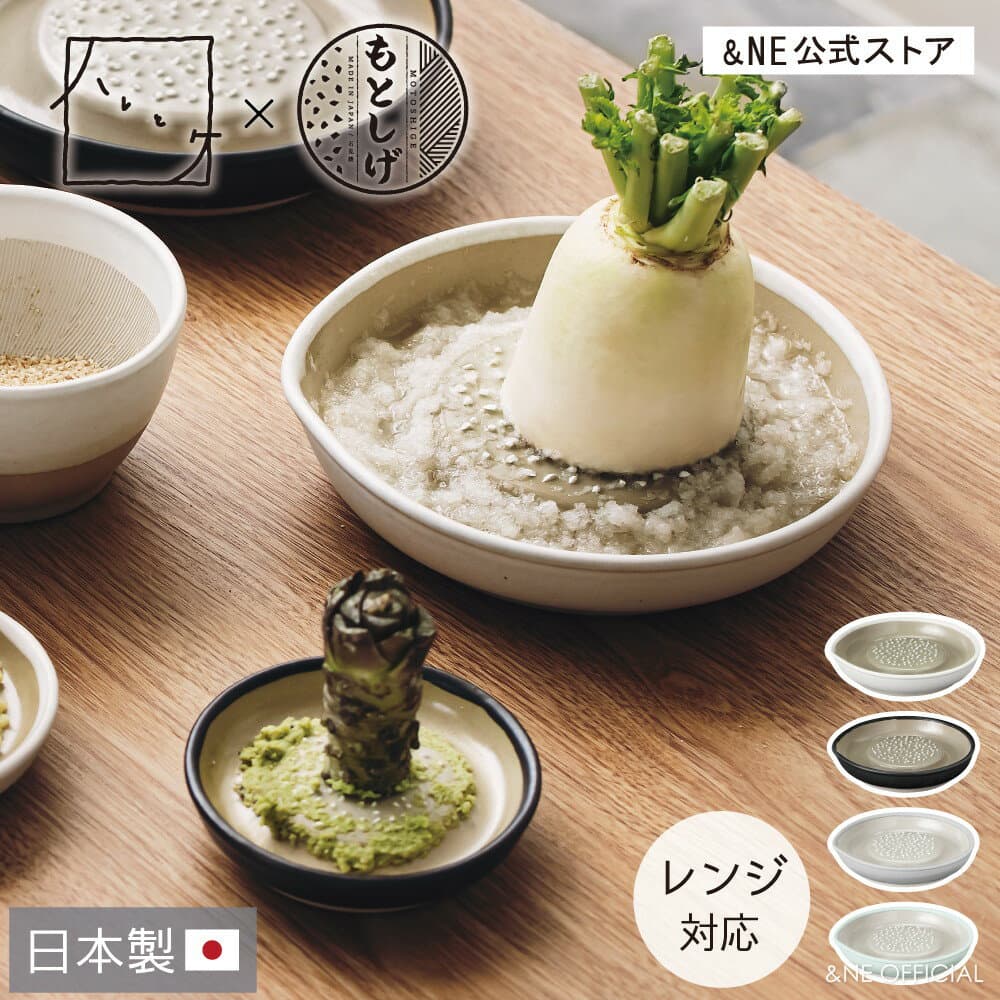 3 images
【決算セール限定10%OFF!】【公式限定カラー】【大サイズ送料無料】おろし器 大 小 ハレとケ 石見焼 日本製 電子レンジ対応 すりおろし器 大根おろし 陶器おろし セラミック 調理器具 陶器 元重 もとしげ 元重製陶所 和食器 食器 薬味おろし おしゃれ 箱入り ギフト
Large size, celadonandNE公式ショップ 楽天市場店
4.7 / 414 reviews
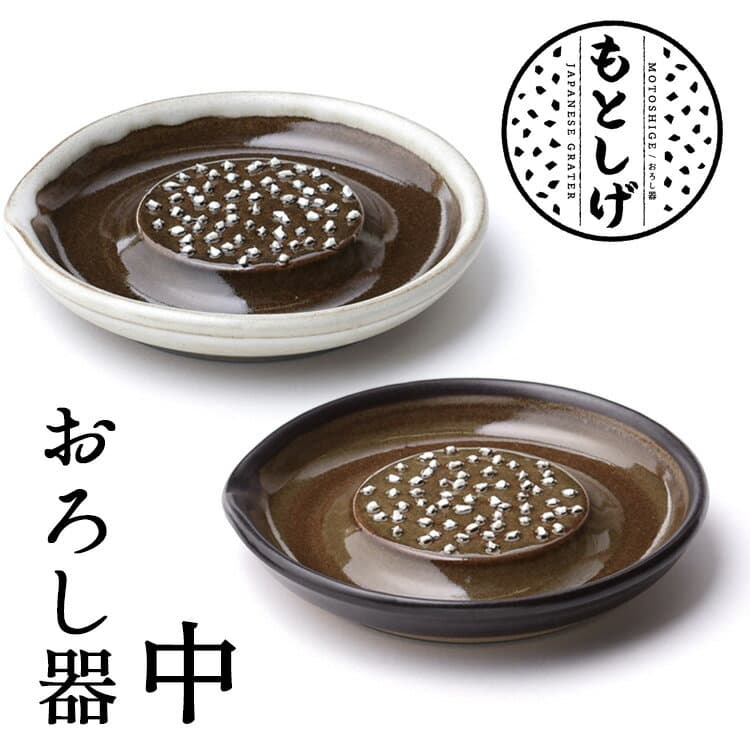 3 images
もとしげ おろし器 中 (石見焼 元重製陶所 電子レンジ対応 注ぎ口あり 洗いやすい 陶器 セラミック 日本製 薬味 すりおろし しょうが にんにく わさび 大根 黒 白 食器 調理器具 滑り止め 食洗機可)
Mediumスマートキッチン
4.9 / 11 reviews
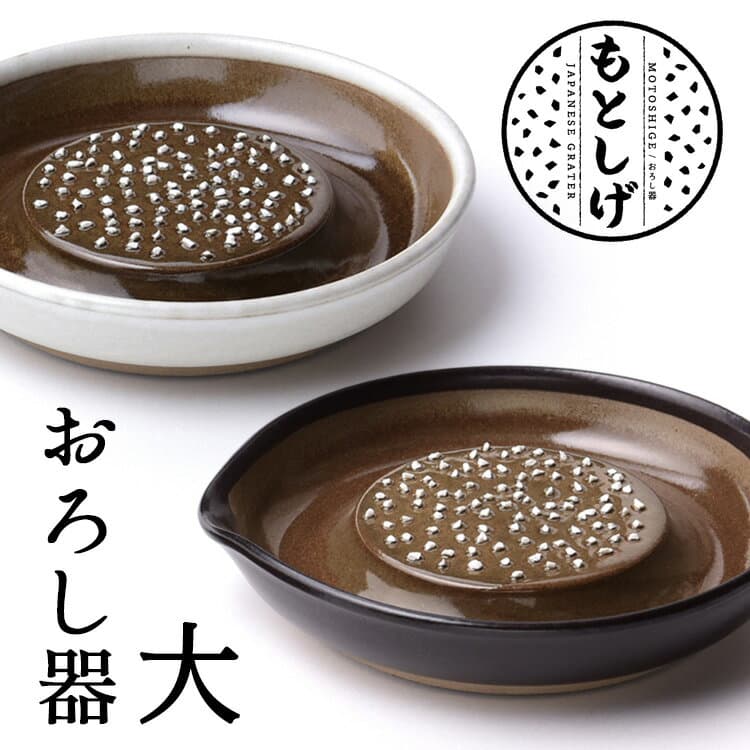 3 images
もとしげ おろし器 大 (石見焼 元重製陶所 電子レンジ対応 注ぎ口あり 洗いやすい 陶器 セラミック 日本製 薬味 すりおろし しょうが にんにく わさび 大根 黒 白 食器 調理器具 滑り止め 食洗機可)【ポイント3倍】【p0929】
Large, 180 mm diameterスマートキッチン
4.6 / 29 reviews
First time buying on Rakuten? How residents in Japan order →
All 7 listings of this product on Rakuten, lowest price first.
| Listing | Price | Shop | Reviews | Open listing |
|---|---|---|---|---|
Motoshige Iwami-yaki Ceramic Grater small sizeLowest price | ¥990 | セレクトショップ・AQUA(アクア) | 4.8 / 72 reviews | View on Rakuten → |
Motoshige Iwami Ware Ceramic Grater Small, 10 cmLowest price | ¥990 | 雑貨ショップドットコム | 4.9 / 18 reviews | View on Rakuten → |
&NE Hare to Ke x Motoshige Iwami Ware Ceramic Grater Large size, celadonMost reviewedGift-ready | ¥1,540 | andNE公式ショップ 楽天市場店 | 4.7 / 414 reviews | View on Rakuten → |
Motoshige Iwami-Yaki Ceramic Grater Medium | ¥1,705 | スマートキッチン | 4.9 / 11 reviews | View on Rakuten → |
Motoshige Iwami-yaki Ceramic Grater large size | ¥2,310 | セレクトショップ・AQUA(アクア) | 4.8 / 85 reviews | View on Rakuten → |
Motoshige Iwami Ware Ceramic Grater Large (18 cm) | ¥2,310 | 雑貨ショップドットコム | 4.8 / 19 reviews | View on Rakuten → |
Motoshige Iwami Ware Large Ceramic Grater Large, 180 mm diameter | ¥2,310 | スマートキッチン | 4.6 / 29 reviews | View on Rakuten → |
Japanese · new tab
Iwami ware begins with place: the Iwami area of western Shimane, centered on Gotsu and connected with Hamada and Oda. Since the mid-18th century, kilns in this area have made everyday pottery from dense local clay. The form most closely tied to the name is the large hando water jar, a vessel once used before modern water supply to hold water drawn for the home, alongside jars for miso, umeboshi, pickles, and salt.
Iwami ware is a collective name for pottery from the Iwami area in western Shimane. Gotsu sits at the center, while Hamada, Gotsu, and Oda define the wider kiln area in the prefectural outline. The name carries a practical geography: clay was dug, shaped, glazed, dried, and fired for household vessels in towns along this part of Shimane.
The large hando jar makes that geography visible. Its broad body and heavy ceramic wall answered a household need for water storage, while related jars and lidded vessels held miso, umeboshi, pickles, salt, and rainwater. Before piped water, a large jar was part of the working equipment of a home.
The local clay is dense and able to withstand high-temperature firing. After firing, Iwami ware has low water absorption and strong resistance to water, salt, acid, and alkali. Those qualities matter in concrete use: umeboshi and pickles bring acid and salt, miso needs a stable container, and outdoor jars have to face rain and weather.
The surfaces also belong to the region’s materials. Around Gotsu, Tsunozu-layer clay forms part of the ceramic body, Kimachi glaze gives deep brown tones, and Onsenzu stone can bring a translucent bluish effect. The atmosphere inside the kiln can also shift the surface toward ocher or blue.
The making process starts with digging raw clay, then refining, kneading, forming, finishing, glazing, drying, and firing. Each step changes the material: rough clay becomes a workable body, the wheel and hands establish the form, glaze covers the surface, and the kiln gives the vessel its hardness and low absorption.
Large jars require large-forming skill. Iwami ware is linked with shinozukuri, a method for building big vessels with coils or rods of clay, and one process description includes rope-assisted wheel work for jars of about 72 liters. These techniques help the mouth, belly, and base of a heavy jar hold together before the kiln fixes the shape.
The old hando and lidded jars belonged to daily work. In kitchens, people stored well water, miso, umeboshi, pickles, and salt; outside, jars could hold rainwater or serve farm needs. The same ceramic strengths that resisted water, acid, alkali, and salt made one vessel family useful across these wet, salty, and fermented contents.
That practical role helped make pickle jars part of Iwami ware’s wider reputation. The high-fired clay body gave households a hard container for preserving food and keeping water, and the jars became familiar beyond their kiln towns through those everyday tasks.
In the late Edo period, Iwami hando jars moved by Kitamae ships to other parts of Japan. In the Meiji period, mass production expanded, and at the peak the kiln district counted more than 100 kilns. Later, rail transport after the opening of Hamada Station helped jars and storage vessels travel farther from western Shimane.
The need for large jars narrowed as daily life changed. Plastic and polyethylene containers appeared, and water and sewer systems reduced the need to keep water in the home. Many kilns closed, while others redirected large-vessel skills and high-fire clay toward tableware, umbrella stands, and other mingei-style household ceramics.
Current Iwami ware still includes jars, mortars, and umbrella stands, but the range now extends to tea ware, flower vessels, tableware, water basins, and interior pieces. Large-ware techniques support umbrella stands, water-lily bowls, garden table sets, and basins; smaller bowls and tea pieces bring the same clay and glazes to tables and tea settings.
Gotsu and Hamada remain associated with named kilns and makers, and Gotsu has pottery experience sites as well as places where multiple kilns are introduced. The continuity of Iwami ware is easiest to see in the objects themselves: clay from western Shimane, high fire, durable surfaces, and forms that moved from water storage to everyday rooms and gardens.
The clearest thread in Iwami ware is how clay from around Gotsu became useful through high fire. The hando water jar, jars for miso, umeboshi, pickles, and salt, and today’s bowls, tea ware, flower vessels, umbrella stands, and water basins all belong to that thread. The shapes changed as water systems and plastic containers changed household storage, while the material logic stayed close to daily use: dense clay, durable firing, and large-vessel skill turned into tools for homes, tables, and gardens.
Compiled from public records and official sources; see the recognition links below. Details may change over time.
Where this product is officially registered, designated, or recognized in Japan.
Traditional craft
Designated a Traditional Craft (dentō kōgeihin) by Japan's Ministry of Economy, Trade and Industry.
Sources1
It is written as 石見焼 in Japanese. Search Rakuten and other Japanese sites with that spelling — the English name will not bring up the listings.
Iwami ware is pottery from the Iwami area of western Shimane, centered on Gotsu and connected with Hamada and Oda. Since the mid-18th century, dense local clay has been high-fired into low-absorption vessels that resist water, salt, acid, and alkali. The large hando water jar linked the ware to household water storage, while jars for miso, umeboshi, pickles, and salt connect it to food preservation; current forms include tableware, tea ware, flower vessels, umbrella stands, and water basins.
Iwami ware has been produced around Gotsu since the mid-18th century, with one Gotsu account giving 1763 as the transmission date. In the late Edo period, Iwami hando jars moved by Kitamae ships, and rail transport later expanded distribution after Hamada Station opened. The production process includes raw clay digging, refining, kneading, forming, finishing, glazing, drying, and firing. Large Iwami ware vessels are linked to shinozukuri, and one process description includes rope-assisted wheel work for large jars.
Large hando jars were used to store water in households before piped water became common. Vessels resistant to water, salt, acid, and alkali were used to store miso, umeboshi, pickles, and salt. Present-day Iwami ware includes tea ware, tableware, and flower vessels for daily use, as well as umbrella stands and water basins for the home and garden.
Porous earthenware is usually given a "medome" treatment first — simmer it gently in rice-rinsing water (or water with a little flour), then cool, rinse, and air-dry. This reduces staining and odour absorption. Porcelain normally just needs a wash. Follow the listing where it says otherwise.
Handmade earthenware, pieces with gold or silver overglaze, and lacquerware generally should not go in a dishwasher, microwave, or heated drying cabinet; heat-resistant porcelain usually can. Check the Rakuten listing for the specific piece.
Most options are shelf-stable, boxed, and travel well, so they suit gifting or bringing home. Confirm the final storage and delivery terms on the Rakuten listing.
On Rakuten: the shops listed here right now are セレクトショップ・AQUA(アクア), 雑貨ショップドットコム, andNE公式ショップ 楽天市場店, スマートキッチン. We don't sell directly; purchase, payment, stock, and delivery are all handled on the Rakuten product page.