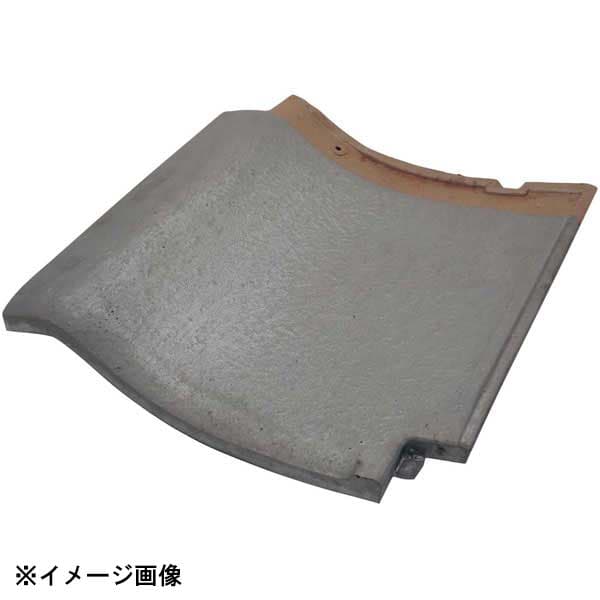
Yasuda Kawara Iron-Colored Ceramic Serving Plate
安田瓦 鉄色 300_300(5枚入)
300 x 300, 5 piecesスタイルキッチン
Japanese name安田瓦
In Agano City’s Yasuda area, iron-rich clay, glaze, and reduction firing shape Yasuda Kawara for roofs that face deep Niigata snow.
Information last updated 120 days ago
安田瓦 鉄色 300_300(5枚入)
300 x 300, 5 piecesスタイルキッチン
 3 images
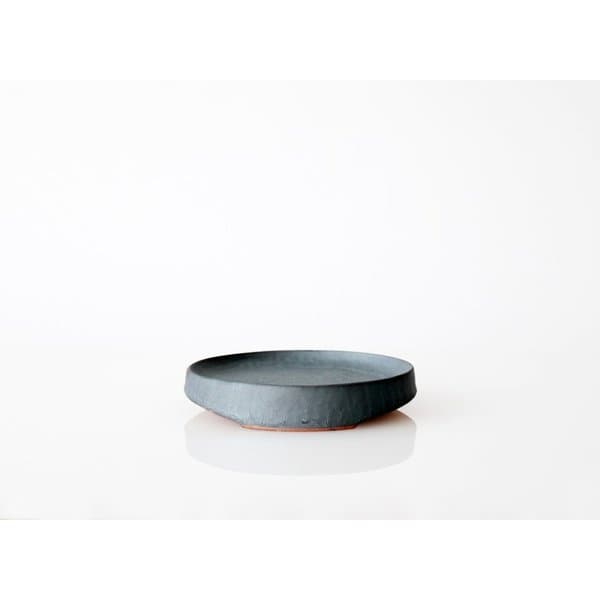
【送料無料】EBM 安田瓦 TSUKI 瓦食器 丸皿150 [3012110]
Ø146 x H27 mmGOODIES
 2 images
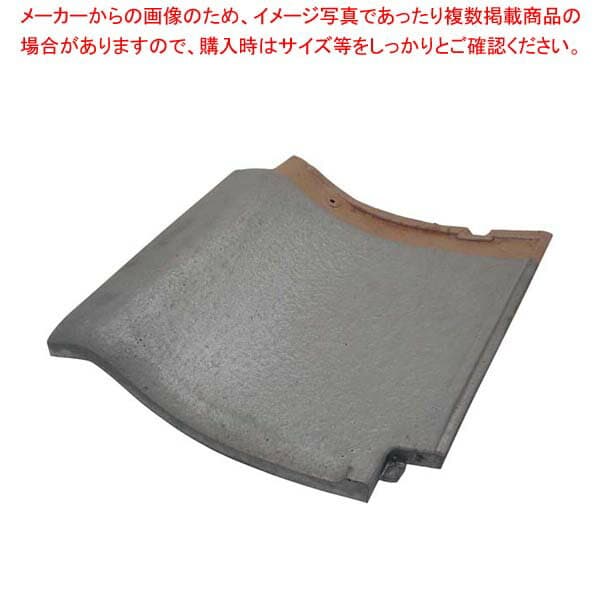
安田瓦 鉄色 300×300(サンプル)【厨房館】
300 x 300 sample業務用厨房機器の飲食店厨房館
First time buying on Rakuten? How residents in Japan order →
Yasuda Kawara begins with the roof. In the Yasuda area of Agano City, Niigata, winter snow and severe cold set demanding conditions for house materials, and this roof tile is known for strength, cold resistance, insulation, and a hard low-absorption finish. Around Yasuda 7372, the factories, Yasuda Kawara Road, and Kawaratier bring the material close: iron-toned surfaces, oni-gawara work, tile samples underfoot, and workshops using the same clay all turn a snow-country roofing material into something people can see and handle.
Yasuda Kawara is tied to the Yasuda area of Agano City, formerly Yasuda town, in Niigata Prefecture. The place matters because deep snow, rain, and freezing weather make the roof a working surface: the tile has to protect homes while resisting cold and holding insulation. Its concrete use is roofing rather than tableware, and the tile appears on Yahiko Shrine buildings, the former Niigata Prefectural Assembly Hall, the former Niigata Customs House, the Northern Culture Museum, and the prefectural governor's residence.
The color of Yasuda Kawara starts with clay and glaze. Yasuda earth contains a high amount of iron, and reduction firing draws out a weighty iron tone; the finished surface is also described as a silver-gray sheen known as ginnezumi. On a roof, that color points back to the material itself, because the same clay, glaze, and firing are connected with the tile's hardness, low water absorption, and use in snowy rain-prone weather.
Cooperative staff connected with Kawaratier describe the firing as a kiln cycle that moves from oxidation into reduction over about 27 hours. That cycle is linked to a hard finish and low water absorption, two practical qualities for a Niigata roof that has to meet snow, rain, and cold. When the silver-gray surface comes out of the kiln, color and weather performance are already bound together in the same fired tile.
The small unevenness on the tile surface has a winter job. On a sloped roof, a sheet of snow sliding all at once can be dangerous below the eaves; the fine texture of Yasuda Kawara helps keep roof snow from dropping in one sudden mass. Seen up close, the surface turns the silver-gray tile from a visual material into a contact surface shaped for snow.
The beginnings of Yasuda Kawara are placed in the Edo period and the Tenpo years, nearly two centuries ago. The production area today includes people making tiles in large factories, oni-gawara makers pursuing roof ornament forms, and cooperative staff who explain the clay, kiln work, and roof use to visitors. Recent public designations point to concrete boundaries around the Yasuda name and Yasuda oni-gawara; the daily continuity remains easier to see in clay, glaze, firing, factory work, and the hands that shape roof ornaments.
Around the Yasuda production area, Yasuda Kawara Road runs through streets lined with tile factories and objects made with tile-making techniques. Kawara Terrace, opened in 2018, gives one building about 12,000 tiles as its visible skin; Kawaratier, opened in 2023, gathers process materials, tile samples, walk-on displays, and oni-gawara making or painting workshops using the same clay as Yasuda Kawara. These places bring a roofing material back to the ground, where feet, hands, and eyes can read the texture made for snow.
Yasuda Kawara carries Agano's winter in material form: iron-rich earth, glaze, reduction firing, a hard low-absorption body, and fine surface texture that slows roof snow. It can be seen on named shrine, historic, and public-building roofs, and it remains tangible around the factories, Yasuda Kawara Road, and Kawaratier in the Yasuda area. A single silver-gray tile gives the family its clearest outline: a roof material born for deep snow and kept alive by a production community that still works with clay, kilns, and oni-gawara forms.
Compiled from public records and official sources; see the recognition links below. Details may change over time.
Where this product is officially registered, designated, or recognized in Japan.
Regional collective trademark
Registered as a Regional Collective Trademark with the Japan Patent Office.
Sources1
It is written as 安田瓦 in Japanese. Search Rakuten and other Japanese sites with that spelling — the English name will not bring up the listings.
Yasuda Kawara (Yasuda roof tiles) is a roof tile from the Yasuda area of Agano City, Niigata. Iron-rich Yasuda clay or earth, glaze, and reduction firing create its iron tone or silver-gray sheen, while hardness, low water absorption, cold resistance, and insulation suit snowy roofs. Fine surface unevenness helps slow roof snow, and Yasuda Kawara Road, Kawara Terrace, and Kawaratier make the factories, samples, oni-gawara, and hands-on clay work visible in the production area.
The family-specific material defines Yasuda Kawara around roofing use, and tableware or dining uses are not supported. A cooperative account connected with Kawaratier describes firing that moves from oxidation to reduction over about 27 hours. Yasuda Kawara traces to the Edo period or the Tenpo years, close to 200 years ago. Administrative context includes a 2007 regional collective trademark and 2022 Niigata traditional craft recognition tied to Yasuda oni-gawara.
Yasuda Kawara roofs historic and public buildings in Agano City, including Yahiko Shrine buildings, the former Niigata Prefectural Assembly Hall, the former Niigata Customs House, Northern Culture Museum, and the prefectural governor's residence. Walking Yasuda Kawara Road lets visitors see tile factories and objects made with tile-making techniques in the production area. At Kawaratier, visitors can walk on tiles and join workshops that use Yasuda Kawara clay to make or paint oni-gawara.
Keep wood, bamboo, and lacquer out of prolonged soaking, dishwashers, and direct sun — wipe dry after use and let them air out in the shade. For metal and fabric goods, follow the care notes on the listing.
Most options are shelf-stable, boxed, and travel well, so they suit gifting or bringing home. Confirm the final storage and delivery terms on the Rakuten listing.
On Rakuten: the shops listed here right now are スタイルキッチン, GOODIES, 業務用厨房機器の飲食店厨房館. We don't sell directly; purchase, payment, stock, and delivery are all handled on the Rakuten product page.