 3 images
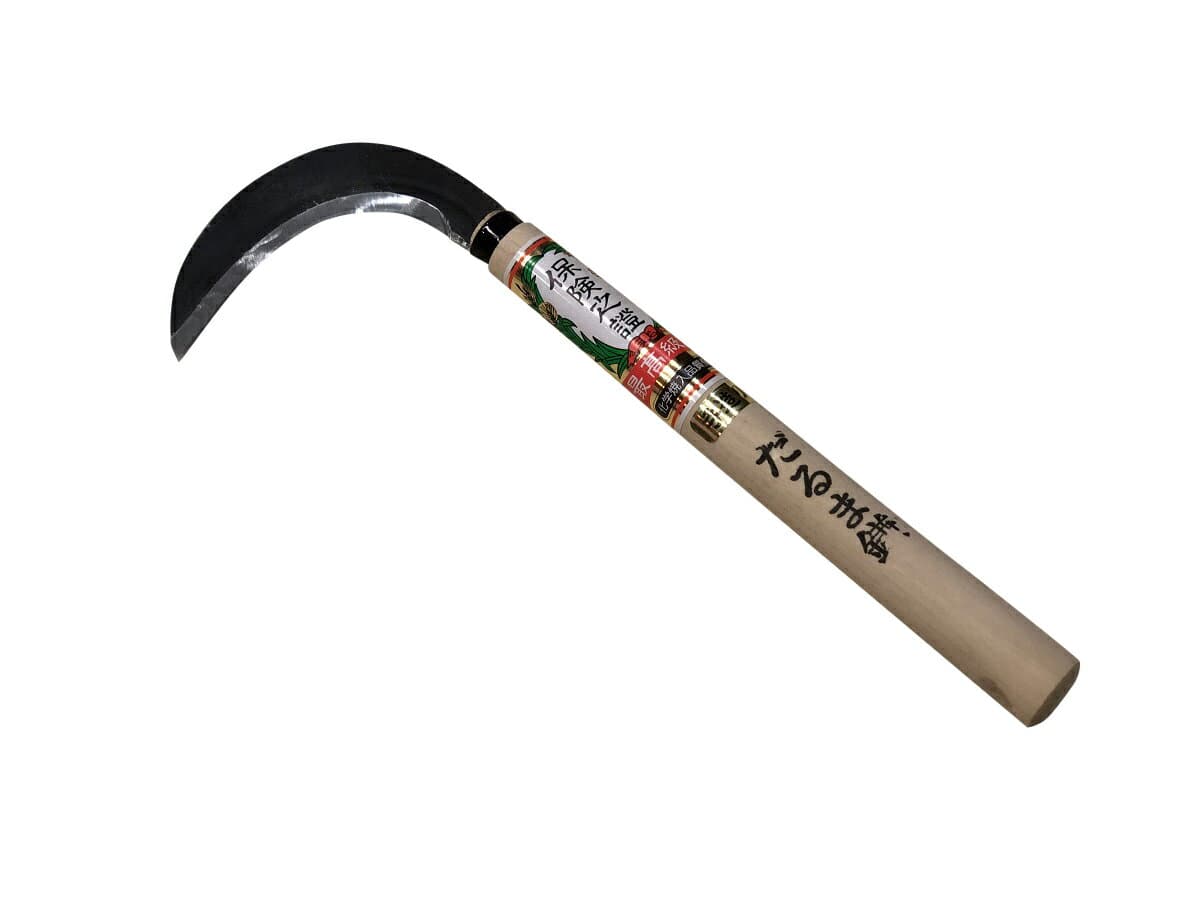
Echizen Uchihamono Daruma Sickle
だるま鎌 越前打刃物 手作り 農具 刈り込み 刈払い 稲刈り 伝統工芸品 日本製 切れ味 作業効率 制度 農業
24 cm wooden handle農園芸とギフトの店 アギラ
4.9 / 15 reviews
Japanese name越前打刃物
In Echizen City, Fukui, workshops in Tokihisa-cho, Ikenokami-cho, Amarigawa-cho, and Takefu Knife Village keep forged blades close to makers, sharpeners, tuna knives, soba knives, paper blades, and harvest tools.
Information last updated 119 days ago
3 imagesだるま鎌 越前打刃物 手作り 農具 刈り込み 刈払い 稲刈り 伝統工芸品 日本製 切れ味 作業効率 制度 農業
24 cm wooden handle農園芸とギフトの店 アギラ
4.9 / 15 reviews
 3 images
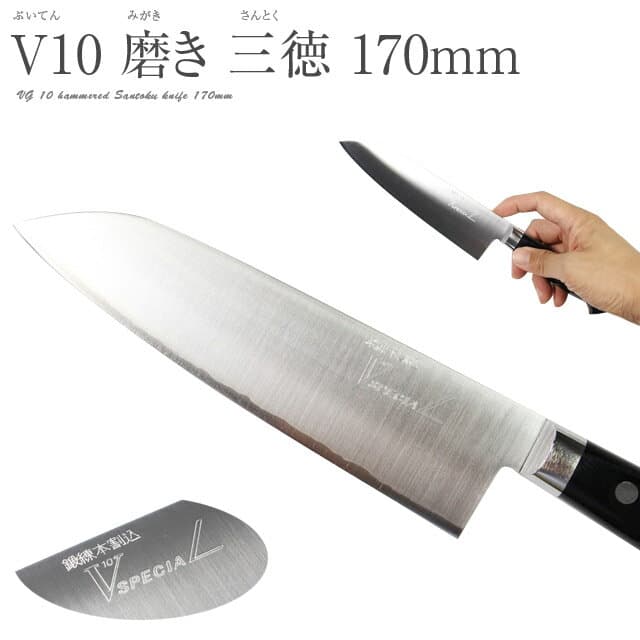
【レビュー多数!!】 高村刃物 V10鋼 スペシャル 磨き 三徳包丁 170mm 口金付 #241394包丁 三徳 高級 切れ味 ステンレス ミルフィーユ包丁 プレゼント 名入れ VG10 V金10号 ツバ付 文化 万能 本割込包丁 庖丁 合羽橋 高硬度 高靭性 高耐磨耗性 鍛造 越前打刃物
170 mm blade, with bolster堺の刃物屋さん こかじ
4.9 / 12 reviews

九頭龍川 剪定鋏A型 DX 200mm 金止 ロー付 日本製 越前打刃物
200mm, metal stop, brazed岩内金物店楽天市場店
5.0 / 1 reviews
First time buying on Rakuten? How residents in Japan order →
In Echizen City, Fukui, Echizen forged blades begin with a map of workshops and working tools. Masaji Shimizu is in Tokihisa-cho; Takeshi Saji and Masanobu Okada work in Ikenokami-cho; Kazuyoshi Honda’s workshop is in Amarigawa-cho inside the Takefu Knife Village Cooperative. Around those addresses are blades made for daily cooking and specialized tasks: single-bevel kitchen knives, 1.5-meter tuna knives, soba-cutting knives, paper-cutting knives, fish-preparation knives, saw sickles, Japanese-style knives, and a vegetable-harvest knife developed with farmers in 1975.
The geography is compact and named. Tokihisa-cho is tied to Masaji Shimizu, who makes single-bevel kitchen knives and long tuna knives. Ikenokami-cho is tied to Takeshi Saji and Masanobu Okada, while Amarigawa-cho leads to Kazuyoshi Honda at Takefu Knife Village Cooperative. These place names present a production area held together by individual workshops, shared facilities, and sharpening work.
Echizen Chiyozuru no Yakata connects the local timeline to Chiyozuru Kuniyasu, described as the founder of Echizen forged blades and as having moved to Echizen Fuchu around 1337. The 2037 project marks 700 years from that move and follows Kuniyasu’s footsteps together with the course of blade making in Echizen. Continuity here has a concrete shape: a person’s name, the place Echizen Fuchu, and a future year used to gather local memory and production-area activity.
Technique becomes visible in the work of named makers. Masaji Shimizu says the forging that stretches iron is difficult when he makes tuna knives with blades about 1.5 meters long. Masanobu Okada is described as inheriting mawashi-hagane-zuke, an Echizen blade technique, and linking fundamentals with applied development. Kazuyoshi Honda treats sharpening as work that changes with the age, the product, and the maker, so the edge is part of the blade’s quality from the final handwork onward.
The family is easiest to grasp through tasks. Soba-cutting knives point to noodles; paper-cutting knives to craft and cutting work; fish-preparation knives and tuna knives to food preparation; saw sickles and vegetable-harvest knives to field work. The vegetable-harvest knife developed with farmers in 1975 links the blade directly to growers and regional vegetables, while chiffon-cake knives show that the same production area also answers very specific kitchen needs.
Echizen Chiyozuru no Yakata turns workshop processes into public learning through fire-forging demonstrations, hand-sharpening classes, workshops, and town walks centered on Echizen forged blades. The facility also names 18 active traditional craftspersons in the field. In this context, the title points to people who demonstrate forging, teach sharpening, and carry techniques into lessons and community walks.
Takefu Knife Village serves as a doorway into the production area. Its activities include factory visits, maintenance, sharpening, repair, hands-on classes, group tours, and recruitment for people who want to become craftspersons, with school trips and company training named as group uses. The finished blade is connected there to the workshop floor, care after use, and the skills needed to keep an edge working.
Echizen forged blades carry their meaning through concrete places and jobs: Tokihisa-cho, Ikenokami-cho, Amarigawa-cho, Echizen Fuchu, and Takefu Knife Village; forging, mawashi-hagane-zuke, and hand sharpening; tuna knives, soba knives, paper-cutting knives, saw sickles, and vegetable-harvest knives. Together, these named places, techniques, and tools form a working map of Echizen City, where blades are made, sharpened, repaired, taught, and used.
Compiled from public records and official sources; see the recognition links below. Details may change over time.
Where this product is officially registered, designated, or recognized in Japan.
It is written as 越前打刃物 in Japanese. Search Rakuten and other Japanese sites with that spelling — the English name will not bring up the listings.
Echizen forged blades are centered in Echizen City, Fukui, with makers in Tokihisa-cho, Ikenokami-cho, Amarigawa-cho, and Takefu Knife Village. The local timeline connects to Chiyozuru Kuniyasu’s move to Echizen Fuchu around 1337 and a 2037 700-year milestone. The blades include kitchen knives, tuna knives, soba knives, paper-cutting knives, fish-preparation knives, saw sickles, Japanese-style knives, and a vegetable-harvest knife developed with farmers in 1975.
Chiyozuru Kuniyasu is described as the founder of Echizen forged blades and as having moved to Echizen Fuchu around 1337; 2037 marks a 700-year milestone from that move. Masaji Shimizu makes single-bevel kitchen knives and tuna knives with blades of about 1.5 meters, and he describes the forging that stretches iron as difficult. Masanobu Okada is described as inheriting mawashi-hagane-zuke, a technique of Echizen forged blades. The named blade range includes soba-cutting knives, paper-cutting knives, fish-preparation knives, chiffon-cake knives, saw sickles, Japanese-style knives, and vegetable-harvest knives.
Makers produce ordinary kitchen knives, fish-preparation knives, soba-cutting knives, chiffon-cake knives, and large tuna knives for cooking and specialist food preparation. A vegetable-harvest knife developed with farmers in 1975 is used for harvesting regional vegetables. Paper-cutting knives are listed alongside soba and fish-use knives, supporting a non-kitchen cutting context.
Keep wood, bamboo, and lacquer out of prolonged soaking, dishwashers, and direct sun — wipe dry after use and let them air out in the shade. For metal and fabric goods, follow the care notes on the listing.
Most options are shelf-stable, boxed, and travel well, so they suit gifting or bringing home. Confirm the final storage and delivery terms on the Rakuten listing.
On Rakuten: the shops listed here right now are 農園芸とギフトの店 アギラ, 堺の刃物屋さん こかじ, 岩内金物店楽天市場店. We don't sell directly; purchase, payment, stock, and delivery are all handled on the Rakuten product page.