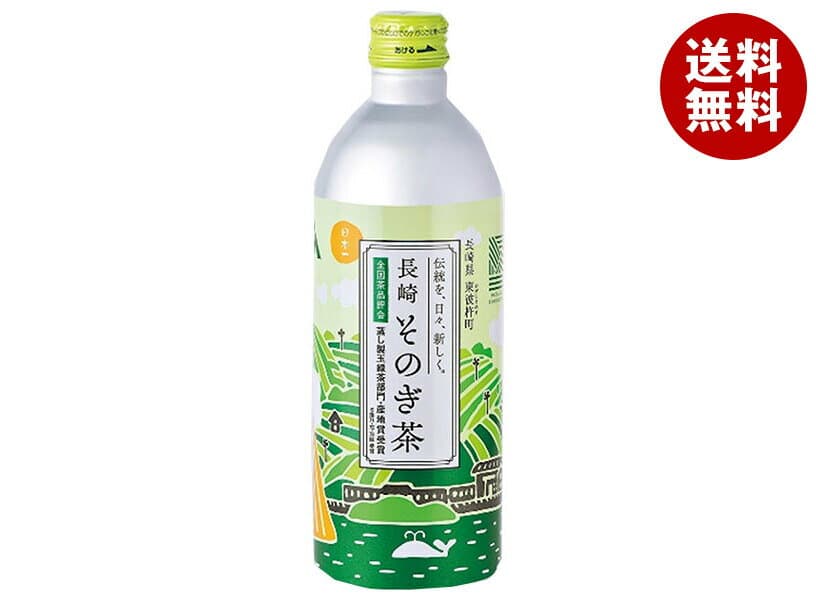
JA Nagasaki Rinai Sonogi Tea
[ポイント5倍!5/27(水)1時59分まで全品対象エントリー&購入]JA長崎 リンアイ そのぎ茶 490mlボトル缶×24本入| 送料無料 お茶 ボトル缶 そのぎ茶
490ml bottle cans x 24MISONOYA楽天市場店
4.8 / 16 reviews
Japanese nameそのぎ茶
In central Nagasaki, Higashisonogi’s tea gardens spread across plateaus above Omura Bay; their steamed tamaryokucha is marked by curled leaves, smooth texture, gentle bitterness, and full aroma.
Information last updated 120 days ago
[ポイント5倍!5/27(水)1時59分まで全品対象エントリー&購入]JA長崎 リンアイ そのぎ茶 490mlボトル缶×24本入| 送料無料 お茶 ボトル缶 そのぎ茶
490ml bottle cans x 24MISONOYA楽天市場店
4.8 / 16 reviews
 2 images
彼杵茶 80g 玉緑茶 新茶 一番茶 そのぎ茶 国産 緑茶 カテキン ビタミンC 深蒸し 茶葉 リーフティ 送料無料 植物茶 そのき茶 スーパーセール
80g緑茶・健康茶・サプリ 茶の心
4.6 / 14 reviews
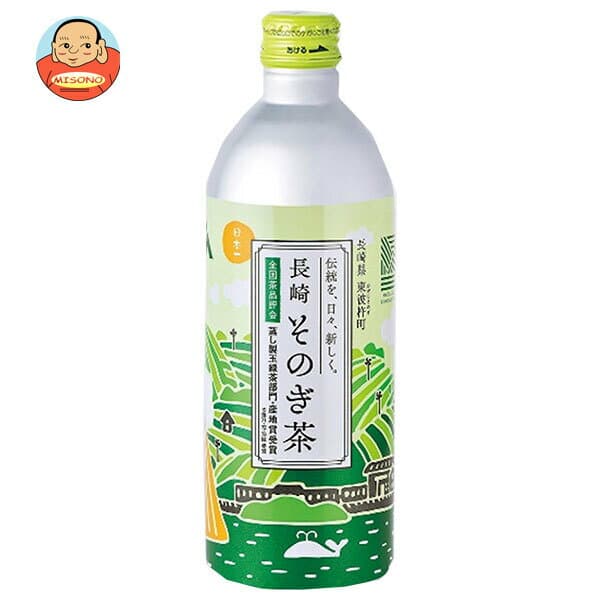
[ポイント5倍!5/27(水)1時59分まで全品対象エントリー&購入]JA長崎 リンアイ そのぎ茶 490mlボトル缶×24本入×(2ケース)| 送料無料 お茶 ボトル缶 そのぎ茶
490ml bottle cans, 24 bottles x 2 cases飲料 食品専門店 味園サポート
5.0 / 3 reviews
First time buying on Rakuten? How residents in Japan order →
Sonogi tea comes from Higashisonogi Town near the center of Nagasaki Prefecture. The tea gardens spread across plateaus about 150 to 350 meters above sea level overlooking Omura Bay, with about 390 hectares of tea fields in the town. Its cup profile begins with steamed tamaryokucha: leaves finished with care into a rounded curl, modest bitterness and astringency, a smooth throat feel, and a full aroma.
Higashisonogi sits near the middle of Nagasaki Prefecture, and Sonogi tea is made in this town. Its tea gardens occupy plateaus above Omura Bay at roughly 150 to 350 meters in elevation, with about 390 hectares of tea fields in the town; by national tea-production standards, the area is small. A separate 411-hectare figure belongs to a smart-agriculture area, so the two numbers describe different frames: the spread of tea gardens and the recent field of agricultural improvement.
Sonogi tea is known as high-quality steamed tamaryokucha. The finished leaves take a rounded, curled form because the finishing work avoids unnecessary damage to the leaves. That shape gives the tea a visible handle before water enters the pot: a small curl of leaf that links tea gardens, steaming, and the cup on the table.
The flavor of Sonogi tea is described through three concrete cues: bitterness and astringency stay relatively restrained, the tea passes smoothly through the throat, and the aroma has fullness. These cues bring the cup back to Higashisonogi’s steamed tamaryokucha rather than to green tea as a broad category; the curled leaf, smooth finish, and full aroma appear together.
Higashisonogi’s tea has a timeline with physical markers. A tea mill linked to the Muromachi period has been found in the town, the foundation of today’s tea gardens is connected to the Genroku years, and tea later became known as a specialty of the Omura domain. The Showa-era Akagi group tea garden adds a modern layer, placing the tea’s continuity in named tools, fields, domains, and group gardens.
Today’s tea farming in Higashisonogi faces aging producers, a shortage of successors, low market prices, rising material costs, climate change, and delays caused by tea gardens scattered through hilly areas. Since around Heisei 10, riding machines have spread and reduced part of the work burden, in an area described as having many younger producers. Recent smart-tea work combines production-to-shipping coordination, labor-saving tea-garden machines, shared equipment, and farm-management support systems around those scattered fields.
Sonogi tea has drawn attention through results in the steamed tamaryokucha division of the National Tea Competition and through the Japan Tea Award. Those awards provide quality context, while the most concrete shape of the tea remains the garden above Omura Bay at about 150 to 350 meters, the rounded steamed tamaryokucha leaf, the restrained bitterness, the smooth throat feel, and a producer community adapting to scattered plots and limited labor.
Sonogi tea has a clear outline: Higashisonogi Town in Nagasaki, plateaus above Omura Bay, about 390 hectares of tea gardens, curled steamed tamaryokucha leaves, and a cup with smooth texture and full aroma. From a Muromachi-period tea mill and Genroku-period fields to the Omura domain specialty, the Akagi group tea garden, and today’s labor-saving machines, its timeline stays close to fields, tools, and flavor.
Compiled from public records and official sources; see the recognition links below. Details may change over time.
Where this product is officially registered, designated, or recognized in Japan.
Regional collective trademark
Registered as a Regional Collective Trademark with the Japan Patent Office.
Sources1
It is written as そのぎ茶 in Japanese. Search Rakuten and other Japanese sites with that spelling — the English name will not bring up the listings.
Sonogi tea is tea made in Higashisonogi Town, Nagasaki. Its gardens sit on plateaus about 150 to 350 meters above sea level overlooking Omura Bay, and the town has about 390 hectares of tea fields. It is known as steamed tamaryokucha, with rounded curled leaves, restrained bitterness and astringency, a smooth throat feel, and a full aroma.
Local tea history includes a Muromachi-period tea mill, Genroku-period tea-field foundations, Omura domain specialty status, and the Showa-era Akagi group tea garden. Sonogi tea is made in Higashisonogi Town near the center of Nagasaki Prefecture. The 411-hectare figure refers to a smart-agriculture area and should not be merged with the 390-hectare tea-garden figure. Recent local tea farming faces aging producers, labor shortages, climate change, dispersed tea gardens, market pressure, and rising costs.
Tasting can focus on aroma, throat feel, and restrained bitterness and astringency. The town identifies it as steamed tamaryokucha, with rounded curled leaves finished without damage.
Water temperature varies a lot by type of Japanese tea: roughly 50–60°C for gyokuro, 70–80°C for sencha, and near-boiling 90–100°C for hojicha (including roasted stem tea), bancha, and genmaicha, steeped for about 30 seconds to a minute. A common ratio is about 3g of leaf per 150ml of water. Follow the instructions on the packaging where they differ.
Tea leaves are damaged by light, humidity, and absorbed odours. Once opened, keep them sealed and away from light at room temperature and drink them within a few weeks. If you refrigerate them, let the container return to room temperature before opening so condensation doesn't get in.
Most options are shelf-stable, boxed, and travel well, so they suit gifting or bringing home. Confirm the final storage and delivery terms on the Rakuten listing.
On Rakuten: the shops listed here right now are MISONOYA楽天市場店, 緑茶・健康茶・サプリ 茶の心, 飲料 食品専門店 味園サポート. We don't sell directly; purchase, payment, stock, and delivery are all handled on the Rakuten product page.