 3 images
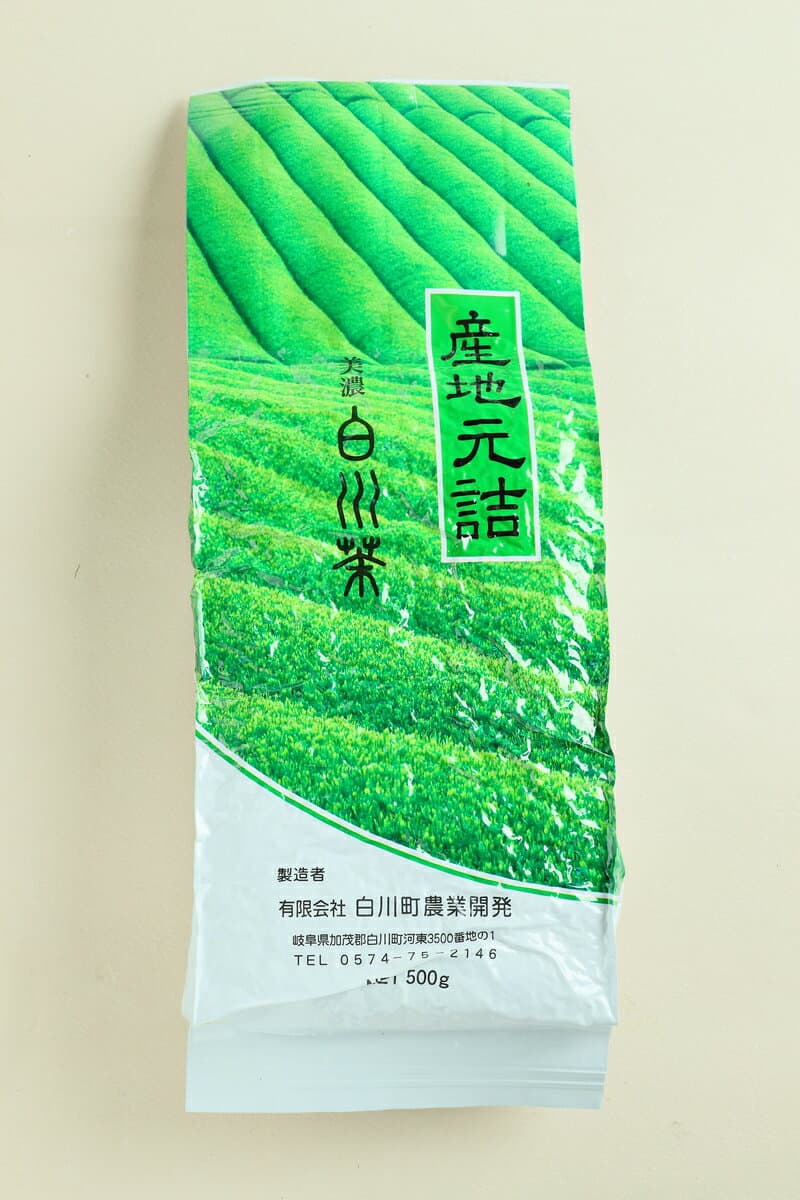
Mino Shirakawa Tea Value Sencha
美濃白川茶 お値打ち煎茶500g
500g道の駅ピアチェーレ楽天市場店
5.0 / 8 reviews
Japanese name美濃白川茶
In central Mino’s mountain communities, tea gardens around Shirakawa, Higashishirakawa, Hichiso, and Yaotsu follow river slopes where cool inland conditions are tied to deep aroma and flavor.
Information last updated 119 days ago
3 images美濃白川茶 お値打ち煎茶500g
500g道の駅ピアチェーレ楽天市場店
5.0 / 8 reviews
 3 images
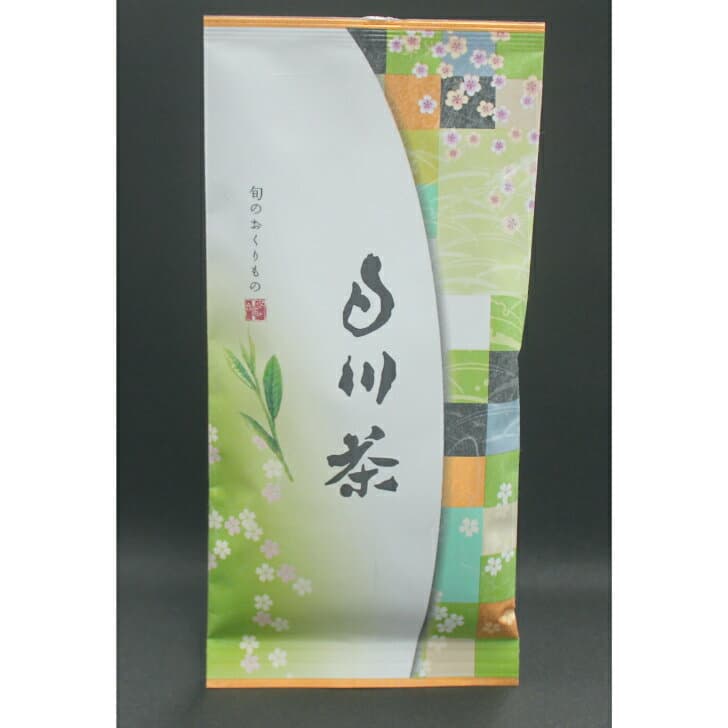
美濃白川茶 煎茶
Sencha, 100g道の駅ピアチェーレ楽天市場店
4.9 / 7 reviews
 3 images
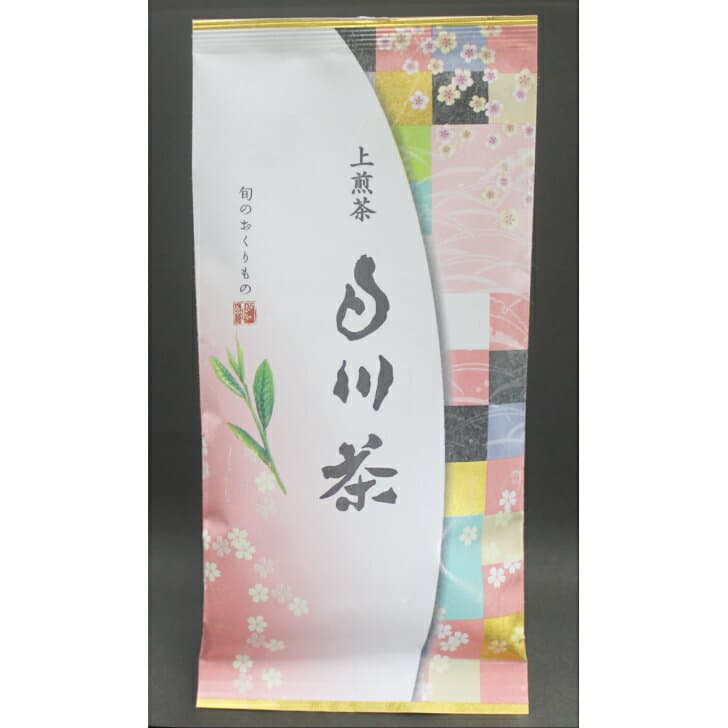
美濃白川茶 上煎茶
100g道の駅ピアチェーレ楽天市場店
First time buying on Rakuten? How residents in Japan order →
Mino Shirakawa tea is one of the main marketed names within Gifu’s Mino tea, alongside Mino Ibi tea. Its center is the Shirakawa tea-producing area in central Mino’s mountains, where Shirakawa, Higashishirakawa, Hichiso, and Yaotsu give the name a clear geographic shape. Tea gardens lie on slopes along the Hida River and its tributaries, and the area’s cool conditions and wide day-night temperature shifts are tied to the tea’s aroma and flavor.
Within Gifu’s tea landscape, Mino Shirakawa tea stands with Mino Ibi tea as one of the two main names sold under Mino tea. The name points to a mountain production area rather than a single garden: Shirakawa, Higashishirakawa, Hichiso, and Yaotsu form the strongest place outline. The local agricultural cooperative presents Shirakawa tea as a representative Gifu specialty and shows the work through hand-picking, tea-garden, and processing scenes. Those scenes keep the regional name close to fields, leaves, and the people handling them.
The Shirakawa tea area sits in the mountain country of central Mino. Shirakawa and Higashishirakawa carry the name most directly, while Hichiso and Yaotsu extend the tea landscape through the same river-and-mountain setting. The gardens are described as slope fields along the Hida River and its tributaries, so the place behind Mino Shirakawa tea is tangible: mountain towns and villages, river branches, and green tea fields set into inclines.
The flavor of Mino Shirakawa tea is read through its mountain environment. Gifu connects the Shirakawa tea area with slope gardens along the Hida River and its tributaries, cool conditions, and large differences between day and night temperatures. The cooperative also describes Shirakawa tea as using Gifu’s inland climate to create deep aroma and flavor. The sensory language stays close to the terrain: river valleys, inclined gardens, cool air, and temperature movement from day to night.
The cooperative’s images of Mino Shirakawa tea center on hand picking, tea gardens, and processing. Those scenes return the cup to physical work: leaves in a mountain garden, hands gathering them, and a processing stage that shapes the tea before drinking. In Shirakawa, a hand-rolling preservation group carries forward hand-worked tea skills. The area’s continuity is therefore visible through a named practice in Shirakawa, not through a vague claim about an undefined past.
Gifu’s green-tea labeling rules keep the regional name connected to raw tea and handling area. Mino tea is tied to Gifu-grown raw tea, and Mino Shirakawa tea is tied to the relevant Shirakawa handling areas; when the local raw-tea share is lower, the label changes. For readers, the point is practical and local: the name remains attached to identifiable fields, material, and production-area handling instead of becoming a loose mountain image.
Mino Shirakawa tea is best understood through central Mino’s mountain communities, slope gardens along the Hida River and its tributaries, cool inland conditions, and hand-rolling practice in Shirakawa. Shirakawa, Higashishirakawa, Hichiso, and Yaotsu give the name its place; hand picking, processing, and hand-rolling keep its aroma and depth of flavor connected to fields and work.
Compiled from public records and official sources; see the recognition links below. Details may change over time.
Where this product is officially registered, designated, or recognized in Japan.
Regional collective trademark
Registered as a Regional Collective Trademark with the Japan Patent Office.
Sources1
It is written as 美濃白川茶 in Japanese. Search Rakuten and other Japanese sites with that spelling — the English name will not bring up the listings.
Mino Shirakawa tea is one of the main marketed names within Gifu's Mino tea. Its core area includes Shirakawa, Higashishirakawa, Hichiso, and Yaotsu in central Mino, where tea fields lie on slopes along the Hida River and its tributaries. Cool conditions, wide day-night temperature shifts, deep aroma and flavor, hand-picking and processing scenes, and hand-rolling practice in Shirakawa define the family's place-based character.
Mino Shirakawa tea and Mino Ibi tea are the two main marketed names within Gifu's Mino tea. Gifu's green-tea labeling rules connect Mino tea and Mino Shirakawa tea to Gifu-grown raw tea and relevant handling areas. The Shirakawa tea agricultural cooperative federation presents Shirakawa tea as a representative Gifu specialty and describes deep aroma and flavor shaped by inland climate. The Shirakawa tea area lies in the mountainous region of central Mino.
Water temperature varies a lot by type of Japanese tea: roughly 50–60°C for gyokuro, 70–80°C for sencha, and near-boiling 90–100°C for hojicha (including roasted stem tea), bancha, and genmaicha, steeped for about 30 seconds to a minute. A common ratio is about 3g of leaf per 150ml of water. Follow the instructions on the packaging where they differ.
Tea leaves are damaged by light, humidity, and absorbed odours. Once opened, keep them sealed and away from light at room temperature and drink them within a few weeks. If you refrigerate them, let the container return to room temperature before opening so condensation doesn't get in.
Most options are shelf-stable, boxed, and travel well, so they suit gifting or bringing home. Confirm the final storage and delivery terms on the Rakuten listing.
On Rakuten: the shops listed here right now are 道の駅ピアチェーレ楽天市場店. We don't sell directly; purchase, payment, stock, and delivery are all handled on the Rakuten product page.