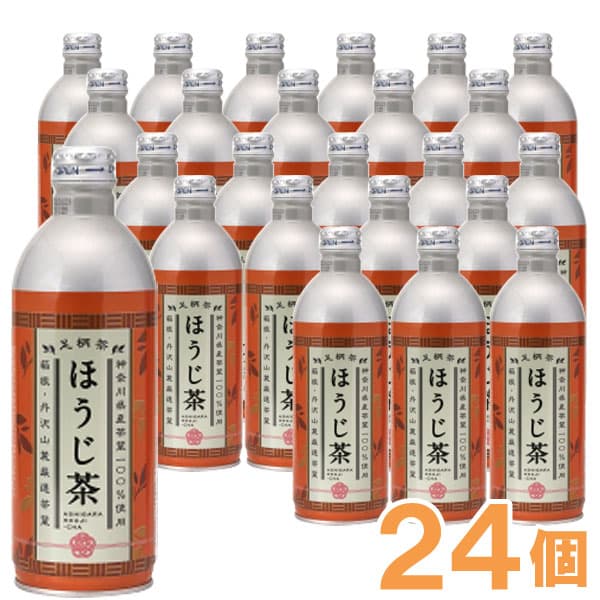
Ashigara Tea Hojicha
足柄茶 ほうじ茶(465g×24本)【神奈川県農協茶業センター】
465g x 24 bottlesPURE・HEART自然館
Japanese name足柄茶
Across Kanagawa, Ashigara Cha follows mountain weather, Yamakita’s post-1923 tea fields, spring first picking, and a finishing route that links 33 aracha factories with a tea center.
Information last updated 120 days ago
足柄茶 ほうじ茶(465g×24本)【神奈川県農協茶業センター】
465g x 24 bottlesPURE・HEART自然館
First time buying on Rakuten? How residents in Japan order →
Ashigara Cha belongs to the Tanzawa and Hakone foothills of Kanagawa Prefecture. The name covers tea produced in municipalities including Sagamihara, Minamiashigara, Odawara, Hadano, Atsugi, Aikawa, Yamakita, Matsuda, Yugawara, Manazuru, Kaisei, Nakai, and Kiyokawa. Taste and aroma are the traits most closely attached to it, while the name also carries Yamakita’s post-1923 tea planting, the spring first flush, hot and cold preparation, and a production route that brings Kanagawa aracha into finishing work.
Ashigara Cha is a collective name for tea produced within Kanagawa Prefecture, including Sagamihara, Minamiashigara, Odawara, Hadano, Atsugi, Aikawa, Yamakita, Matsuda, Yugawara, Manazuru, Kaisei, Nakai, and Kiyokawa. The list gives the tea a regional shape along the Tanzawa and Hakone foothills rather than tying it to a single town.
Its local character rests on those municipality names, Kanagawa-grown leaves, mountain weather, and everyday preparation. When taste and aroma are tied to Ashigara Cha, the phrase points back to a shared tea area spread across several communities.
The Tanzawa-Hakone foothill area has conditions suited to tea cultivation. From the end of the year to around February, the seasonal wind called Tanzawa-oroshi carries cold air down the mountain skirts and creates sharp differences between day and night temperatures; those natural conditions sit behind the taste and aroma associated with Ashigara Cha.
The tea’s sensory setting starts with western Kanagawa’s mountain terrain. Foothills, cold wind, temperature shifts, and tea leaves give the name a physical place before any larger cultural language is needed.
The modern beginning of Ashigara Cha is commonly traced to the years after the 1923 Great Kanto Earthquake. Tea cultivation was introduced in former Shimizu Village in Ashigarakami District, now Yamakita Town, as an industrial recovery measure for mountain villages that had suffered heavy damage.
Yamakita gives the tea a grounded starting point. Disaster recovery, mountain-village work, tea planting, and the growth of a Kanagawa tea-producing area all meet in that place name.
Ashigara Cha has a clear spring rhythm. In 2024, first-tea picking began on April 26, and general descriptions place the new-tea season around May. Late spring and early summer give the tea a calendar: picking begins, new tea appears, and the year’s first cups move toward everyday drinking.
The seasonal arc works best through concrete dates and field work. April 26 marks the start of first picking in 2024, while May gives the name its familiar new-tea moment.
The Kanagawa Prefecture JA Tea Industry Center in Yamakita gives the production route a visible form. It receives tea directly from 33 aracha factories across Kanagawa, then finishes the tea at an adjacent factory; finished teas can also be tasted at the site.
That route turns a shared regional name into a working system. Tea farmers, aracha factories, the Yamakita finishing factory, and Ashigara Cha GAP farm practices connect cultivation, processing, and shared handling across the production area.
Ashigara Cha also lives in ordinary preparation. Leaves can be brewed as hot green tea, and teabags are used for hot or iced drinking. One cold-brew method uses a 5-gram teabag in 0.5 liters of water for about 20 minutes, while another approach begins with cold water and follows with a later hot infusion.
The tea appears in sweets as well as cups. Ashigara Cha soft serve, Ashigara Cha Mont Blanc, and Ashigara Cha ice cream carry the tea’s aroma into desserts, giving the name a place in everyday treats as well as brewed tea.
A 100th-anniversary ceremony for Ashigara Cha took place in Yamakita Town, with awards for a tea competition and tea-garden competition, commendations for contributors, and the announcement of Ashigara Tea Promotion Vision 2025. The event brought producers, tea gardens, and regional promotion into one setting.
The milestone gives continuity a visible form: a Yamakita venue, award ceremonies, recognized contributors, tea gardens, and a shared plan for the next phase. Ashigara Cha carries forward through that producer community and through the next season’s tea work.
Ashigara Cha is shaped by Kanagawa municipalities, the Tanzawa and Hakone foothills, winter mountain wind, Yamakita’s post-1923 tea planting, spring first flush, and the route from 33 aracha factories to finishing work in Yamakita. Together, those details make the tea a name held by landscape, recovery, producer collaboration, and everyday cups brewed hot or cold.
Compiled from public records and official sources; see the recognition links below. Details may change over time.
Where this product is officially registered, designated, or recognized in Japan.
Regional collective trademark
Registered as a Regional Collective Trademark with the Japan Patent Office.
Sources1
It is written as 足柄茶 in Japanese. Search Rakuten and other Japanese sites with that spelling — the English name will not bring up the listings.
Ashigara tea is a collective name for tea grown across several municipalities in Kanagawa Prefecture, in the Tanzawa-Hakone foothills. Its modern start is traced to former Shimizu Village (now Yamakita Town), where tea was introduced after the 1923 Great Kanto Earthquake as a mountain-village recovery crop. It is known for taste and aroma, with first picking from late April into the May new-tea season.
Production areas include Sagamihara, Minamiashigara, Odawara, Hadano, Atsugi, Aikawa, Yamakita, Matsuda, Yugawara, Manazuru, Kaisei, Nakai, and Kiyokawa. In 2024, first-tea picking began on April 26. The Kanagawa Prefecture JA Tea Industry Center in Yamakita receives tea from 33 aracha factories and finishes it next door. The foothills are described as suited to tea cultivation.
It is drunk as hot tea, iced teabags, or cold brew. It also appears in soft serve, Mont Blanc, and ice cream.
Water temperature varies a lot by type of Japanese tea: roughly 50–60°C for gyokuro, 70–80°C for sencha, and near-boiling 90–100°C for hojicha (including roasted stem tea), bancha, and genmaicha, steeped for about 30 seconds to a minute. A common ratio is about 3g of leaf per 150ml of water. Follow the instructions on the packaging where they differ.
Tea leaves are damaged by light, humidity, and absorbed odours. Once opened, keep them sealed and away from light at room temperature and drink them within a few weeks. If you refrigerate them, let the container return to room temperature before opening so condensation doesn't get in.
Most options are shelf-stable, boxed, and travel well, so they suit gifting or bringing home. Confirm the final storage and delivery terms on the Rakuten listing.
On Rakuten: the shops listed here right now are PURE・HEART自然館. We don't sell directly; purchase, payment, stock, and delivery are all handled on the Rakuten product page.