 3 images
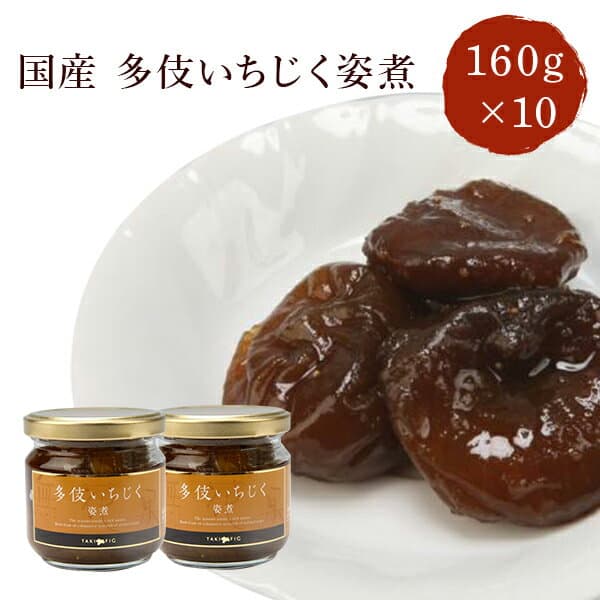
Shimane Taki Ichijiku Whole Simmered Figs
島根県多伎町産 多伎いちじく姿煮 160g×10個 送料無料 国産 無添加
160g x 10 packs鳥取・島根の逸品グルメ いずも庵
5.0 / 5 reviews
Japanese name多伎いちじく
Sun on Shimane's sea-facing Taki coast makes these figs soft and richly sweet, in season through autumn.
On the Japan Sea side of Izumo City, Horai-shi figs grow in drained coastal soil, sea breeze, and mountain wind; a slightly opened tip, morning harvest, and a three-day fresh window shape Taki ichijiku.
Information last updated 119 days ago
3 images島根県多伎町産 多伎いちじく姿煮 160g×10個 送料無料 国産 無添加
160g x 10 packs鳥取・島根の逸品グルメ いずも庵
5.0 / 5 reviews
 3 images
風味満点!多伎いちじく姿煮大瓶500g1個から発送できます。
500g large jarフルーツまき
4.6 / 5 reviews
 3 images
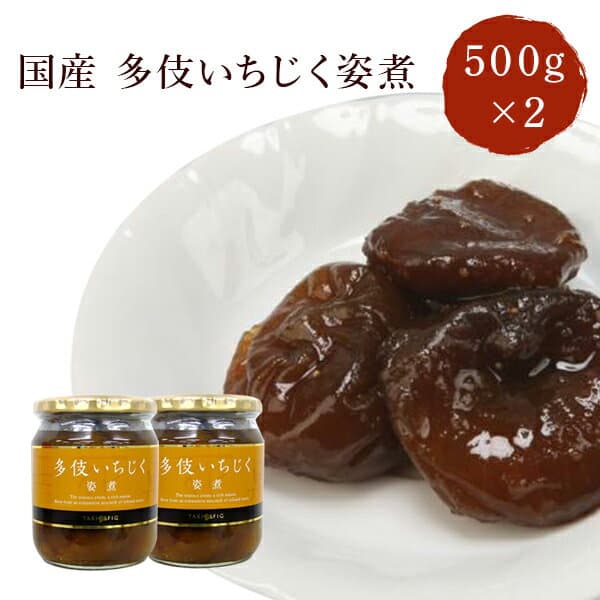
島根県多伎町産 多伎いちじく姿煮 500g×2個 蓬莱柿 国産
500g x 2鳥取・島根の逸品グルメ いずも庵
4.7 / 3 reviews
First time buying on Rakuten? How residents in Japan order →
Taki ichijiku refers to figs grown in Taki-cho, Izumo City, Shimane Prefecture, with Horai-shi as the central variety. The growing area faces the Japan Sea, where well-drained soil, coastal breeze, and mountain wind shape the conditions around the trees; warmer winter air from the sea also raises ground temperature and reduces concern about frost. When the small fruit ripens, its tip opens slightly, linking the coastal place, the variety, and the morning harvest in one visible detail.
Taki-cho sits on the Japan Sea side of Izumo City, and the name Taki ichijiku points to figs produced in that town. The trees grow in well-drained soil, with sea breeze from the coast and wind from the mountains both part of the cultivation setting. In winter, warmer air from the sea raises ground temperature and lessens frost concern for fig trees. The place behind the fruit is made of practical conditions: draining soil, wind from two directions, and a coastal winter that matters to the trees.
Horai-shi is the variety at the center of Taki ichijiku. It is described as a small fig with strong sweetness, and when ripe its tip opens into a star-like shape; near full ripeness, the opening can look like a small mouth. The sweetness of around 18 degrees sits beside physical signs that growers and eaters can see: soft skin, a moist eating impression, and the slight opening at the end of the fruit.
Before World War II, many homes in Taki-cho had one or two fig trees in their gardens, and the fruit was eaten as a seasonal household food. Later, garden figs moved into local selling routes through peddlers and nearby produce sellers. From the early 1970s, fig cultivation in Taki-cho became more organized as a production area. The path runs through home gardens, hand-carried sales, produce sellers, and growers who turned a familiar garden fruit into a crop known by the town name.
Figs have soft skin and bruise easily, so harvest begins early in the morning, with each fruit picked by hand. After picking, the fruit is checked for an overly opened tip and surface damage, then separated for fresh eating or processing. The next steps follow ripeness and color as the fruit is placed into boxes before inspection and shipment. Taki ichijiku depends on a sequence of visible work: early timing, individual picking, damage checks, ripeness judgment, and sorting by use.
Horai-shi fresh shipments run roughly from early August to the end of October, and September is described as the peak period for Taki ichijiku. Fresh eating quality lasts about three days after harvest, giving the soft, sweet fruit a narrow time frame. Taki-cho also uses figs in jam, whole simmered figs, jelly, wine syrup, dried figs, soft serve, and somen, carrying the late-summer and autumn fruit into other forms.
Taki ichijiku is shaped by Taki-cho's coastal growing conditions, the Horai-shi variety, the slightly opened ripe tip, and the careful rhythm of morning harvest. From one or two garden trees before World War II to a more organized production area in the early 1970s, the fig gathers drained soil, sea air, mountain wind, and human sorting work into a small, sweet fruit from the Japan Sea side of Izumo.
Compiled from public records and official sources; see the recognition links below. Details may change over time.
Where this product is officially registered, designated, or recognized in Japan.
Regional collective trademark
Registered as a Regional Collective Trademark with the Japan Patent Office.
Sources1
It is written as 多伎いちじく in Japanese. Search Rakuten and other Japanese sites with that spelling — the English name will not bring up the listings.
Taki figs (Taki ichijiku) are a fig family from Taki-cho, Izumo City, Shimane Prefecture, centered on the Horai-shi variety. The growing area faces the Japan Sea and combines well-drained soil, sea breeze, mountain winds, and warmer winter sea air. The fruit is small and sweet, with a tip that opens slightly when ripe. Harvest starts early in the morning, with each fig hand-picked, checked, and sorted for fresh eating or processing.
Before World War II, many homes in Taki-cho had one or two fig trees in their gardens. From the early 1970s, Taki-cho developed more organized fig cultivation as a production area. Fresh Horai-shi shipments run from early August to the end of October, with September described as the peak season for Taki ichijiku. Fresh eating quality is short, lasting only about three days after harvest.
Same-day harvested figs can be bought locally at places such as Roadside Station Kirara Taki, Taki Ichijiku-kan, and Lapita Taki, reflecting the fruit's short best-eating window after harvest. During harvest, fruit is checked for tip opening and surface damage, then sorted into fresh-use and processing-use fruit. Taki-cho makes processed products such as jam, whole simmered figs, jelly, wine syrup, dried figs, soft serve, and somen to extend use beyond the fresh shipment season.
Fresh produce doesn't keep, so start with the grower's note in the box. Most fruit ripens best at room temperature and is at its most fragrant when it is ready to eat; refrigerate only once it is cut or fully ripe, and eat it soon after. Chilling too early stalls ripening and flattens the flavour. Follow the listing and the enclosed note for the specific variety.
Most options are shelf-stable, boxed, and travel well, so they suit gifting or bringing home. Confirm the final storage and delivery terms on the Rakuten listing.
On Rakuten: the shops listed here right now are 鳥取・島根の逸品グルメ いずも庵, フルーツまき. We don't sell directly; purchase, payment, stock, and delivery are all handled on the Rakuten product page.