 3 images
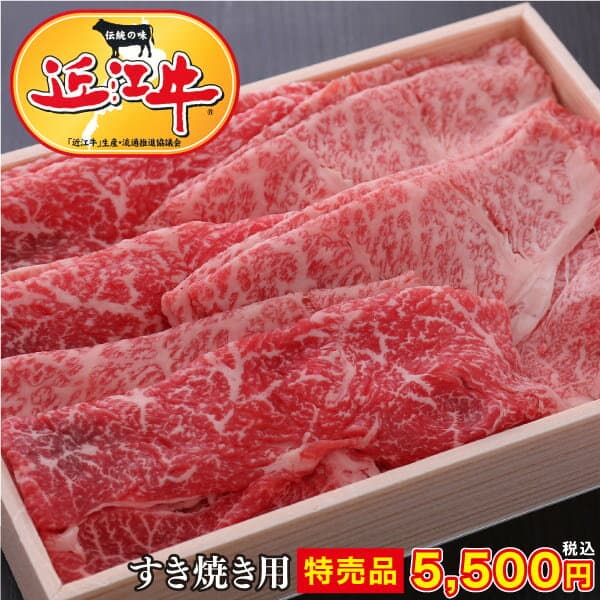
Omi Beef Select Shoulder Loin & Round Slices for Sukiyaki/Shabu-Shabu
【消費税込|着後レビューで次回1,000円OFFクーポンプレゼント!】近江牛 すき焼き・しゃぶしゃぶ用特選肩ロース・モモ肉スライスセット500g【松坂牛・神戸牛と並ぶ日本三大ブランド和牛のひとつ近江牛をプロの目利きで厳選!】滋賀県から安心の産地直送!
500g近江牛専門店 いちやくぎゅう本舗
4.7 / 354 reviews
Japanese name近江牛
Omi Beef begins with Japanese Black cattle raised longest in Shiga Prefecture, then gathers Lake Biwa water, rice straw, Hikone Domain’s Henpongan, Omi merchants, marbling, aroma, and low-melting fat into one regional food lineage.
Information last updated yesterday
3 images【消費税込|着後レビューで次回1,000円OFFクーポンプレゼント!】近江牛 すき焼き・しゃぶしゃぶ用特選肩ロース・モモ肉スライスセット500g【松坂牛・神戸牛と並ぶ日本三大ブランド和牛のひとつ近江牛をプロの目利きで厳選!】滋賀県から安心の産地直送!
500g近江牛専門店 いちやくぎゅう本舗
4.7 / 354 reviews
 3 images
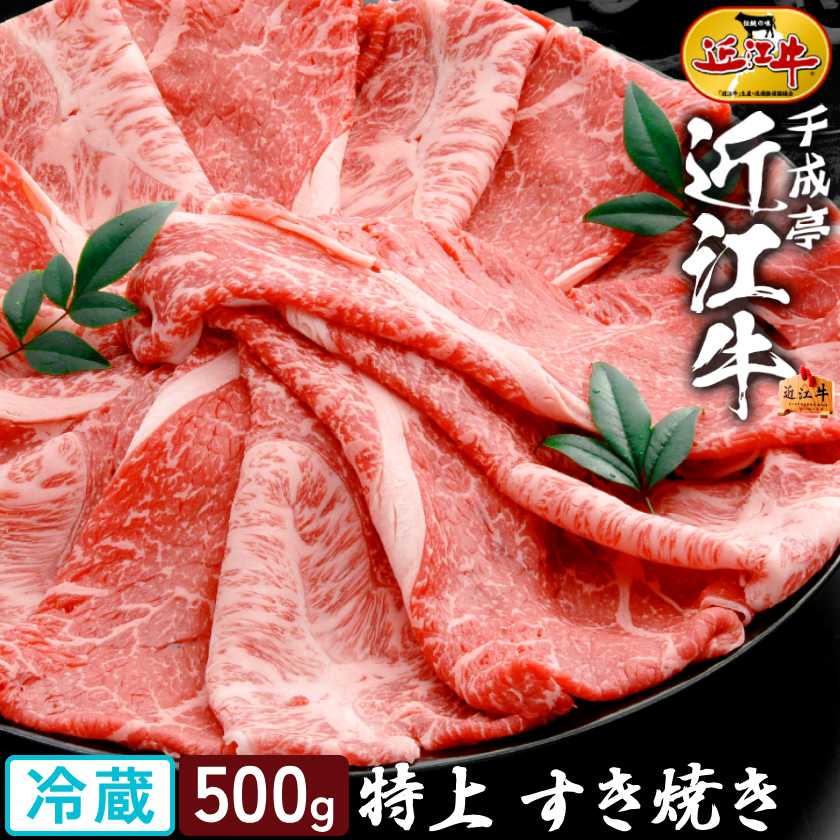
近江牛 特上 すき焼き 500g │ 冷蔵 スライス 薄切り 和牛 黒毛和牛 牛肉 霜降り 赤身 高級 肉 ブランド牛 国産 すき焼き肉 すきやき しゃぶしゃぶ 鍋 用 肩ロース おすすめ 2026 御中元 お中元 暑中 残暑 見舞い 夏 gift ギフト 贈り物 プレゼント お取り寄せ グルメ
500g近江牛の千成亭
4.7 / 120 reviews
 3 images
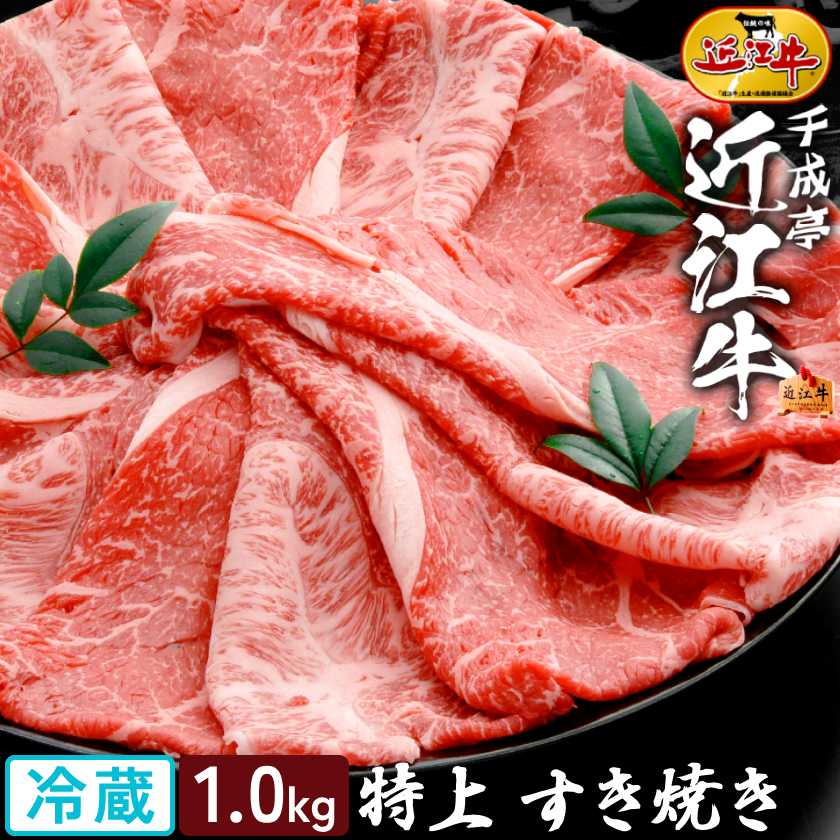
和牛 近江牛 特上 すき焼き 1kg │ 冷蔵 スライス 薄切り 黒毛和牛 牛肉 霜降り 赤身 高級 肉 ブランド牛 国産 すき焼き肉 すきやき しゃぶしゃぶ 鍋 用 肩ロース ランプ 1000g 2026 御中元 お中元 暑中 残暑 見舞い 夏 gift ギフト 贈り物 プレゼント お取り寄せ グルメ
1kg近江牛の千成亭
4.5 / 50 reviews
 3 images
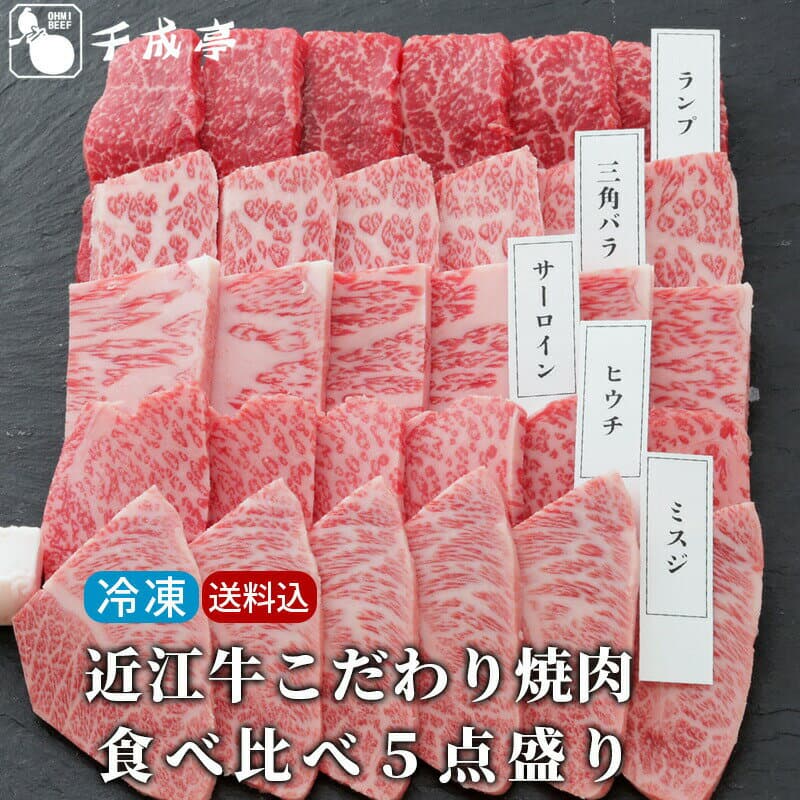
【送料込み】 焼肉セット 和牛 近江牛 こだわり焼肉 食べ比べ 5点盛り │ 冷凍 500g 5種 焼き肉 盛り合わせ セット 霜降り 牛肉 肉 3人前 4人前 5人前 国産 BBQ サーロイン 2026 御中元 お中元 暑中 残暑 見舞い 夏 gift ギフト 贈り物 プレゼント お取り寄せ グルメ
500g, 5 cuts近江牛の千成亭
4.8 / 45 reviews
 3 images
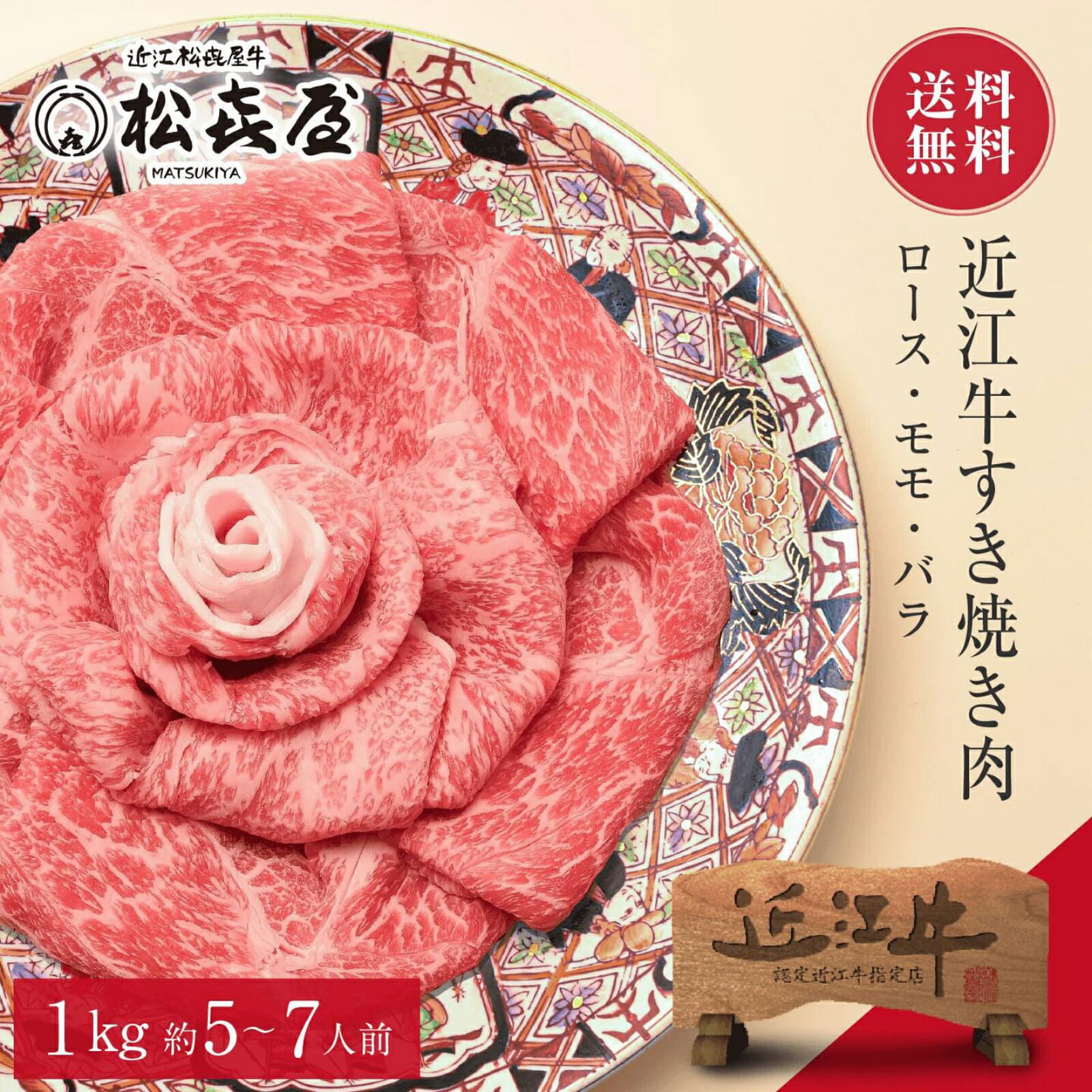
【特選】近江牛肉 すき焼き用 1kg (約5〜7人前) 送料無料 最高級 近江牛 お取り寄せグルメ プレゼント すきやき しゃぶしゃぶ 近江牛認定店 松喜屋 まつきや
1kg, serves 5-7明治創業 近江牛の松喜屋
4.7 / 232 reviews
 3 images
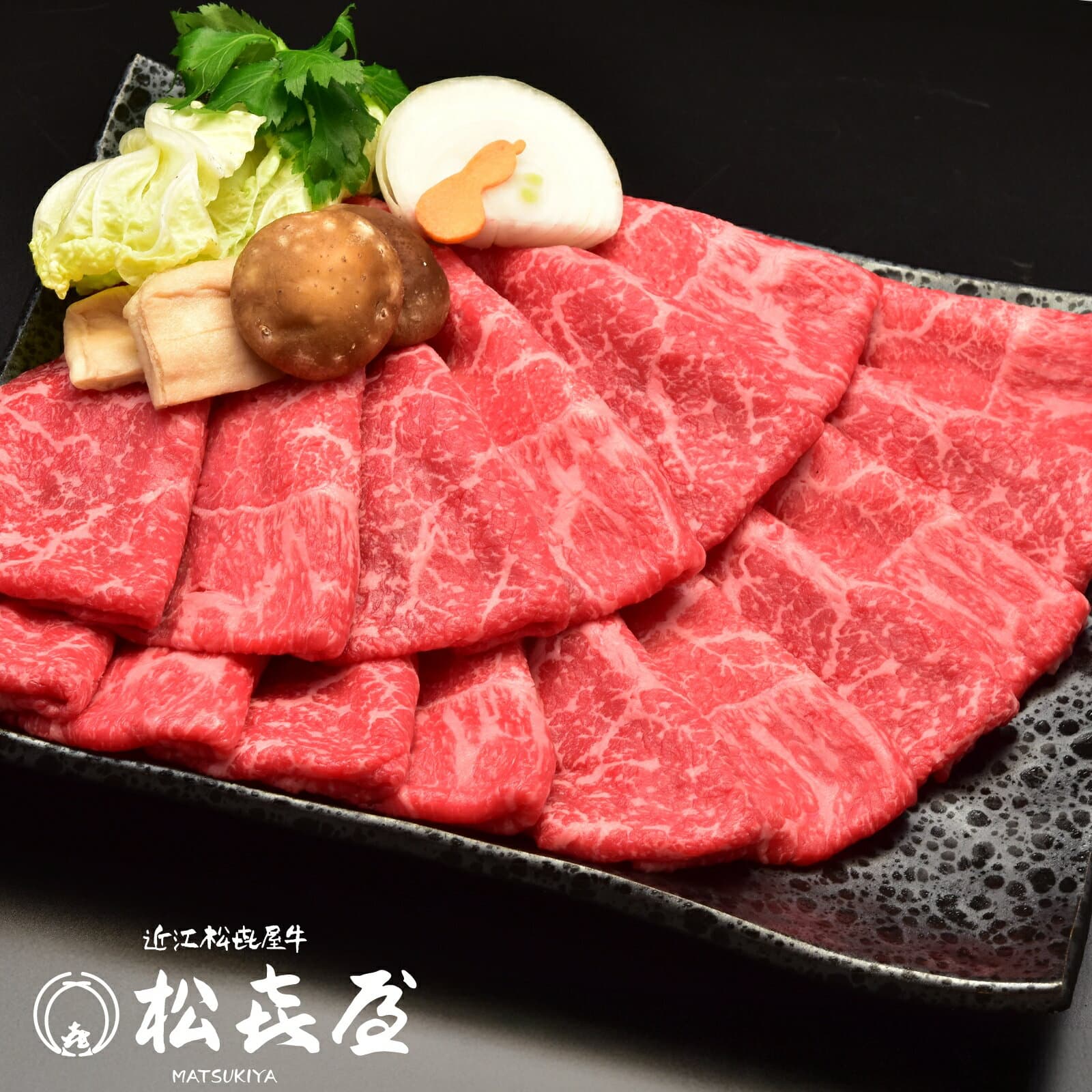
【特上】近江牛 すき焼き用 1kg (約5〜7人前) 送料無料 最高級 近江牛 お取り寄せグルメ すきやき しゃぶしゃぶ 近江牛認定店 松喜屋 まつきや
1kg (serves 5-7)明治創業 近江牛の松喜屋
4.6 / 292 reviews
First time buying on Rakuten? How residents in Japan order →
All 6 listings of this product on Rakuten, lowest price first.
| Listing | Price | Shop | Reviews | Open listing |
|---|---|---|---|---|
Omi Beef Premium Sukiyaki Slices 500gLowest priceGift-ready | ¥5,400 | 近江牛の千成亭 | 4.7 / 120 reviews | View on Rakuten → |
Omi Beef Select Shoulder Loin & Round Slices for Sukiyaki/Shabu-Shabu 500gMost reviewedGift-ready | ¥5,500 | 近江牛専門店 いちやくぎゅう本舗 | 4.7 / 354 reviews | View on Rakuten → |
Premium Omi Beef Sukiyaki Slices (Round & Belly) 1kg (serves 5-7) | ¥10,584 | 明治創業 近江牛の松喜屋 | 4.6 / 292 reviews | View on Rakuten → |
Omi Beef Premium Sukiyaki Slices 1kgGift-ready | ¥10,800 | 近江牛の千成亭 | 4.5 / 50 reviews | View on Rakuten → |
Omi Beef Yakiniku 5-Cut Tasting Assortment 500g, 5 cutsGift-readySmall size to try | ¥10,800 | 近江牛の千成亭 | 4.8 / 45 reviews | View on Rakuten → |
Matsukiya Select Omi Beef for Sukiyaki 1kg, serves 5-7Gift-ready | ¥12,528 | 明治創業 近江牛の松喜屋 | 4.7 / 232 reviews | View on Rakuten → |
Japanese · new tab
Omi Beef starts with a precise boundary: Japanese Black cattle whose longest raising period is inside Shiga Prefecture. The name points to breed, place, Lake Biwa’s surrounding mountains, rice fields, rice straw feed, and the people who raise the cattle. Shiga’s basin has long supported rice farming, and rice straw enters the feeding context; on the plate, marbling, beef aroma, and fat that melts at a low temperature become the sensory cues. Looking back, Hikone Domain handled beef as the nourishing medicine Henpongan, and in the Meiji era Omi merchants carried selected beef toward Yokohama and Tokyo, moving the name from Shiga’s farms into urban dining.
The name Omi Beef rests on three concrete conditions: the cattle are Japanese Black, their longest raising period is within Shiga Prefecture, and the beef belongs to a regional wagyu family rather than the broader domestic-beef label. In Japan, domestic beef can refer to cattle raised longest in the country regardless of breed, while wagyu is limited to four native-derived beef breeds and their crosses; Omi Beef belongs to the Japanese Black line. The name therefore carries both breed and place before it reaches a plate.
Shiga’s geography brings Omi Beef back to the basin around Lake Biwa. Mountains surround the lake, clean streams run into the basin, and fertile soil with a mild climate has supported rice cultivation. Rice farming leaves straw that can be used as cattle feed, so water, fields, straw, and livestock work meet in the same Shiga landscape. The regional character of Omi Beef is concrete here: cattle, rice straw, water-rich ground, and the raising environment.
The timeline often reaches back about four hundred years, with the clearest Edo-period scene in Hikone Domain. In 1687, beef from the Shiga area was made into miso-pickled Henpongan, a nourishing medicine associated with the Ii family, and presented to the shogun’s family and other lords. A thank-you letter from Mito Domain gives this exchange concrete people, places, and an object that still carries the period’s beef culture.
After the Meiji opening to Western foodways, demand for beef grew. Omi merchants selected beef and transported it to Yokohama and Tokyo, carrying the name beyond Shiga. That movement links a regional cattle-raising area with modern city tables: one end is Shiga’s farms, the other is the urban demand that expanded after Japan’s ports and eating habits changed.
The flavor language around Omi Beef gathers around edible details: marbling, deep savor, beef aroma, and fat that melts easily in the mouth because of a low fat-melting point. Japanese Black beef contains oleic acid, a component connected with aroma, flavor, and deliciousness, and Omi Beef is described as having a comparatively high oleic-acid content among Japanese Black cattle from different production areas. These traits turn Shiga’s raising environment into texture and aroma at the table.
Omi Beef is seen through more than farms. Around it are producers, distribution and processing workers, meat retailers, cooks, and organizations involved in production management and meat-sector activity. Shiga’s meat business cooperative is made up of about ninety meat retailers in the prefecture, with activities such as meat promotion, joint purchasing, training, and a member network. Those hands move Omi Beef from the cattle shed to cutting, cooking, and the table.
Omi Beef’s marbling, aroma, and low-melting fat fit thick slices seared as steak and thin slices used for sukiyaki or yakiniku. In a recipe context linked with Shiga Junior College’s Department of Life Studies, minced Omi Beef becomes a cream-simmered hamburg steak with anchovy sauce, Omi vegetables, and an onsen egg. That dish connects the beef’s deep savor with a home-table form while staying close to the flavor cues of Shiga beef.
From Lake Biwa’s rice fields to Hikone Domain’s Henpongan, and from Omi merchants’ routes to Yokohama and Tokyo, Omi Beef keeps a recognizable shape in place and human work. Japanese Black cattle, the longest raising period in Shiga, rice straw feed, marbling, and low-melting fat make its continuity concrete; the tradition here means basin agriculture, cattle care, meat distribution, and cooking practices staying connected over time.
Compiled from public records and official sources; see the recognition links below. Details may change over time.
Where this product is officially registered, designated, or recognized in Japan.
It is written as 近江牛 in Japanese. Search Rakuten and other Japanese sites with that spelling — the English name will not bring up the listings.
Omi Beef is a regional beef family centered on Japanese Black cattle raised longest within Shiga Prefecture. Its place connection runs through Lake Biwa water, surrounding mountains, rice farming, and rice straw feed. Its timeline includes Hikone Domain’s Edo-period Henpongan and Meiji-era Omi merchants carrying beef to Yokohama and Tokyo. Its sensory traits include marbling, aroma, deep savor, low-melting fat, and oleic acid.
Omi Beef is defined around Japanese Black cattle whose longest raising period is within Shiga Prefecture. Lake Biwa, surrounding mountains, clean water, rice cultivation, and rice straw feed connect Omi Beef to Shiga’s landscape. Omi Beef is commonly framed with a history reaching back about four hundred years or more. In 1687, Hikone Domain prepared beef from the Shiga area as miso-pickled Henpongan and presented it to the shogun’s family and other lords.
Omi Beef appears in cooking forms such as steak, sukiyaki, yakiniku, and minced-beef cream-simmered hamburg steak.
Storage varies by product — shelf-stable, refrigerated, or frozen — and is stated on the packaging and the Rakuten listing. Shelf-stable processed foods usually need refrigerating once opened and eating within a few days; chilled and frozen items go straight into storage on arrival. Treat the best-before date on the physical packaging as authoritative.
Most options are shelf-stable, boxed, and travel well, so they suit gifting or bringing home. Confirm the final storage and delivery terms on the Rakuten listing.
On Rakuten: the shops listed here right now are 近江牛専門店 いちやくぎゅう本舗, 近江牛の千成亭, 明治創業 近江牛の松喜屋. We don't sell directly; purchase, payment, stock, and delivery are all handled on the Rakuten product page.