 2 images
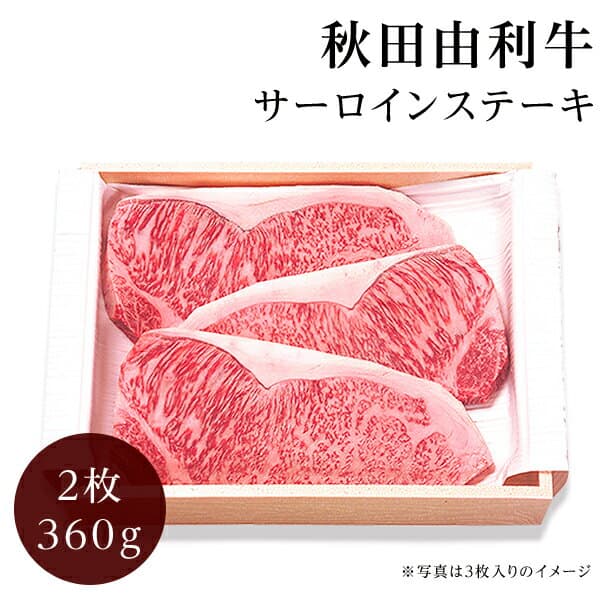
Akita Yuri Beef A5-A4 Japanese Black Wagyu Sirloin Steak
秋田 由利牛 サーロインステーキ 2枚 最高級黒毛和牛 A5〜A4ランク【秋田牛/内祝/お返し/出産内祝い/結婚内祝い/快気祝い/香典返し/法要法事】
180g x 2 steaksmaruichipart1
4.5 / 2 reviews
Japanese name秋田由利牛
In Akita’s Yuri area, Japanese Black cattle are tied to Mount Chokai, clean water, pasture, careful producers, and a rice-based finishing feed that shapes firm meat, fine marbling, and clean sweetness.
Information last updated 120 days ago
2 images秋田 由利牛 サーロインステーキ 2枚 最高級黒毛和牛 A5〜A4ランク【秋田牛/内祝/お返し/出産内祝い/結婚内祝い/快気祝い/香典返し/法要法事】
180g x 2 steaksmaruichipart1
4.5 / 2 reviews
 2 images
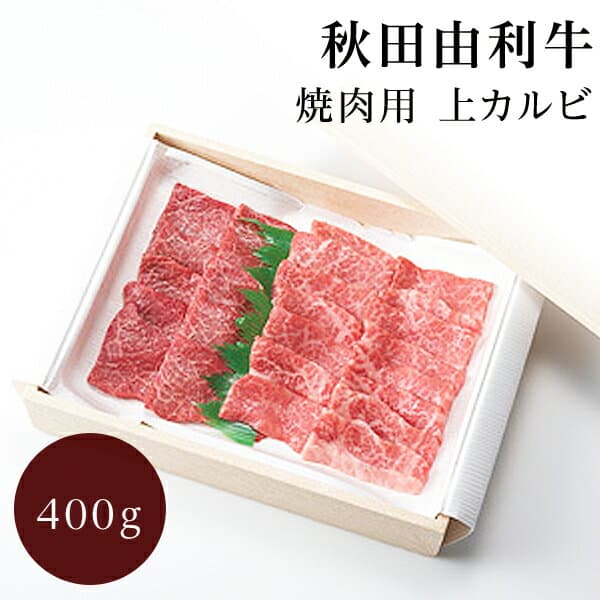
秋田 由利牛 焼き肉用 上カルビ 400g 最高級黒毛和牛 A5〜A4ランク 【内祝い/出産内祝い/快気祝い/お返し/お礼】
400gmaruichipart1
 2 images
秋田由利牛すき焼用 360g A4ランク以上代引き発送不可 着日指定は5日後以降で承ります。 【産地直送】秋田かまくらミート
360g, A4 grade or higher秋田県物産振興会楽天市場店
First time buying on Rakuten? How residents in Japan order →
Akita Yuri Beef begins with a precise landscape: the Yuri area of Akita Prefecture, the foothills of Mount Chokai, the Dewa Hills, highland pasture, and good water. The name is used for Japanese Black cattle raised by producers in the JA Akita Shinsei Yuri Beef Fattening Division, with raising conditions and meat-quality grades setting the boundary. Read from place to feed to table, the beef’s character sits in concrete details: cattle in the Chokai foothills, rice or rice-derived feed in the final six months, firm meat, fine marbling, and clean, sweet fat.
The Yuri area is described through land and water before taste: Mount Chokai’s foothills, the Dewa Hills, abundant grass resources, highland pasture, and water called clean or good in local descriptions. Yurikihonjo places its livestock products in that natural setting, and the tourism association places Akita Yuri Beef on the highlands around Chokai. The name points back to a real raising landscape: slope, grass, water, and cattle.
Akita Yuri Beef is defined through people as well as place. Yurikihonjo City identifies it as Japanese Black cattle raised by members of the JA Akita Shinsei Yuri Beef Fattening Division; the name is reserved for cattle that clear strict raising conditions and meat-quality grades. INPIT’s product boundary also ties the goods to beef from Akita Prefecture’s Yurihonjo area. Together, those details make the name a place-and-producer boundary with stated quality conditions.
One concrete practice stands out in the finishing period. From six months before shipment, cattle receive a set amount of rice or feed made from rice. That practice is connected with fat described as clean and strongly sweet, with a flavor that remains easy to keep eating. The rice detail gives the beef a traceable link between Akita’s food landscape and the texture of the meat.
Yurikihonjo City describes the meat as moderately firm with fine marbling, and the tourism association also emphasizes finely grained marbling. INPIT adds the sensory line around fat: clean, strongly sweet, and easy to keep eating. The resulting profile can be described through texture and fat quality: a firm bite, marbling visible through the meat, and sweetness carried by the fat.
The tourism association names steak and sukiyaki as serving contexts for Akita Yuri Beef. Steak puts the firm meat and fine marbling in a direct bite; sukiyaki gives the clean sweetness of the fat a familiar table setting. Those uses stay broad here: steak and sukiyaki are dining scenes, not a cut-by-cut or temperature guide.
When Akita Yuri Beef later gained regional collective trademark status, the useful meaning for the table was a clearer boundary around the name. It points to beef from the Yurihonjo area, Japanese Black cattle connected with JA Akita Shinsei producers, raising and meat-quality conditions, and a rice-based finishing practice in the last six months. The legal marker sits in the background; the taste remains tied to Chokai water and pasture, producer care, fine marbling, and clean sweetness.
Akita Yuri Beef holds together because its details stay concrete: Yuri and Yurihonjo, Mount Chokai and the Dewa Hills, Japanese Black cattle, JA Akita Shinsei producers, rice or rice-derived feed, firm meat, fine marbling, and clean sweet fat. On a steak plate or in sukiyaki, the name leads back to a defined Akita landscape and to the daily work of raising cattle within that boundary.
Compiled from public records and official sources; see the recognition links below. Details may change over time.
Where this product is officially registered, designated, or recognized in Japan.
Regional collective trademark
Registered as a Regional Collective Trademark with the Japan Patent Office.
Sources1
It is written as 秋田由利牛 in Japanese. Search Rakuten and other Japanese sites with that spelling — the English name will not bring up the listings.
Akita Yuri beef is a Japanese Black beef name tied to Akita Prefecture's Yuri and Yurihonjo area. The name is connected with JA Akita Shinsei Yuri Beef Fattening Division producers, place boundaries, raising conditions, and meat-quality grades. Cattle are raised around the foothills of Mount Chokai and the Dewa Hills, where descriptions emphasize pasture, grass resources, and clean water.
The name is limited to cattle raised by JA Akita Shinsei Yuri Beef Fattening Division members that meet raising conditions and meat-quality grades. INPIT lists Akita Yuri Beef as registration no. 5036905 for beef from Akita Prefecture's Yurihonjo area. From six months before shipment, cattle receive a set amount of rice or rice-derived feed. The beef is described as moderately firm with fine marbling, clean fat, and strong sweetness.
The tourism association recommends Akita Yuri beef for steak, linking this use to fine marbling and meat quality from cattle raised around the Chokai foothills. The tourism association also names sukiyaki as a suitable serving style, supported by descriptions of fine marbling and sweet, clean fat.
Storage varies by product — shelf-stable, refrigerated, or frozen — and is stated on the packaging and the Rakuten listing. Shelf-stable processed foods usually need refrigerating once opened and eating within a few days; chilled and frozen items go straight into storage on arrival. Treat the best-before date on the physical packaging as authoritative.
Most options are shelf-stable, boxed, and travel well, so they suit gifting or bringing home. Confirm the final storage and delivery terms on the Rakuten listing.
On Rakuten: the shops listed here right now are maruichipart1, 秋田県物産振興会楽天市場店. We don't sell directly; purchase, payment, stock, and delivery are all handled on the Rakuten product page.