 3 images
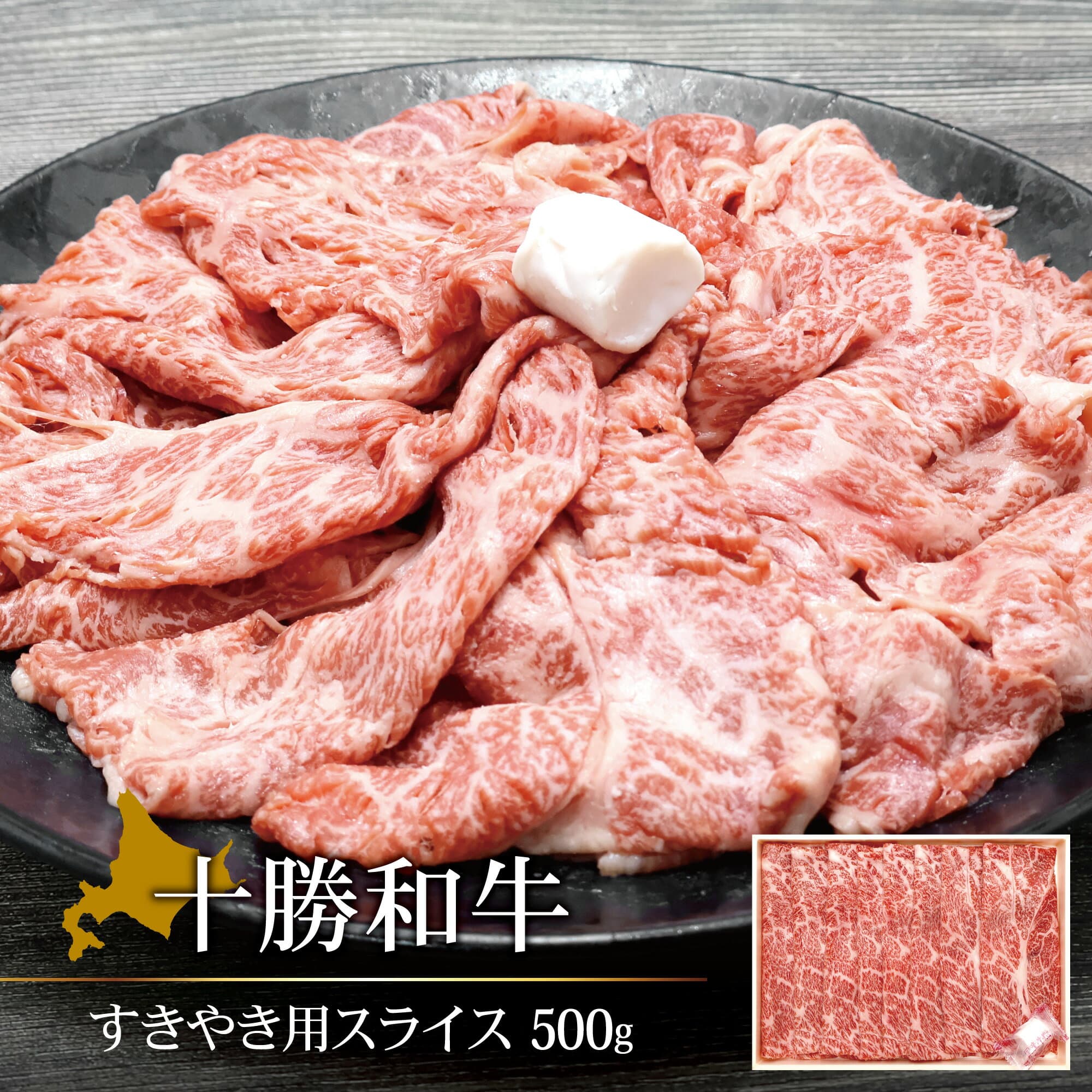
Tokachi Wagyu Shoulder Loin Sukiyaki Slices
十勝和牛 約500g 肩ロース すき焼き用 スライス牛肉 北海道産和牛 北海道和牛 国産和牛 黒毛和牛 霜降り サシ すきやき しゃぶしゃぶ お鍋 お取り寄せグルメ 肉ギフト 贈答用 お祝い お返し 【送料無料】
approx. 500g蟹のマルキタ北村水産 「北海道」
5.0 / 1 reviews
Japanese name十勝和牛
Born in Hokkaido and fattened in Tokachi, this Japanese Black beef grows through long sunny days, field-grown roughage, grain feed, and time enough for sweet marbling to settle into the meat.
Information last updated 121 days ago
3 images十勝和牛 約500g 肩ロース すき焼き用 スライス牛肉 北海道産和牛 北海道和牛 国産和牛 黒毛和牛 霜降り サシ すきやき しゃぶしゃぶ お鍋 お取り寄せグルメ 肉ギフト 贈答用 お祝い お返し 【送料無料】
approx. 500g蟹のマルキタ北村水産 「北海道」
5.0 / 1 reviews
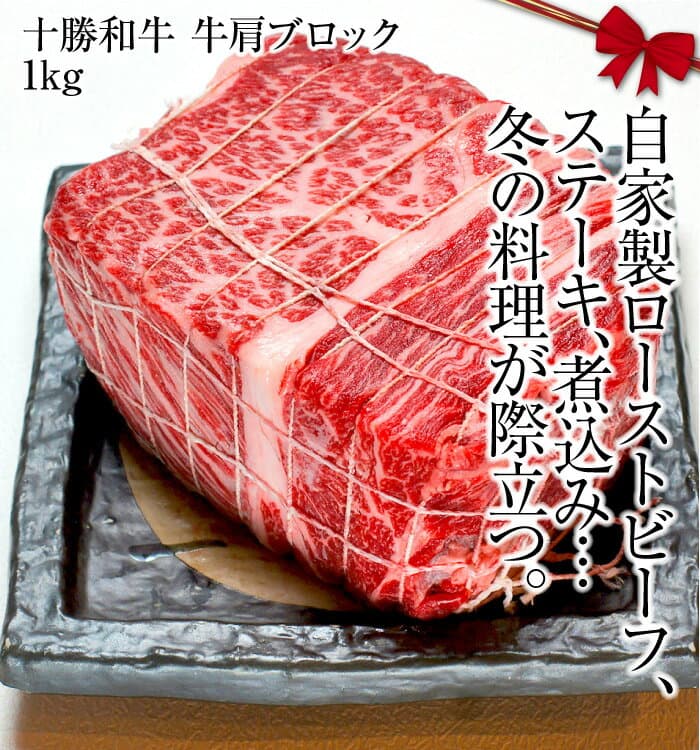
【北海道産十勝和牛肩ロースブロック 約1kg】業務用にも最適 北海道産 牛肉 和牛 グルメ ご飯のお供 お歳暮 お中元 ギフト お返し お取り寄せ 食品 贈り物 誕生日 父の日 母の日 北海道産 業務用 ローストビーフ
about 1 kgDo-foods本舗
3.7 / 3 reviews
First time buying on Rakuten? How residents in Japan order →
Tokachi Wagyu begins with a clear place boundary in eastern Hokkaido: Japanese Black cattle born in Hokkaido, fattened in Tokachi, raised mainly by members of the Tokachi Wagyu Promotion Council, and connected to the Hokuren Tokachi carcass market. The long sunlight known as Tokachi-bare, wide farmland, hay, wheat straw, rice straw, and grain feed give the name a grounded shape before it reaches the table as sweet, melting marbling with a comparatively light finish.
Tokachi Wagyu refers to Japanese Black cattle born in Hokkaido and fattened in the Tokachi area. The name is tied mainly to producers in the Tokachi Wagyu Promotion Council and to listing at the Hokuren Tokachi carcass market; as of April 2024, the council system included 403 producer farms. That boundary turns Tokachi from a broad regional image into a concrete beef name shaped by breed, birthplace, fattening area, producer community, and market route.
The long sunny days called Tokachi-bare and the area’s broad fields appear directly in how Tokachi Wagyu is described. Cattle are given Hokkaido rice straw, homegrown grass, Tokachi hay and wheat straw, along with concentrate feed using grains such as corn, barley, and wheat. The feed list keeps the landscape close to the animal: field crops, roughage, and cattle fattening all meet on the Tokachi plain.
Fattening is generally described as running from about 10 months of age to around 30 months, while another description gives a target shipment age of 28 to 32 months. Over that span, weight rises from roughly 320 kilograms to 800 to 900 kilograms. The work centers on steady feed intake, growth-stage management, and enough time for marbling to develop through the red meat.
The predecessor Tokachi meat cattle promotion council was founded in 1973, and the Tokachi Wagyu brand name took shape in 1999. Producers have spent roughly half a century refining fattening skill and quality improvement. The regional collective trademark registered in 2011 is best read here as a name boundary: it links Wagyu meat from Hokkaido’s Tokachi area with producer and agricultural-cooperative teamwork under a recognizable regional name.
Tokachi Wagyu is described for sweet, melting marbling, and also for a relatively light taste despite being marbled beef. That balance gives shape to the dishes named for it: steak and yakiniku draw attention to the fat as it warms; sukiyaki and shabu-shabu place thin slices in broth or sauce; hamburg steak, roast beef, and beef stew carry the beef into everyday and celebratory meals alike.
Tokachi Wagyu is also presented through local gatherings and regional food events, including the Tokachi Wagyu Thanksgiving Festival where people can eat it grilled on site, and bento sold at department-store fairs on Honshu. At the 12th National Wagyu Ability Expo in Kagoshima in 2022, 19 of Hokkaido’s 22 representative cattle came from the Tokachi area and won placements. The next expo is scheduled for 2027 in Otofuke and Obihiro, drawing producers, agricultural groups, food businesses, and tourism interests back to Tokachi.
Hokkaido also has a prefecture-wide Wagyu promotion framework, formed in 2019 by producers, distributors, related groups, and Hokkaido to support Japanese Black Wagyu born and raised in the prefecture while respecting existing regional brands. Within that wider map, Tokachi Wagyu remains legible through its tighter anchors: Hokkaido birth, Tokachi fattening, Japanese Black cattle, the producer council, Tokachi hay, wheat straw, and long sunlight on the plain.
Tokachi Wagyu is easiest to understand through concrete things: Japanese Black cattle born in Hokkaido, fattened in Tokachi, raised by a community that counted 403 producer farms in April 2024, fed with grasses, straw, and grains, and given close to 30 months for marbling to form. When its sweet fat melts in steak, yakiniku, sukiyaki, or shabu-shabu, the flavor carries the Tokachi plain’s fields, sunlight, producers, and time.
Compiled from public records and official sources; see the recognition links below. Details may change over time.
Where this product is officially registered, designated, or recognized in Japan.
Regional collective trademark
Registered as a Regional Collective Trademark with the Japan Patent Office.
Sources1
It is written as 十勝和牛 in Japanese. Search Rakuten and other Japanese sites with that spelling — the English name will not bring up the listings.
Tokachi Wagyu is Japanese Black beef from cattle born in Hokkaido and fattened in Tokachi, mainly by producers in the Tokachi Wagyu Promotion Council and linked to the Hokuren Tokachi carcass market. Long sunny days known as Tokachi-bare, wide fields, Hokkaido rice straw, homegrown grass, Tokachi hay, wheat straw, and grain concentrates support a fattening period from roughly 10 months of age to around 30 months. The beef is described as having sweet, melting marbling with a relatively light finish.
As of April 2024, the Tokachi Wagyu Promotion Council system included 403 producer farms. A national Wagyu competition is scheduled for 2027 in Otofuke and Obihiro. The predecessor council was founded in 1973, and the Tokachi Wagyu brand name took shape in 1999. Another description gives a target shipment age of 28 to 32 months.
Named dish uses include steak, yakiniku, sukiyaki, shabu-shabu, hamburg steak, roast beef, and beef stew. Tokachi Wagyu is also presented at events such as the Tokachi Wagyu Thanksgiving Festival and in department-store bento sales. A council leader has said he wants Tokachi Wagyu chosen for celebrations and local events.
Storage varies by product — shelf-stable, refrigerated, or frozen — and is stated on the packaging and the Rakuten listing. Shelf-stable processed foods usually need refrigerating once opened and eating within a few days; chilled and frozen items go straight into storage on arrival. Treat the best-before date on the physical packaging as authoritative.
Most options are shelf-stable, boxed, and travel well, so they suit gifting or bringing home. Confirm the final storage and delivery terms on the Rakuten listing.
On Rakuten: the shops listed here right now are 蟹のマルキタ北村水産 「北海道」, Do-foods本舗. We don't sell directly; purchase, payment, stock, and delivery are all handled on the Rakuten product page.